Technology
-
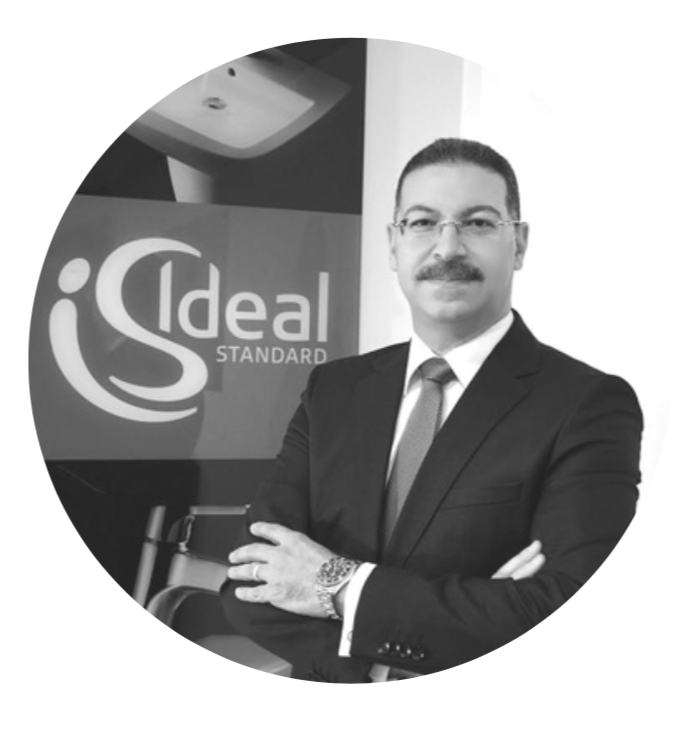
Interview: Ahmed Hafez, CEO, Ideal Standard MENA
Ideal Standard designs, manufactures and supplies bathroom innovations for residential, commercial and institutional buildings. They operate through 47 factories around the globe, 6 of which are in Egypt’s 10th of Ramadan City. Ideal standard has had a MENA region presence since the 1960s and is celebrating its 35th anniversary in the Egyptian market. How do…
-

Interview: Albert Gress, Country Manager Egypt, SDX Energy
SDX Energy is a North Africa focused international E&P business with high margin producing assets and a transformational exploration upside. It engages in the exploration, development, and production of oil and gas primarily in the Arab Republic of Egypt and the Kingdom of Morocco. Net production: 3,237 boe/d, 2P reserves: 13.5 mmboe. The company is cash flow…
-
Interview: Hala Helmy El-Saeed, Minister of Planning and Administrative Reform of Egypt
The Ministry of Planning, Monitoring and Administrative Reform’s vision is to ensure efficient planning and management of the state’s public investments. It seeks sustainable economic development by ensuring the state’s administrative body becomes increasingly more effective, efficient, and capable of managing state resources to provide quality services to citizens. How do you assess Vision 2030’s…
-
United Nations Global Compact Profile
Launched in 2000, the United Nations Global Compact (UNGC) is a global initiative that serves as a call to companies to align strategies and operations under the framework of the 10 UNGC Principles on Human Rights, Labor, Environment and Anti-corruption. Today with more than 9,500 business and 3,000 non-business organizations based in 160 countries and…
-
Serbia: An impressive turnaround
Serbia aims to boost private sector-led growth through reforms. According to the estimates of the Statistical Office of the Republic of Serbia, the nations GDP in real terms increased by 1.9% in 2017. The International Monetary Fund estimates Serbia’s projected Real GDP growth for 2018 will reach 3.5%. Overview: Serbia has successfully stabilized its economic…
-
Serbia: Digitization – The ICT sector is growing faster than any other industry
Serbia provides a cost-effective alternative to established markets for companies looking to outsource software engineering, offshore systems design and integration. Over 2 600 ICT companies operate in Serbia including a Microsoft development center. Serbs offer expertise, high-end IT development services and software development solutions in a highly completive global sector. Nearly 39 000 ICT professionals…
-
Interview: Marko Čadež, President, Chamber of Commerce and Industry of Serbia (PKS)
What is the global perception of Serbia? Over the last five years investors saw straightforward and clear economic policies. This means fiscal consolidation, monetary stability and political stability. They have seen Serbia has a clear strategy. There is now a new perception on Serbia’s future. The perception is now quite good. Together with Montenegro, we…
-
Interview: Ingeborg Øfsthus, CEO, Telenor Serbia
How do you see Serbia’s telecommunication sector in 2018 and what key challenges do you foresee moving forward? The global telecommunications sector is going through a revolution, and that revolution is digitalization. The fact being the competition landscape is changing. It is hitting every single operator around the world in some way or form. We are lucky…
-
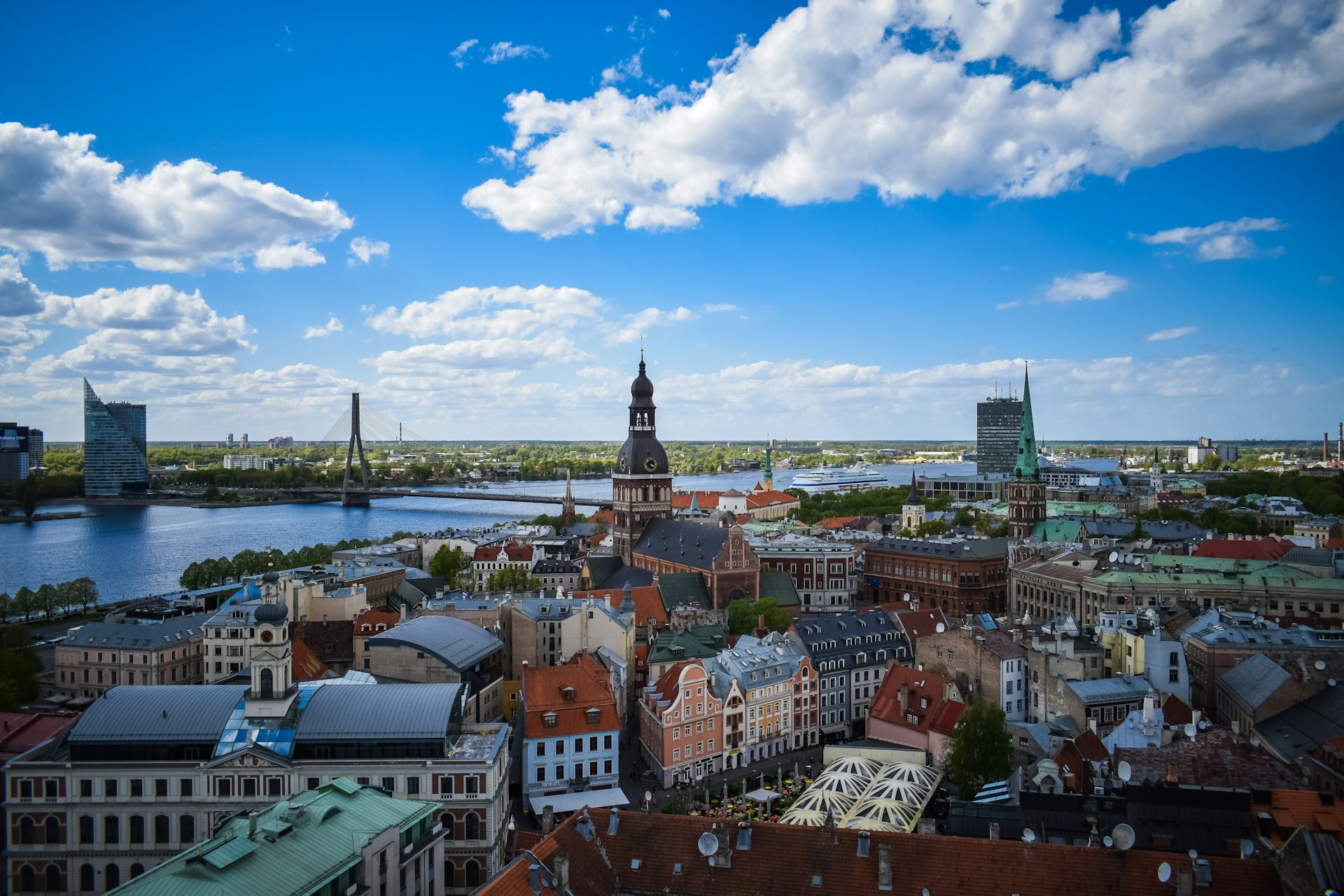
Latvia’s ICT sector
Small Market, Global Reach The turnover of Latvia’s ICT sector is estimated at approximately EUR 3.4 billion, accounting for around 4% of total GDP. Roughly 6,000 companies operate within the sector, spanning ICT services, software, hardware, and telecommunications, all of which have seen steady growth. The re-export of foreign-sourced computer hardware and software represents a…
-
Interview: Martin Gauss, CEO, Air Baltic
How important is the development of Latvia’s aviation sector for the economy? If you look at the connectivity of the Baltic States, Riga at the moment is the key capital. Latvia being in Northern Europe has reachability issues. Connectivity with Europe by road and rail systems do not fully meet the needs of the region…
-
Interview: Janis Lucaus, CEO, BTA
How do you assess the insurance sector? Even though the sector caters to a small market in terms of population, it is highly competitive and evolving. A key factor to take into consideration is the number of competitors and a clear increase of international insurance players within the market. Competition has been beneficial for the…
-
Interview: Nikita Sergienko, CEO, Bite Latvia
How do you assess Latvia’s ICT sector? Latvia has one of the best networks worldwide and probably the best in the European Union. Taking advantage of this, and the qualified labor, many multinationals moved their back offices, call centers, IT centers and even head offices to Lithuania and Latvia. Western Union, Swedbank, and even Barclays…
-
Baiba A. Rubesa, CEO, Rail Baltica, on creating a new economic corridor
Rail Baltica, a new railway infrastructure connecting the three Baltic States to Poland and indirectly to Finland, is often called the project of the century. This project marks a symbolic return of the Baltic States to Europe. Currently, most rail freight traffic in the Baltics originates from the CIS (Commonwealth of Independent States) countries and…
-
Interview: Arvils Aseradens, Latvian Deputy Prime Minister and Minister for Economics
How do you assess Latvia’s economic growth? Four key points are behind Latvia’s economic growth; European Funds, external situation, accumulation of private savings and rising income levels. Income levels have increased 5% in the past three years. This has been a very active base for private consumption. In addition, the private sector has large amounts…