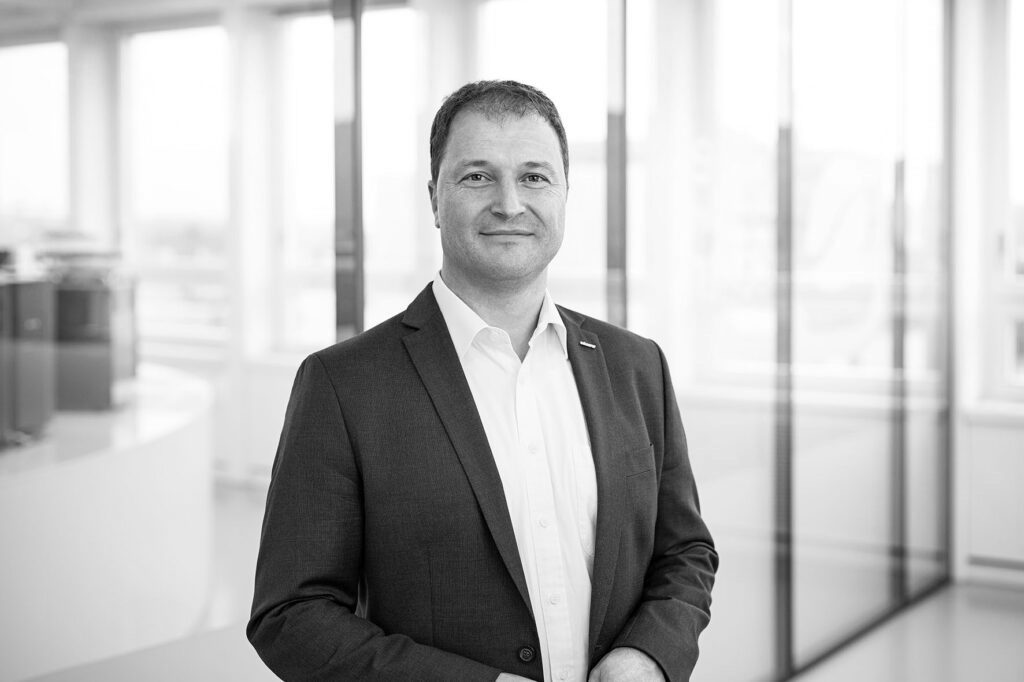
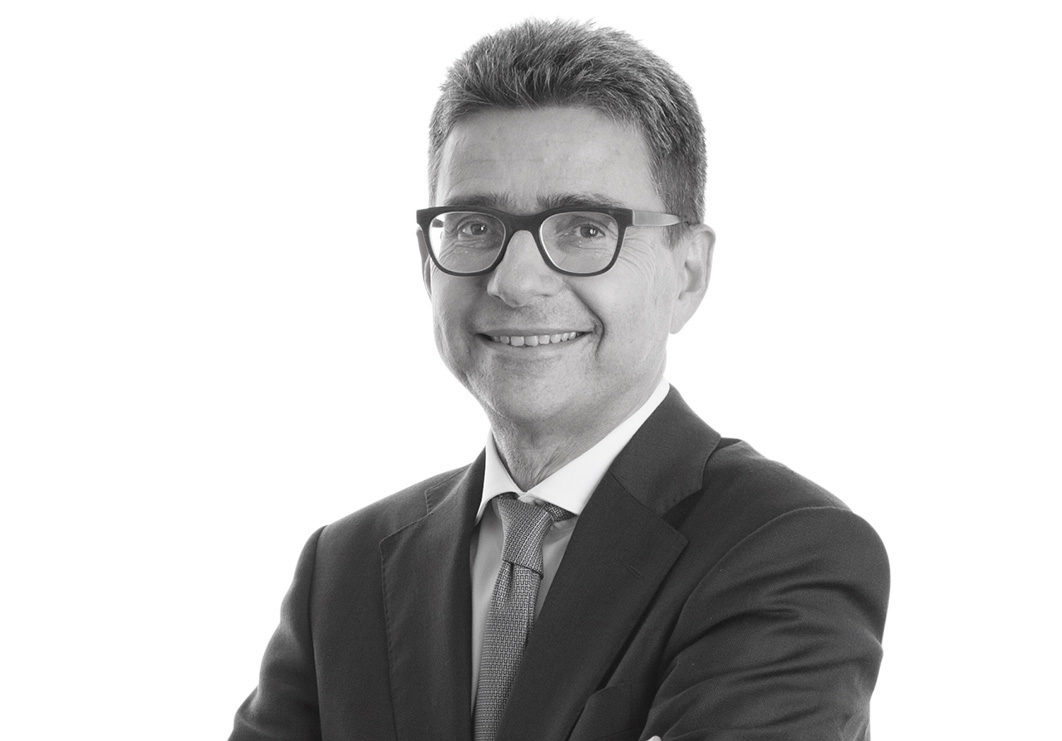
Interview: Mark O’Sullivan, Partner, Matheson

 A decade after the financial crisis, Ireland retains a strong globalized business model. Corporate business investment is at record levels and collectively, US multinational investments amount to $387bn, representing 67% of all foreign direct investment in Ireland and 12% of US investment in the EU.

What core facts best highlight Ireland’s role as a gateway for foreign direct investment coming into Europe? 

Over 220,000 people are directly employed by 1,400 multinationals in Ireland.  Ireland is a committed member state of the EU.  A recent poll conducted by EM Ireland and Red C reinforces Ireland’s support for EU membership.  The poll indicates that 93% of Irish people are in favor of remaining a member state of the EU.  

Access to the single EU market and over 500 million European consumers and the ability to attract highly skilled workers to Ireland from other parts of the EU have been an instrumental part of Ireland’s recovery following the economic crisis. After Brexit, Ireland will be the only English speaking country in the EU, and as a common law jurisdiction, it will continue to be the leading gateway for US multinationals in the EU.  Based on our experience and the feedback we regularly receive from our clients, US multinationals have been able to replicate their culture in Ireland and the Irish work-force has proven to be highly adaptable.  

With the youngest population in the EU, the IMD World Competitiveness Yearbook ranked Ireland first for the flexibility and adaptability of its workforce in 2019. Over the past number of years, we have witnessed many multinationals announce substantial expansion plans in Ireland building on their existing presence, growth that has been facilitated by access to a diverse and skilled workforce as well as a positive business environment. 

How do you assess the continuing benefits of Irish tax strategies for U.S. multinational tax planning?

As a small, open economy, attracting inward investment has been a cornerstone of Ireland’s economic policy for many years. U.S. multi-national companies – many of whom have been operating here for decades – are an intrinsic part of the Irish economy. Well over half of the jobs that they provide are based outside the Dublin area. IDA Ireland estimates that for every 10 FDI jobs created, a further eight jobs are generated in the wider economy.

There are several factors that attract these companies to Ireland – including our position as the only English-speaking member of the Eurozone, access to talent and technology, and the enterprise culture and tax system. Ireland’s 12.5% Corporation Tax has remained stable and dependable for well over 20 years

The introduction of a minimum tax on foreign profits in the US, which was one of the reforms  in the US tax reform measures introduced at the end of 2017, should mean that it will continue to be important to keep the amount of foreign tax below a threshold and having a lower rate in the European principal company operations will continue to be important in that regard. 

One particular area of ongoing growth for the country is that of research and development. Ireland is a leader in the area and is a recognized destination for high-value R&D.  The R&D tax credit for qualifying expenditure incurred in Ireland (25% refundable credit) and the knowledge development box (6.25% rate) regime for patents and software developed in Ireland are among the several benefits of locating in Ireland.  Both regimes are consistent with principles adopted by the Organisation for Economic Co-operation and Development (OECD) and the EU Code of Conduct rules. 

The phase-out of IP holding structures involving haven jurisdictions has also changed the landscape.  As a result of changes recommended by the OECD, companies now need to ensure that IP ownership is aligned with high-value functions which are directly related to the research and development of that IP.  We anticipate that this should result in an increased level of R&D activities taking place in Ireland in the future. 

After Brexit, Ireland will be the largest common law country in the EU. Ireland’s courts system is efficient, pro-business and the nation is increasingly a leading global center for international legal services.

What steps could be taken to further develop Ireland as a legal hub within the EU and increase its global competitiveness?

The establishment of the Commercial Court in Dublin has been successful in making Ireland a global center for international litigation and arbitration.  Most Commercial court cases are now completed within 12 months. 

There could be an opportunity for Dublin as a center for international commercial law disputes in a post-Brexit environment, as the only English-speaking, common law jurisdiction in the EU. It is still unclear whether the UK will have an orderly exit from the EU.  The EU has a common system of mutual recognition of judgments and successful litigants in the UK courts currently benefit from these reciprocal arrangements.  If the UK were to leave the UK without an equivalent system of judgment recognition it could become unwieldy to enforce judgments obtained before the UK courts. 

The Irish government recognizes the potential for Ireland to play a larger role in international litigation and arbitration.  Further investments are being made to improve the system and more judges are being appointed to the Court of Appeal which currently has a backlog of cases waiting to be heard. 

The Irish court system has been open to the use of technology and innovation in proceedings.  Our firm conducted the first paperless trial in Ireland through the use of encrypted tablet computers by all parties, counsel, witnesses and the judge in a complex commercial case which ran for 104 days. 

The current restrictions on third-party funding of litigation are something which the Irish government should look to ease to make it more attractive for hosting international disputes. 

What should American multinationals remember about the benefits of Irish law and the Irish courts as contractual choices for international business?

Like US law, Irish law is derived from English law, and almost all of Ireland’s legal system was inherited from the UK when Ireland became independent.  A number of large multinationals have been using Irish law governed documents in their European commercial contracts for a number of years, and it has become a widely-recognized choice of law after years of use in contracts.   Owing to the shared common law heritage of Ireland and the US, there doesn’t tend to be any nasty surprises when it comes to Irish laws and US lawyers tend to have a greater intuitive understanding of Irish laws as a result.   Choosing a jurisdiction where the proceedings will take place in the English language cannot be underestimated.  Many in-house lawyers could potentially experience some challenges having to sit through proceedings in a non-English language.  The adversarial approach used in Irish courts will also be more familiar to US companies, rather than the inquisitorial system which applies in many European civil law systems. 

Matheson has enjoyed a sustained period of growth, in tandem with the Irish economy, since the mid-90s. Matheson is focused on serving the Irish legal needs of internationally focused companies and financial institutions doing business in and from Ireland. Our clients include over half of the Fortune 100 companies, we advise 7 of the top 10 global technology brands, 6 of the world’s 10 largest asset managers, and over half of the world’s 50 largest banks. Headquartered in Dublin, we also have offices in Cork, London, New York, San Francisco and Palo Alto, employing over 700 people. This includes 97 partners and tax principals and over 470 legal and tax professionals.

Our strategy is to continue to be the leading adviser to US companies investing in or doing business in Ireland. Matheson is an Irish law firm and we therefore provide Irish law advice to our clients.  Our US offices in New York, Silicon Valley and San Francisco, together with our offices in London and Cork, serve as a geographic and time-zone bridges back to our main office in Dublin.  We are committed to providing our clients with the highest levels of service and to continue working closely with them as strategic partners as they expand in Europe.  The US will continue to be an important part of our strategic plans.  

Since the Brexit vote in 2016, many regulated companies have sought to establish and grow their operations in Ireland, with a view to seeking authorization from the Irish Central Bank (the financial regulator in Ireland) and continue passporting services and financial products throughout the EU market.  With the continued uncertainty of the UK’s position within the EU, we expect this to remain an area of growth and future development for Matheson in the US.  We have the leading financial regulatory practice in Ireland and have worked on a majority of Brexit related projects to date.

As well as attracting investment managers in the wake of Brexit, Ireland continues to be one of the leading global jurisdictions for the establishment of hedge funds.  Matheson’s market-leading Asset Management group was recently ranked as the leading funds practice in Ireland by assets under management for the eight year in a row, by Monterey Insight Ireland Fund Report (an independent industry survey).

Our Aviation Finance team continues to be a market leader, at a time when more than half of the world’s leased aircraft are leased out of Ireland. 

Our dedicated US Business Group continues to provide a collaborative offering to our US clients establishing operations in Ireland or continuing to carry out business in Ireland.  Our US Business Group is drawn from practitioners in our Corporate, Tax, Employment, Commercial Real Estate, Technology, IP and Healthcare practice groups. 

What is your advice for American leaders investing and setting up operations in Ireland?

We would recommend that they visit Ireland and carry out some further diligence before making a final decision.  As part of this process companies should explore different locations in Ireland. While many US companies establish in Dublin, there can be advantages for certain companies to set up outside of Dublin.   When looking at locations outside of Dublin, it is important to ensure that the right types of personnel can be hired to drive business objectives.

Ireland is a great location to launch a platform for European expansion.  The ease of doing business, access to the EU markets, availability of a talented workforce, the certainty of Ireland’s position within the EU and a track record of consistent government policies over decades make it one of the best places in Europe to do business. 

At Matheson, we have a track record of being a strategic partner for our clients in Ireland and a large part of our role has been easing the path to the EU market across a broad spectrum of sectors and industries for those clients.  We have made a substantial contribution to in maintaining Ireland’s position at the forefront of FDI destinations for international business. 

Ireland is very much open for business and foreign direct investment.  Successive governments have demonstrated a consistent policy approach when it comes to foreign investment, a large part of which includes continued EU membership and offering access to the EU .  Ireland is a relatively easy place to do business and investors find that conducting business in Ireland is straightforward. Ireland’s employment laws are closer to what clients are used to in the US, when compared with the rest of Europe.  The availability of a highly-skilled workforce and being able to tap into a much larger talent pool (the entire EU bloc), as well as immigration laws which ensure that multinationals can also hire non-EU citizens with the right skills, ensures that the talent base in Ireland will continue to be attractive for companies investing in Ireland.
More Articles

  • Interview: Dr. Daniel Risch, Deputy Prime Minister, and Minister of Infrastructure, Economic Affairs and Sport, Principality of Liechtenstein

    Interview: Dr. Daniel Risch, Deputy Prime Minister, and Minister of Infrastructure, Economic Affairs and Sport, Principality of Liechtenstein

    How do you assess relations with the USA? Relations are founded on shared values and historically strong social and economic interests. Liechtenstein has traditionally been a desirable location for companies, a crucial incubator for global innovation, and a valuable supplier to the USA.  What are some benefits of Liechtenstein’s business ecosystem? Liechtenstein’s unique value-added proposition…

  • An Innovative Industrial Ecosystem is Developing Within Liechtenstein

    An Innovative Industrial Ecosystem is Developing Within Liechtenstein

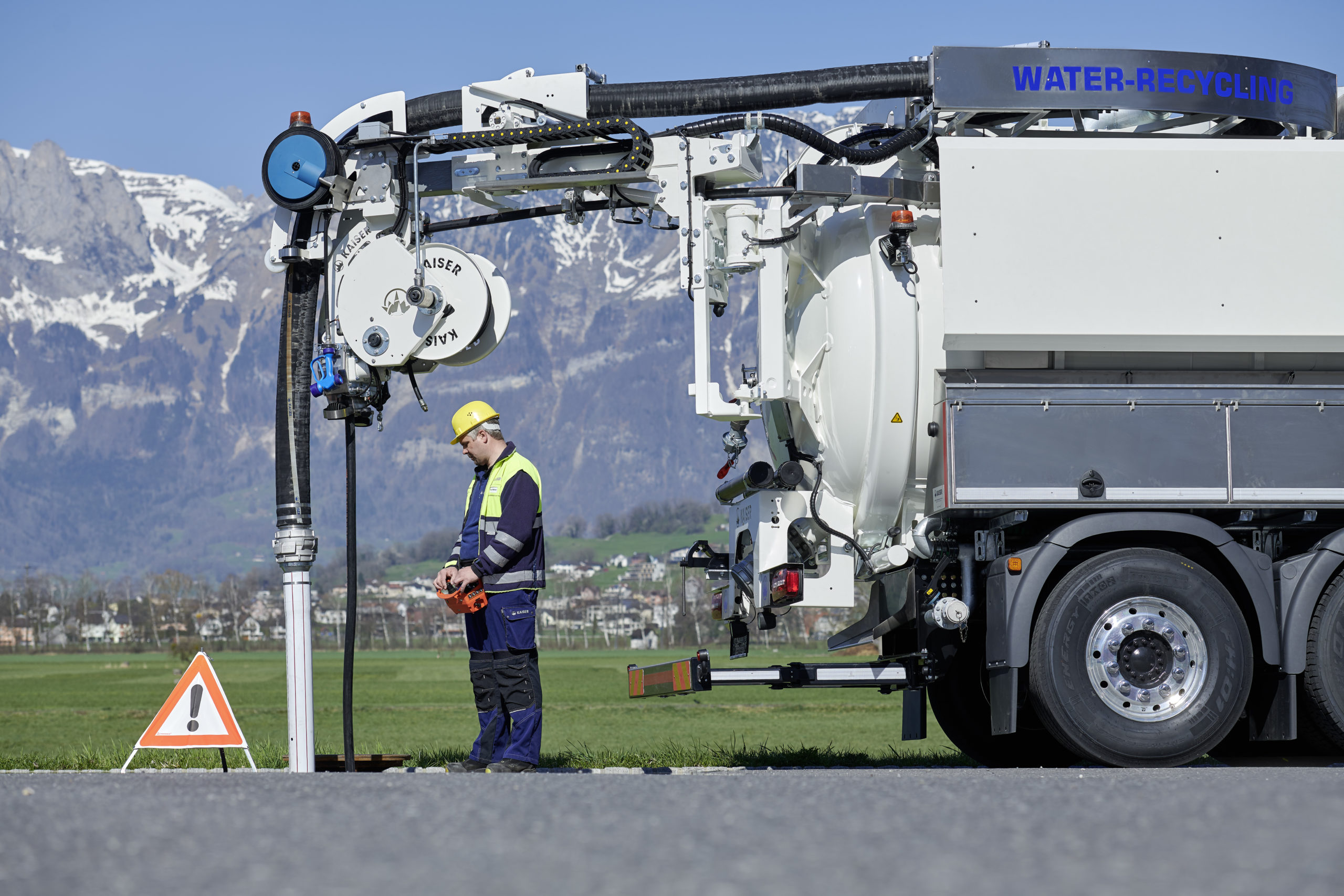
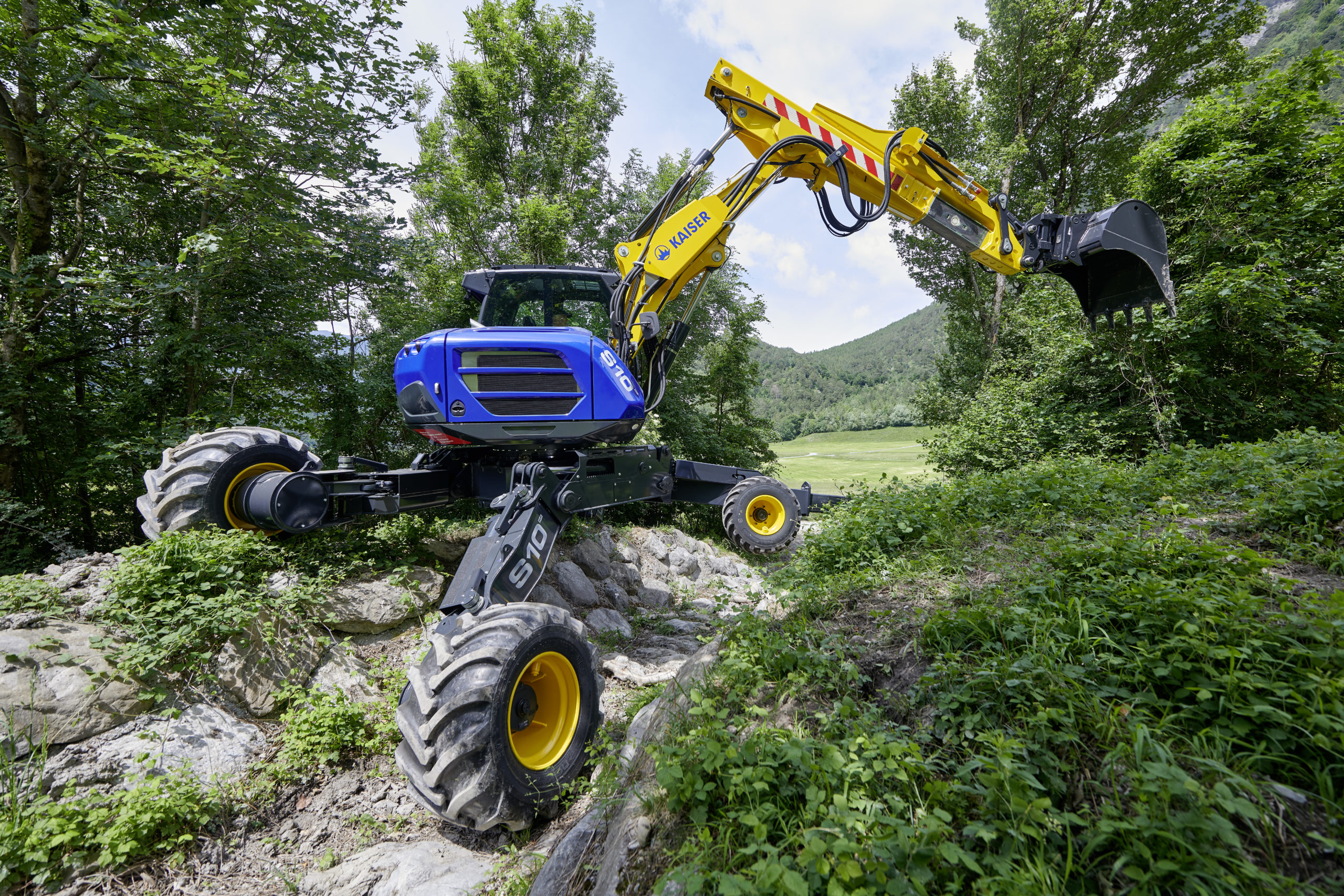
    Interview with Markus Kaiser, CEO, Kaiser Founded in 1913 in Schaanwald Liechtenstein, the family-run company Kaiser manufactures specialized vehicles for mission-critical tasks in sewer cleaning, industrial disposal, and mobile walking excavators. They also design highly specialized components, including customized high-pressure pumps which have consistently set a new standard within the industry. What drives you to…

  • Improving The World Through Disruptive Dental Innovation

    Improving The World Through Disruptive Dental Innovation

    How a revolutionary dental technology company is making millions of people smile Diego Gabathuler is a man on a mission to improve people’s lives and make them smile. The CEO of Ivoclar Vivadent, one of the world’s leading dental companies, is passionate about the life-changing effects of good oral health and a beautiful smile. It…

  • Castles Worthy Of A Fairy Tale

    Castles Worthy Of A Fairy Tale

    A cultural journey of discovery through quaint valleys and legendary castles As a year-round tourist destination, Liechtenstein offers a diverse mix of alpine scenery, outdoor pursuits, a rich blend of cultural attractions such as museums, galleries, and medieval castles worthy of a fairy tale. During winter, the snow-covered Alps attract thousands of skiers and snowboarders.…

  • A Stable Financial Center

    A Stable Financial Center

    Liechtenstein’s New Blockchain Act Opened New Opportunities Despite a worldwide reputation as center for finance and banking, the financial sector is not the country’s largest economic sector, and actually plays a smaller role in the national economy than factories. Since the founding of Liechtenstein’s first bank in 1861, the country’s financial sector has grown to…

  • A Robust Industrial Sector

    A Robust Industrial Sector

    Liechtenstein is heavily export-oriented, focuses on high-quality goods, and swiftly became one of the world’s most industrialized countries. For centuries, the tiny alpine nation with no natural resources relied on agriculture as its primary industry. However, following World War II, the country evolved into a modern, export-oriented society. During the intervening years, it has gone…

  • Thurgau: An Industrious Canton

    Thurgau: An Industrious Canton

    All the high-quality advantages of Switzerland, but with greater affordability In Northeastern Switzerland, bordering Zurich and within St.GallenBodenseeArea, lies the canton of Thurgau, one of the most cost-efficient business locations in the Swiss Confederation. The canton respects its agricultural history and capitalizes on its location in one of Europe’s strongest economic regions. Excellent transport links…

  • The Rising European Hub for Data Centers

    The Rising European Hub for Data Centers

    Zurich is quickly becoming one of Europe’s leading information technology hubs Rising demand for online services has driven new large-scale investments in data center infrastructure around the world, and generated the need for additional sophisticated cloud services. Several global hubs have continuously developed to meet evolving requirements. Switzerland is becoming increasingly interesting as a cloud…

  • The Future of Finance

    The Future of Finance

    Impact investing, blockchain, fintech, and cryptocurrencies The Swiss financial services sector continues to evolve as a new wave of financial institutions and trends are transforming the field. In addition to the adaptation of traditional Swiss financial services now ensuring transparency at the forefront, there has been a surge in socially responsible investing, blockchain technology, fintech,…

  • World Leader in Isolator Technology Stays One Step Ahead of the Innovation Curve

    World Leader in Isolator Technology Stays One Step Ahead of the Innovation Curve

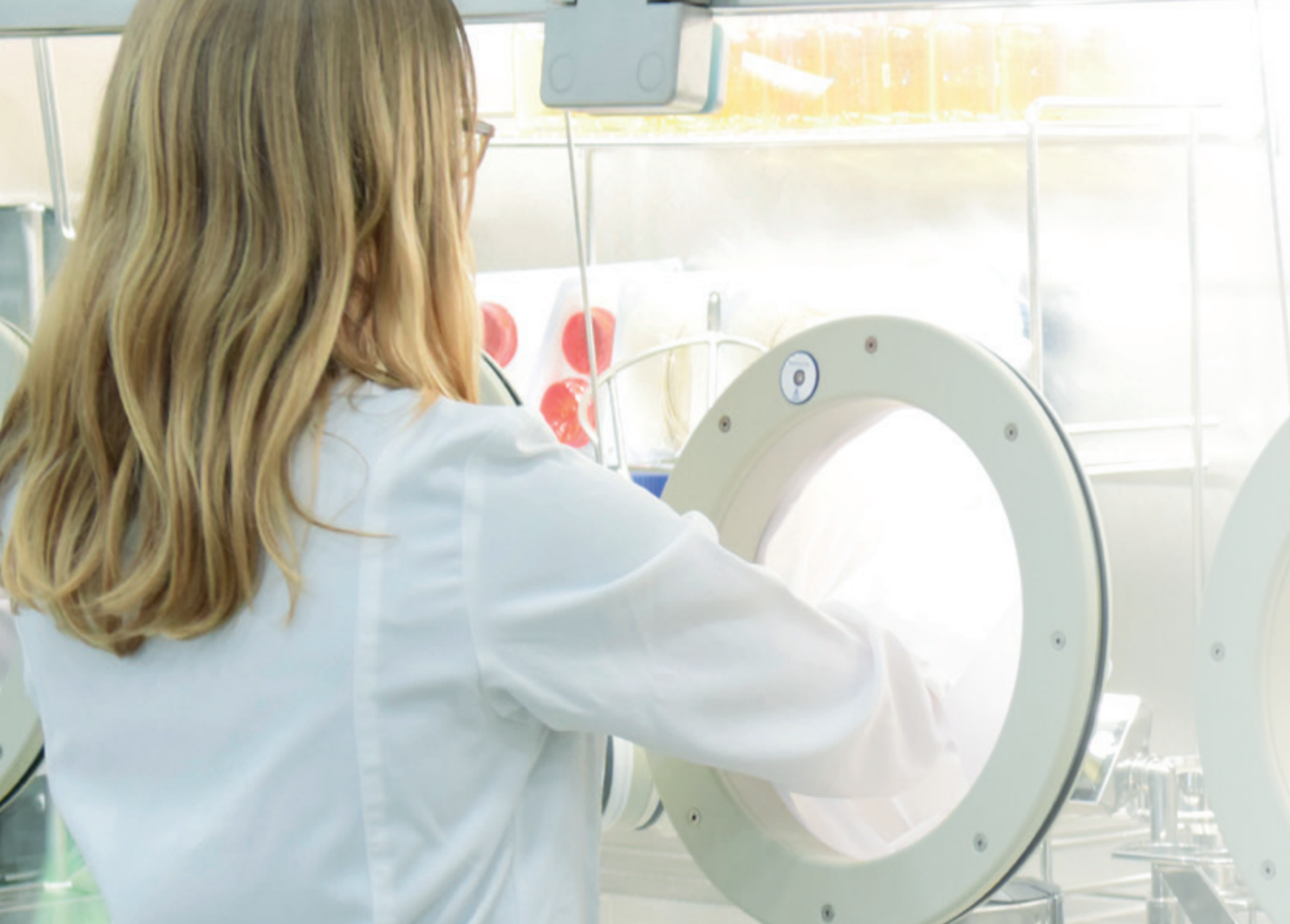
    Swiss technology continues to improve safety in pharmaceutical production The manufacturing of pharmaceuticals is a complex and high-stakes undertaking. Patient safety and product quality are of paramount importance. To mitigate manufacturing risks and improve safety, pharmaceutical manufacturers are opting for isolators instead of classic cleanrooms for aseptic production activities such as filling and formulation. An…

  • Swiss Ingenuity is Reshaping the Packaging Industry to Ensure Sustainability

    Swiss Ingenuity is Reshaping the Packaging Industry to Ensure Sustainability

    Innovative solutions foster new frontiers in digitalization, automation and sustainability Consumers worldwide have been challenging major corporations to “go green” and become more sustainable. The increasing pressure from influencers has encouraged major global brands to collaborate with their trusted suppliers and create sustainable products to reduce their companies’ environmental footprint. Through large investments in R&D,…

  • A Swiss Company Plows its Way to the Top of North American Markets

    A Swiss Company Plows its Way to the Top of North American Markets

    The ambitious growth plans of Aebi Schmidt Group The global powerhouse Aebi Schmidt Group sprang from humble beginnings in 1883 as a mechanical workshop in Burgdorf, Switzerland. Nearly 140 years later, Aebi Schmidt is now a leader in smart product systems and services for the treatment of mission-critical infrastructural and agricultural areas. Throughout the years,…

  • Swiss Packaging Pioneer Can Help the USA Overcome an Environmental Challenge

    Swiss Packaging Pioneer Can Help the USA Overcome an Environmental Challenge

    Environmental concerns are likely to return to the top of the USA’s political agenda following the election of Joe Biden as president. Biden pledged the USA would re-enter the Paris Climate Agreement, the global pact forged five years ago among nearly 200 nations to avoid the worst impacts of climate change, on “Day One” of…

  • Switzerland Plays a Decisive Role in the Coffee Sector

    Switzerland Plays a Decisive Role in the Coffee Sector

    Ancient legends from the 6th-century may shed light on coffee’s origins. As folklore would have us believe, Ethiopian goat herder Kaldi first noticed the benefits of coffee beans after his herd consumed coffee berries and became exceptionally energetic. News quickly spread regarding the beans, and various concoctions began to spread across the globe. Techniques for…

  • Industry 4.0

    Industry 4.0

    The Future of Manufacturing, Digitalization and Automation Industry 4.0 technologies were on the rise prior to the unprecedented impact of COVID-19. The crisis has accelerated long-established trends towards automation and data exchange in manufacturing, and rapidly pushed companies to adapt and evolve at a record pace. Factories, in particular, have been hotbeds of COVID-19 outbreaks,…

  • Innovative Swiss Businesses Tackle Global Challenges

    Innovative Swiss Businesses Tackle Global Challenges

    Few Americans recognize the name Oerlikon, yet millions benefit from the Swiss powerhouse’s innovative global technology and engineering solutions. Oerlikon is one of the leading providers of advanced materials, surface engineering, and polymer processing for the automotive, aerospace, energy, tooling, and additive manufacturing sectors. Every time an individual gets into a car or boards an…

  • Switzerland is one of the biggest industrial exporters per capita

    Switzerland is one of the biggest industrial exporters per capita

    For a small independent country with a population of 8.6 million, Switzerland has become a surprisingly strong industrial player with an ecosystem that is robust and competitive. Swiss industry represents over 25 percent of the country’s GDP, and is an important central component of the economy. A highly vigorous global production and research network compliments…

  • Innovative Swiss Medtech Solutions Reduce Complications

    Innovative Swiss Medtech Solutions Reduce Complications

    Just two decades ago patients undergoing medical procedures would face a long recovery period fraught with potential complications, associated pain, and a lengthy hospital stay. The medtech industry emerged from the union of medicine and technology and is a driving force of change and innovation. Healthcare has drastically transformed and evolved since the turn of…

  • Switzerland – a Medical Technology Hub

    Switzerland – a Medical Technology Hub

    Enabling Innovation for Medtech Worldwide Switzerland’s medical technology sector has a global footprint, impacting patients around the world. The country tops the rankings for the sector’s contribution to gross domestic product (GDP), with 2.6 percent of Swiss GDP stemming from medtech. With a rich history and reputation for precision technology expertise, Switzerland is well-poised to…

  • Developing a Holistic Approach to Healthcare Through Oral Care

    Developing a Holistic Approach to Healthcare Through Oral Care

    In the 18th century, before modern dentistry, the population relied on a local blacksmith or barber for teeth extraction. Since then, the field drastically evolved, and in no small part thanks to Zurich University, which was the first state institution in the world to offer a doctoral degree in dental medicine. Switzerland continues to contribute…

  • Life Science Cluster Expands Biotech Hub

    Life Science Cluster Expands Biotech Hub

    The Swiss capitalize on cross-border research to innovate The pharmaceutical sector is the country’s largest industry, representing 40 percent of exports. Exceptional leadership in research and development, combined with a robust education system, have derived impressive results. Switzerland attracts high-level talent, capital and partnerships from around the world. It has first-class technology, innovation park infrastructure,…

  • A Stable and Reliable Legal System

    A Stable and Reliable Legal System

    Switzerland’s trusted neutral legal framework allowed the country to develop into an international arbitration hub While Switzerland has a secure role as a gateway for American operations and foreign direct investment in Europe, the nation is going through a dramatic change in how it is perceived. While the tax regime is competitive at an international…

  • Switzerland – a Nation of Inventors and Innovators

    Switzerland – a Nation of Inventors and Innovators

    Switzerland Innovation Parks ensure the country remains the most innovative in the world For the last ten years, the World Intellectual Property Organization ranked Switzerland in the coveted top spot as the world’s most innovative country on their Global Innovation Index. Switzerland remains the country of inventors and innovators, with a record number of patent…

  • Science-Based Innovation: Increasing the Competitiveness of Swiss SMEs and Start-ups

    Science-Based Innovation: Increasing the Competitiveness of Swiss SMEs and Start-ups

    Tackling global challenges requiring a multi-disciplinary solution Switzerland is strengthening its approach to tackle some of the world’s greatest challenges with innovation, and in its pursuits the Swiss government builds on Innosuisse. Initiatives by companies like Quantum Integrity (helping to detect fake photos and videos quickly with its software), ClearSpace (tackling failed satellites and the…