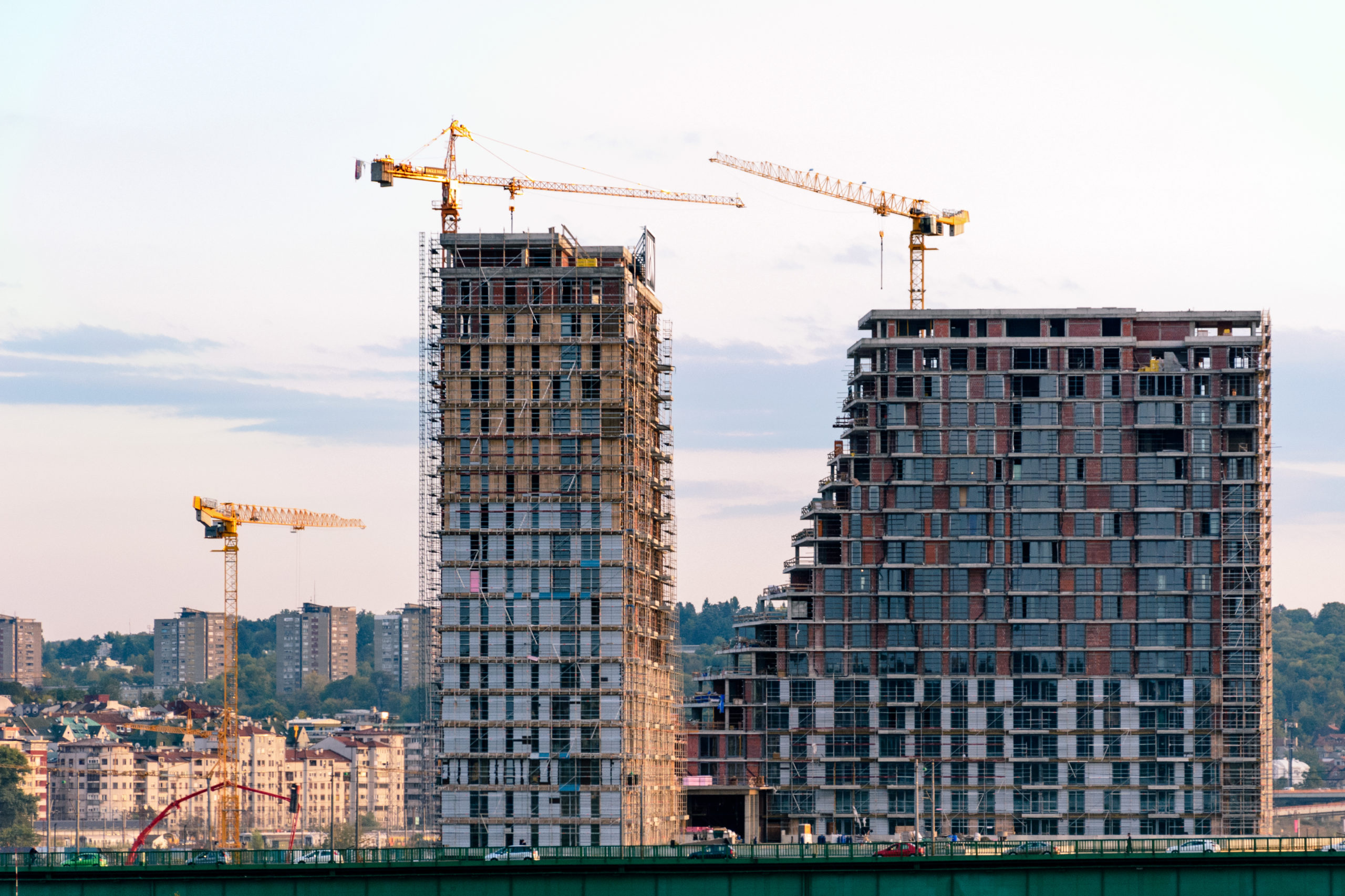
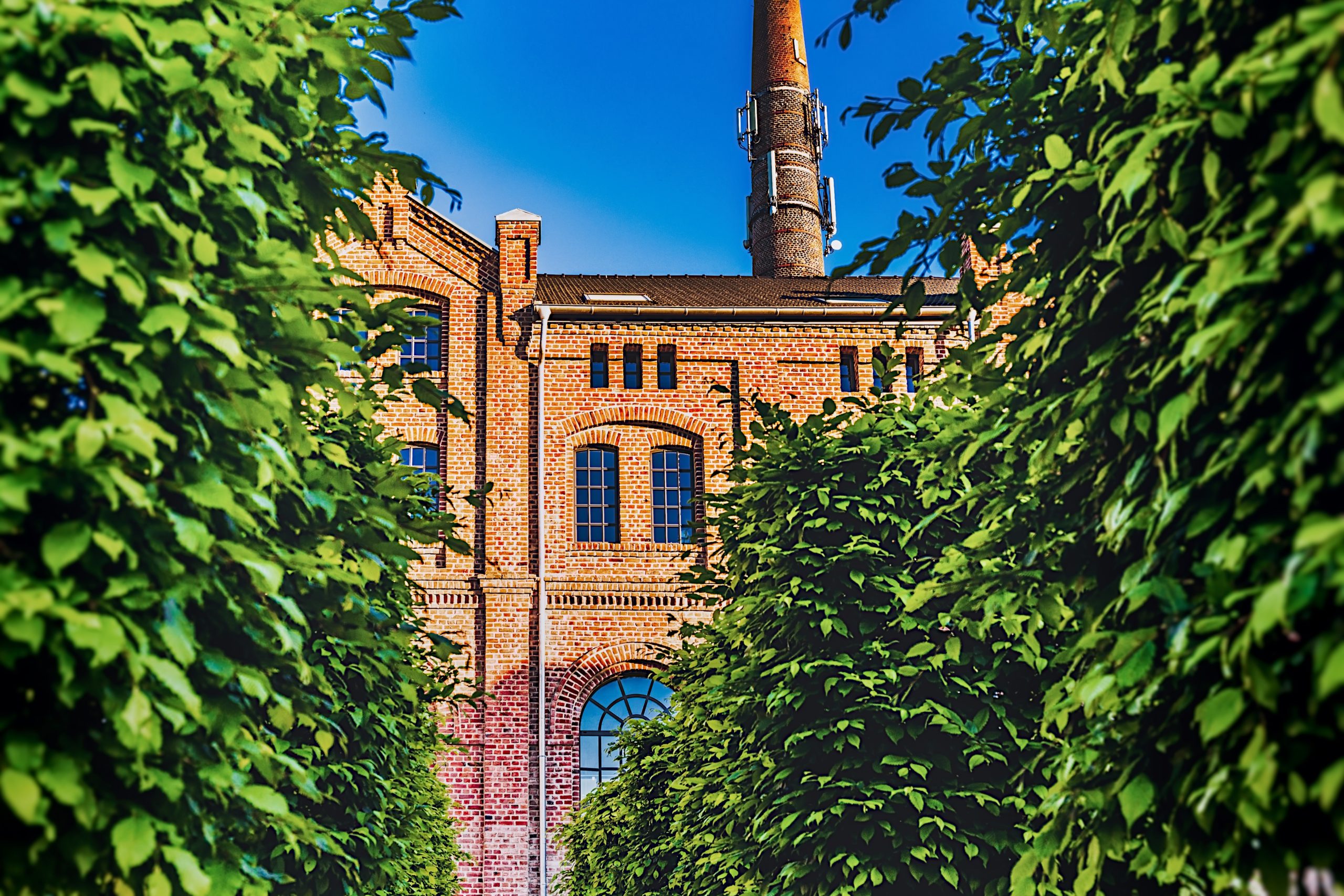
High Demand is Reshaping Edinburgh and Glasgow

Photo by Michael D Beckwith. Glasgow City Chambers, completed in 1888 and standing over George Square, remains one of the city’s most distinguished landmarks.

Scotland’s two main cities offer global connectivity that continues to draw investors, entrepreneurs, and new residents. Together, they account for more than one-third of Scotland’s economic output and serve as a key point of entry for foreign investment, with the Edinburgh–Glasgow corridor attracting some of the highest levels of international capital per capita in the UK. But in Scotland, opportunity isn’t limited to its two largest cities; increasingly, it’s found in the areas beyond them.

Edinburgh – the Capital City  

Edinburgh’s historic universities feed a steady pipeline of graduates. The city is becoming one of Europe’s fastest growing innovation districts. 

Tech incubators, with many startups, have sprouted where old printworks once stood. Edinburgh Innovations is the University of Edinburgh’s commercialization arm, tasked with turning academic research into real-world impact. It bridges world-class university laboratories and the global marketplace, helping researchers, students, and industry partners forge startups, license technology, and launch ventures. 

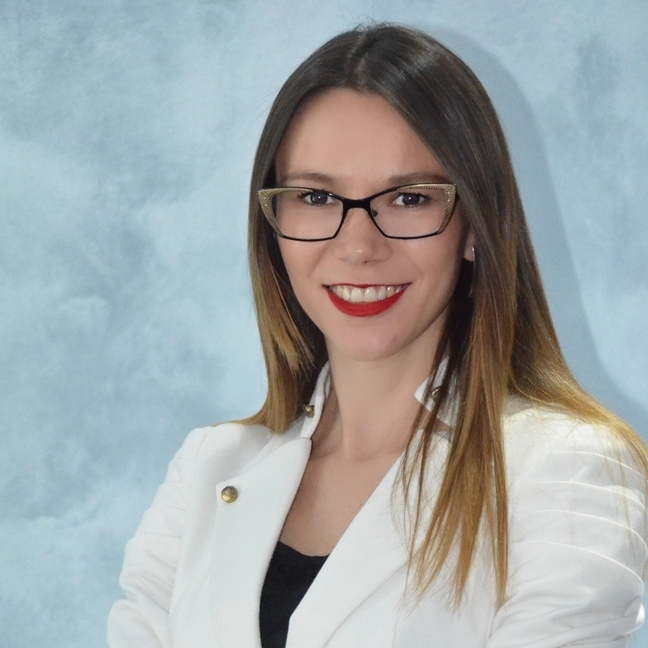
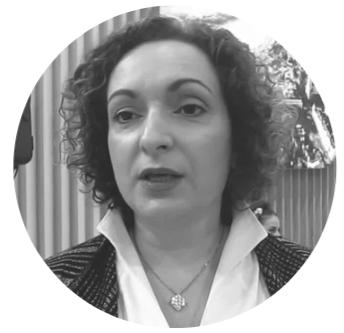
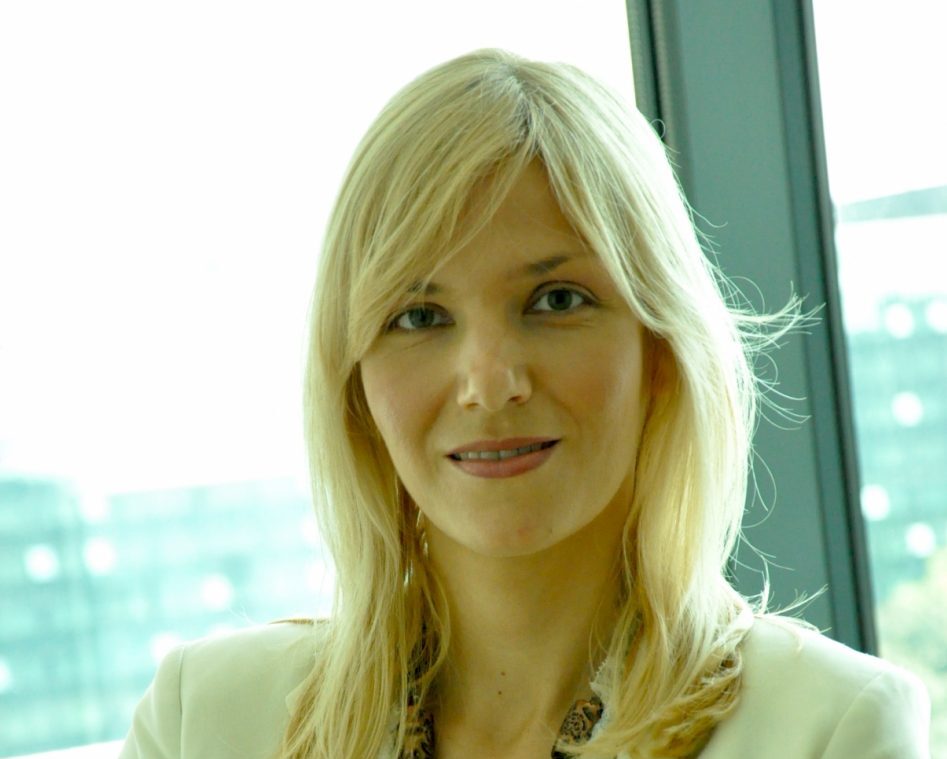
Dr. Andrea Taylor CEO, Edinburgh Innovations

Edinburgh Innovations CEO, Dr. Andrea Taylor, stated, “Our team works with academics from the earliest research stage, connecting them with industry and investors to turn ideas into scalable businesses. An example is Resolution Therapeutics, a company that is developing advanced cell therapies for liver disease. They moved from lab research to clinical trials within Edinburgh’s integrated BioQuarter. Edinburgh receives over £400 million in annual research funding and is a destination for high-impact ventures. Our strong links ensure that world-class research doesn’t just stay in the lab, but reaches markets worldwide.”

Sustainability is further shaping the city’s next chapter with aims to be a net-zero capital by 2030. Electric trams glide through cobblestone streets; rooftop gardens bloom above converted warehouses; and the Forth’s steady winds fuel the region’s renewable ambitions.

Yet Edinburgh’s appeal comes at a premium. As a tightly packed heritage city, Edinburgh finds itself balancing the preservation of its historic character with the growing demand for modern spaces. It has some of the highest housing costs in the UK, with average rents more than 40% higher than the Scottish average. Office space, too, commands higher rates, reflecting tight supply in a compact city where development is heavily regulated. 

Glasgow –  A City Forged in Creativity

Glasgow offers a different kind of economic strength. Once defined by heavy industry, the city transformed into a center for advanced manufacturing and the creative sectors. The city’s region hosts the Glasgow Riverside Innovation District as well as a thriving media cluster that includes major film and TV production. The University of Glasgow and the University of Strathclyde have active research ecosystems, drawing significant investment in health innovation, quantum technology, and engineering. Glasgow’s cost base remains lower than Edinburgh’s, though it, too, has seen rising demand. 

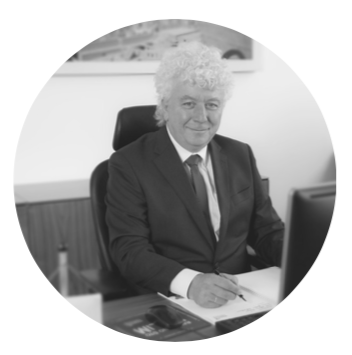
Susanne Millar, Chief Executive, Glasgow City Council

Susanne Millar, CEO of Glasgow City Council, said, “Glasgow has a rich heritage in engineering, economics, and innovation. Adam Smith is widely regarded as the father of modern economics and his Wealth of Nations endures as the seminal work on how society, politics, and commerce shape prosperity. He studied at the University of Glasgow. The city’s competitiveness is driven by its universities and academic strengths. Strathclyde University was founded as ‘the place of useful learning,’ and that ethos continues.” 

Millar added, “One recent investment in Glasgow is J.P. Morgan’s new, purpose-built facility, which opened last year. From there J.P. Morgan works on global technology systems, including AI transformation and productivity tools for software development. Glasgow is also the UK’s capital for space technology. Later this year Scotland will conduct its first sovereign rocket launch in the north of the country.”

The Regions Beyond

For foreign companies both cities offer advantages, but limited space is prompting investors to look toward nearby Scottish counties, where land is more readily available, homes are more spacious, and new development zones offer room to grow. Other regions are attractive alternatives, combining lower costs with access to the same national workforce and digital infrastructure.
More Articles

  • Egypt EU Trade relations improving

    Egypt EU Trade relations improving

    The European Union remains Egypt’s largest investors Three-quarters of foreign direct investment come from EU states, and trade represents a third of the country’s GDP. The has been constant EU assistance and partnership programs since 1998, which established stable relations between Egypt and the EU. The Association Agreement was the most effective agreement when it…

  • Interview: Mervat Sultan, Chairperson, Export Development Bank of Egypt (EBE)

    Interview: Mervat Sultan, Chairperson, Export Development Bank of Egypt (EBE)

    Export Development Bank of Egypt (EBE) was established for the purpose of boosting Egyptian exports. The Bank offers banking and financial services to encourage the export activities of the agricultural, industrial, commercial and services sectors. One of the main business lines and activities of the Bank is the Corporate Banking and Loan Syndication Activities.  How…

  • Interview: Ahmed Heikal, Managing Director, Qalaa Holdings

    Interview: Ahmed Heikal, Managing Director, Qalaa Holdings

    Qalaa Holdings is a leading private equity investment company in Egypt focusing in energy and infrastructure. Qalaa manages an investment portfolio consisting of 19 Opportunity-Specific Funds (OSFs). Its investments are distributed through 12 countries in the Middle Eastern and North African markets and span 14 industrial sectors. Qalaa Holdings is an African leader in energy and infrastructure.…
  • Interview: Mohammed Berro, Chief Executive Officer, Emirates NBD Egypt

    Interview: Mohammed Berro, Chief Executive Officer, Emirates NBD Egypt

    Emirates NBD Egypt is one of the largest banks operating in Egypt excels in premier banking and pioneers in digital banking. It is an essential stakeholder in financing mega infrastructure projects and development initiatives in Egypt. Emirates NBD Egypt is a wholly owned subsidiary of Emirates NBD Group, a leading banking group in the region.  …

  • United Nations Global Compact Profile

    United Nations Global Compact Profile

    Launched in 2000, the United Nations Global Compact (UNGC) is a global initiative that serves as a call to companies to align strategies and operations under the framework of the 10 UNGC Principles on Human Rights, Labor, Environment and Anti-corruption. Today with more than 9,500 business and 3,000 non-business organizations based in 160 countries and…

  • Interview: Lazar Petrović, CEO, Delta DMD

    Interview: Lazar Petrović, CEO, Delta DMD

    As a leading logistics distribution company, what key challenges need to be overcome in the region? Serbia is definitely a growing market and it is going to continue to be. I strongly believe that we are going to be a part of the European Union eventually. Especially for IT companies, Serbia is the best place…

  • Interview: Miroljub Jevtić, Director General, Infrastructure of Serbian Railway (IZS)

    Interview: Miroljub Jevtić, Director General, Infrastructure of Serbian Railway (IZS)

    How is Serbia’s railway transport segment evolving? Serbia’s railway infrastructure system in 2018 offers safe and reliable services. It is efficient and successfully caters to a growing segment. Overall, Serbia is investing nearly EUR 5 billion to improve the transport network. This can be seen very clearly within the railway sector. Serbia continues a series…

  • Interview: Violeta Šestic, Head of Local Economic Development Department, City of Šabac

    Interview: Violeta Šestic, Head of Local Economic Development Department, City of Šabac

    What makes Šabac a smart choice for investors? An interesting fact about the city of Šabac is that it was the first city in Serbia to meet the international standards ISO 9001:2000 which is a testament to our efficiency as an organization and our dedication to customer satisfaction.Besides, the City is a carrier of a…

  • Interview: Nemanja Aleksic, CEO and Managing Partner of the Aleksic and Associates Joint Law Office

    Interview: Nemanja Aleksic, CEO and Managing Partner of the Aleksic and Associates Joint Law Office

    How do you assess Serbia’s legal framework in 2018? The legal framework of Serbia in 2018 will be adapted to the process of accessing the European Union, with full commitment to the priority reforms necessary in this process. On April 29, 2008, Serbia signed the Stabilization and Association Agreement in Luxembourg, which, entered into force…

  • Interview: Zoran Blagojević, CEO,  Wiener Insurance Serbia

    Interview: Zoran Blagojević, CEO, Wiener Insurance Serbia

    How do you assess Serbia’s insurance sector? Western European markets average premiums around EUR 2 500 per capita, but in Serbia we are at EUR 100 per capita. These two figures show us a clear picture of the huge growth potential the insurance sector has within the Serbian market. There is a huge misunderstanding of…

  • Interview: Marija Labović, Acting Director, National Tourism Organisation of Serbia

    Interview: Marija Labović, Acting Director, National Tourism Organisation of Serbia

    How do you assess Serbia’s tourism industry? Demand is growing, and this is the trend for the last three years. In the last ten years we can see market change in favour of foreign visitors which are now making around 50% of total tourists. Three years ago domestic travellers started to travel again due to…

  • Interview: Radoš Gazdić, Acting Director General, Development Agency of Serbia (RAS)

    Interview: Radoš Gazdić, Acting Director General, Development Agency of Serbia (RAS)

    What are some of the key facts that all international investors should remember about Serbia? The key factor at this moment is the competitiveness of the labour force when comparing it to Europe. Serbia is increasingly becoming more attractive, first and foremost, because of the technical education of our labour force. It is one of…

  • Interview: Marko Čadež, President, Chamber of Commerce and Industry of Serbia (PKS)

    Interview: Marko Čadež, President, Chamber of Commerce and Industry of Serbia (PKS)

    What is the global perception of Serbia? Over the last five years investors saw straightforward and clear economic policies. This means fiscal consolidation, monetary stability and political stability. They have seen Serbia has a clear strategy. There is now a new perception on Serbia’s future. The perception is now quite good. Together with Montenegro, we…

  • Interview: Ingeborg Øfsthus, CEO, Telenor Serbia

    Interview: Ingeborg Øfsthus, CEO, Telenor Serbia

    How do you see Serbia’s telecommunication sector in 2018 and what key challenges do you foresee moving forward? The global telecommunications sector is going through a revolution, and that revolution is digitalization. The fact being the competition landscape is changing. It is hitting every single operator around the world in some way or form.  We are lucky…

  • Interview:  Zoran Petrović, CEO, Raiffeisen Bank Serbia

    Interview: Zoran Petrović, CEO, Raiffeisen Bank Serbia

    How do you assess Serbia’s economy? We expect Serbia’s economy in 2018 will be driven by a couple of factors. First of all, we believe it will be pushed by the consumptions of the citizens, the unemployment rate is going down, employment rate is going up, so we expect that also the banking sector continue…

  • Serbia: An impressive turnaround

    Serbia: An impressive turnaround

    Serbia aims to boost private sector-led growth through reforms. According to the estimates of the Statistical Office of the Republic of Serbia, the nations GDP in real terms increased by 1.9% in 2017. The International Monetary Fund estimates Serbia’s projected Real GDP growth for 2018 will reach 3.5%. Overview: Serbia has successfully stabilized its economic…

  • Serbia: Solid banks support growth

    Serbia: Solid banks support growth

    The sector is well-capitalized, liquid and harmonized with EU legislation Financial sector reforms have been pursued vigorously. Banks are on a sound footing and continue to support growth. The banking sector comprises over 90% of the total assets in the financial sector. Over the last several years significant restructuring has been undertaken to improve the…

  • Serbia: Tourism – Belgrade charm

    Serbia: Tourism – Belgrade charm

    Three million tourists visited Serbia in 2017 with MICE offering the largest opportunities.   Lacking a coastal line, Serbia has focused its touristic sector in the development of spas and ski resorts. They have been neglected for the past years, but thanks to recent private sector investors keen on developing their potential the sector is…

  • Serbia: Transport – Interconnecting Southeast Europe

    Serbia: Transport – Interconnecting Southeast Europe

    Mass investments aim to support and ease transit The sector is one of the fastest developing branches of the economy in Serbia. Value of ongoing projects in infrastructure is EUR 5 000 million. Needs for future transport plans is EUR 6 000 million. Serbia’s strategic location at the crossroads of European traffic Corridors offers great…

  • Country Profile: Serbia

    Country Profile: Serbia

    Regional integration – Western Balkan neighbors are increasing collaborations History: Serbia was shaped as a nation by the numerous external invasions it suffered; starting in the 4th century BC with the Celts overthrowing the Illyrians, the arrival of the Romans and the Slavs in the sixth century AD. A crucial event in AD 395 was when…

  • Serbia: Digitization – The ICT sector is growing faster than any other industry

    Serbia: Digitization – The ICT sector is growing faster than any other industry

    Serbia provides a cost-effective alternative to established markets for companies looking to outsource software engineering, offshore systems design and integration. Over 2 600 ICT companies operate in Serbia including a Microsoft development center. Serbs offer expertise, high-end IT development services and software development solutions in a highly completive global sector. Nearly 39 000 ICT professionals…

  • Serbia: The Balkan Industrial revolution

    Serbia: The Balkan Industrial revolution

    Serbia’s rich historical legacy lies in its strength as a regional manufacturing hub. This is furthermore supported by its extensive free trade agreements which allow duty-free exports to a market of more than 1 billion people. Some of these markets go much further than the European Union which is Serbia’s largest export market.  Serbia has…

  • Serbia: EU accession accelerating

    Serbia: EU accession accelerating

    Serbia is one of the most advanced countries in the process. Serbia is a small and open economy in South Eastern Europe. The nation’s development is considerably below the European average, while by growth it is one of the fastest developing countries in Europe. Growth potential in Serbia is tremendous in every segment of the economy.…

  • Interview: Zorana Ždrale Burlić, CEO, Delta Real Estate

    Interview: Zorana Ždrale Burlić, CEO, Delta Real Estate

    How do you assess Serbia’s real estate sector? We have definitely seen an increase in construction activity, the market is reviving, and we have seen increased demand for construction. We have seen a lot of investment activity. The market remains challenging in terms of a lot of issues surrounding real estate, not just bureaucracy but…