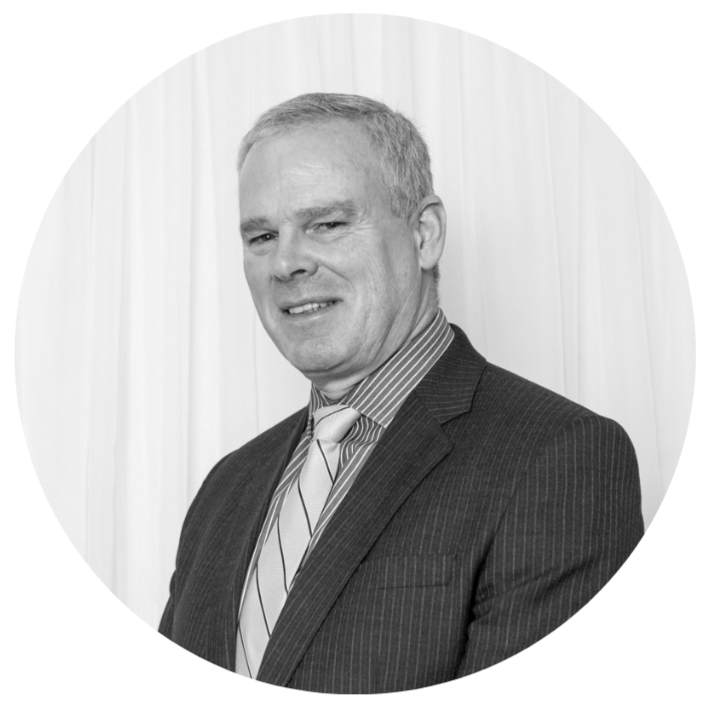
Interview: Maged Ezz Eldeen, Country Senior Partner, PwC Egypt

How have Egypt’s economic reforms affected the competitiveness of the economy?

Egypt’s unprecedented macroeconomic and business legislation reform measures are bearing positively on the country’s competitive standing. For the first time in eight years, Egypt’s ranking on the global competitiveness report witnessed a significant jump of 15 places in 2017. Underpinning this was a remarkable improvement in the public institutions and infrastructure indices, signaling the payoff of substantial public investments in recent years.

In less than two years, Egypt’s twin deficit (that of the current account and the government budget) has been successfully set on an improving trend, with an eliminated FX shortage,  international reserves have been replenished, and growth has resumed. The reform program, among other measures including the liberalization of the exchange rate, the lift on capital controls, the gradual removal of energy subsidies and the replacement of sales tax by a new VAT system while raising the tax rate have made Egypt increasingly competitive.  

Economic growth has accelerated, hinging on a more competitive external sector and an ambitious public infrastructure program. After being largely driven by consumption, GDP growth has recently been affected by other drivers including high levels of investments and exports. 

Despite a lower overall surplus in FY 2017/18 compared to the previous fiscal year, analysis of underlying Balance of Payments drivers for FY 2017/2018 revealed a significant shift, with a current account deficit contracting by more than 50%, driven by higher tourism receipts. This posted a 123.9% increase in FY 2017/18 compared to the previous year with remittance transfers which remain the highest contributor to current account increases, providing almost 35% of overall receipts. Reforms are also bearing positively on the country’s competitiveness; for the first time in eight years.

Moreover, Egypt has observed a positive outlook regarding its sovereign credit rating as depicted by Standard & Poors, Moody’s and Fitch. This change is as a result of declining government debt, increase in domestic gas production and improvement in macro fundamentals. 

Lastly, Egypt jumped eight places on the World Bank’s Doing Business 2019 report, as a result of implementing regulatory reforms that facilitate investment processes including starting a business, access to credit, protecting minority investors, bankruptcy protection and paying taxes.

How is the new investment law facilitating doing business and investment procedures?

The new Investment Law, passed in May 2017, offers foreign investors a plethora of financial, administrative and tax incentives in addition to safeguards to facilitate the investment process and to protect foreign investors. Some of these incentives include exemption from stamp tax, fees of notarization and registration of the Memorandum of Incorporation for five years from a company’s registration day. Investors are also exempted from contract fees for company registration and 2% on overall customs tax on the value of all imported machinery, equipment and devices required to set up companies. Moreover, to facilitate and encourage the development of various industries, foreign investors can import casts and molds to manufacture products with no customs duties that are to be re-exported after being introduced and implemented. In addition, investors are given discounts on investment projects made in Sectors A and B of 50% and 30% respectively. Sector A comprises of underdeveloped areas with a high level of poverty and unemployment rate in addition to zones such as the Suez Canal Economic Zone and the Golden Triangle Economic Zones. Sector B entails SMEs, renewable energy projects, tourism and infrastructure projects. These discounts aim to encourage development, reduce income inequality and create jobs. 

Furthermore, safeguards put in place involve ensuring similar treatment of foreign investors equal to that of national investors and granting them immediate residency in Egypt throughout the duration of their project. A particularly progressive safeguard is that investment projects cannot face nationalization, providing investors comfort towards the government. Foreign investors are also allowed to own an investment project, profit and transfer related profits without restrictions.

Most importantly, the unifying notion of the law is to cut bureaucracy, promote fair competition, combat antitrust practices and ensure transparency to ultimately make Egypt’s investment climate appealing to foreign investors. It is evident that Egypt is reaping the benefits of the new Investment Law through a promising rise in foreign direct investment by 15% in April 2018.

What role can PPP’s play in developing Egypt? 

PPPs are starting to provide a solution to promote job creation and develop the economy. The private sector benefits largely from this partnership by gaining legal protection while the government enjoys the benefits of maximizing value for money. This advantageous partnership has stimulated the economy by overcoming governmental challenges and providing the necessary expertise in Egypt’s infrastructural development from the private sector. PPPs in Egypt would play a significant role in the development of the economy. Egypt has an existing understanding of and has developed institutional and legal infrastructure for PPPs. In November, the government participated  The government participated in a significant international investors conference in December 2018 where it highlighted its intentions and future plans regarding PPPs and to promote their development, as the country falls short in such projects.

What should investors remember when deciding to invest in Egypt? 

Investors hugely benefit from a plethora of opportunities provided in Egypt; with a population of around 100 million, Egypt’s is by far the largest in the MENA region with an average annual growth of 2.56%. This provides a solid domestic consumption base providing an important buffer at times of global economic downturn. In addition, Egypt has a youthful and large labor force and presents a diverse economic base, with growth driven by many sectors. 

Egypt’s recent significant gas discoveries in the Mediterranean have further diversified its economy, in addition to making Egypt a key player on the global energy scene. The country’s solid infrastructure makes it attractive for investors as the smooth mobility of products and services is ensured both domestically and globally. Furthermore, Egypt is strategically located on the world map; it is on the crossroads between the Middle East and Far East from one side and Europe and the East Coast of the Americas on the other side. More importantly, the Suez Canal offers the shortest link between East and West for international trade.

The country’s recent policies are positioning it as a regional and global services, production and re-export hub creating jobs and economic growth by opening new markets for Egyptian products. They are simultaneously attracting FDI from corporations looking to harness Egypt’s unique basket of preferential trade agreements, highly competitive labor and utility costs, talent pool and proximity to key global markets. Together, these advantages make Egypt an ideal hub from which to export to Europe, the Arab world, the United States and Africa. With a thorough study of the new investment law and its executive regulations, investors can enjoy a smooth and facilitated investment process. 

Moreover, Egypt is a signatory to a vast number of multilateral trade agreements such as GAAT, GATS, PAFTA, and QIZ in addition to bilateral agreements with countries including Tunisia, Morocco, Libya, and Lebanon. These trade agreements present investors with a myriad of opportunities that position Egypt as a strategic trade hub. 

Meanwhile, investors could find many opportunities in Egypt’s outsourcing industry. In 2016, Egypt was shortlisted for the Outsourcing Destination of the Year globally by the European Outsourcing Association. The relatively high computer efficiency and multilingual skills of Egyptians sheds light on the 50 000 employed in offshore BPO and the 40 000 in regional outsourcing in 2015 alone in addition to the ICT sector contributing to 4.1% of GDP. This has positioned Egypt strategically to further attract BPO contracts making it a hub for outsourcing activities.

Lastly, Egypt has the largest education system in the MENA region at both the school and higher education levels. Egypt has observed a significant increase of 32% in enrollment rates over the last decade. Moreover, foreign investors could take advantage of the education opportunities as demand exceeds the current level of supply in Egypt’s Education sector.

 In what areas do you see opportunities to further develop Egypt’s consulting sector?

Management consulting can greatly contribute to boost the Egyptian economy and transform Egyptian companies making them more fit to compete against major multinational firms. With the global and regional know-how and industry insights that management consultants offer, Egyptian companies could become more globally competitive by incorporating international benchmarks of management. It is evident that the consulting sector could provide the economy with a source of foreign currency given the exportable nature of its lines of services. Moreover, the expansion of Egypt’s talent pool coupled with the cheap Egyptian pound is expected to attract foreign investment by making Egypt the country of choice for consulting services over other parts of MENA thereby putting Egypt on the global consulting map. Consultants are expected to introduce modernity to the economy which can be translated across sectors exemplified by Egypt and the UAE’s recent agreement to develop Egypt’s government services. This could further involve consultants from the GCC and Europe transmitting modern practices and solutions to various industries in Egypt. 

More Articles

  • Interview: Lars Van Der Haegen, CEO, Belimo

    Interview: Lars Van Der Haegen, CEO, Belimo

    Belimo is the leading global manufacturer of innovative actuators, valves and sensor solutions to control heating, ventilation and air conditioning systems. How do you assess Switzerland’s business ecosystem? Switzerland is an effective business location from an administration point of view. The business-friendly environment facilitates global networking and offers excellent access to the European market. An…

  • The Evolving Swiss Financial Services Sector

    The Evolving Swiss Financial Services Sector

    A new wave of financial institutions are transforming the field Previously notorious for offshore bank accounts, secret holdings and masked account holders, the Swiss financial services and banking sector has completely evolved, with transparency at the forefront. Switzerland now adheres to strict regulations, requiring institutions to disclose all assets held by American account holders. In…

  • IMD: leading the way in executive education

    IMD: leading the way in executive education

    A conversation with Professor Jean-François Manzoni, President of IMD and Nestlé Chaired Professor January 23, 2020 Switzerland is a small but unique country that punches above its weight in many categories including business, education and innovation.  One Swiss institution at the intersection of all three is the International Institute for Management Development (IMD), the partner…

  • Leading in Fundamental Scientific Research

    Leading in Fundamental Scientific Research

    Interview: Prof. Dr. Christian Leumann, Rector, University of Bern How do you assess Swiss education? Switzerland is known for its quality, and academia is no exception. Most Swiss universities are ranked within the top 1% globally. Switzerland’s education system has several advantages, including the dual education system, which allows the population to pursue different successful…

  • Strengthening Swiss-American Relations

    Strengthening Swiss-American Relations

    January 23, 2020 With informal conversations surrounding a free trade agreement, the bilateral relationship has much to gain What are the Swiss economy’s strengths? Switzerland has proven itself very resilient in the face of multiple global economic downturns. Our federal government has been working with a budget surplus for the past 12 years, before COVID-19,…

  • A Digital Backbone

    A Digital Backbone

    January 23, 2020 Switzerland as a nation is known as a trailblazer, having accomplished many firsts across a variety of sectors, including telecommunications. Switzerland is the world’s largest investor in telecommunications infrastructure per capita, thanks to the nation’s leading telecommunications provider, Swisscom.   Within the competitive telecommunications market, Swisscom has managed to retain its market…

  • Engineering Innovative Technologies

    Engineering Innovative Technologies

    Interview: Roland Fischer, CEO, Oerlikon Oerlikon creates new innovative solutions to tackle some of the world’s greatest challenges. With their engineering technology, they can give products improved and more desirable functions. These applications are specially designed for growth sectors, and utilized across various industries, including automotive, aerospace, energy, tooling and additive manufacturing.  Is global digitization…

  • Interview: Martin Sauter, CEO, Sauter Bachmann

    Interview: Martin Sauter, CEO, Sauter Bachmann

    Based in the Canton of Glarus lies Sauter Bachman, an indigenous family owned success story with nearly 100 years of history. The Swiss precision manufacturing company produces multifaceted high-quality gears, gearboxes and complex systems for customers in industry and aerospace. GE Aviation, Pratt Whitney and other USA clients rely on Sauter Bachman as a crucial…

  • Discover the Canton of Glarus

    Discover the Canton of Glarus

    A hidden gem in Switzerland, Glarus offers Swiss benefits at a cost advantage One hour outside Zurich lies the Canton of Glarus, a picturesque, business friendly industrial region within the Greater Zurich Area. It is home to award winning tourism destinations and wonders such as the geologic UNESCO world heritage site of the Tectonic Arena…

  • Interview: Gilbert Ghostine, CEO of Firmenich

    Interview: Gilbert Ghostine, CEO of Firmenich

    January 23, 2020 Founded in Geneva in 1895, Firmenich is the world’s largest privately-owned company in the perfume and taste business. It has designed many of the world’s best-known perfumes and tastes. The ingredients created by Firmenich are utilized by four billion consumers daily around the world. Firmenich invests 10% of its USD 3.7 billion…

  • The Future of Work

    The Future of Work

    January 23, 2020 A conversation with CEO of The Adecco Group, Alain Dehaze, who promises to continue to make the future work for everyone.  Switzerland is home to a unique labor market that has gained a world renowned reputation for excellence, innovation, and continues to surprise with its qualified youth. How has Switzerland fostered such…

  • Closing the innovation gap

    Closing the innovation gap

    Viewpoint: Marco Huwiler, Country Managing Director, Accenture Switzerland When the world economy catches a cold, Switzerland sneezes. Following weak global growth, Switzerland is feeling the sniffles, with stagnant GDP and a collapse in profitability in recent years. But there is wisdom in the old saying “starve a fever, feed a cold”. Companies with the courage…

  • Dublin’s Silicon Docks

    Dublin’s Silicon Docks

    The nickname alludes to Silicon Valley, and was embraced to illustrate the concentration of European headquarters of high-tech companies Dublin’s docklands were historically a symbol of industrial decline, but today is home to many multinationals including: Google, Accenture, Microsoft, PayPal, eBay, Facebook, Intel, Huawei, Etsy, Twitter, and LinkedIn. Ireland’s tech sector consists of nine of the top ten US technology companies, eight of…

  • Irish Produce Conquers Global Markets

    Irish Produce Conquers Global Markets

    The Irish agri-food sector is diversifying its markets and pioneered the approach to sustainable food production Agri-food is Ireland’s largest indigenous industry, employing over 8.4% of the working population, and when employment in marketing, processing and inputs are included, the agri-food sector accounts for nearly 10% of total employment. The sector largely contributes to the…

  • An Inside Look at Ireland’s Economic Growth

    An Inside Look at Ireland’s Economic Growth

    Ireland’s polished business ecosystem caters to foreign direct investment and nurtures innovation. The global footprint of Irish companies has never been greater Walking through the cobblestone streets of Dublin, the juxtaposition of modern buildings wedged between historic Georgian brick offices represents the tidal wave of change foreign direct investment has implemented across the nation. Growth…

  • The Midlands: Ireland’s Hidden Heartland

    The Midlands: Ireland’s Hidden Heartland

    Ireland’s Hidden Heartlands is the newest Irish tourism brand, exposing the magic of the midlands region. For over a century, Ireland has been on the top of Americans’ travel destinations, but only recently has the midlands been given the recognition it deserves. Often, investment will follow tourism, and Paddy Mahon, Chief Executive of Longford County…

  • Discover Meath: The Birthplace  of Ireland’s Ancient East

    Discover Meath: The Birthplace of Ireland’s Ancient East

    Meath County has a colorful history, stemming as the seat of the High King of Ireland, and as such has been colloquially dubbed “The Royal County.” It is home to the UNESCO designated World Heritage Site: Newgrange, an ancient burial site older than the Great Pyramids of Giza and Stonehenge. The County’s significance is also…

  • Cork: Ireland’s Second Largest Economic Driver

    Cork: Ireland’s Second Largest Economic Driver

    On track to be the fastest growing county over the next two decades Overlooking the colorful city with a winding river and emerald rolling hills surrounding the parameter, Chief Executive of Cork County Council, Tim Lucey, was proud to showcase his county. Cork is the largest county in Ireland, and home to the second most…

  • Manufacturing: Ireland’s Second Largest Employer

    Manufacturing: Ireland’s Second Largest Employer

    With the arrival of the Fourth Industrial Revolution, smart factories and innovative supply chain integration is transforming the manufacturing sector Manufacturing accounts for over 30% of GDP, 122 billion euro in exports, and employs 250,000 people across 4,000 businesses in Ireland.  “Manufacturing is not the first thing that comes to people’s minds when they think…

  • Project Ireland 2040

    Project Ireland 2040

    The Government’s National Planning Framework and National Development Plan Project Ireland 2040 entails a diverse range of investments being made by the State. This governmental 116 billion euro long-term overarching infrastructure strategy aims to counterbalance the continued growth of Dublin with that of other regions. It seeks to develop cities and regional towns as alternatives…

  • Solving Ireland’s Mobility Challenges

    Solving Ireland’s Mobility Challenges

    Anyone visiting Ireland will notice a deficit in transport infrastructure services, impacting mobility for residents and tourists. Dublin remains one of the last major European capitals lacking a rail connection between downtown and the main international airport. Also, the interconnectivity and reliability of city trains, trams, and bus networks are lagging. However, there is a…

  • An Irish Adventure Awaits

    An Irish Adventure Awaits

    Low hangingclouds sweep across a completely still lake. The water reflects a colorful mountain range. With only the sound of a tussle of leaves blowing in the wind, and a breath of fresh country air, you know – this is Ireland. From the warm welcome on arrival, Irish taxi drivers are well-known for being excellent…

  • Dublin: A Melting Pot

    Dublin: A Melting Pot

    Ireland’s first Japanese restaurant celebrates Dublin’s vibrant demographics Derek and Graham Ryan, Group Founder and Director of award-winning, Yamamori Group restaurants and bars, have firsthand witnessed the evolution of Dublin becoming a global melting pot. With nearly 25 years since the original restaurant’s opening, the Group now delivers unique culinary adventures across three thriving restaurants…

  • Interview: Ciarán Hayes, Chief Executive, Sligo County Council

    Interview: Ciarán Hayes, Chief Executive, Sligo County Council

    Sligo Witnessing Unprecedented Investment Ireland’s new hub for innovation? Sligo is not only a stunning location for tourism, but also a highly practical destination for business, with attractive incentives, high levels of infrastructure, and the ambition to become a ‘smart city.’  What is Sligo’s track record for attracting multinationals?  Sligo has an established track record of…