The Future of Finance

Impact investing, blockchain, fintech, and cryptocurrencies

The Swiss financial services sector continues to evolve as a new wave of financial institutions and trends are transforming the field. In addition to the adaptation of traditional Swiss financial services now ensuring transparency at the forefront, there has been a surge in socially responsible investing, blockchain technology, fintech, and cryptocurrencies, all of which are revolutionizing the field.

Although the absolute contribution of financial services in Switzerland has fallen over the last ten years in relation to the country’s GDP, the financial and banking sectors remain key elements of the Swiss economy. Switzerland has sustained its position as a world leader in wealth and asset management, and the sector plays a vital role in contributing to Switzerland’s international top competitiveness ranking, serving as a catalyst for both economic and sustainable development.

Investing for a better world

For centuries, socially conscious investors avoided investing in “sin industries,” but in the 1960s there was a shift to not only actively avoiding, but rather investing towards positive initiatives, such as civil rights and equality. Over the decades, there has been phenomenal growth in impact investing, including a 270 percent increase in ESG (environmental, social and governance) assets since 2012.

Impact investments in particular have rapidly grown and continue to attract investors opting for both solid financial returns and the promise for positive change with their investments going towards measurable impact for society and the environment. The Global Impact Investing Network estimates the current market to be worth USD 715 billion. These targeted investments have a massive impact on the globe, helping to tackle some of the world’s foremost challenges, such as climate change and poverty. The International Finance Corporation, a member of the World Bank Group, estimates this field has the potential to grow to USD 26 trillion. The Swiss Sustainable Finance Association stated that impact investing is worth nearly CHF 55 billion in Switzerland, which is quite small relative to the CHF 1.16 trillion Swiss market for sustainable finance, but likely to increase moving forward. 

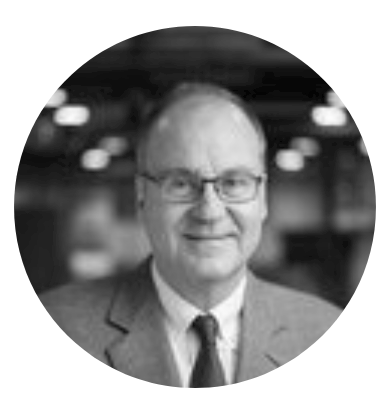
“Switzerland remains the world’s largest financial center for cross-border private wealth management, and continues to evolve as trends are changing.”

Patrick Odier, Managing Partner of Lombard Odier Group

According to Patrick Odier, Managing Partner of Lombard Odier Group, one of the biggest players in the Swiss banking sector, “The Swiss live by several golden rules. One of them is not to spend more than you earn. This has ensured the nation developed a solid financial base to grow. Switzerland remains the world’s largest financial center for cross-border private wealth management, and continues to evolve as trends are changing. The power of investing and traditional charitable giving are strategically combined to achieve the highest impact possible. The lines between philanthropy and investing for impact are becoming increasingly blurred.”

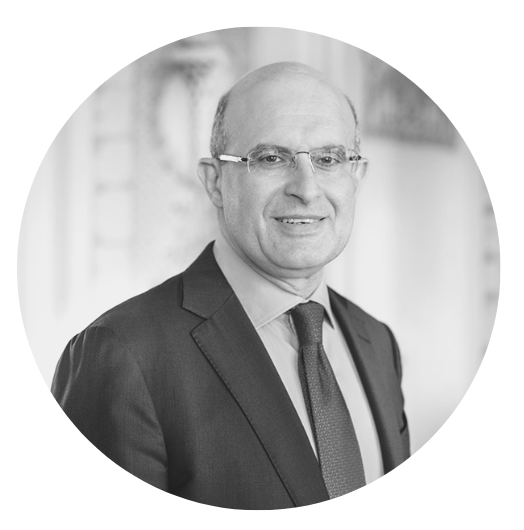
Renaud de Planta, Senior Partner of Pictet Group, a Swiss multinational private bank and financial services company founded in Switzerland, and now one of the leading European independent wealth and asset managers, said, “The next generation of Swiss financial services will build on Switzerland’s existing strengths of financial solidity and services mindset. A rising number of young investors seek socially responsible investments, and they should trust Swiss providers who have a track record in creating new asset classes and pioneering complex products. The new generation of Swiss providers are building new products with sustainable and responsible investment strategies in fields including micro-financing and clean water.”

Demystifying blockchain, fintech and cryptocurrencies

Institutional and personal investors are seeking to diversify their portfolios not only through impact investing, but also revamp their portfolios and join the growing trend for blockchain technologies, fintech and cryptocurrencies. Switzerland is well-known as a vital hub for innovation in the financial services sector. Switzerland’s fintech sector is flourishing as transformative developments are on the rise from the emerging digitalization of banking and finance. The crypto and blockchain industries are Switzerland’s most developed fintech segments, and continue to develop new models, enhance efficiency, and in some categories, reposition traditional banking all together.

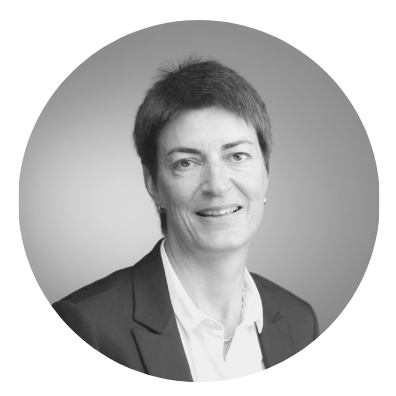
Päivi Rekonen, Chair of the Board of Directors, SEBA Bank

The Canton of Zug, nicknamed “Crypto Valley,” is a hotbed for cryptocurrencies and blockchain technologies. Zug has ambitions to become the global capital of cryptocurrencies and fintech, and establish itself as the world’s leading blockchain ecosystem. The Swiss fintech sector has several hundred companies, and a significant proportion of them are working within the field of Distributed Ledger Technology.

“Switzerland has positioned itself as a thought leader in the fields of digital assets and digital currencies.”

Päivi Rekonen, Chair of the Board of Directors, SEBA Bank

Päivi Rekonen, Chair of the Board of Directors of SEBA Bank stated, “Switzerland has positioned itself as a thought leader in the fields of digital assets and digital currencies. Switzerland’s regulatory framework is crypto friendly, and we have an excellent ecosystem for blockchain technologies to thrive, grow and take shape. Swiss companies utilize technology as an enabler for business transformation. In order to achieve transformation, it requires a certain skill set, competency, attitude, and strength. Switzerland has an exceptional talent pool well equipped with the skills necessary to innovative.”

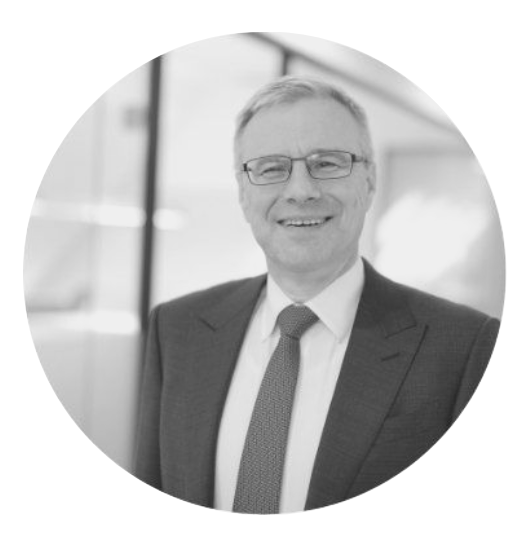
Guido Bühler, CEO of SEBA Bank added, “A lot of innovation is driven out of Switzerland. On the digital currency side, this segment has been growing year-on-year by 350 percent. With regards to digital assets, Swiss Parliament approved new regulations for Blockchain and Distributed Ledger Technology, with the goal for the new legal framework to increase Switzerland’s reputation as a leading, innovative and sustainable location for fintech and blockchain companies. This will go into effect on February 1, 2021, and become fully implemented by August, 2021.”

Guido Bühler, CEO, SEBA Bank

SEBA Bank is a trailblazer in the field, and bridges the gap between old and new, merging the worlds of traditional banking with crypto banking. The entity is setting new standards for transparency, performance and safety. As a fully licensed and regulated Swiss bank, it provides secure and user-friendly methods for managing traditional assets and digital assets. It allows clients to secure, trade and manage cryptocurrencies, digital assets and conventional securities under the same roof. Their services include custody storage, trading and liquidity management, asset and wealth management, transaction banking, and tokenization. The company is redefining finance, and ensuring Switzerland maintains its footing as an innovative powerhouse. 

“Investors want to have someone they trust taking care of their assets. As a fully regulated bank, SEBA Bank is reliable and trustworthy. If there is a token issued by SEBA Bank, you know that this token is representing a real asset, such as real estate or gold, and the execution of that token is guaranteed,” stated Rekonen.

Bühler stated, “We are the first bank with such a comprehensive service range combining traditional, digital and crypto assets worldwide. SEBA Crypto Asset Select Index (SEBAX®), is our next generation index. It addresses common pitfalls of traditional market-weighted indices and improves diversification significantly by representing between five to eight main cryptocurrencies at once and balances them. Our index has beaten all of the main benchmarks. It was introduced on July 4, 2019, and we are incredibly proud of its performance thus far. Compared to competitors, SEBAX® has a fifty percent lower cost ratio. It is a smart and reliable gateway into the crypto market.” 

He continued, “In Switzerland, there is currently not a specific digital asset exchange, and this is something lagging. However, SEBA Bank’s tokenization platform can make liquidity available from its services and products until there is an exchange in Switzerland. We will launch the Swiss Franc Stablecoin, which is linked one-to-one to the Swiss franc. Currently, if you hold Swiss franc in a bank, you have to pay negative interest rates. SEBA Bank will offer an alternative. We will pay approximately half a percent in interest for our holders. We will be launching several new innovative tokens next year, watch this space! People across the world will soon start to realize that blockchain technologies allow for a new toolset, creating value for investors and those seeking liquidity.”

“Swiss Parliament approved new regulations for Blockchain and Distributed Ledger Technology, with the goal for the new legal framework to increase Switzerland’s reputation as a leading, innovative and sustainable location for fintech and blockchain companies.”

Guido Bühler, CEO, SEBA Bank

SEBA Bank has hit a frontier, and is closing the gap between the digital asset world and traditional banking. With growth plans, Rekonen and Bühler envision SEBA Bank becoming a global leader in integrated digital banking, and offering people across the world access to their financial instruments to improve daily lives, acting as an amplifier of wealth and knowledge. 

Rekonen mentioned, “At SEBA Bank, we have innovative ideas in the pipeline, and are gathering partners to further develop these initiatives, but it is also important to make sure the market is ready for these new ideas. As of now, the mass market isn’t quite there yet. However, we are working to demystify this and help society at large understand this new trend through SEBAversity, an integral part of SEBA Bank whose mission is to educate, increase awareness and understanding of the digital economy. With Switzerland’s historic financial services industry and innovative mindset, and the growth of digital assets and currencies, SEBA Bank is playing an important role in the middle of these two worlds.”

Bühler added, “We are funneling macroeconomic and social trends into products, with the end goal to make the world a better place.” SEBA Bank is well poised to capture more growth and enable individuals, companies and institutional clients to invest safely, keep, trade and borrow against digital and traditional assets.

More Articles

  • Interview: Lars Van Der Haegen, CEO, Belimo

    Interview: Lars Van Der Haegen, CEO, Belimo

    Belimo is the leading global manufacturer of innovative actuators, valves and sensor solutions to control heating, ventilation and air conditioning systems. How do you assess Switzerland’s business ecosystem? Switzerland is an effective business location from an administration point of view. The business-friendly environment facilitates global networking and offers excellent access to the European market. An…

  • The Evolving Swiss Financial Services Sector

    The Evolving Swiss Financial Services Sector

    A new wave of financial institutions are transforming the field Previously notorious for offshore bank accounts, secret holdings and masked account holders, the Swiss financial services and banking sector has completely evolved, with transparency at the forefront. Switzerland now adheres to strict regulations, requiring institutions to disclose all assets held by American account holders. In…

  • IMD: leading the way in executive education

    IMD: leading the way in executive education

    A conversation with Professor Jean-François Manzoni, President of IMD and Nestlé Chaired Professor January 23, 2020 Switzerland is a small but unique country that punches above its weight in many categories including business, education and innovation.  One Swiss institution at the intersection of all three is the International Institute for Management Development (IMD), the partner…

  • Leading in Fundamental Scientific Research

    Leading in Fundamental Scientific Research

    Interview: Prof. Dr. Christian Leumann, Rector, University of Bern How do you assess Swiss education? Switzerland is known for its quality, and academia is no exception. Most Swiss universities are ranked within the top 1% globally. Switzerland’s education system has several advantages, including the dual education system, which allows the population to pursue different successful…

  • Strengthening Swiss-American Relations

    Strengthening Swiss-American Relations

    January 23, 2020 With informal conversations surrounding a free trade agreement, the bilateral relationship has much to gain What are the Swiss economy’s strengths? Switzerland has proven itself very resilient in the face of multiple global economic downturns. Our federal government has been working with a budget surplus for the past 12 years, before COVID-19,…

  • A Digital Backbone

    A Digital Backbone

    January 23, 2020 Switzerland as a nation is known as a trailblazer, having accomplished many firsts across a variety of sectors, including telecommunications. Switzerland is the world’s largest investor in telecommunications infrastructure per capita, thanks to the nation’s leading telecommunications provider, Swisscom.   Within the competitive telecommunications market, Swisscom has managed to retain its market…

  • Engineering Innovative Technologies

    Engineering Innovative Technologies

    Interview: Roland Fischer, CEO, Oerlikon Oerlikon creates new innovative solutions to tackle some of the world’s greatest challenges. With their engineering technology, they can give products improved and more desirable functions. These applications are specially designed for growth sectors, and utilized across various industries, including automotive, aerospace, energy, tooling and additive manufacturing.  Is global digitization…

  • Interview: Martin Sauter, CEO, Sauter Bachmann

    Interview: Martin Sauter, CEO, Sauter Bachmann

    Based in the Canton of Glarus lies Sauter Bachman, an indigenous family owned success story with nearly 100 years of history. The Swiss precision manufacturing company produces multifaceted high-quality gears, gearboxes and complex systems for customers in industry and aerospace. GE Aviation, Pratt Whitney and other USA clients rely on Sauter Bachman as a crucial…

  • Discover the Canton of Glarus

    Discover the Canton of Glarus

    A hidden gem in Switzerland, Glarus offers Swiss benefits at a cost advantage One hour outside Zurich lies the Canton of Glarus, a picturesque, business friendly industrial region within the Greater Zurich Area. It is home to award winning tourism destinations and wonders such as the geologic UNESCO world heritage site of the Tectonic Arena…

  • Interview: Gilbert Ghostine, CEO of Firmenich

    Interview: Gilbert Ghostine, CEO of Firmenich

    January 23, 2020 Founded in Geneva in 1895, Firmenich is the world’s largest privately-owned company in the perfume and taste business. It has designed many of the world’s best-known perfumes and tastes. The ingredients created by Firmenich are utilized by four billion consumers daily around the world. Firmenich invests 10% of its USD 3.7 billion…

  • The Future of Work

    The Future of Work

    January 23, 2020 A conversation with CEO of The Adecco Group, Alain Dehaze, who promises to continue to make the future work for everyone.  Switzerland is home to a unique labor market that has gained a world renowned reputation for excellence, innovation, and continues to surprise with its qualified youth. How has Switzerland fostered such…

  • Closing the innovation gap

    Closing the innovation gap

    Viewpoint: Marco Huwiler, Country Managing Director, Accenture Switzerland When the world economy catches a cold, Switzerland sneezes. Following weak global growth, Switzerland is feeling the sniffles, with stagnant GDP and a collapse in profitability in recent years. But there is wisdom in the old saying “starve a fever, feed a cold”. Companies with the courage…

  • Dublin’s Silicon Docks

    Dublin’s Silicon Docks

    The nickname alludes to Silicon Valley, and was embraced to illustrate the concentration of European headquarters of high-tech companies Dublin’s docklands were historically a symbol of industrial decline, but today is home to many multinationals including: Google, Accenture, Microsoft, PayPal, eBay, Facebook, Intel, Huawei, Etsy, Twitter, and LinkedIn. Ireland’s tech sector consists of nine of the top ten US technology companies, eight of…

  • Irish Produce Conquers Global Markets

    Irish Produce Conquers Global Markets

    The Irish agri-food sector is diversifying its markets and pioneered the approach to sustainable food production Agri-food is Ireland’s largest indigenous industry, employing over 8.4% of the working population, and when employment in marketing, processing and inputs are included, the agri-food sector accounts for nearly 10% of total employment. The sector largely contributes to the…

  • An Inside Look at Ireland’s Economic Growth

    An Inside Look at Ireland’s Economic Growth

    Ireland’s polished business ecosystem caters to foreign direct investment and nurtures innovation. The global footprint of Irish companies has never been greater Walking through the cobblestone streets of Dublin, the juxtaposition of modern buildings wedged between historic Georgian brick offices represents the tidal wave of change foreign direct investment has implemented across the nation. Growth…

  • The Midlands: Ireland’s Hidden Heartland

    The Midlands: Ireland’s Hidden Heartland

    Ireland’s Hidden Heartlands is the newest Irish tourism brand, exposing the magic of the midlands region. For over a century, Ireland has been on the top of Americans’ travel destinations, but only recently has the midlands been given the recognition it deserves. Often, investment will follow tourism, and Paddy Mahon, Chief Executive of Longford County…

  • Discover Meath: The Birthplace  of Ireland’s Ancient East

    Discover Meath: The Birthplace of Ireland’s Ancient East

    Meath County has a colorful history, stemming as the seat of the High King of Ireland, and as such has been colloquially dubbed “The Royal County.” It is home to the UNESCO designated World Heritage Site: Newgrange, an ancient burial site older than the Great Pyramids of Giza and Stonehenge. The County’s significance is also…

  • Cork: Ireland’s Second Largest Economic Driver

    Cork: Ireland’s Second Largest Economic Driver

    On track to be the fastest growing county over the next two decades Overlooking the colorful city with a winding river and emerald rolling hills surrounding the parameter, Chief Executive of Cork County Council, Tim Lucey, was proud to showcase his county. Cork is the largest county in Ireland, and home to the second most…

  • Manufacturing: Ireland’s Second Largest Employer

    Manufacturing: Ireland’s Second Largest Employer

    With the arrival of the Fourth Industrial Revolution, smart factories and innovative supply chain integration is transforming the manufacturing sector Manufacturing accounts for over 30% of GDP, 122 billion euro in exports, and employs 250,000 people across 4,000 businesses in Ireland.  “Manufacturing is not the first thing that comes to people’s minds when they think…

  • Project Ireland 2040

    Project Ireland 2040

    The Government’s National Planning Framework and National Development Plan Project Ireland 2040 entails a diverse range of investments being made by the State. This governmental 116 billion euro long-term overarching infrastructure strategy aims to counterbalance the continued growth of Dublin with that of other regions. It seeks to develop cities and regional towns as alternatives…

  • Solving Ireland’s Mobility Challenges

    Solving Ireland’s Mobility Challenges

    Anyone visiting Ireland will notice a deficit in transport infrastructure services, impacting mobility for residents and tourists. Dublin remains one of the last major European capitals lacking a rail connection between downtown and the main international airport. Also, the interconnectivity and reliability of city trains, trams, and bus networks are lagging. However, there is a…

  • An Irish Adventure Awaits

    An Irish Adventure Awaits

    Low hangingclouds sweep across a completely still lake. The water reflects a colorful mountain range. With only the sound of a tussle of leaves blowing in the wind, and a breath of fresh country air, you know – this is Ireland. From the warm welcome on arrival, Irish taxi drivers are well-known for being excellent…

  • Dublin: A Melting Pot

    Dublin: A Melting Pot

    Ireland’s first Japanese restaurant celebrates Dublin’s vibrant demographics Derek and Graham Ryan, Group Founder and Director of award-winning, Yamamori Group restaurants and bars, have firsthand witnessed the evolution of Dublin becoming a global melting pot. With nearly 25 years since the original restaurant’s opening, the Group now delivers unique culinary adventures across three thriving restaurants…

  • Interview: Ciarán Hayes, Chief Executive, Sligo County Council

    Interview: Ciarán Hayes, Chief Executive, Sligo County Council

    Sligo Witnessing Unprecedented Investment Ireland’s new hub for innovation? Sligo is not only a stunning location for tourism, but also a highly practical destination for business, with attractive incentives, high levels of infrastructure, and the ambition to become a ‘smart city.’  What is Sligo’s track record for attracting multinationals?  Sligo has an established track record of…