An Irish Adventure Awaits

Low hangingclouds sweep across a completely still lake. The water reflects a colorful mountain range. With only the sound of a tussle of leaves blowing in the wind, and a breath of fresh country air, you know – this is Ireland.

From the warm welcome on arrival, Irish taxi drivers are well-known for being excellent ambassadors to the country. Happy to help with “must sees” and local tips, international travelers witness first-hand the famous hospitality of the Irish within moments of stepping outside of the airport. The Irish are charming, friendly, and relatively laid back. Get ready to lose yourself in Ireland’s gorgeous landscapes, bustling cities, and treasures abound.

Although the sun might be hiding during the duration of a visitor’s stay, and it is inevitable rain will be in the forecast despite the time of year, Ireland’s weather does at least not have extremes, and the rain contributes to the beautiful green shades abundant across Irish landscapes. July is the hottest month in Dublin and has an average temperature of 60°F. The coldest month is January with an average temperature of 41°F. It is recommended to visit Ireland between March and May, and September to November, in order to enjoy the mild temperatures without the larger summer crowds. 

Ireland welcomed 11.2 million overseas visitors in 2018, generating over 6.1 billion euro. The North American markets of the US and Canada deliver 15% of all overseas visitors and 27% of all overseas tourism revenue, as they tend to stay longer and travel across the entire island. 

According to Alison Metcalfe, Tourism Ireland’s Head of North America, “Tourism Ireland has prioritized North America as a market,” and in 2019 the entity aims, “to surpass the record-breaking performance of 2018 and to grow revenue from North American visitors by +8% to 1.99 billion euro, generated by 2.17 million visitors.”

With nearly 80% of visitors arriving through the Dublin Airport, Dublin is an obvious first destination. Dublin is rich in culture and history. Embrace cozy pubs, listen to “trad” music, walk around the cobblestone streets, take a kayak down the Grand Canal or River Liffey, and enjoy a pint of Guinness on top of the Guinness Storehouse. Outside of the city, nearby must-sees include the fishing village of Howth, where you can enjoy some of the world’s best seafood and walk the stunning Howth Cliff Walk. Malahide Castle is also in close proximity at less than a 30 minute drive from the city center. While visiting the castle, stroll through Malahide Village, offering a flare for life outside of the capital. South of Dublin, the Wicklow Mountains are home to Glendalough, one of Ireland’s most beautiful destinations. The Valley of Two Lakes in Glendalough has stunning scenery, a rich history and archaeologic significance.

There are concerns Dublin has become too predominant as a destination, and that visitors merely take day trips from the capital, rather than spending nights across Ireland’s beautiful counties. In order to make the most of your journey, and explore the counties of Ireland, it is advisable to rent-a-car and “give it a go” with driving on the left; something most Americans adapt to quickly. However, be forewarned, some of the more rural roads are small, and you will surely question how some of the infrastructure is intended to be a two-way street. While tightly gripping the steering wheel, and ferociously checking your GPS to internally ask yourself “are we almost there?” you will be thrilled with the award when you hit your destination. In fact, often the journey is better than the destination, and while on a road trip you will see some of the most beautiful scenery in the world.

The Wild Atlantic Way: The west coast of Ireland has been dubbed “the best coast,” by many locals and visitors. The Wild Atlantic Way is a tourism trail going across the entire western seaboard and into parts of the north and south coasts. It is the longest defined coastal touring route in the world. The 1,550 mile driving route connects nine counties and offers unforgettable scenery and exceptional experiences. WB Yeats and John Lennon were both inspired by the beauty. Several must sees along the way include the Donegal Headlands, Slieve League Coast, Yeats Country, Connemara, Kylemore Abbey, Cliffs of Moher, The Burren, Dingle, Ring of Kerry, and West Cork. 

Seamus Neely, Chief Executive of Donegal County Council, shared some of the hidden gems often missed by expeditious travelers and highlighted, “The rugged and enchanting coastline of Donegal offers an authentic experience full of culture and heritage. The Slieve League Cliffs are among the highest sea cliffs in Europe, and nearly three times higher than the famous Cliffs of Moher. Malin Head is the most northerly point on the island of Ireland and has some of the largest sand dunes in Europe. Fanad Head has one of the world’s most beautiful lighthouses, and Glenveagh is the second largest national park in Ireland. Donegal is a beautiful place with a good offering for visitors.”

Ireland’s Ancient East: Visiting Ireland’s Ancient East, you will step back in time with 5,000 years of intrigue. Must sees include Newgrange, Wicklow Gaol, Birr Castle, Kilkenny Castle, Irish National Heritage Park, Glendalough, Rock of Cashel, Belvedere House, and Blarney Castle. 

Ireland’s Hidden Heartlands: Interlaced in the heart of the country is a collection of picturesque towns and villages, with phenomenal hiking, waterways, bars and restaurants. The rural regions composing Ireland’s Hidden Heartlands has a lot to offer adventurers and those travelers seeking a more relaxing vacation. This slow tourism is a wonderful alternative to the fast paced, city tours, and will leave you feeling rejuvenated.

Between Ireland’s hidden gems, historic sites, grassy dunes, beautiful mountains, steep cliffs, scenic trails, and rolling waves, an unforgettable adventure awaits.
More Articles

  • Untitled post 10921

    A Strategic Bridge to Europe Pivoting toward next-generation sustainable industries, Scotland transformed into one of Europe’s most inviting destinations for innovation and R&D Few places weave human talent, scientific innovation, and abundant natural resources as seamlessly as Scotland. The combination allows ambition to take root across a diverse range of industries from finance to space,…

  • The Highlands and Islands

    The Highlands and Islands

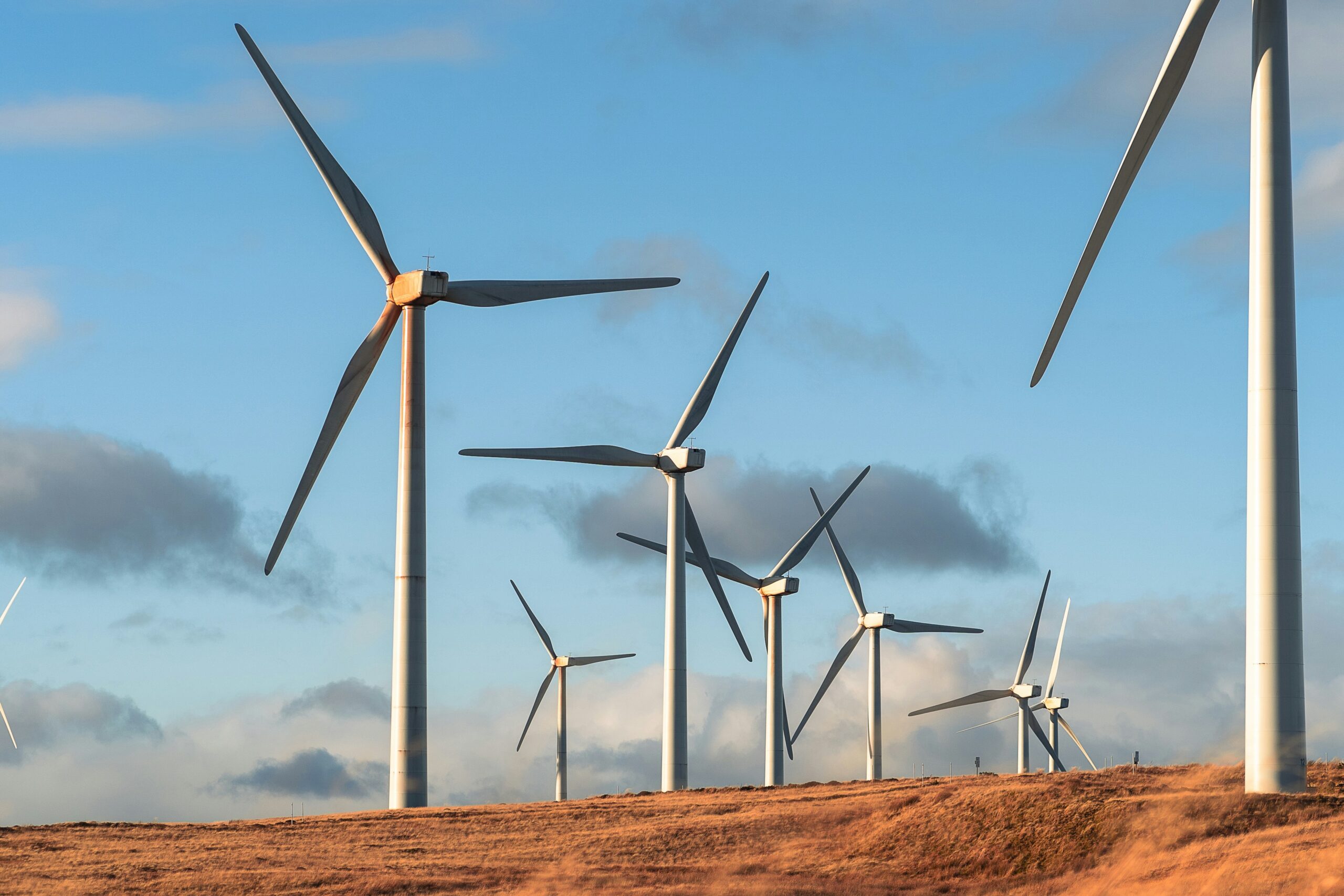
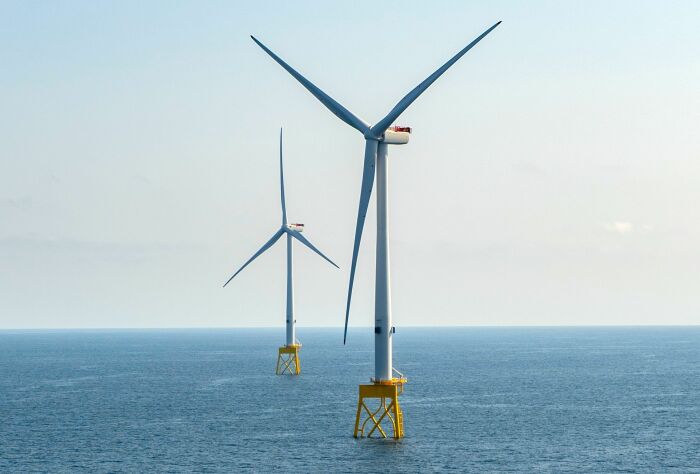
    A growing renewable energy hub Stretching from the Cairngorms to the edge of the Atlantic, Scotland’s Highlands are renowned for their dramatic landscapes and increasingly for their leadership in renewable energy, harnessing the power of the nearby Atlantic Ocean and North Sea. The UK is the windiest country in Europe, with Scotland its windiest region,…

  • Beyond the Banks – Scotland’s Financial Services 

    Beyond the Banks – Scotland’s Financial Services 

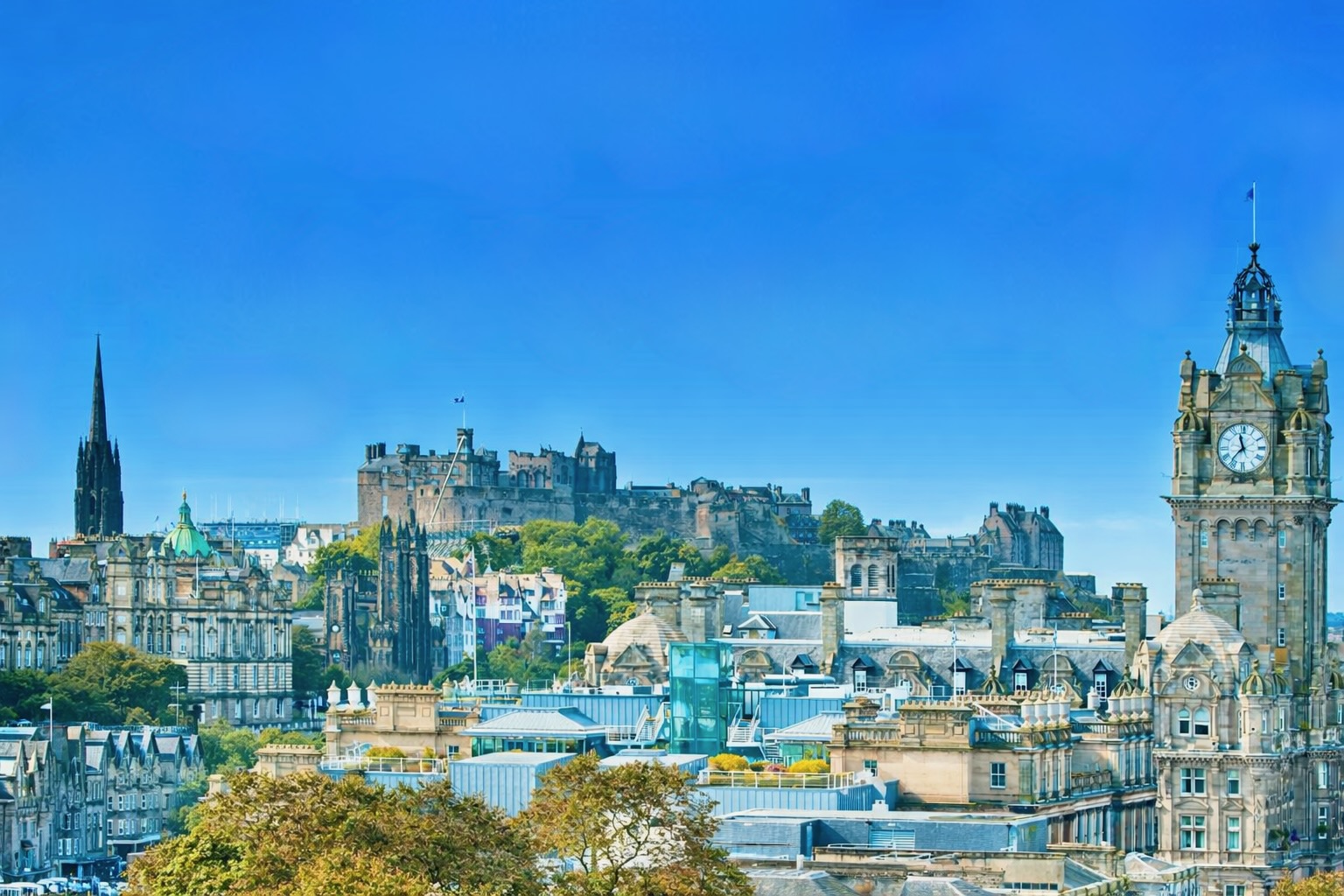
    Scotland’s financial services industry is built on centuries of banking tradition and is further maturing with a new generation of asset managers, insurers, fintech innovators, and global investment firms. Rooted in Edinburgh, considered one of Europe’s influential financial centers, the sector’s impact ripples across international markets. At its core is Scottish Financial Enterprise, the industry…

  • High Demand is Reshaping Edinburgh and Glasgow

    High Demand is Reshaping Edinburgh and Glasgow

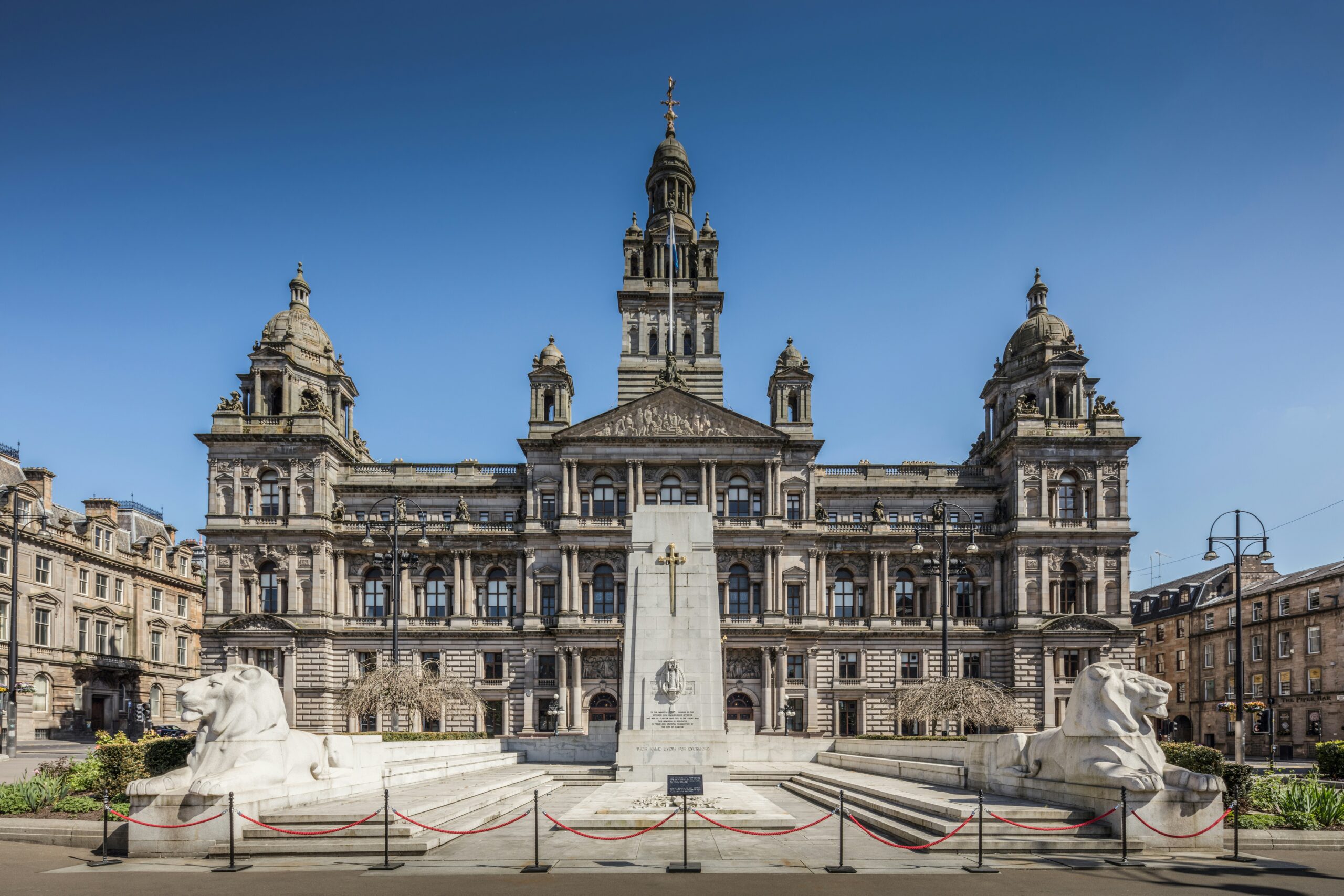
    Scotland’s two main cities offer global connectivity that continues to draw investors, entrepreneurs, and new residents. Together, they account for more than one-third of Scotland’s economic output and serve as a key point of entry for foreign investment, with the Edinburgh–Glasgow corridor attracting some of the highest levels of international capital per capita in the…

  • Stirling Steps Into the Limelight: Scotland’s Next Great Film Capital

    Stirling Steps Into the Limelight: Scotland’s Next Great Film Capital

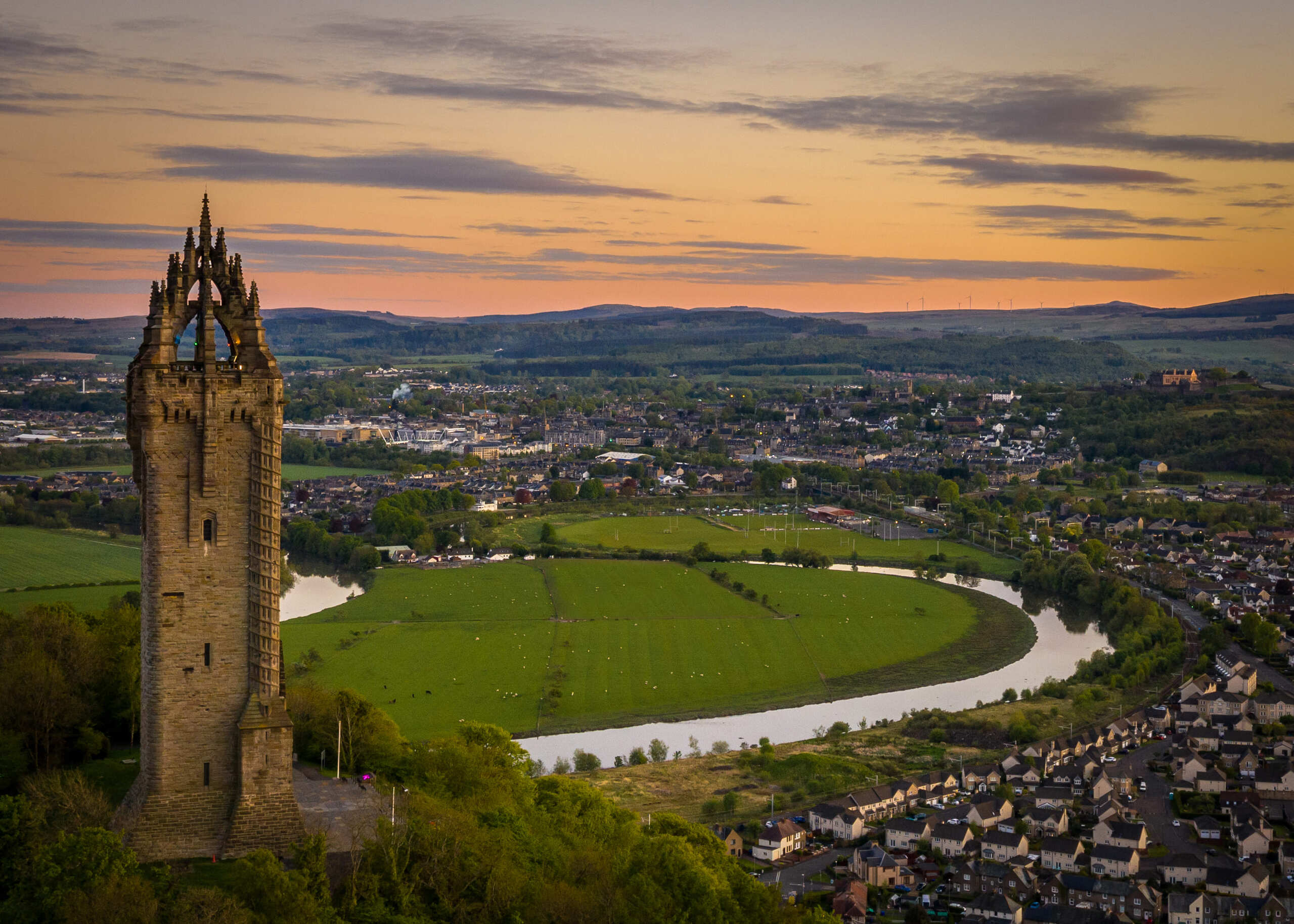
    The 900-year-old city of Stirling has a starring role in the film industry, as a location for blockbuster shows including Outlander, Game of Thrones, and Netflix’s Outlaw King and Frankenstein – and now a new high-end TV and film studio is in development. The compact city and its surroundings contain some of Scotland’s most iconic…

  • North Lanarkshire: In the Heart of Central Scotland

    North Lanarkshire: In the Heart of Central Scotland

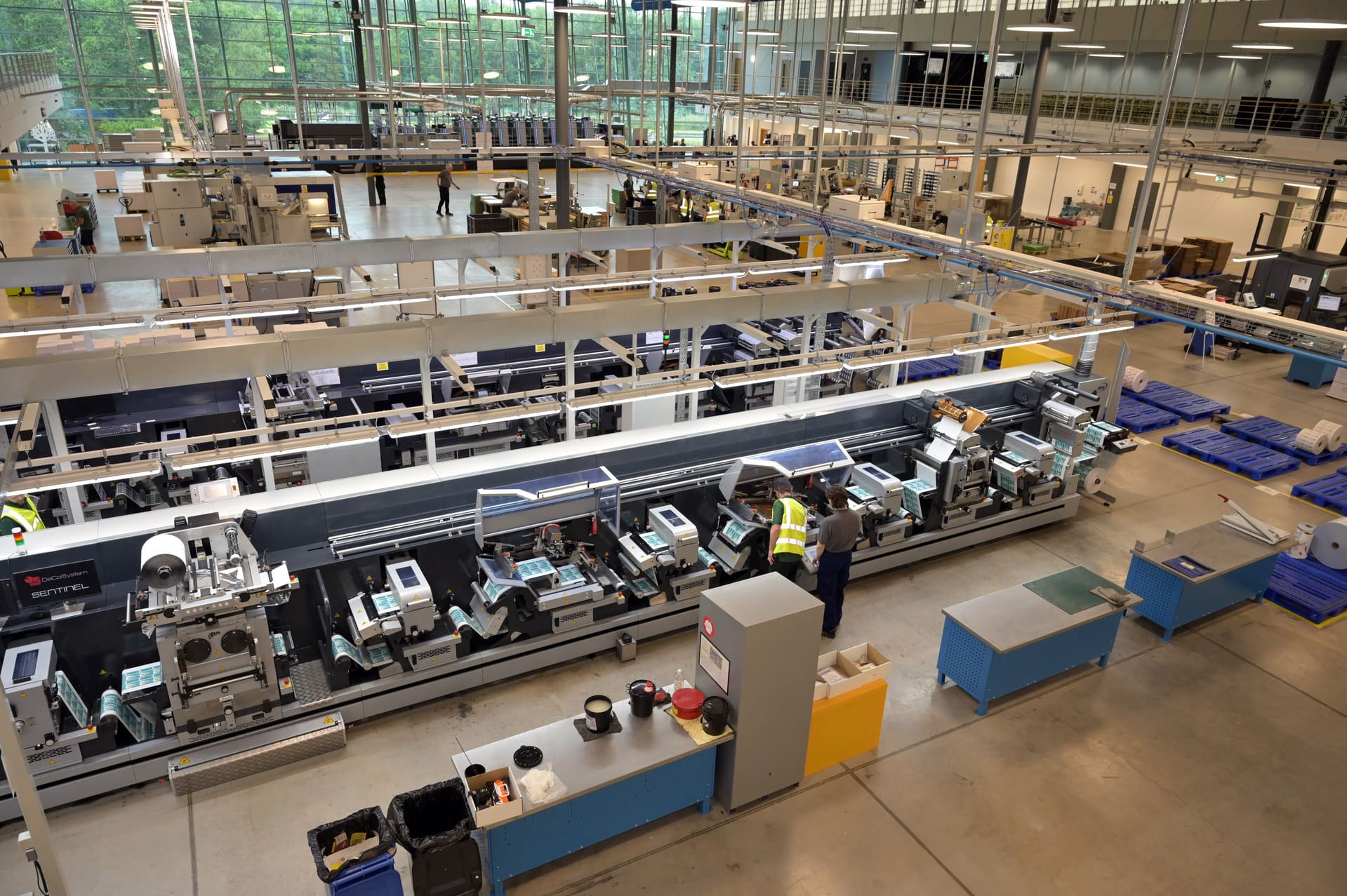
    Once central to Scotland’s historic steel industry and the backbone of Glasgow’s rise and industrial might, North Lanarkshire today stands as one of Europe’s most striking stories of renewal, trading smoke and steel for innovation and sustainability.  Des Murray, Chief Executive of North Lanarkshire Council, reflected, “Lanarkshire has long been the heart of Scotland’s economy.…

  • Escape to Midlothian: Scotland’s Tourism Gateway to History, Hills, and Hidden Wonders

    Escape to Midlothian: Scotland’s Tourism Gateway to History, Hills, and Hidden Wonders

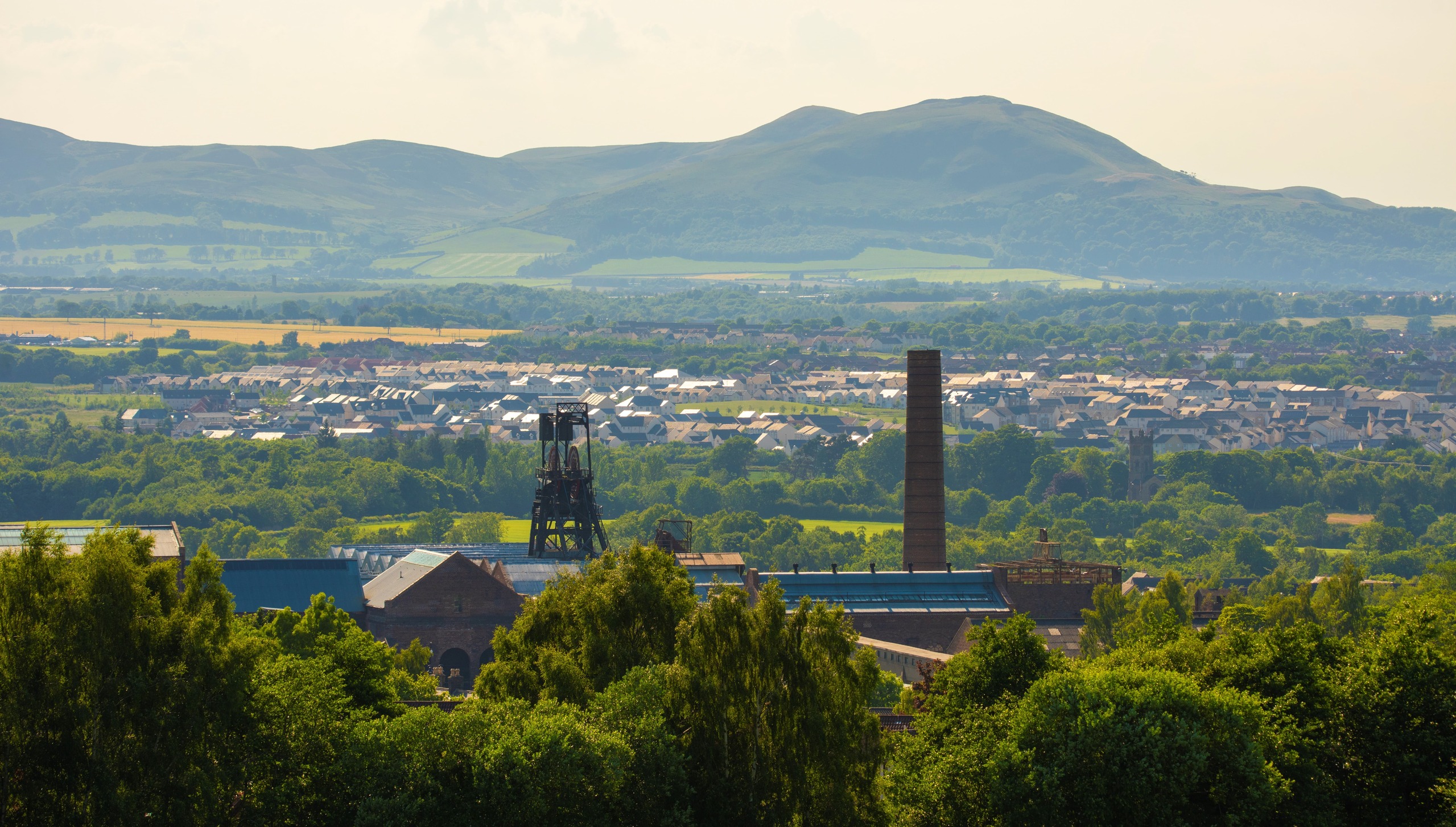
    Shedding the hustle of the capital city, the suburbs dissolve into a mix of the rising Pentland Hills and pastureland, where farms stitch the lower slopes together and historic villages move to their own deliberate rhythm. Stonework appears like a memory resurfacing, in bridges, in ruins, in the impossible intricacy of Rosslyn Chapel, a jewel…

  • Midlothian: Powering Scotland’s Innovation Economy

    Midlothian: Powering Scotland’s Innovation Economy

    On Edinburgh’s doorstep, Midlothian combines science clusters, computing capabilities, and connectivity to fuel world-class breakthroughs About twenty minutes from Edinburgh Airport lies a county where history echoes through the hills. Rolling green pastures unfold beneath misty silhouettes of the Pentlands, lakes mirror skies brushed with northern light, and quiet trails invite wanderers to trade city…

  • From Scottish Waters to American Tables

    From Scottish Waters to American Tables

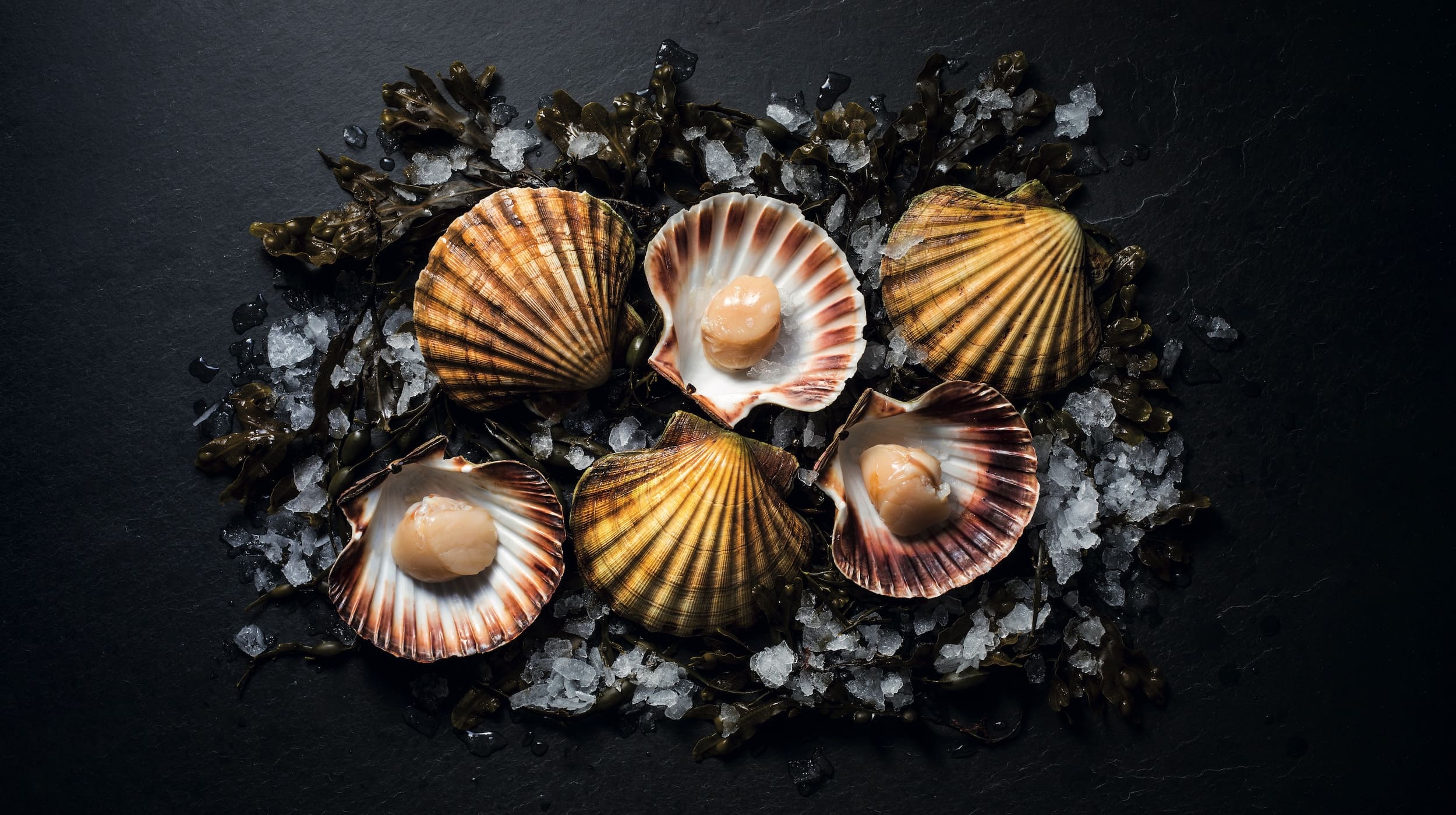
    Scotland’s coastline stretches for over 11,000 miles. Its cold, clear waters have supported generations of fishing families, their livelihoods built on a deep respect for and commitment to nature. That relationship is evident with every fish caught and every shellfish harvested, and is at the heart of what makes Scottish seafood among the best in…

  • The Energy Transition: From Oil to Renewables

    The Energy Transition: From Oil to Renewables

    For half a century, North Sea oil and gas was paramount for Scotland’s economy, supporting hundreds of thousands of jobs and delivering hundreds of billions of pounds in tax revenue. Now, as the nation advances toward its 2045 net-zero target, that legacy has become the platform for an energy transition as consequential as the oil…

  • Born and Reared: The Work Behind a Scottish Staple

    Born and Reared: The Work Behind a Scottish Staple

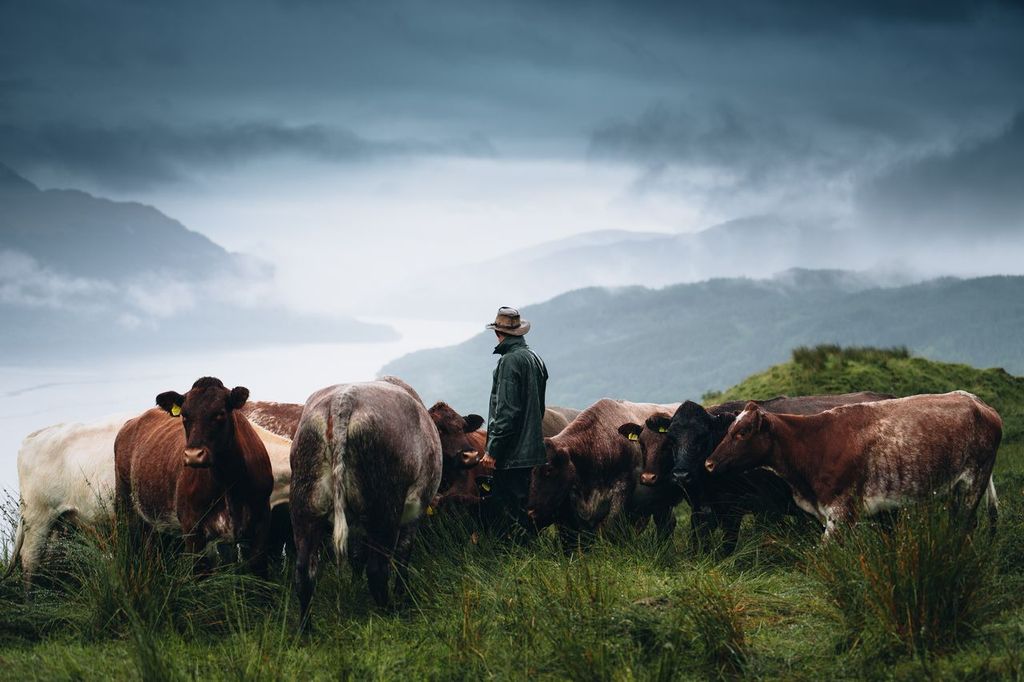
    With global demand rising, Scottish red meat producers are uniting tradition with sustainability and meticulous standards For generations, Scottish red meat has been synonymous with quality, appearing on tables from local pubs to Michelin-starred kitchens abroad. Chefs select its consistency and character, meat that speaks of a place where natural abundance meets precision. Each cut…

  • Optimizing Recycling and Material Handling for a Sustainable Future

    Optimizing Recycling and Material Handling for a Sustainable Future

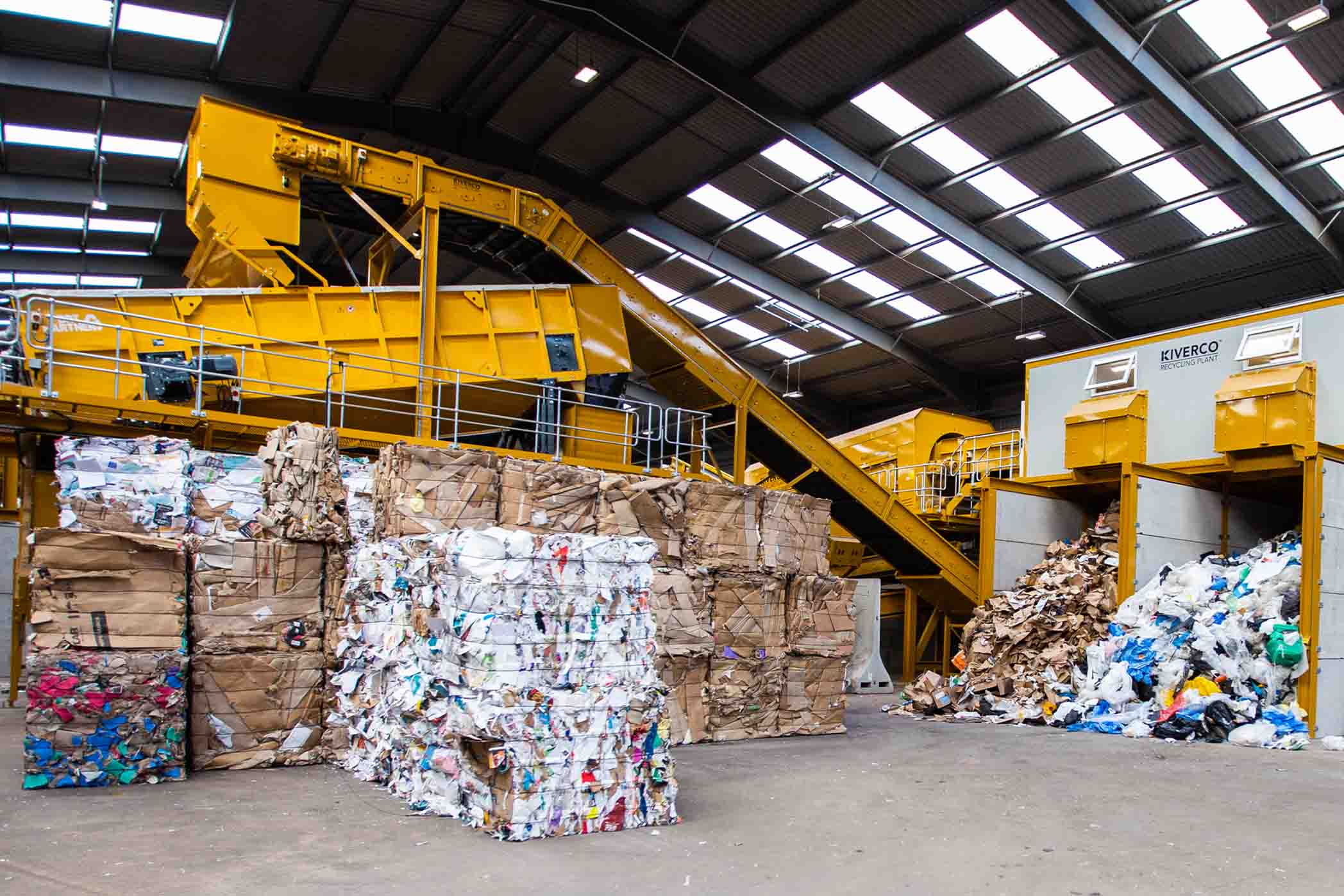
    Northern Ireland punches well above its weight as a global hub for material handling, recycling, and waste processing equipment. For a region with less than two million inhabitants, it has over 100 companies dedicated to the sector. Although Northern Ireland may be small, it manufactures more than 40% of the world’s mobile crushing and screening…

  • Maximizing Dual Market Access

    Maximizing Dual Market Access

    A conversation with Michael Neill, Head of A&L Goodbody’s Belfast office Northern Ireland’s legal and regulatory framework operates within the UK’s common law jurisdiction while simultaneously adhering to select EU mandates, reflecting its unique post-Brexit position.  Due to the Northern Ireland Protocol, which is part of the Brexit Withdrawal Agreement, Northern Ireland remains aligned with…

  • Belfast: A Testament to Resilience and Renewal

    Belfast: A Testament to Resilience and Renewal

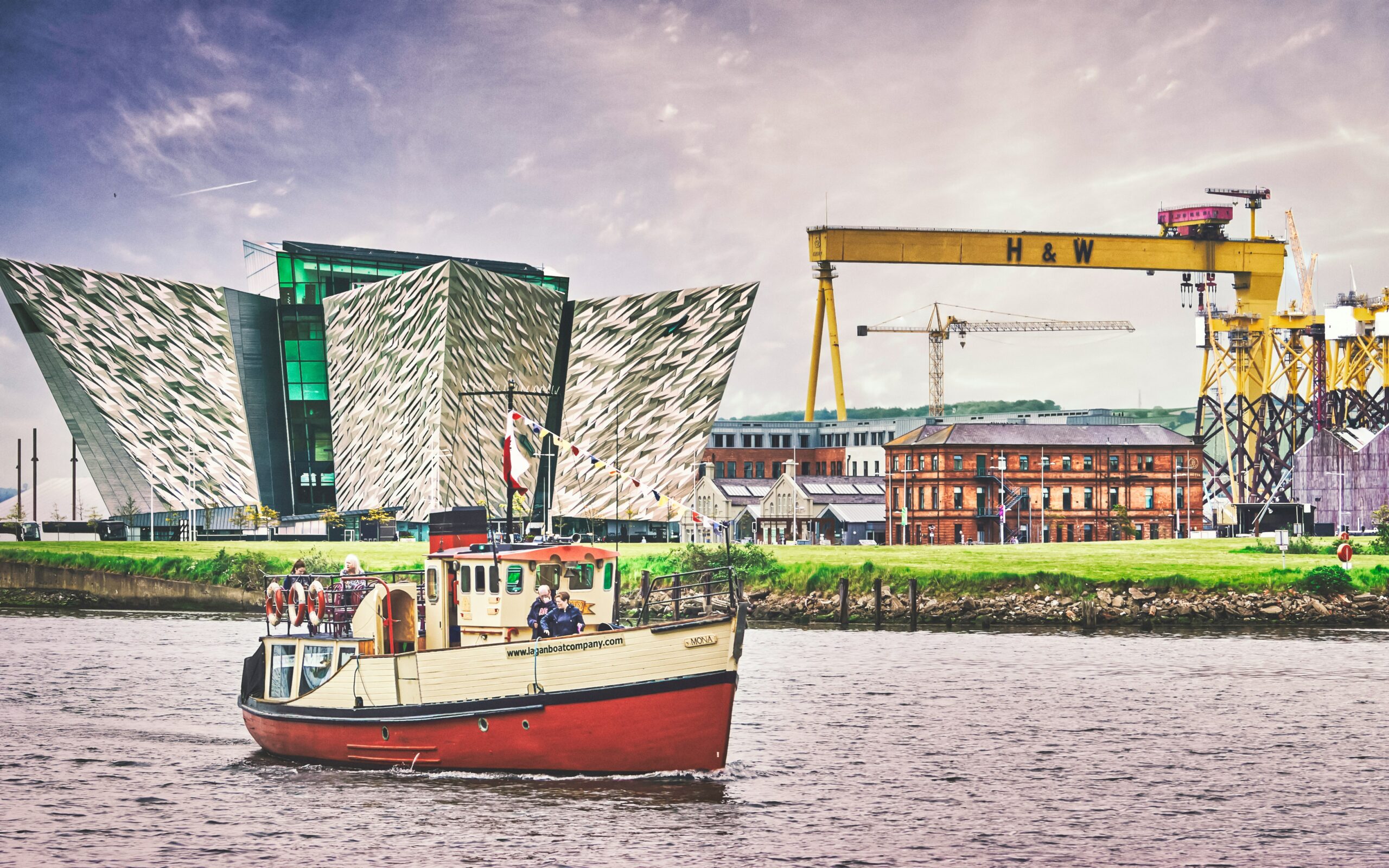
    Belfast, the birthplace of the Titanic, has a storied tradition of engineering ingenuity and industrial progress. The city has continually reinvented itself from the famed Harland & Wolff shipyards, where one of history’s most iconic vessels took shape, to its prosperous modern economy. Today, Belfast is at the helm of fintech and cybersecurity innovation, driving…

  • Lisburn and Castlereagh: Where History Meets Modern Growth

    Lisburn and Castlereagh: Where History Meets Modern Growth

    Northern Ireland’s gateway to business, trade, and investment Situated just south of Belfast, Lisburn and Castlereagh has evolved from its roots in Northern Ireland’s 19th-century Irish linen industry into a dynamic hub for global business and investment. With a strategic location and strong commercial sectors, the area offers compelling opportunities for businesses seeking to expand…

  • Causeway Coast and Glens: Beyond the Scenery 

    Causeway Coast and Glens: Beyond the Scenery 

    Driving economic development along the Causeway Coastal Route  Northern Ireland’s rugged northern coastline offers a compelling blend of natural beauty and economic opportunity. The council area of Causeway Coast and Glens, 50 miles north of Belfast, is world-renowned for being home to the UNESCO World Heritage Site Giant’s Causeway, but beyond its picturesque landscapes, it…

  • Without Borders: Derry~Londonderry’s Role in Powering Insurtech

    Without Borders: Derry~Londonderry’s Role in Powering Insurtech

    Once defined by its tumultuous past, Derry~Londonderry has dramatically transformed, prevailing as a peaceful and vibrant, economic and cultural hub. The city’s historic center, including its famous 17th-century walls, remains well-preserved, while new projects like Ebrington Square have turned former military sites into thriving business and entertainment spaces. Recent road upgrades enhance connectivity, while Ulster…

  • Transforming Healthcare: The Power of Personalization

    Transforming Healthcare: The Power of Personalization

    In the 1960s, a Northern Irish physician named Dr. James Francis Pantridge changed the course of emergency medicine. Recognizing countless lives were lost to sudden cardiac arrest before patients could reach a hospital, he pioneered the portable defibrillator, an innovation allowing life-saving treatment to be placed directly into the hands of first responders. His invention…

  • Ards and North Down: Exceptional Living Just Minutes from Belfast

    Ards and North Down: Exceptional Living Just Minutes from Belfast

    Businesses are drawn to Ards and North Down due to its accessibility and affordability, while residents benefit from a thriving local economy and coastal charm. Boasting robust public infrastructure and a strategic location just minutes from downtown Belfast, this dynamic borough offers an exceptional environment for enterprises seeking to establish a foothold in Europe. Susie…

  • How One Cat’s Recovery Showcases the Quality of a World-Class Life and Health Sciences Hub

    How One Cat’s Recovery Showcases the Quality of a World-Class Life and Health Sciences Hub

    Bella, once a spirited cat chasing sunbeams and darting across garden paths, began to slow down. As she aged, something changed; she grew restless and irritable. Despite a constant appetite, she lost weight. Her once-glossy coat turned dull and matted. The culprit: feline hyperthyroidism, a common condition in older cats. For her owner, the hardest…

  • AI-Powered Data Analytics

    AI-Powered Data Analytics

    The logic of algorithms In the mist-laced mornings of Belfast’s old shipyards, where steel once met sea and the echo of industry still hums in the brickwork, a quieter ascent is unfolding. In glass-fronted labs and converted warehouses, Northern Irish firms are scripting a new industrial epic: not with iron and flame, but with algorithms.…

  • Bridging the Atlantic

    Bridging the Atlantic

    The enduring bond between Northern Ireland and America Between 1845 and 1855, an estimated 5,000 ships braved the perilous Atlantic crossing, leaving the shores of Ireland during the Great Famine. The ships carried nearly two million Irish immigrants all hoping for a new life in America. Many of them would go on to become heroes…

  • Navigating Northern Ireland’s Business Landscape

    Navigating Northern Ireland’s Business Landscape

    A conversation with Johnny Hanna, Partner-in-Charge of KPMG in Northern Ireland. Hanna discussed KPMG’s growing operations in Northern Ireland, how the business landscape has evolved, the unparalleled opportunities for the region, and other economic levers that could be unleashed to help it reach its full potential. How long has KPMG been based in Northern Ireland?…

  • Spotlight on Northern Ireland

    Spotlight on Northern Ireland

    A New Era: Unlocking Northern Ireland’s Economic Potential Over the past three decades, Northern Ireland has transformed its economic identity, emerging as a dynamic hub for innovation. The region’s metamorphosis shifted the economy from being historically reliant on heavy industry, including building the famous RMS Titanic, to one driven by technology. The capital city, Belfast,…