Country Profile: Serbia

Regional integration – Western Balkan neighbors are increasing collaborations

History: Serbia was shaped as a nation by the numerous external invasions it suffered; starting in the 4th century BC with the Celts overthrowing the Illyrians, the arrival of the Romans and the Slavs in the sixth century AD. A crucial event in AD 395 was when Roman Emperor Theodosius I gave Serbia to the Byzantines,  together with the fact that Sts Cyril and Methodius converted Serbia to the orthodox religion, resulted in the country being locked into Eastern Europe.

The Serbians were crushed in 1371 by the Ottoman Turks who eventually took Kosovo and Smederevo, which effectively ended Serbia´s independence. Belgrade was captured in 1521.

During the following centuries, many rebellions took place against the Turks. Thanks to Russia, the First National Uprising of 1804 was successful but the Russians made peace with the Turks, and the Serbian rebellion failed once again. The second National Uprising of 1815, in which the Turks allowed Serbia some autonomy, was the path to Serbia´s independence. Serbia became a kingdom in 1882.

The assassination of Archduke Franz Ferdinand in 1914 by a Bosnian Serb was used as a reason to invade Serbia, which triggered WWI.

In 1918, the Kingdom of Slovenes, Croats, and Serbs was formed, which included Serbia, Montenegro and Dalmatia, Croatia-Slavonia, Slovenia, Bosnia and Herzegovina, and the Vojvodina, which were South Slav territories.

In 1929, King Alexander I declared the new state a dictatorship which was renamed Yugoslavia. From the start, there were tensions between Croats and Serbs, and in 1934 King Alexander was assassinated.

Yugoslavia joined the fascist Tripartite Alliance. This was a short-lived pact, triggering a military coup and a sudden withdrawal from the alliance. The Germans bombed Belgrade and invaded Yugoslavia in 1941. Belgrade was liberated by the Communist guerrilla led by Josip Broz Tito, together with the Russians, and a Communist regime was introduced. After Tito’s breaking with Stalin, Yugoslavia became independent. With the death of Tito in 1980, the system began to crumble, and Yugoslavia finally broke up in 1991-92.

Serbian nationalists defended a Greater Serbia encompassing Serbs in the other republics. The Communist Party leader in Serbia, Slobodan Milošević who became president of Yugoslavia in 1997, adopted this doctrine and violence followed between the Albanians of Kosovo and Serbs. The demands of the U.S., Great Britain, Russia, Italy, Germany and France to cease fire and to withdrawal, Serbian forces from Kosovo were not met by Milošević. NATO began a bombing campaign which expanded to Belgrade and lasted 11 weeks. In the presidential elections of 2000, Vojislav Koštunica declared victory and restored ties with Europe. 

Serbia became a stand-alone sovereign republic in 2006 after Montenegro voted in a referendum for independence from the Union of Serbia and Montenegro. This marked the historical end of the separation of the six republics of the Socialist Republic of Yugoslavia which comprised Serbia, Montenegro, Slovenia, Croatia, Bosnia-Herzegovina, and Macedonia. From the start, Serbia suffered the recession of 2009, but today the economy is growing. The 1st Intergovernmental Conference with Serbia in January 2014 indicates the beginning of Serbia’s negotiations to become part of the EU.

Geography: The sovereign republic of Serbia is at the crossroads of Southeast and Central Europe. It has borders with Bulgaria, Croatia, Bosnia-Herzegovina, the Republic of Macedonia, Hungary, Bulgaria, Romania, Montenegro, and Albania through Kosovo.

It has access to the Adriatic Sea through Montenegro, and shipping access to inland Europe as well as the Black Sea is possible through the Danube River.

Serbia’s terrain is extremely varied with rich and fertile plains to the North, limestone basins and ranges to the East and ancient hills and mountains to the Southeast. The Northeast is rich, and fertile thanks to the Danubian Plain drained by the Danube, Morava, Sava, and Tisa river systems, all of which, together with the Drina River, conform Serbia’s main rivers.

Four mountain systems converge in Serbia: the Carpathian Mountains, the Balkan Mountains, the Dinaric Alps, and the ancient mountains of the Rilo Rhodope mountain system. The Balkan Mountains create the natural border with Romania and Bulgaria, the valleys and hills of the Dinaric Alps cut through Serbia west of the Morava River.

Climate: Serbia has a predominantly continental climate; cold winters and warm summers. The north of Serbia typically has a continental climate, while the South and South-West have a climate of Mediterranean influence.

Language:  The official language is Serbian. Despite being spoken throughout the country, there are some exceptions; in southern Serbia, it’s the Torlakian dialect which is spoken by most Serbians. Other minority languages like Bosnian, Croatian, Slovak, Rusyn, Bulgarian, Hungarian, Albanian, and Romanian are officially recognized in Serbia.

Demographics: The total population in Serbia is 7.1 million (this does not include the population of Kosovo). Serbians are the largest majority when it comes to ethnic groups, while Hungarians are the largest minority followed by Roma people and Bosniaks. Croats, Slovaks, Albanians, Montenegrins, Romanians, Macedonians, and Bulgarians are other minority groups.

Natural Resources: Serbia has considerable natural resources but is lacking in mineral fuel, making the country dependent on Russia for crude petroleum and natural gas necessary to meet its domestic demand. It has one of Europe’s most abundant copper resources, located mostly in the Timoc District in northeastern Serbia. As well as copper, the industry produces iron and steel with significant production of gold, lead, coal, salt, and selenium. Lead and zinc production comes from Kopaonik, Raška. The southwestern regions of Serbia have timber and hydroelectric potential.

Politics: The framework under which Serbia functions is within a parliamentary democracy. The country is a parliamentary republic where the head of government is the prime minister, and the head of state is the president.

There are three branches of government in this parliamentary republic: judiciary, executive, and legislature. Serbia’s political system is based on the principle of separation of authority between these three.

The executive authority is held by the Government of the Republic of Serbia consisting of a prime minister, two vice presidents and 18 ministries.

As of 2017, Aleksandar Vučić is the President of Serbia and Ana Brnabić is the Prime Minister. Aleksandar Vučić became prime minister after a large victory in the parliamentary elections of 2014. He pledged an overhaul of Serbia’s economy and accelerated drive towards EU accession. Also to combat endemic corruption.

His reforms included diminishing the public sector, reforming the budget, privatizing state-owned enterprises and supporting the private sector. He won his candidacy for the presidency with a comfortable victory in 2017.

The prime minister leads a cabinet and exercises executive power. The president names the designate after deliberation with parliamentary leaders, and the National Assembly is in charge of choosing the prime minister. The prime minister nominates the cabinet ministers while the National Assembly confirms them. The president is elected by popular vote. It’s a five-year term, and it can be extended by-elections for two more terms at most.

The National Assembly wields legislative power and constitutional authority. It’s formed by 250 deputies who are elected by secret ballot.

Serbia has a system of civil law; the courts are not bound by precedent, but they solely interpret legislation. The Supreme Court of Cassation is the head of the judicial system. Other established courts are the Appellate, High, and Basic Courts.

The multi-party system in Serbia allows for many political parties, but because of the improbability for one party gaining power alone, there is a cooperation of multiple political parties forming coalition governments, helping to reduce the dominance of any one party. Elections are held every four years at three levels: local, provincial, and parliamentary. Presidential elections are held every five years.

Religion: The Constitution of Serbia protects the freedom of religion. Having the Serbian Orthodox Church at the head of the country’s religion, Christianity is the main religion with an 85% of the population adhering to the Orthodox faith. The Catholic Church is the second biggest religion. Islam is also present, mostly in Novi Pazar and southwest regions.

Cuisine: Serbian cuisine has been influenced by the rich mix of cultures passing through or living in the region. It is very diverse and can be described as a mixture of Greek, Bulgarian, Turkish and Hungarian cuisine. A centuries-old tradition is drinking coffee, and the national fruit is the plum, from which rakia is brewed.
More Articles

  • Interview: Dr. Daniel Risch, Deputy Prime Minister, and Minister of Infrastructure, Economic Affairs and Sport, Principality of Liechtenstein

    Interview: Dr. Daniel Risch, Deputy Prime Minister, and Minister of Infrastructure, Economic Affairs and Sport, Principality of Liechtenstein

    How do you assess relations with the USA? Relations are founded on shared values and historically strong social and economic interests. Liechtenstein has traditionally been a desirable location for companies, a crucial incubator for global innovation, and a valuable supplier to the USA.  What are some benefits of Liechtenstein’s business ecosystem? Liechtenstein’s unique value-added proposition…

  • An Innovative Industrial Ecosystem is Developing Within Liechtenstein

    An Innovative Industrial Ecosystem is Developing Within Liechtenstein

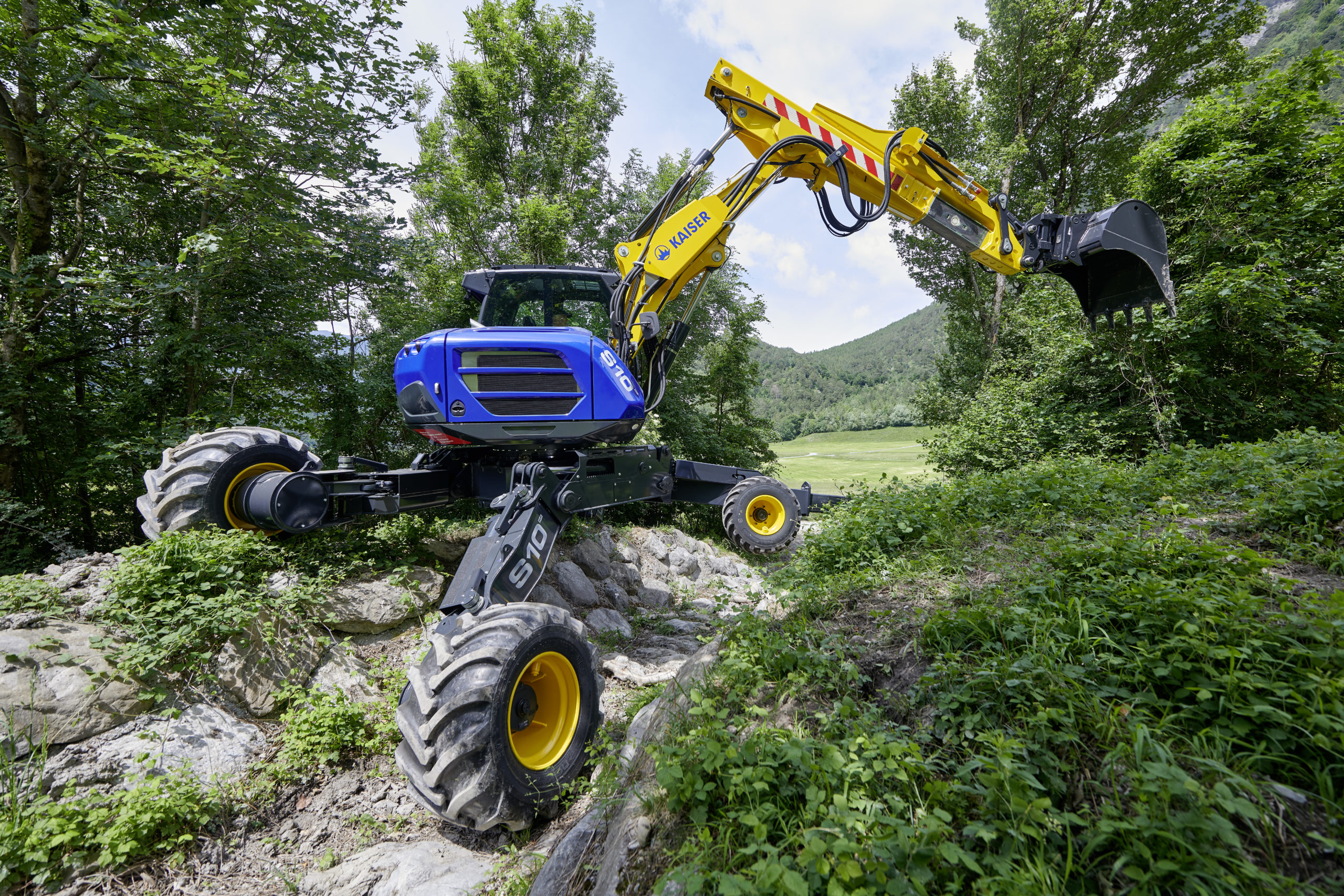
    Interview with Markus Kaiser, CEO, Kaiser Founded in 1913 in Schaanwald Liechtenstein, the family-run company Kaiser manufactures specialized vehicles for mission-critical tasks in sewer cleaning, industrial disposal, and mobile walking excavators. They also design highly specialized components, including customized high-pressure pumps which have consistently set a new standard within the industry. What drives you to…

  • Improving The World Through Disruptive Dental Innovation

    Improving The World Through Disruptive Dental Innovation

    How a revolutionary dental technology company is making millions of people smile Diego Gabathuler is a man on a mission to improve people’s lives and make them smile. The CEO of Ivoclar Vivadent, one of the world’s leading dental companies, is passionate about the life-changing effects of good oral health and a beautiful smile. It…

  • Castles Worthy Of A Fairy Tale

    Castles Worthy Of A Fairy Tale

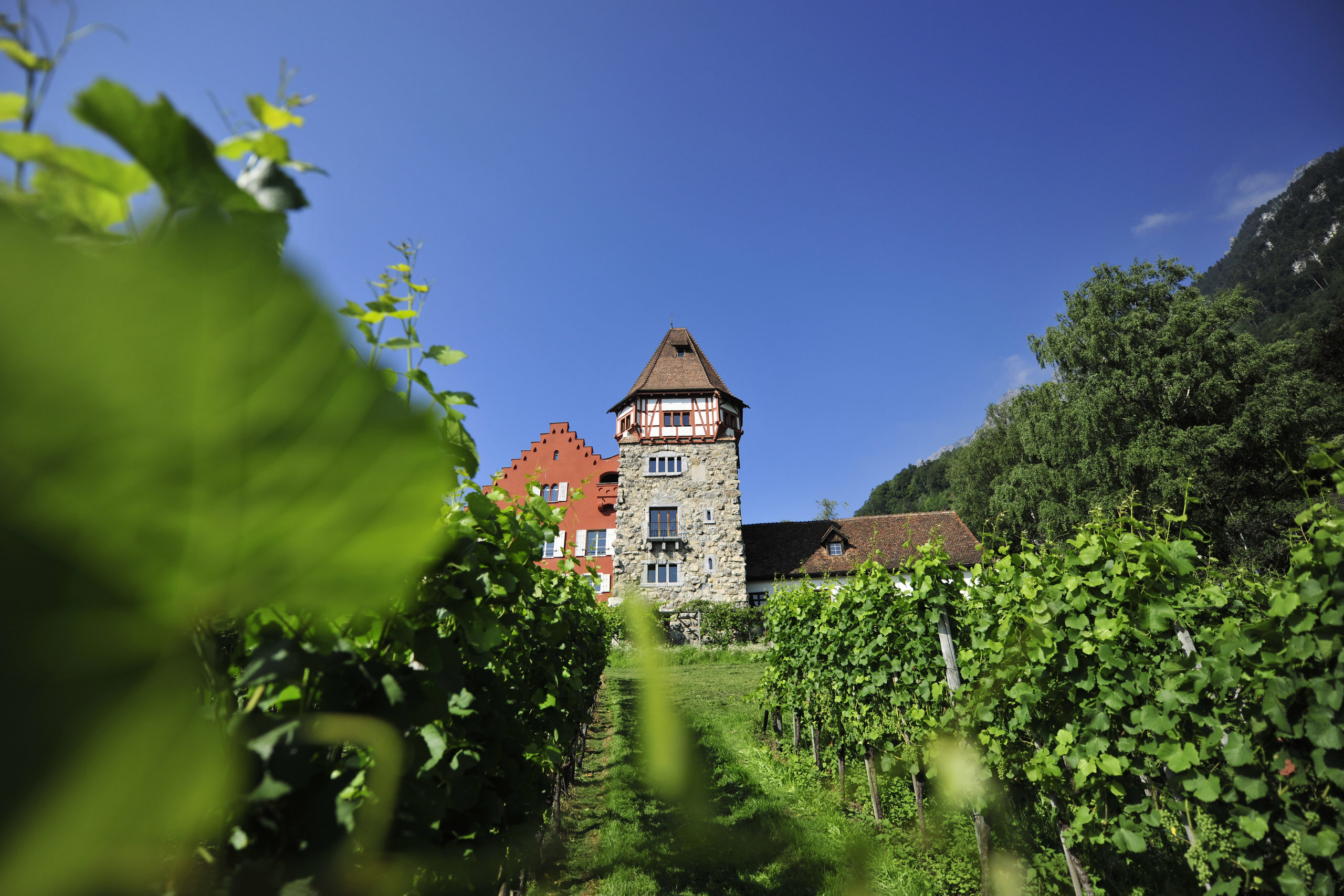
    A cultural journey of discovery through quaint valleys and legendary castles As a year-round tourist destination, Liechtenstein offers a diverse mix of alpine scenery, outdoor pursuits, a rich blend of cultural attractions such as museums, galleries, and medieval castles worthy of a fairy tale. During winter, the snow-covered Alps attract thousands of skiers and snowboarders.…

  • A Stable Financial Center

    A Stable Financial Center

    Liechtenstein’s New Blockchain Act Opened New Opportunities Despite a worldwide reputation as center for finance and banking, the financial sector is not the country’s largest economic sector, and actually plays a smaller role in the national economy than factories. Since the founding of Liechtenstein’s first bank in 1861, the country’s financial sector has grown to…

  • A Robust Industrial Sector

    A Robust Industrial Sector

    Liechtenstein is heavily export-oriented, focuses on high-quality goods, and swiftly became one of the world’s most industrialized countries. For centuries, the tiny alpine nation with no natural resources relied on agriculture as its primary industry. However, following World War II, the country evolved into a modern, export-oriented society. During the intervening years, it has gone…

  • Thurgau: An Industrious Canton

    Thurgau: An Industrious Canton

    All the high-quality advantages of Switzerland, but with greater affordability In Northeastern Switzerland, bordering Zurich and within St.GallenBodenseeArea, lies the canton of Thurgau, one of the most cost-efficient business locations in the Swiss Confederation. The canton respects its agricultural history and capitalizes on its location in one of Europe’s strongest economic regions. Excellent transport links…

  • The Rising European Hub for Data Centers

    The Rising European Hub for Data Centers

    Zurich is quickly becoming one of Europe’s leading information technology hubs Rising demand for online services has driven new large-scale investments in data center infrastructure around the world, and generated the need for additional sophisticated cloud services. Several global hubs have continuously developed to meet evolving requirements. Switzerland is becoming increasingly interesting as a cloud…

  • The Future of Finance

    The Future of Finance

    Impact investing, blockchain, fintech, and cryptocurrencies The Swiss financial services sector continues to evolve as a new wave of financial institutions and trends are transforming the field. In addition to the adaptation of traditional Swiss financial services now ensuring transparency at the forefront, there has been a surge in socially responsible investing, blockchain technology, fintech,…

  • World Leader in Isolator Technology Stays One Step Ahead of the Innovation Curve

    World Leader in Isolator Technology Stays One Step Ahead of the Innovation Curve

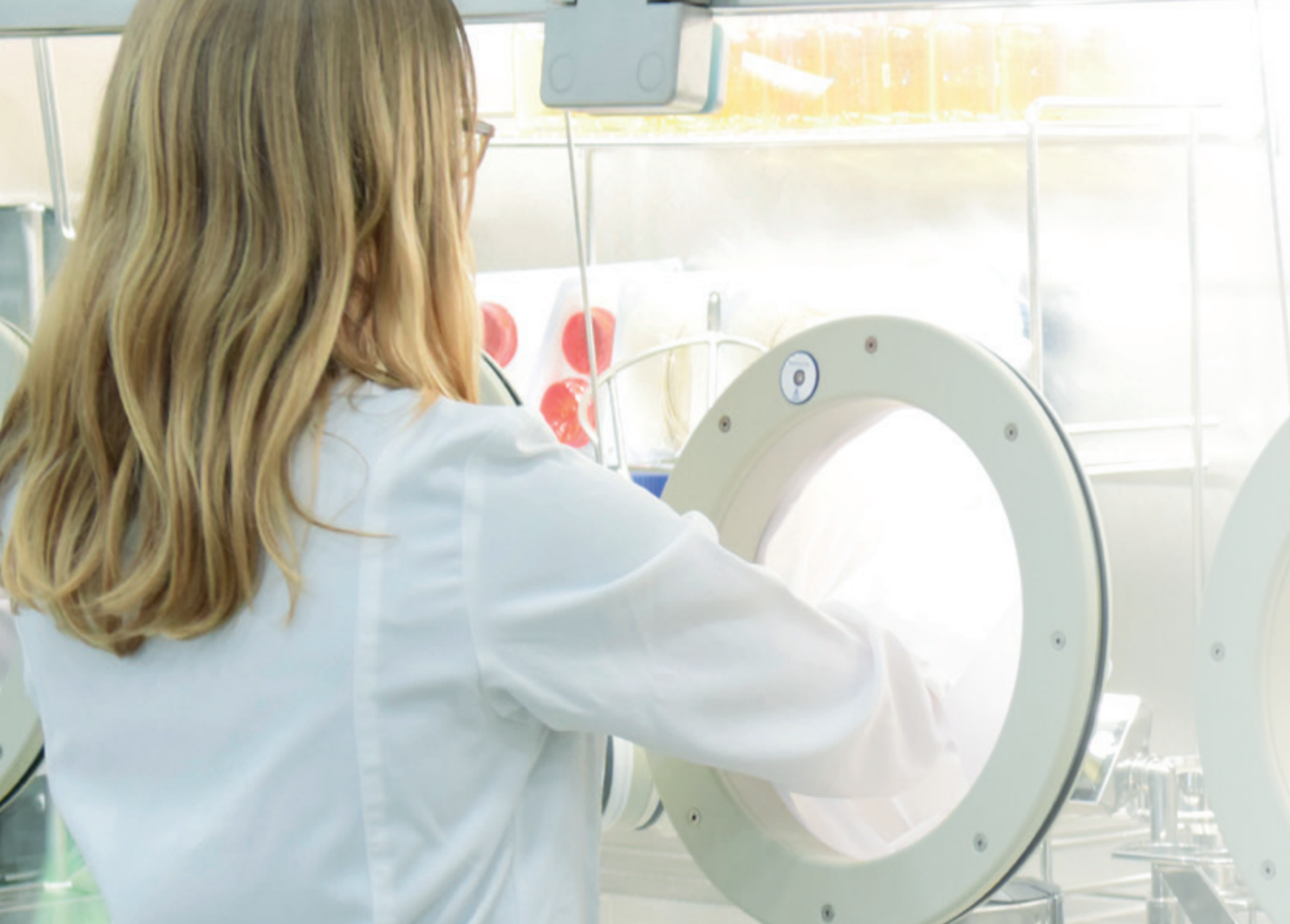
    Swiss technology continues to improve safety in pharmaceutical production The manufacturing of pharmaceuticals is a complex and high-stakes undertaking. Patient safety and product quality are of paramount importance. To mitigate manufacturing risks and improve safety, pharmaceutical manufacturers are opting for isolators instead of classic cleanrooms for aseptic production activities such as filling and formulation. An…

  • Swiss Ingenuity is Reshaping the Packaging Industry to Ensure Sustainability

    Swiss Ingenuity is Reshaping the Packaging Industry to Ensure Sustainability

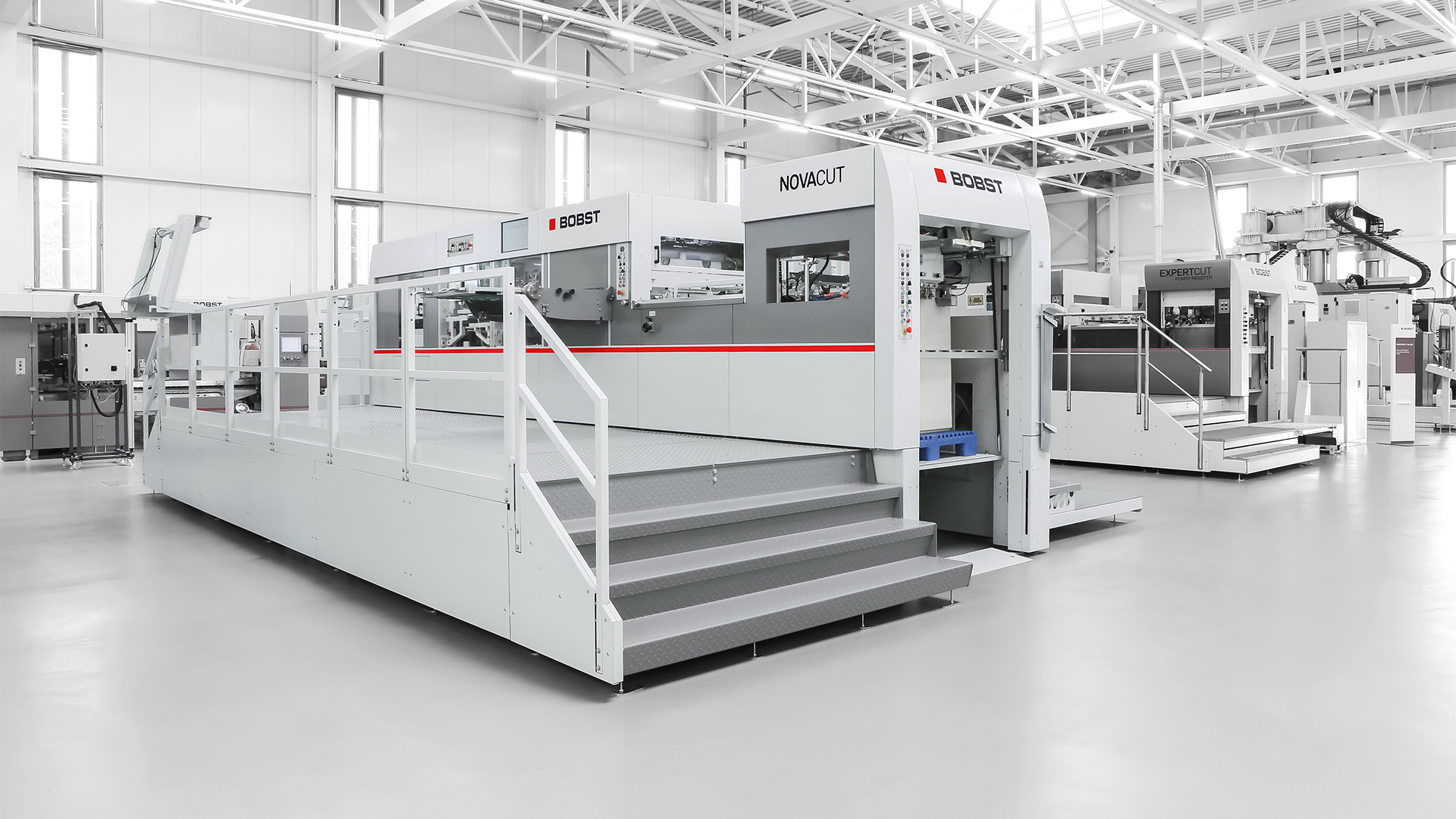
    Innovative solutions foster new frontiers in digitalization, automation and sustainability Consumers worldwide have been challenging major corporations to “go green” and become more sustainable. The increasing pressure from influencers has encouraged major global brands to collaborate with their trusted suppliers and create sustainable products to reduce their companies’ environmental footprint. Through large investments in R&D,…

  • A Swiss Company Plows its Way to the Top of North American Markets

    A Swiss Company Plows its Way to the Top of North American Markets

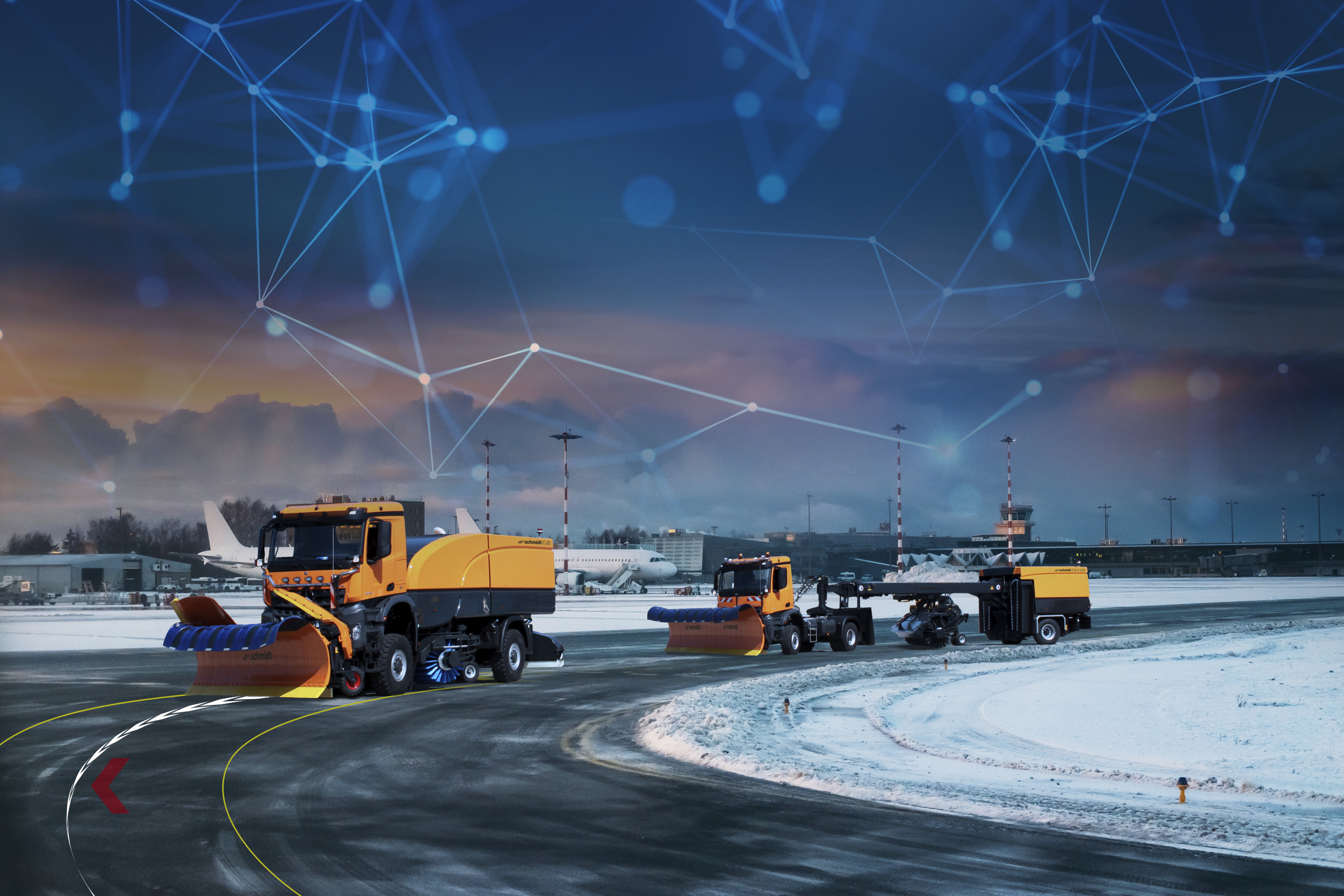
    The ambitious growth plans of Aebi Schmidt Group The global powerhouse Aebi Schmidt Group sprang from humble beginnings in 1883 as a mechanical workshop in Burgdorf, Switzerland. Nearly 140 years later, Aebi Schmidt is now a leader in smart product systems and services for the treatment of mission-critical infrastructural and agricultural areas. Throughout the years,…

  • Swiss Packaging Pioneer Can Help the USA Overcome an Environmental Challenge

    Swiss Packaging Pioneer Can Help the USA Overcome an Environmental Challenge

    Environmental concerns are likely to return to the top of the USA’s political agenda following the election of Joe Biden as president. Biden pledged the USA would re-enter the Paris Climate Agreement, the global pact forged five years ago among nearly 200 nations to avoid the worst impacts of climate change, on “Day One” of…

  • Switzerland Plays a Decisive Role in the Coffee Sector

    Switzerland Plays a Decisive Role in the Coffee Sector

    Ancient legends from the 6th-century may shed light on coffee’s origins. As folklore would have us believe, Ethiopian goat herder Kaldi first noticed the benefits of coffee beans after his herd consumed coffee berries and became exceptionally energetic. News quickly spread regarding the beans, and various concoctions began to spread across the globe. Techniques for…

  • Industry 4.0

    Industry 4.0

    The Future of Manufacturing, Digitalization and Automation Industry 4.0 technologies were on the rise prior to the unprecedented impact of COVID-19. The crisis has accelerated long-established trends towards automation and data exchange in manufacturing, and rapidly pushed companies to adapt and evolve at a record pace. Factories, in particular, have been hotbeds of COVID-19 outbreaks,…

  • Innovative Swiss Businesses Tackle Global Challenges

    Innovative Swiss Businesses Tackle Global Challenges

    Few Americans recognize the name Oerlikon, yet millions benefit from the Swiss powerhouse’s innovative global technology and engineering solutions. Oerlikon is one of the leading providers of advanced materials, surface engineering, and polymer processing for the automotive, aerospace, energy, tooling, and additive manufacturing sectors. Every time an individual gets into a car or boards an…

  • Switzerland is one of the biggest industrial exporters per capita

    Switzerland is one of the biggest industrial exporters per capita

    For a small independent country with a population of 8.6 million, Switzerland has become a surprisingly strong industrial player with an ecosystem that is robust and competitive. Swiss industry represents over 25 percent of the country’s GDP, and is an important central component of the economy. A highly vigorous global production and research network compliments…

  • Innovative Swiss Medtech Solutions Reduce Complications

    Innovative Swiss Medtech Solutions Reduce Complications

    Just two decades ago patients undergoing medical procedures would face a long recovery period fraught with potential complications, associated pain, and a lengthy hospital stay. The medtech industry emerged from the union of medicine and technology and is a driving force of change and innovation. Healthcare has drastically transformed and evolved since the turn of…

  • Switzerland – a Medical Technology Hub

    Switzerland – a Medical Technology Hub

    Enabling Innovation for Medtech Worldwide Switzerland’s medical technology sector has a global footprint, impacting patients around the world. The country tops the rankings for the sector’s contribution to gross domestic product (GDP), with 2.6 percent of Swiss GDP stemming from medtech. With a rich history and reputation for precision technology expertise, Switzerland is well-poised to…

  • Developing a Holistic Approach to Healthcare Through Oral Care

    Developing a Holistic Approach to Healthcare Through Oral Care

    In the 18th century, before modern dentistry, the population relied on a local blacksmith or barber for teeth extraction. Since then, the field drastically evolved, and in no small part thanks to Zurich University, which was the first state institution in the world to offer a doctoral degree in dental medicine. Switzerland continues to contribute…

  • Life Science Cluster Expands Biotech Hub

    Life Science Cluster Expands Biotech Hub

    The Swiss capitalize on cross-border research to innovate The pharmaceutical sector is the country’s largest industry, representing 40 percent of exports. Exceptional leadership in research and development, combined with a robust education system, have derived impressive results. Switzerland attracts high-level talent, capital and partnerships from around the world. It has first-class technology, innovation park infrastructure,…

  • A Stable and Reliable Legal System

    A Stable and Reliable Legal System

    Switzerland’s trusted neutral legal framework allowed the country to develop into an international arbitration hub While Switzerland has a secure role as a gateway for American operations and foreign direct investment in Europe, the nation is going through a dramatic change in how it is perceived. While the tax regime is competitive at an international…

  • Switzerland – a Nation of Inventors and Innovators

    Switzerland – a Nation of Inventors and Innovators

    Switzerland Innovation Parks ensure the country remains the most innovative in the world For the last ten years, the World Intellectual Property Organization ranked Switzerland in the coveted top spot as the world’s most innovative country on their Global Innovation Index. Switzerland remains the country of inventors and innovators, with a record number of patent…

  • Science-Based Innovation: Increasing the Competitiveness of Swiss SMEs and Start-ups

    Science-Based Innovation: Increasing the Competitiveness of Swiss SMEs and Start-ups

    Tackling global challenges requiring a multi-disciplinary solution Switzerland is strengthening its approach to tackle some of the world’s greatest challenges with innovation, and in its pursuits the Swiss government builds on Innosuisse. Initiatives by companies like Quantum Integrity (helping to detect fake photos and videos quickly with its software), ClearSpace (tackling failed satellites and the…