Country Profile: Serbia

Regional integration – Western Balkan neighbors are increasing collaborations

History: Serbia was shaped as a nation by the numerous external invasions it suffered; starting in the 4th century BC with the Celts overthrowing the Illyrians, the arrival of the Romans and the Slavs in the sixth century AD. A crucial event in AD 395 was when Roman Emperor Theodosius I gave Serbia to the Byzantines,  together with the fact that Sts Cyril and Methodius converted Serbia to the orthodox religion, resulted in the country being locked into Eastern Europe.

The Serbians were crushed in 1371 by the Ottoman Turks who eventually took Kosovo and Smederevo, which effectively ended Serbia´s independence. Belgrade was captured in 1521.

During the following centuries, many rebellions took place against the Turks. Thanks to Russia, the First National Uprising of 1804 was successful but the Russians made peace with the Turks, and the Serbian rebellion failed once again. The second National Uprising of 1815, in which the Turks allowed Serbia some autonomy, was the path to Serbia´s independence. Serbia became a kingdom in 1882.

The assassination of Archduke Franz Ferdinand in 1914 by a Bosnian Serb was used as a reason to invade Serbia, which triggered WWI.

In 1918, the Kingdom of Slovenes, Croats, and Serbs was formed, which included Serbia, Montenegro and Dalmatia, Croatia-Slavonia, Slovenia, Bosnia and Herzegovina, and the Vojvodina, which were South Slav territories.

In 1929, King Alexander I declared the new state a dictatorship which was renamed Yugoslavia. From the start, there were tensions between Croats and Serbs, and in 1934 King Alexander was assassinated.

Yugoslavia joined the fascist Tripartite Alliance. This was a short-lived pact, triggering a military coup and a sudden withdrawal from the alliance. The Germans bombed Belgrade and invaded Yugoslavia in 1941. Belgrade was liberated by the Communist guerrilla led by Josip Broz Tito, together with the Russians, and a Communist regime was introduced. After Tito’s breaking with Stalin, Yugoslavia became independent. With the death of Tito in 1980, the system began to crumble, and Yugoslavia finally broke up in 1991-92.

Serbian nationalists defended a Greater Serbia encompassing Serbs in the other republics. The Communist Party leader in Serbia, Slobodan Milošević who became president of Yugoslavia in 1997, adopted this doctrine and violence followed between the Albanians of Kosovo and Serbs. The demands of the U.S., Great Britain, Russia, Italy, Germany and France to cease fire and to withdrawal, Serbian forces from Kosovo were not met by Milošević. NATO began a bombing campaign which expanded to Belgrade and lasted 11 weeks. In the presidential elections of 2000, Vojislav Koštunica declared victory and restored ties with Europe. 

Serbia became a stand-alone sovereign republic in 2006 after Montenegro voted in a referendum for independence from the Union of Serbia and Montenegro. This marked the historical end of the separation of the six republics of the Socialist Republic of Yugoslavia which comprised Serbia, Montenegro, Slovenia, Croatia, Bosnia-Herzegovina, and Macedonia. From the start, Serbia suffered the recession of 2009, but today the economy is growing. The 1st Intergovernmental Conference with Serbia in January 2014 indicates the beginning of Serbia’s negotiations to become part of the EU.

Geography: The sovereign republic of Serbia is at the crossroads of Southeast and Central Europe. It has borders with Bulgaria, Croatia, Bosnia-Herzegovina, the Republic of Macedonia, Hungary, Bulgaria, Romania, Montenegro, and Albania through Kosovo.

It has access to the Adriatic Sea through Montenegro, and shipping access to inland Europe as well as the Black Sea is possible through the Danube River.

Serbia’s terrain is extremely varied with rich and fertile plains to the North, limestone basins and ranges to the East and ancient hills and mountains to the Southeast. The Northeast is rich, and fertile thanks to the Danubian Plain drained by the Danube, Morava, Sava, and Tisa river systems, all of which, together with the Drina River, conform Serbia’s main rivers.

Four mountain systems converge in Serbia: the Carpathian Mountains, the Balkan Mountains, the Dinaric Alps, and the ancient mountains of the Rilo Rhodope mountain system. The Balkan Mountains create the natural border with Romania and Bulgaria, the valleys and hills of the Dinaric Alps cut through Serbia west of the Morava River.

Climate: Serbia has a predominantly continental climate; cold winters and warm summers. The north of Serbia typically has a continental climate, while the South and South-West have a climate of Mediterranean influence.

Language:  The official language is Serbian. Despite being spoken throughout the country, there are some exceptions; in southern Serbia, it’s the Torlakian dialect which is spoken by most Serbians. Other minority languages like Bosnian, Croatian, Slovak, Rusyn, Bulgarian, Hungarian, Albanian, and Romanian are officially recognized in Serbia.

Demographics: The total population in Serbia is 7.1 million (this does not include the population of Kosovo). Serbians are the largest majority when it comes to ethnic groups, while Hungarians are the largest minority followed by Roma people and Bosniaks. Croats, Slovaks, Albanians, Montenegrins, Romanians, Macedonians, and Bulgarians are other minority groups.

Natural Resources: Serbia has considerable natural resources but is lacking in mineral fuel, making the country dependent on Russia for crude petroleum and natural gas necessary to meet its domestic demand. It has one of Europe’s most abundant copper resources, located mostly in the Timoc District in northeastern Serbia. As well as copper, the industry produces iron and steel with significant production of gold, lead, coal, salt, and selenium. Lead and zinc production comes from Kopaonik, Raška. The southwestern regions of Serbia have timber and hydroelectric potential.

Politics: The framework under which Serbia functions is within a parliamentary democracy. The country is a parliamentary republic where the head of government is the prime minister, and the head of state is the president.

There are three branches of government in this parliamentary republic: judiciary, executive, and legislature. Serbia’s political system is based on the principle of separation of authority between these three.

The executive authority is held by the Government of the Republic of Serbia consisting of a prime minister, two vice presidents and 18 ministries.

As of 2017, Aleksandar Vučić is the President of Serbia and Ana Brnabić is the Prime Minister. Aleksandar Vučić became prime minister after a large victory in the parliamentary elections of 2014. He pledged an overhaul of Serbia’s economy and accelerated drive towards EU accession. Also to combat endemic corruption.

His reforms included diminishing the public sector, reforming the budget, privatizing state-owned enterprises and supporting the private sector. He won his candidacy for the presidency with a comfortable victory in 2017.

The prime minister leads a cabinet and exercises executive power. The president names the designate after deliberation with parliamentary leaders, and the National Assembly is in charge of choosing the prime minister. The prime minister nominates the cabinet ministers while the National Assembly confirms them. The president is elected by popular vote. It’s a five-year term, and it can be extended by-elections for two more terms at most.

The National Assembly wields legislative power and constitutional authority. It’s formed by 250 deputies who are elected by secret ballot.

Serbia has a system of civil law; the courts are not bound by precedent, but they solely interpret legislation. The Supreme Court of Cassation is the head of the judicial system. Other established courts are the Appellate, High, and Basic Courts.

The multi-party system in Serbia allows for many political parties, but because of the improbability for one party gaining power alone, there is a cooperation of multiple political parties forming coalition governments, helping to reduce the dominance of any one party. Elections are held every four years at three levels: local, provincial, and parliamentary. Presidential elections are held every five years.

Religion: The Constitution of Serbia protects the freedom of religion. Having the Serbian Orthodox Church at the head of the country’s religion, Christianity is the main religion with an 85% of the population adhering to the Orthodox faith. The Catholic Church is the second biggest religion. Islam is also present, mostly in Novi Pazar and southwest regions.

Cuisine: Serbian cuisine has been influenced by the rich mix of cultures passing through or living in the region. It is very diverse and can be described as a mixture of Greek, Bulgarian, Turkish and Hungarian cuisine. A centuries-old tradition is drinking coffee, and the national fruit is the plum, from which rakia is brewed.
More Articles

  • Liberal Labor Legislation

    Liberal Labor Legislation

    Switzerland regularly leads international rankings as a location for highly qualified employees and is consistently one of the most sought-after work destinations. Expatriates enjoy an exceptionally high quality of life, personal safety, considerable social benefits, and substantial salaries.  With some of the most liberal labor laws globally, Switzerland is also an attractive location for employers.…

  • A Look Inside the World’s Most Innovative Economy

    A Look Inside the World’s Most Innovative Economy

    The World Intellectual Property Organization analyzed 131 economies, and for the last ten years, Switzerland has ranked as the world’s most innovative country. The nation specializes in offering innovative solutions to complex global challenges, and has a unique ecosystem for business and investment opportunities. International corporations value Switzerland as an efficient, stable and productive location…

  • Switzerland Employs Half a Million Across the USA

    Switzerland Employs Half a Million Across the USA

    Swiss industry continuously brings high-quality jobs and the ‘Swiss spirit’ to even the most remote regions Although the USA is one of the most powerful countries globally, it still has its share of unemployed, impoverished citizens, and is keen on attracting foreign investment to boost local economies.  The past decade’s economic growth bypassed many rural…

  • How a Swiss AI Lab is helping to solve a global challenge

    How a Swiss AI Lab is helping to solve a global challenge

    A Viewpoint from Prof Dr Andrea Emilio Rizzoli from Istituto Dalle Molle di studi sull’intelligenza artificiale (IDSIA) USI-SUPSI How do you assess Switzerland’s higher education system?  In the past years, Switzerland has consistently been ranked as one of the most innovative countries in the world. There are various reasons why this small country, nestled in…

  • Switzerland: An Ideal Location for Global Operations

    Switzerland: An Ideal Location for Global Operations

    Innovative Swiss solutions tackling global challenges Switzerland specializes in offering innovative solutions to complex global operating structures seeking an efficient, stable and productive location to grow their dynamic high value-added businesses. The country is well known for offering one of the most competitive ecosystems globally. The nation has a liberal economy, political stability, international integration,…

  • Neuchâtel: Home to the World’s Most Innovative Nanotechnologies

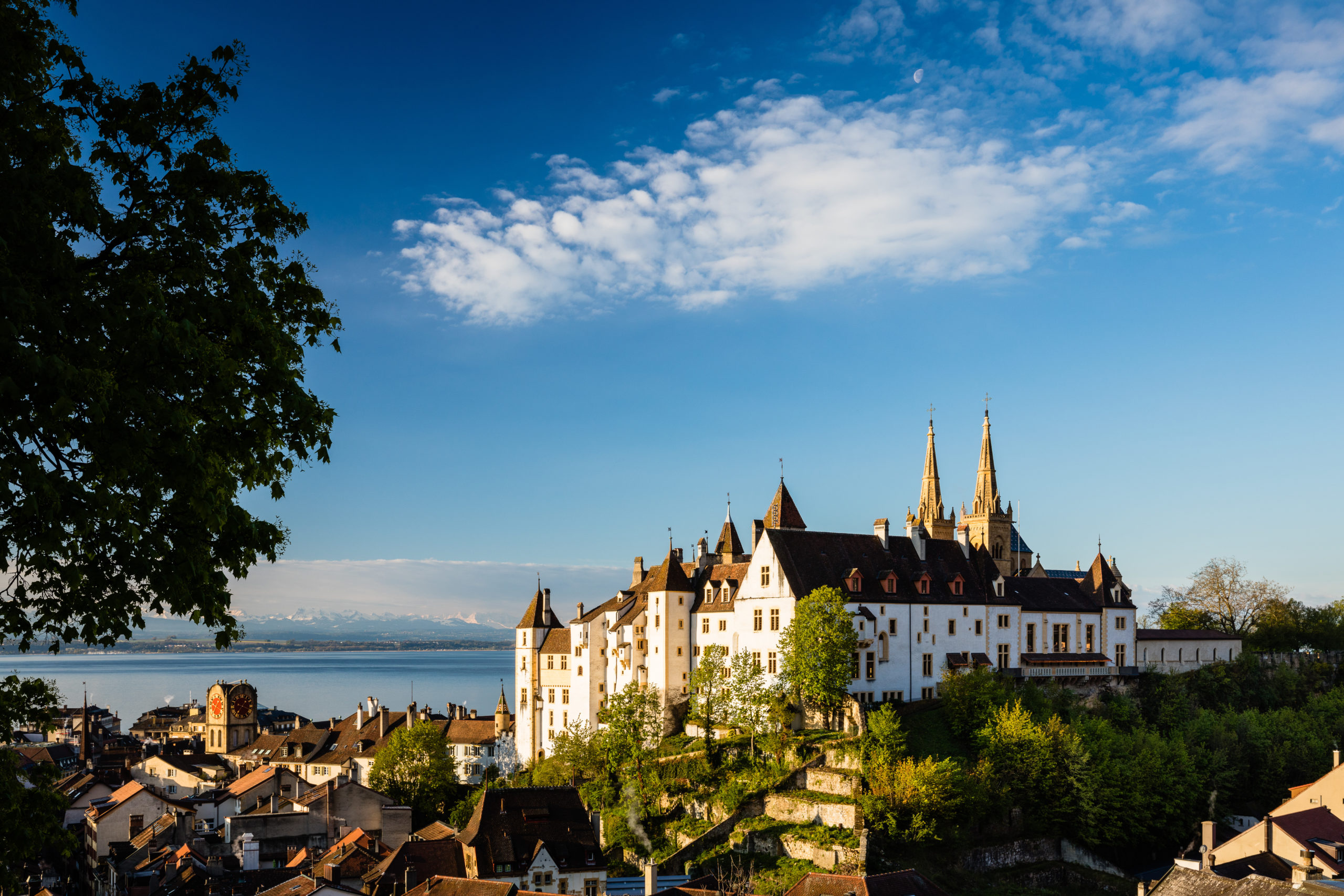
    Neuchâtel: Home to the World’s Most Innovative Nanotechnologies

    The Canton of Neuchâtel develops revolutionary microtechnology, microelectronics, photovoltaic and system engineering technologies Nestled within the Greater Geneva Berne Area lies the Canton Neuchâtel, a canton which makes up 2% of the Swiss population, yet generates 20% of Switzerland’s commercial surplus. Per capita it has grown to become the second-biggest exporter and the second-largest holder…

  • Davos: More than just the World Economic Forum

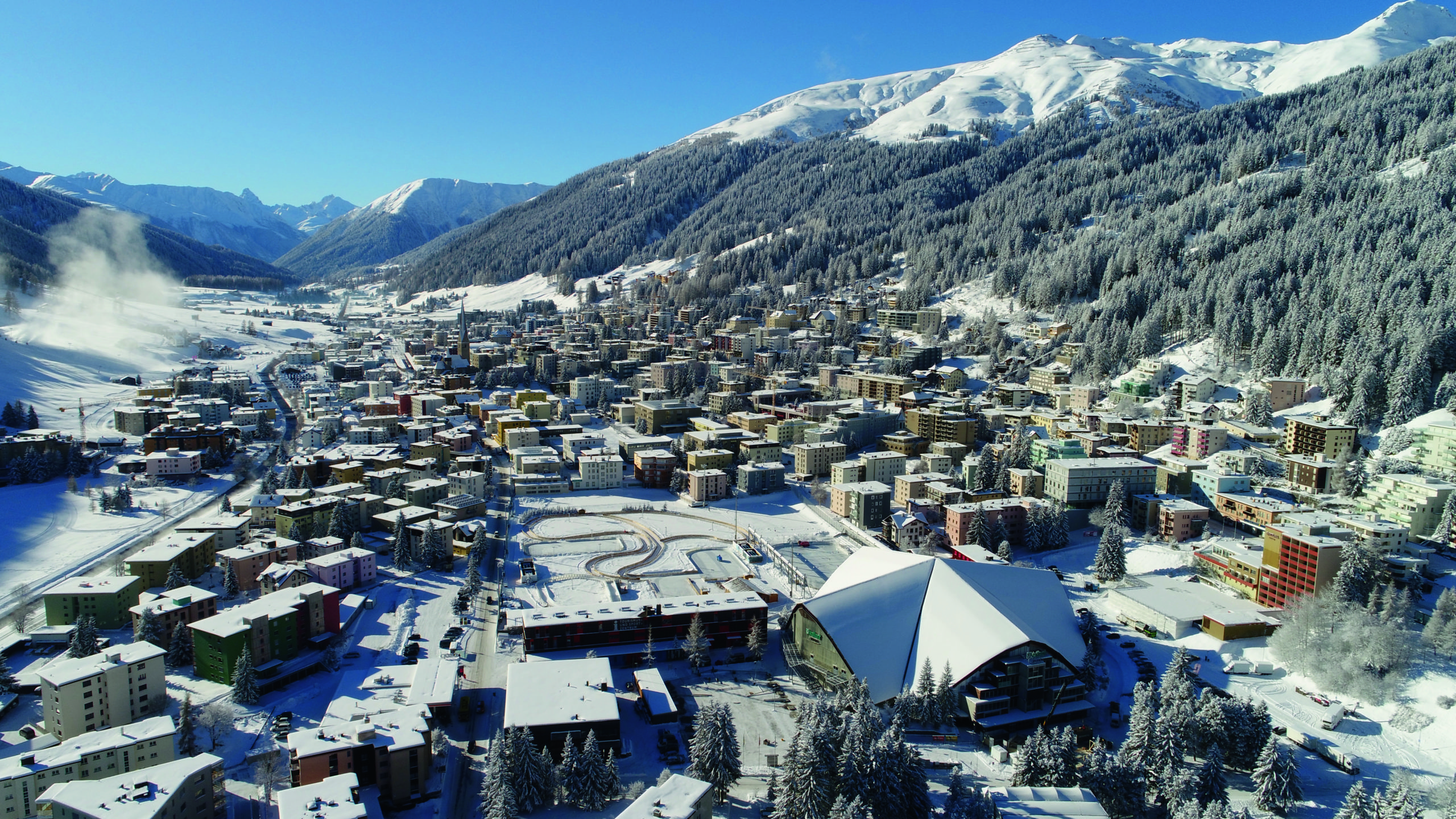
    Davos: More than just the World Economic Forum

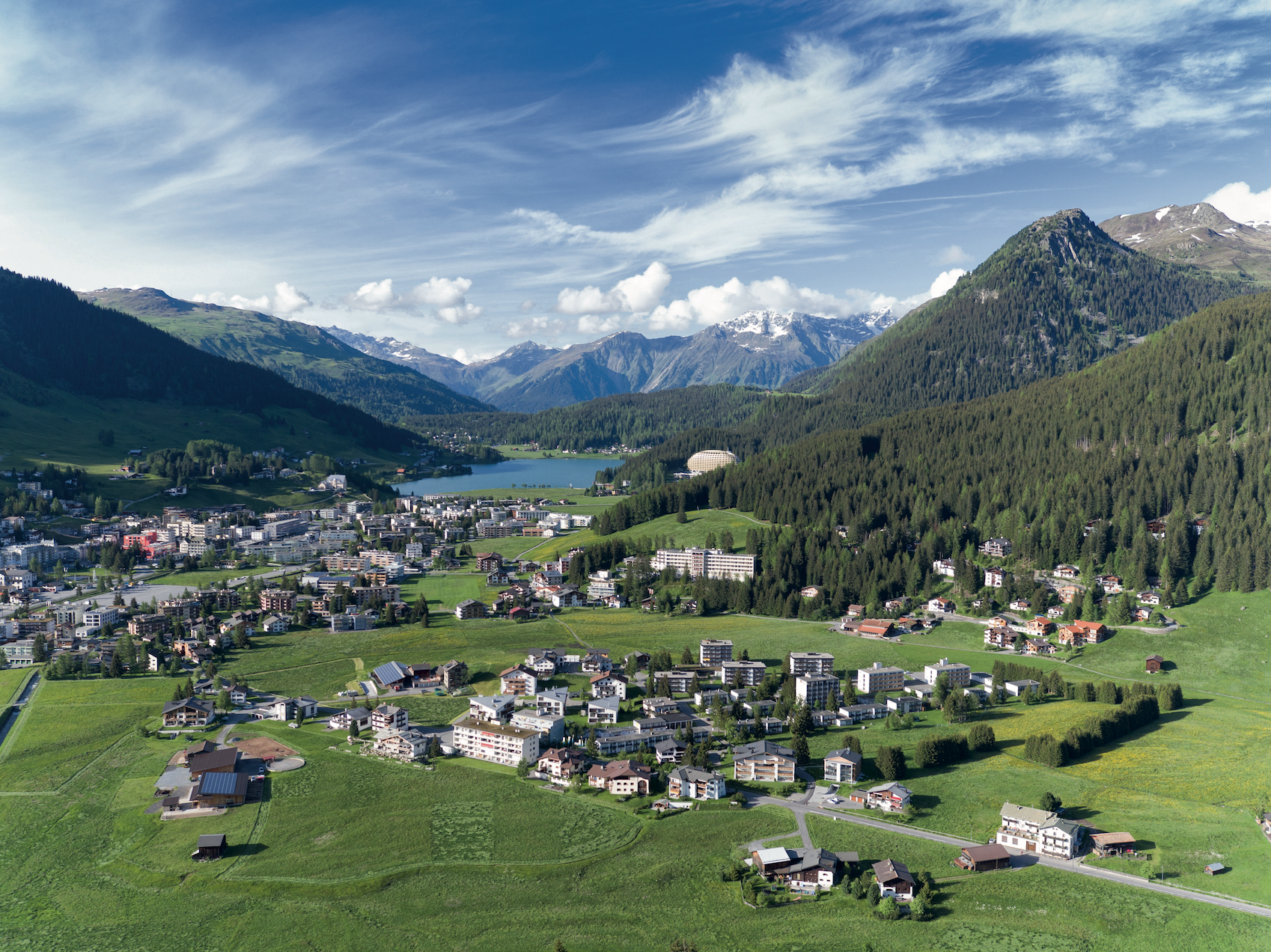
    The world’s attention descends on the small Swiss touristic ski town of Davos in the Canton of Grisons as business leaders, politicians and investors arrive. They gear up to discuss stakeholder capitalism at the Forum’s 50th anniversary. Panelists will assess global economic issues and debate solutions to some of the world’s most pressing social challenges.…

  • Geneva: The Global Capital of Peace Fostering a thriving business metropolis

    Geneva: The Global Capital of Peace Fostering a thriving business metropolis

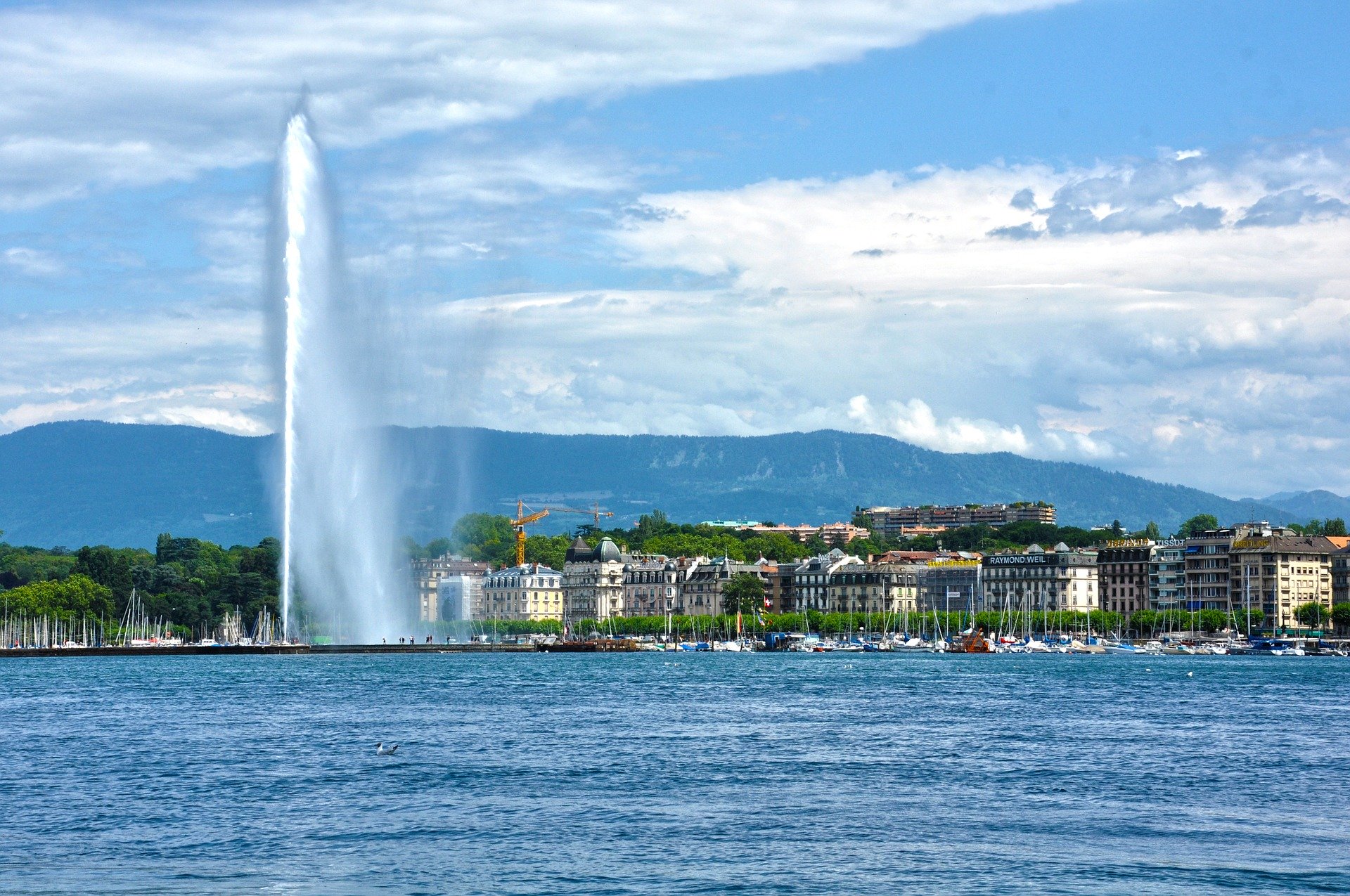
    For a city with a population under half a million, Geneva has more influence on the global stage than people would expect. Within the Greater Geneva Bern Area (GGBA), lies one of the world’s most iconic and globally-minded cities. Endearingly referred to as the “world’s smallest metropolis,” Geneva is the capital of peace, the cradle…

  • Swiss Climate Solutions

    Swiss Climate Solutions

    The challenge of modern environments The modern workplace has changed dramatically over the years. Oliver Zimmerman, CEO of Condair, highlighted that, “We are spending nearly 90% of our time within hermetically sealed artificial interiors that often are comparable to desert climates.” Our comfort within these indoor environments and the productivity of office employees largely relies…

  • St.GallenBodenseeArea: One of Switzerland’s Most Attractive Regions

    St.GallenBodenseeArea: One of Switzerland’s Most Attractive Regions

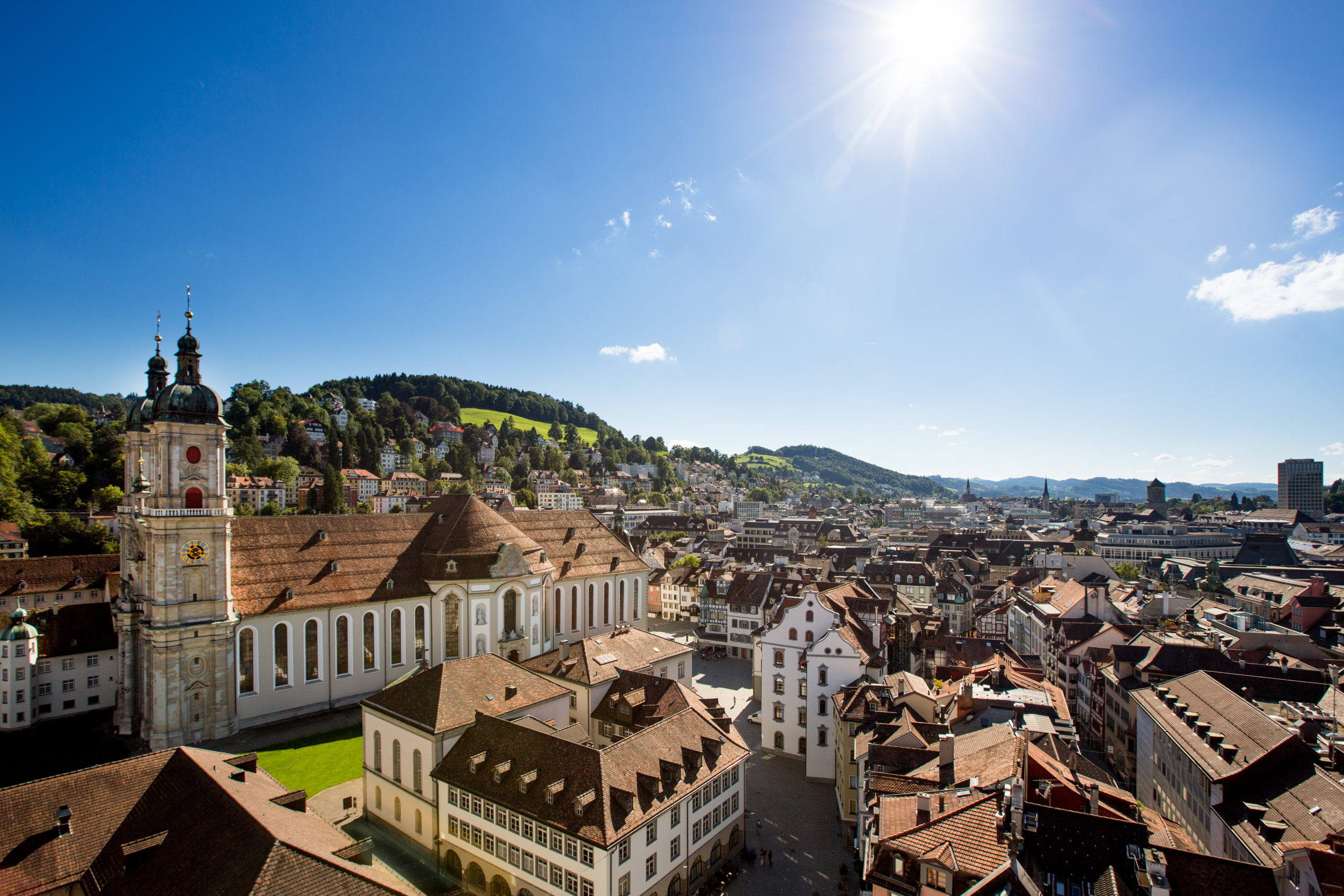
     Interview: Karin Jung, Head of the Department of Economics and Labor, Canton St.Gallen  In eastern Switzerland, lies the St.GallenBodenseeArea (SGBA), an initiative of the cantons of St.Gallen, Appenzell Innerrhoden, Appenzell Ausserrhoden, and Thurgau. SGBA is one of the largest and the most cost-efficient of the various economic areas of Switzerland, and rests between Munich and…

  • Canton Schwyz: The founding father of Swiss HealthTech

    Canton Schwyz: The founding father of Swiss HealthTech

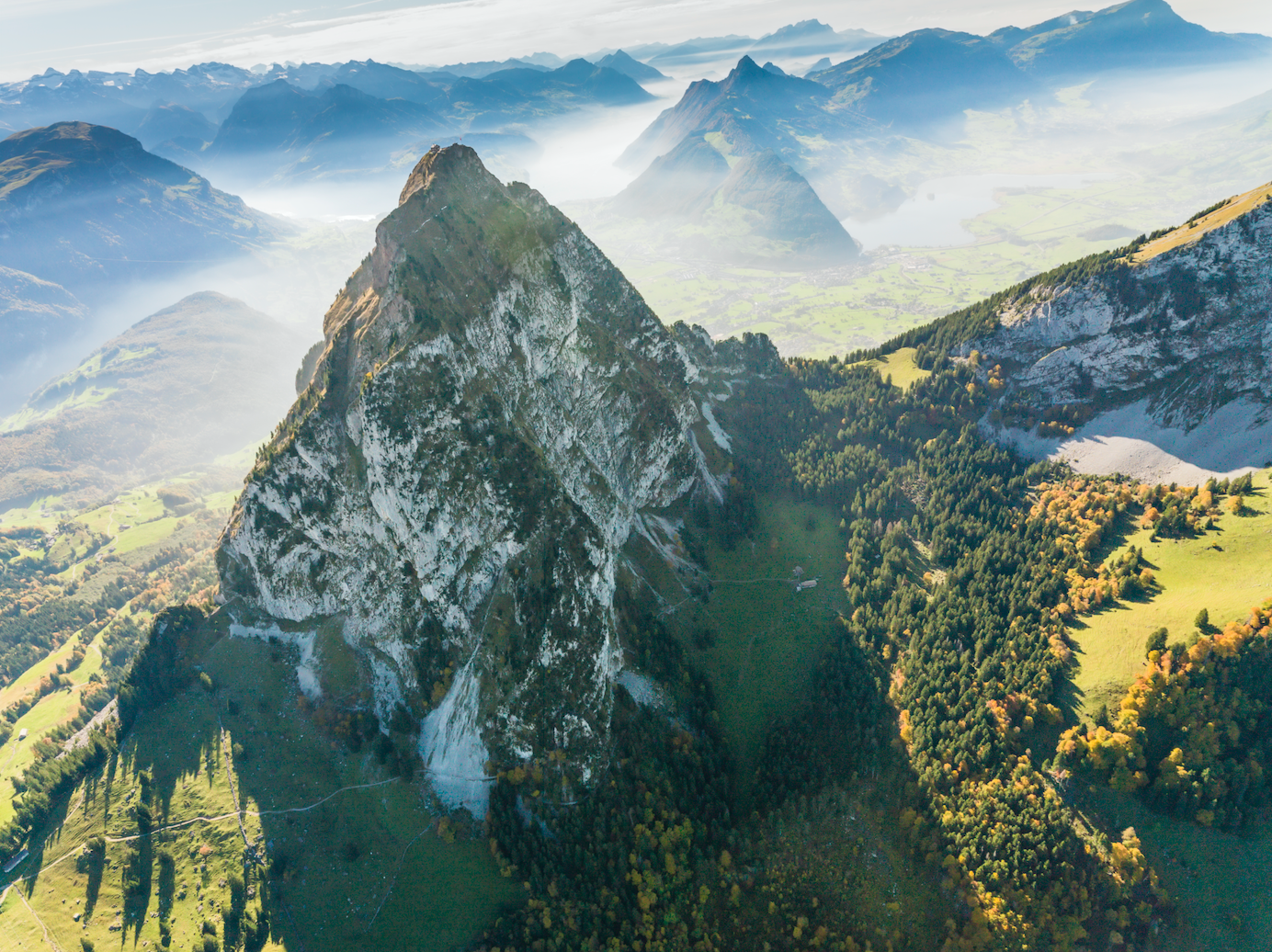
    The Canton of Schwyz is one of the founding cantons and gave the entire nation its name. It has proven itself an autonomous industrial location resilient to economic pressures, and an active innovation hub. GDP growth in Schwyz exceeds the Swiss average and productivity is astonishingly high. Interview: Andreas Barraud, Head of the Department for Economic…

  • Swiss Cheese Tackles Global Markets

    Swiss Cheese Tackles Global Markets

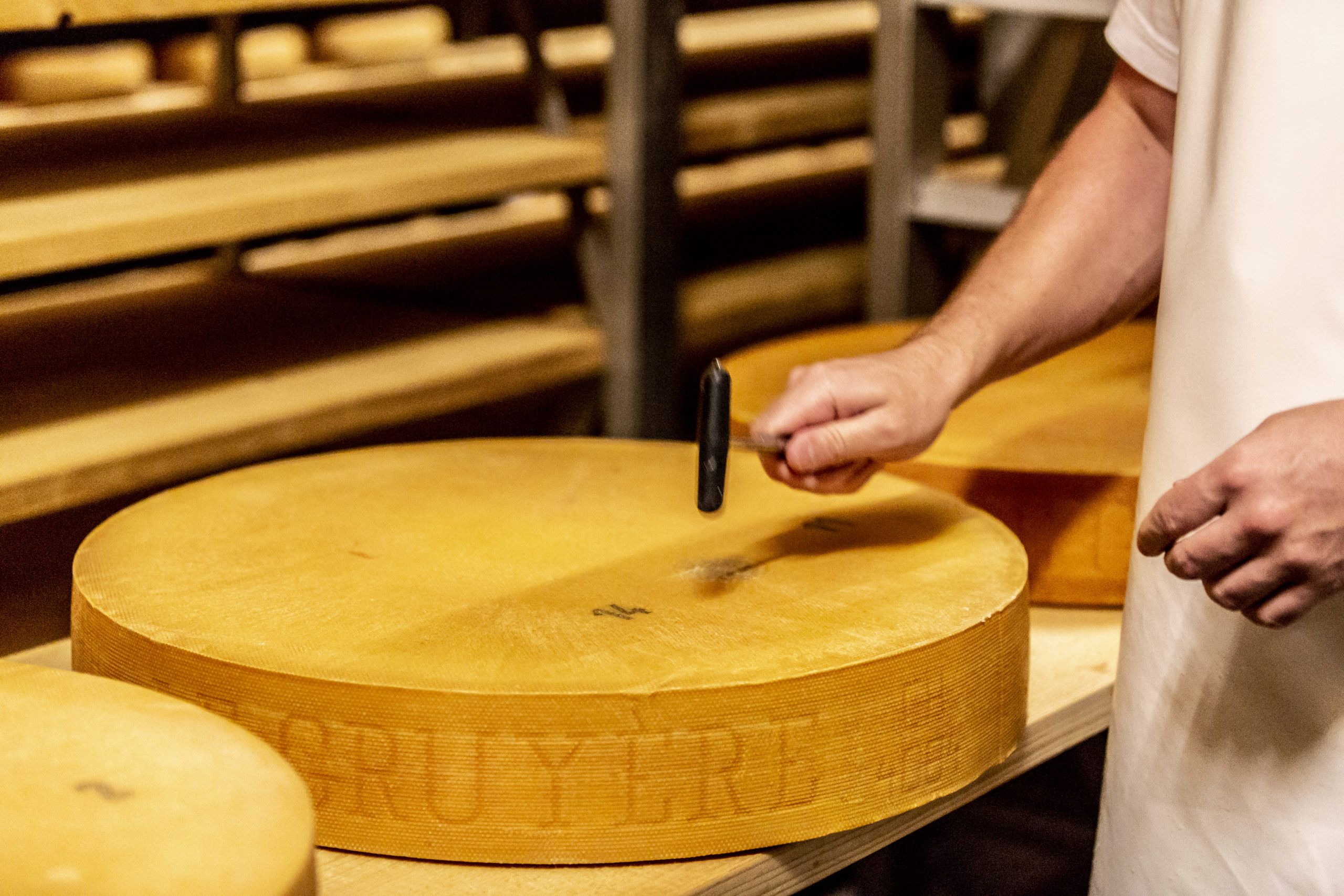
    As global food trends rapidly shift, American palates are changing. There has been an evolution from heavily processed cheeses towards traditionally produced artisan varieties, and specialty European cheeses are particularly gaining popularity in the USA. Cheesemongers know the Swiss have superior standards based on traditional methods. In general, agri-food production standards in the small alpine…

  • Switzerland’s Number One Holiday Destination

    Switzerland’s Number One Holiday Destination

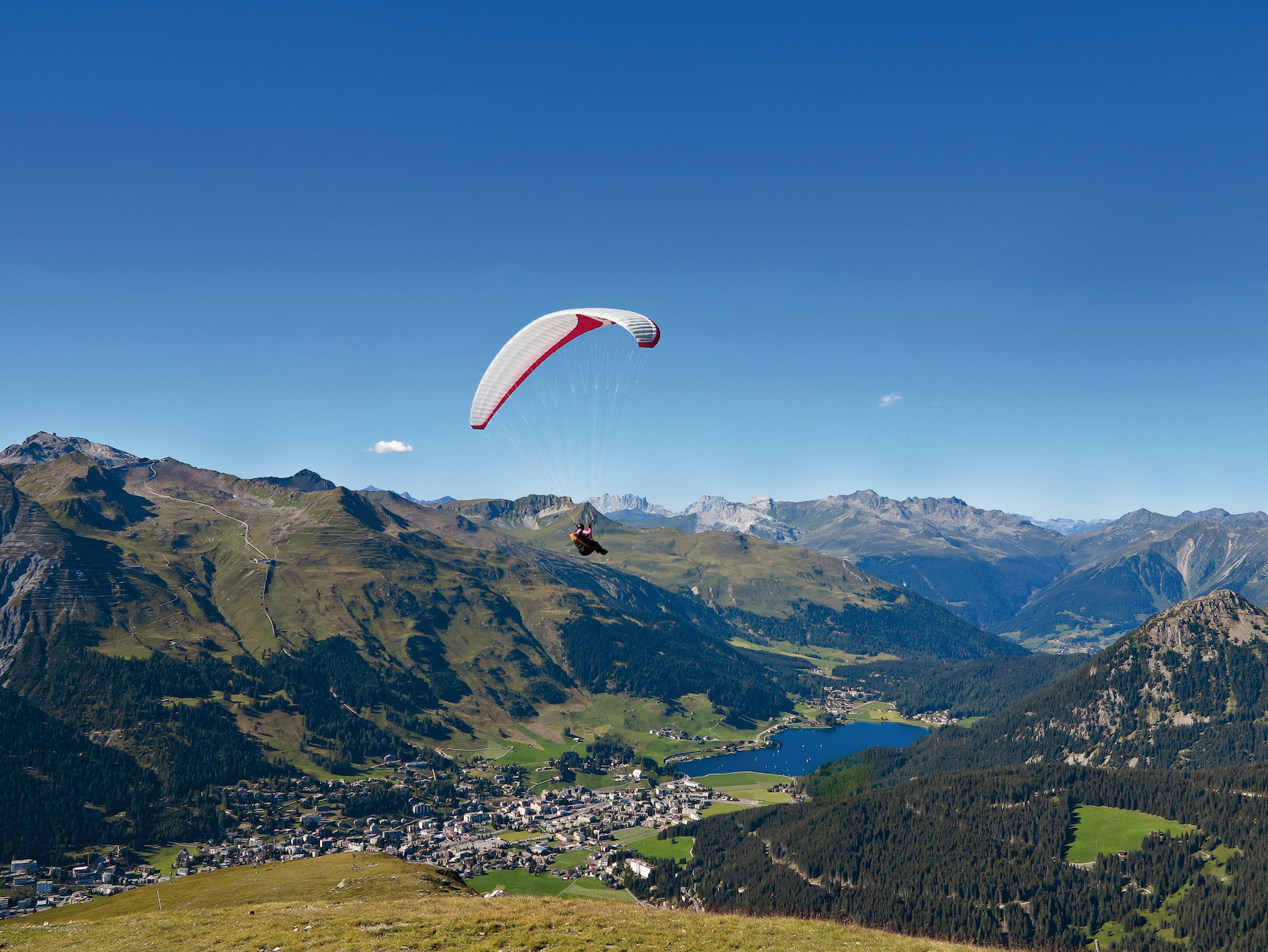
    The Canton is entirely mountainous and combines pristine wilderness and breathtaking scenery of snowcapped peaks with modern tourism infrastructure. It holds 1,000 peaks, 615 lakes, 150 valleys, and Switzerland’s only national park. Its Rhine Canyon Ruinaulta is fondly referred to as the “Swiss Grand Canyon”. This beautiful scenery was the inspiration behind Johanna Spyri’s worldwide…

  • Knowledge Generates Value

    Knowledge Generates Value

    Knowledge generates value, and it is the key to solving societal problems and overcoming global challenges. It is one of the most important resources in our society, and it will become even more important in the future. In everything that it does, the University of Bern feels its obligation to bring about benefits for science,…

  • Swiss Hospitality: Fueling the Future Needs of the Industry

    Swiss Hospitality: Fueling the Future Needs of the Industry

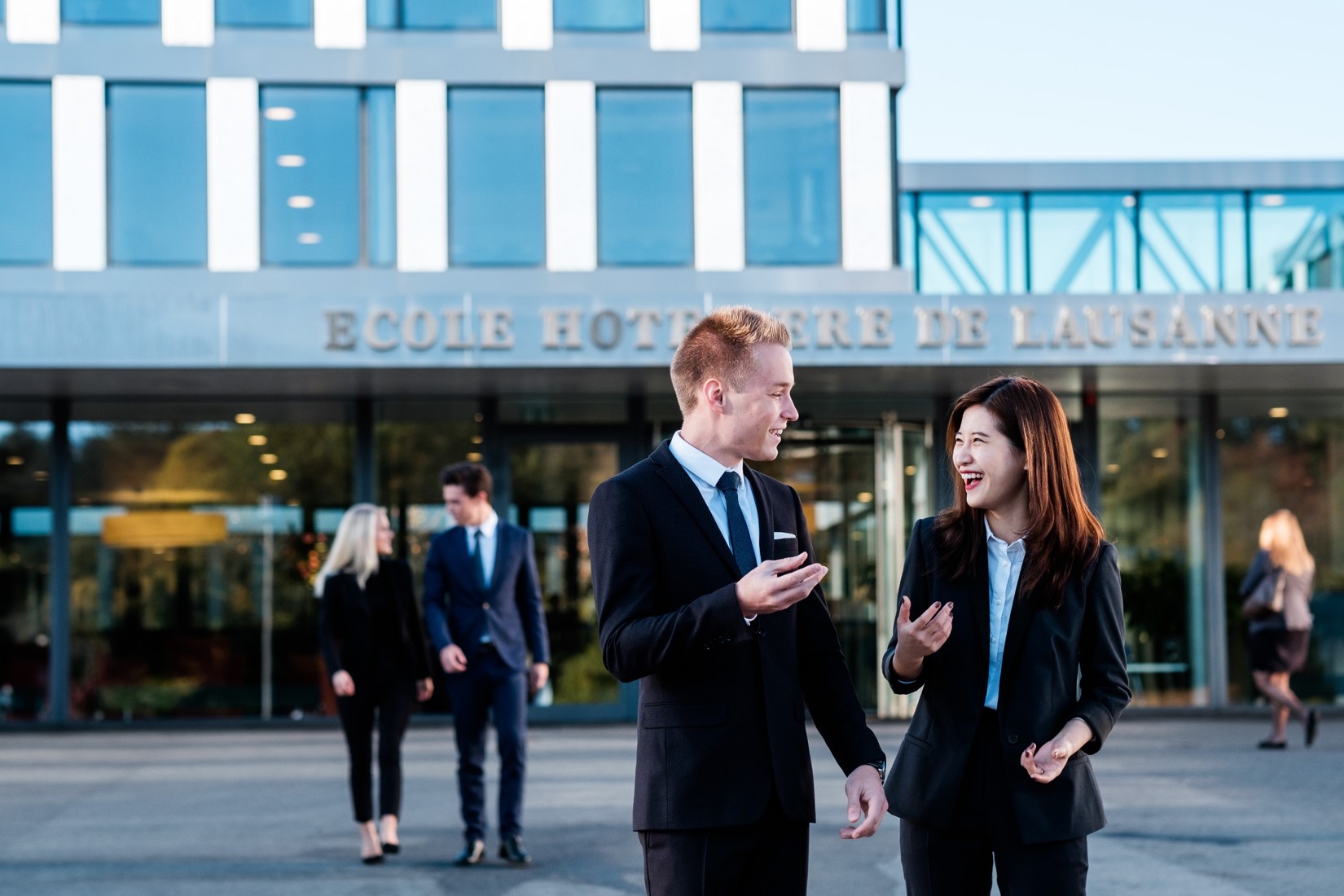
    The rise in global consumer purchasing power, coupled with developments in digital innovation, has surged an unprecedented growth in the tourism and hospitality sectors in recent years. However with this expansion, comes new challenges, and one of today’s most pressing challenges to the industry is finding and employing qualified individuals to lead companies, and the…

  • EHL Group: The Global Hospitality Powerhouse

    EHL Group: The Global Hospitality Powerhouse

    As it celebrates its 126th anniversary, the world’s top hospitality management education group enjoys a unique heritage that enriches its programs, its partnerships and energizes the future careers of its graduates. From its professional training school in the Swiss Alps, just a stone’s throw away from Davos, to its university programs in Lausanne (Switzerland), EHL…

  • Interview: Oliver Zimmermann, CEO, Condair

    Interview: Oliver Zimmermann, CEO, Condair

    Condair Group is the world’s leading manufacturer of industrial and commercial humidification and evaporative cooling solutions. Its administrative head office and main R&D center are located in the Swiss Canton of Schwyz. What is your outlook for humidity solutions in the USA? Condair offers a complete technology portfolio for all industries, and promotes the benefits…

  • Switzerland is a Global Innovation and Technology Leader

    Switzerland is a Global Innovation and Technology Leader

    Interview: Simone Wyss Fedele, CEO, Switzerland Global Enterprise (S-GE) An increasing number of American technology companies are setting up offices in Switzerland including well-known giants such as Google, Microsoft, eBay and Biogen. Simone Wyss Fedele, CEO of Switzerland’s official trade and investment promotion organization, explains why.   What are the strengths of Switzerland as business…

  • A Coffee Giant Without Growing a Single Bean

    A Coffee Giant Without Growing a Single Bean

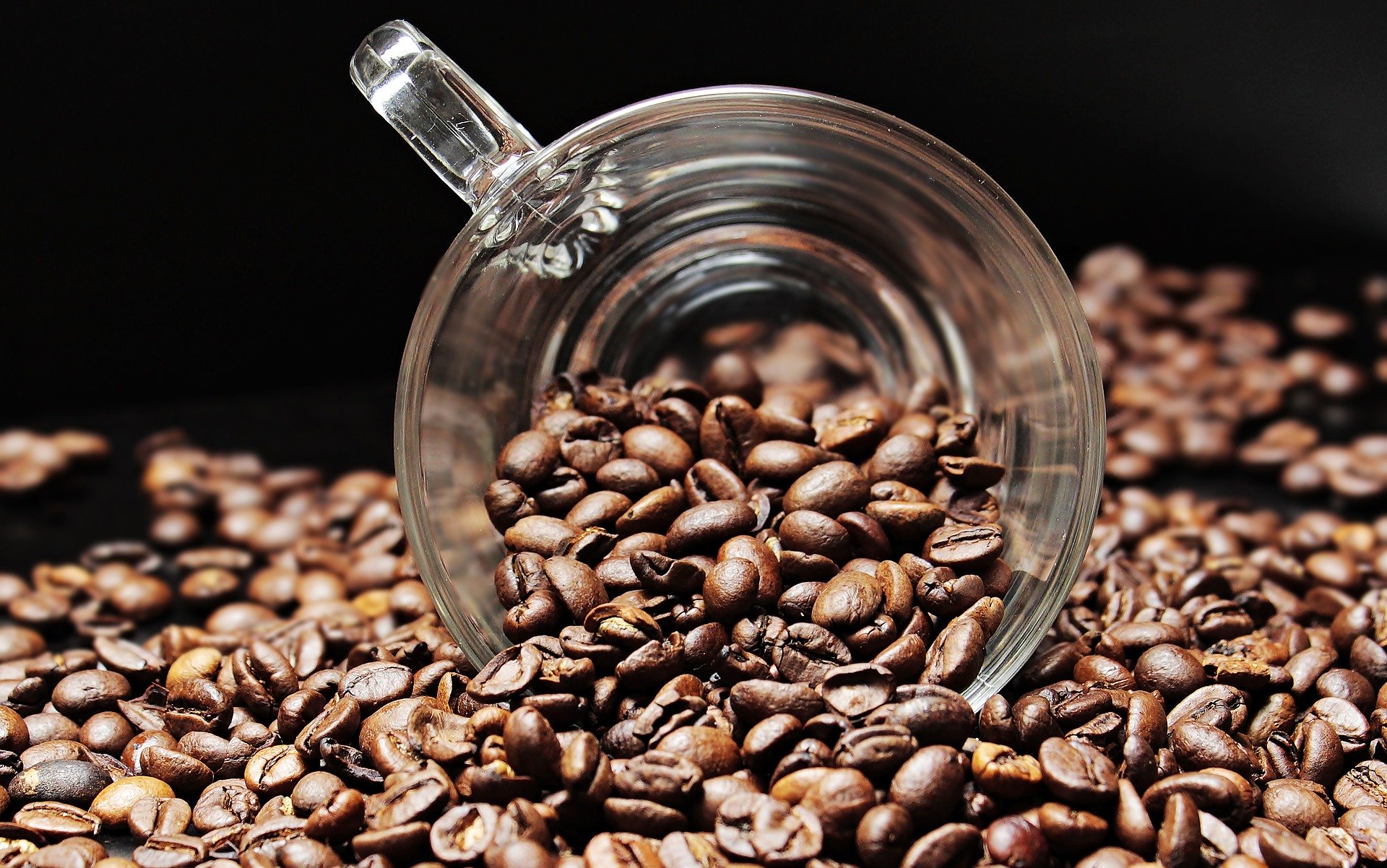
    Switzerland exported nearly $2.4 billion worth of coffee in 2018 Although no coffee trees are growing within Switzerland, the nation is one of the most significant trading places for green coffee and one of the world’s largest coffee processors. Switzerland is also one of the world’s largest green coffee importers and processors through high-tech manufacturing…

  • Industry: The Backbone of the Swiss Economy

    Industry: The Backbone of the Swiss Economy

    Switzerland is one of the biggest industrial exporters per capita For a small independent country with a population of 8.5 million, Switzerland has become a surprisingly strong industrial powerhouse with an ecosystem that is incredibly competitive. Swiss industry has represented 18% of GDP for many years, and is an important central component of the economy.…

  • Canton of Grisons: Work where you love to live

    Canton of Grisons: Work where you love to live

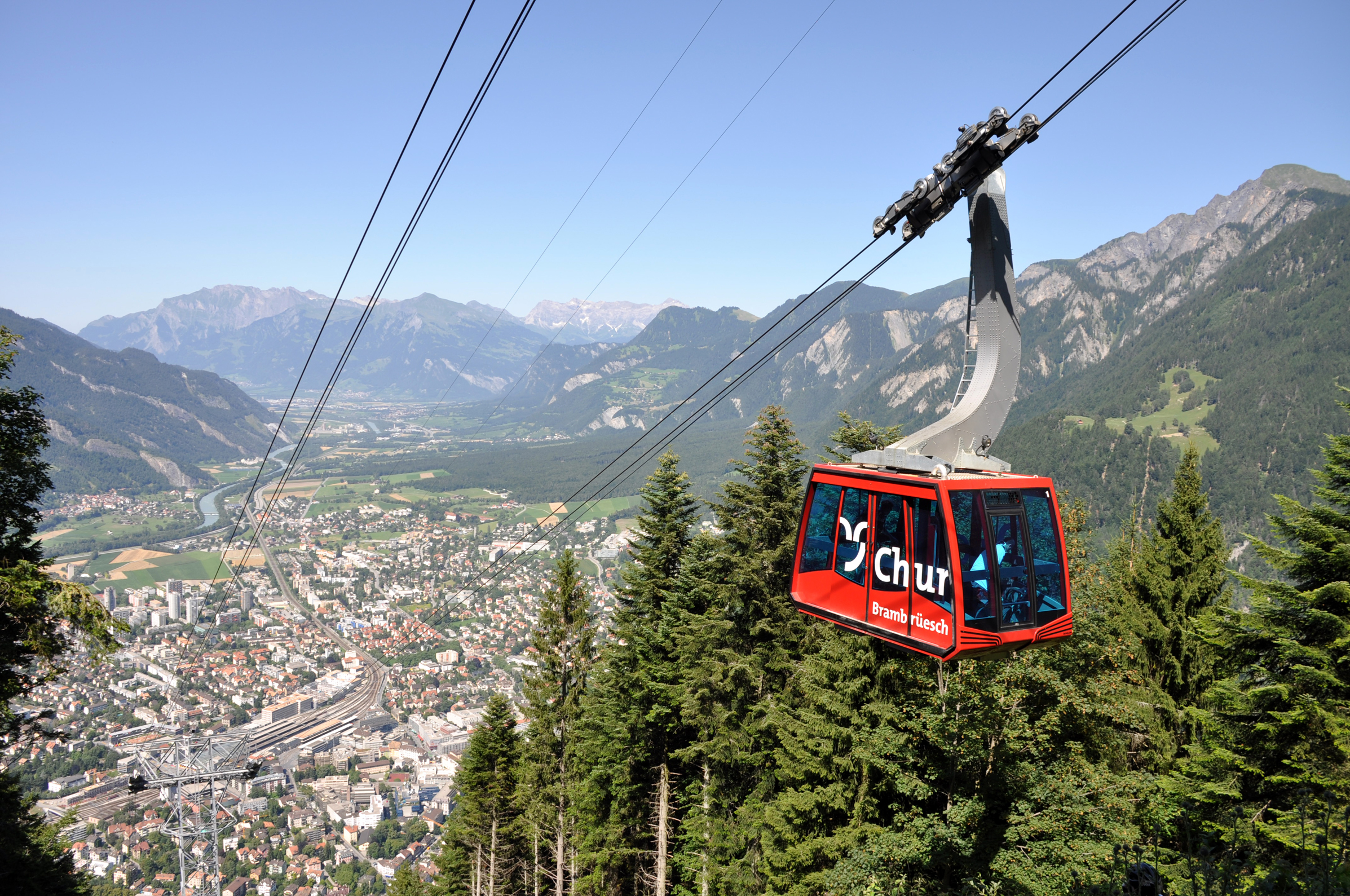
    Switzerland’s largest Canton offers much more than pristine nature, culturally enriching environments, and thrilling recreational opportunities for tourists. Suitable industrial land is increasingly scarce in Switzerland. With more than 3.2 million square feet of premium industrial zones priced nearly 25% lower than at alternative Swiss metropolitan areas, the Canton of Grisons provides one of the…

  • Boosting the Attractiveness of Grisons as a Base for Global Operations

    Boosting the Attractiveness of Grisons as a Base for Global Operations

    Interview: Marcus Caduff, Head of the Department for Economic and Social Affairs, Canton of Grisons  How do you assess the competitiveness Grisons as a base for global operations? We host the annual meeting of the WEF in Davos, and are famous for tourism in several hotspots such as St. Moritz, Laax oder Arosa-Lenzerheide. In business,…

  • Luxury Aviation

    Luxury Aviation

    Privately owned and chartered aircraft arrive to Davos symbolizing a thriving sector With Richard Gaona at the helm, Comlux has transformed as a Swiss-based service provider in the fields of business aviation, transaction and completion services, into a diversified global operation continuing to rapidly expand. Gaona is committed to continuously setting new standards in the…

  • Switzerland Innovation, Connecting Great Minds

    Switzerland Innovation, Connecting Great Minds

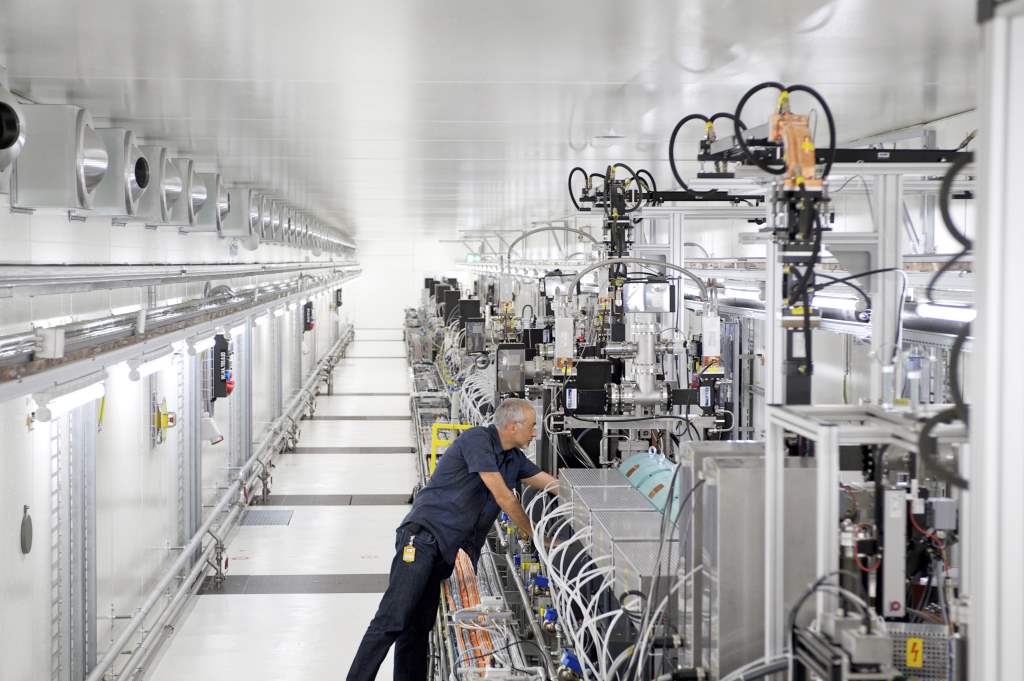
    From proton therapy for deep-seated tumor irradiation, to minimally invasive robot-assisted computer-guided laser osteotome, and innovative cancer immunotherapy research, Switzerland Innovation is facilitating world-class collaborations for companies, startups and universities to come together under one roof and find innovative solutions to some of the world’s greatest challenges. Switzerland Innovation is the epicenter of merging talent,…