Country Profile: Serbia

Regional integration – Western Balkan neighbors are increasing collaborations

History: Serbia was shaped as a nation by the numerous external invasions it suffered; starting in the 4th century BC with the Celts overthrowing the Illyrians, the arrival of the Romans and the Slavs in the sixth century AD. A crucial event in AD 395 was when Roman Emperor Theodosius I gave Serbia to the Byzantines,  together with the fact that Sts Cyril and Methodius converted Serbia to the orthodox religion, resulted in the country being locked into Eastern Europe.

The Serbians were crushed in 1371 by the Ottoman Turks who eventually took Kosovo and Smederevo, which effectively ended Serbia´s independence. Belgrade was captured in 1521.

During the following centuries, many rebellions took place against the Turks. Thanks to Russia, the First National Uprising of 1804 was successful but the Russians made peace with the Turks, and the Serbian rebellion failed once again. The second National Uprising of 1815, in which the Turks allowed Serbia some autonomy, was the path to Serbia´s independence. Serbia became a kingdom in 1882.

The assassination of Archduke Franz Ferdinand in 1914 by a Bosnian Serb was used as a reason to invade Serbia, which triggered WWI.

In 1918, the Kingdom of Slovenes, Croats, and Serbs was formed, which included Serbia, Montenegro and Dalmatia, Croatia-Slavonia, Slovenia, Bosnia and Herzegovina, and the Vojvodina, which were South Slav territories.

In 1929, King Alexander I declared the new state a dictatorship which was renamed Yugoslavia. From the start, there were tensions between Croats and Serbs, and in 1934 King Alexander was assassinated.

Yugoslavia joined the fascist Tripartite Alliance. This was a short-lived pact, triggering a military coup and a sudden withdrawal from the alliance. The Germans bombed Belgrade and invaded Yugoslavia in 1941. Belgrade was liberated by the Communist guerrilla led by Josip Broz Tito, together with the Russians, and a Communist regime was introduced. After Tito’s breaking with Stalin, Yugoslavia became independent. With the death of Tito in 1980, the system began to crumble, and Yugoslavia finally broke up in 1991-92.

Serbian nationalists defended a Greater Serbia encompassing Serbs in the other republics. The Communist Party leader in Serbia, Slobodan Milošević who became president of Yugoslavia in 1997, adopted this doctrine and violence followed between the Albanians of Kosovo and Serbs. The demands of the U.S., Great Britain, Russia, Italy, Germany and France to cease fire and to withdrawal, Serbian forces from Kosovo were not met by Milošević. NATO began a bombing campaign which expanded to Belgrade and lasted 11 weeks. In the presidential elections of 2000, Vojislav Koštunica declared victory and restored ties with Europe. 

Serbia became a stand-alone sovereign republic in 2006 after Montenegro voted in a referendum for independence from the Union of Serbia and Montenegro. This marked the historical end of the separation of the six republics of the Socialist Republic of Yugoslavia which comprised Serbia, Montenegro, Slovenia, Croatia, Bosnia-Herzegovina, and Macedonia. From the start, Serbia suffered the recession of 2009, but today the economy is growing. The 1st Intergovernmental Conference with Serbia in January 2014 indicates the beginning of Serbia’s negotiations to become part of the EU.

Geography: The sovereign republic of Serbia is at the crossroads of Southeast and Central Europe. It has borders with Bulgaria, Croatia, Bosnia-Herzegovina, the Republic of Macedonia, Hungary, Bulgaria, Romania, Montenegro, and Albania through Kosovo.

It has access to the Adriatic Sea through Montenegro, and shipping access to inland Europe as well as the Black Sea is possible through the Danube River.

Serbia’s terrain is extremely varied with rich and fertile plains to the North, limestone basins and ranges to the East and ancient hills and mountains to the Southeast. The Northeast is rich, and fertile thanks to the Danubian Plain drained by the Danube, Morava, Sava, and Tisa river systems, all of which, together with the Drina River, conform Serbia’s main rivers.

Four mountain systems converge in Serbia: the Carpathian Mountains, the Balkan Mountains, the Dinaric Alps, and the ancient mountains of the Rilo Rhodope mountain system. The Balkan Mountains create the natural border with Romania and Bulgaria, the valleys and hills of the Dinaric Alps cut through Serbia west of the Morava River.

Climate: Serbia has a predominantly continental climate; cold winters and warm summers. The north of Serbia typically has a continental climate, while the South and South-West have a climate of Mediterranean influence.

Language:  The official language is Serbian. Despite being spoken throughout the country, there are some exceptions; in southern Serbia, it’s the Torlakian dialect which is spoken by most Serbians. Other minority languages like Bosnian, Croatian, Slovak, Rusyn, Bulgarian, Hungarian, Albanian, and Romanian are officially recognized in Serbia.

Demographics: The total population in Serbia is 7.1 million (this does not include the population of Kosovo). Serbians are the largest majority when it comes to ethnic groups, while Hungarians are the largest minority followed by Roma people and Bosniaks. Croats, Slovaks, Albanians, Montenegrins, Romanians, Macedonians, and Bulgarians are other minority groups.

Natural Resources: Serbia has considerable natural resources but is lacking in mineral fuel, making the country dependent on Russia for crude petroleum and natural gas necessary to meet its domestic demand. It has one of Europe’s most abundant copper resources, located mostly in the Timoc District in northeastern Serbia. As well as copper, the industry produces iron and steel with significant production of gold, lead, coal, salt, and selenium. Lead and zinc production comes from Kopaonik, Raška. The southwestern regions of Serbia have timber and hydroelectric potential.

Politics: The framework under which Serbia functions is within a parliamentary democracy. The country is a parliamentary republic where the head of government is the prime minister, and the head of state is the president.

There are three branches of government in this parliamentary republic: judiciary, executive, and legislature. Serbia’s political system is based on the principle of separation of authority between these three.

The executive authority is held by the Government of the Republic of Serbia consisting of a prime minister, two vice presidents and 18 ministries.

As of 2017, Aleksandar Vučić is the President of Serbia and Ana Brnabić is the Prime Minister. Aleksandar Vučić became prime minister after a large victory in the parliamentary elections of 2014. He pledged an overhaul of Serbia’s economy and accelerated drive towards EU accession. Also to combat endemic corruption.

His reforms included diminishing the public sector, reforming the budget, privatizing state-owned enterprises and supporting the private sector. He won his candidacy for the presidency with a comfortable victory in 2017.

The prime minister leads a cabinet and exercises executive power. The president names the designate after deliberation with parliamentary leaders, and the National Assembly is in charge of choosing the prime minister. The prime minister nominates the cabinet ministers while the National Assembly confirms them. The president is elected by popular vote. It’s a five-year term, and it can be extended by-elections for two more terms at most.

The National Assembly wields legislative power and constitutional authority. It’s formed by 250 deputies who are elected by secret ballot.

Serbia has a system of civil law; the courts are not bound by precedent, but they solely interpret legislation. The Supreme Court of Cassation is the head of the judicial system. Other established courts are the Appellate, High, and Basic Courts.

The multi-party system in Serbia allows for many political parties, but because of the improbability for one party gaining power alone, there is a cooperation of multiple political parties forming coalition governments, helping to reduce the dominance of any one party. Elections are held every four years at three levels: local, provincial, and parliamentary. Presidential elections are held every five years.

Religion: The Constitution of Serbia protects the freedom of religion. Having the Serbian Orthodox Church at the head of the country’s religion, Christianity is the main religion with an 85% of the population adhering to the Orthodox faith. The Catholic Church is the second biggest religion. Islam is also present, mostly in Novi Pazar and southwest regions.

Cuisine: Serbian cuisine has been influenced by the rich mix of cultures passing through or living in the region. It is very diverse and can be described as a mixture of Greek, Bulgarian, Turkish and Hungarian cuisine. A centuries-old tradition is drinking coffee, and the national fruit is the plum, from which rakia is brewed.
More Articles

  • Become a Sliabh Liag Distillers Seanchaí

    Become a Sliabh Liag Distillers Seanchaí

    Seanchaí – Custodian of an oral tradition In a way, we are all seanchaí (phonetically pronounced: “shan-a-key”)  – story tellers, legend keepers and curators to our own story’s lives. Sliabh Liag Distillers’ invites you to become a Seanchaí and own one of 600 exclusive casks. Choose from Casks of smoky Donegal Single Malt or Pot…

  • Ireland’s Medtech Ecosystem

    Ireland’s Medtech Ecosystem

    Cook Medical is one of many key players within Ireland’s innovative medtech cluster. The company’s award-winning Limerick facility handles the R&D behind many successful medical technology products Since 1996, US-based medical technology company, Cook Medical, has operated a facility in Limerick. This facility was initially limited to basic manufacturing, labeling, and distribution work for its…

  • Sustainability: Meeting the Needs of the Present without Compromising the Future

    Sustainability: Meeting the Needs of the Present without Compromising the Future

    The Irish food industry is one of the most scientifically advanced and sustainable globally  The small island of Ireland has rich, fertile soil and privileged weather for farming. Agriculture has historically been Ireland’s largest indigenous industry, and today it continues the tradition. While the island has a population of 5 million people, it consistently exports…

  • Irish Academia: A Collaborative Approach to Innovation

    Irish Academia: A Collaborative Approach to Innovation

    Ireland’s world-class higher education sector, in collaboration with industry and research focused institutions, bolsters Ireland’s research and development (R&D) ecosystem and fosters innovation across the country Ireland is an innovation powerhouse. The country has become a science and technology global leader driven by a higher education sector prioritizing research and development (R&D).  The small yet…

  • The Inclusive University with Innovation & Entrepreneurship in its DNA

    The Inclusive University with Innovation & Entrepreneurship in its DNA

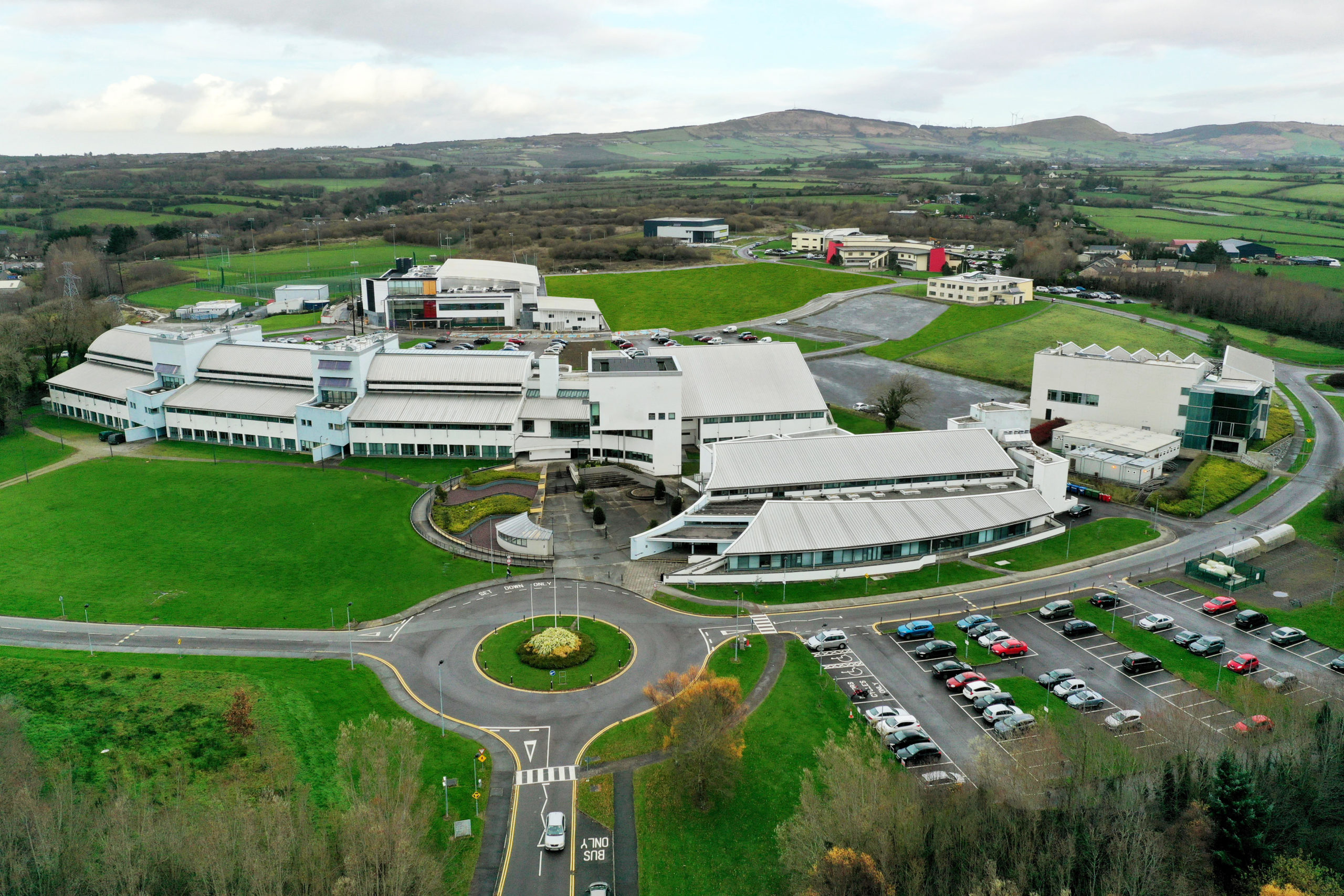
    Munster Technological University (MTU) was created on January 1st, 2021. MTU, which consists of six campuses across Cork and Kerry with a student body of more than 18,000, is a center of excellence in education, research and engagement for career-focused learners seeking enterprise and community-ready qualifications and experiences Ireland is one of the most diverse…

  • University College Dublin: Shaping The Future Through Research and Innovation

    University College Dublin: Shaping The Future Through Research and Innovation

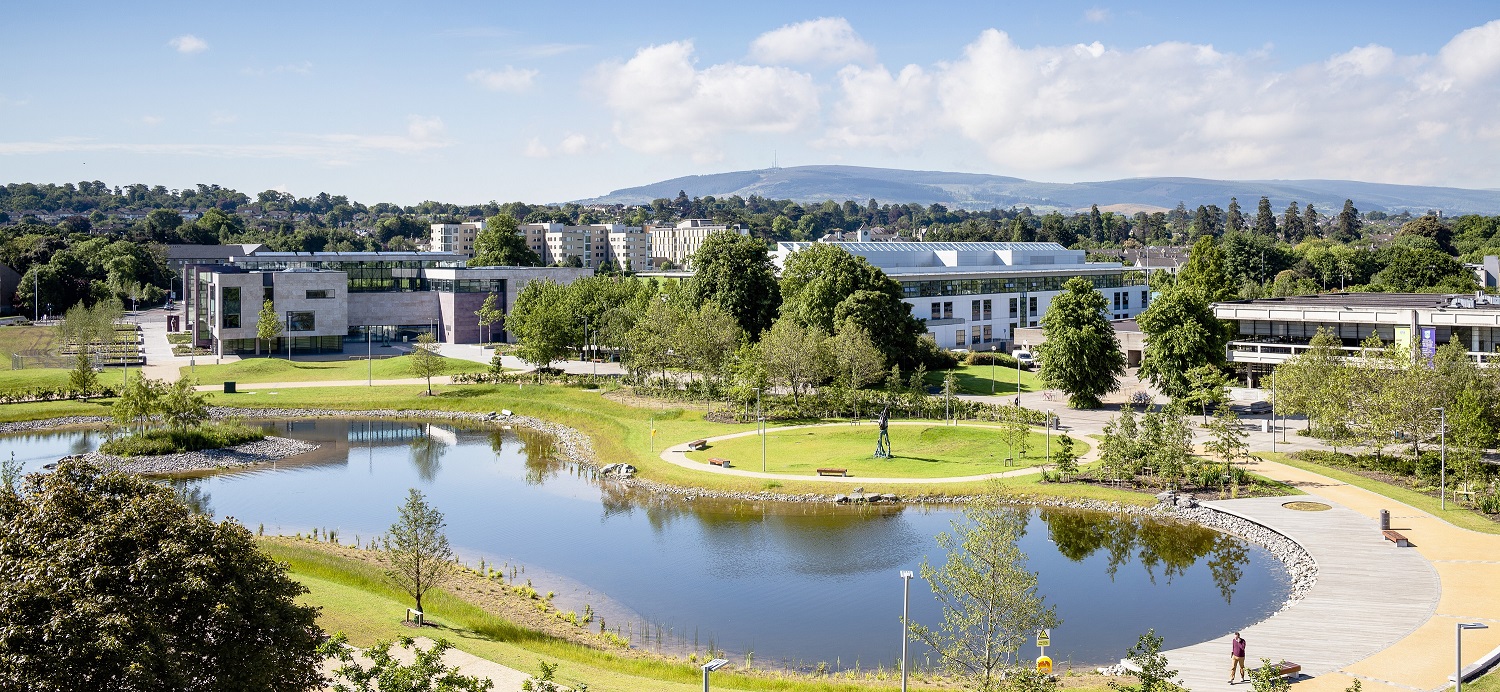
    University College Dublin (UCD), Ireland’s global university and a leading European research-intensive university, was established over 160-years ago Internationally focused and forward-looking, UCD recently launched ‘Shaping the Future’, a new research and innovation strategy. This strategy sets out its ambitious plans to build on its success to date and grow the excellence and impact that…

  • Ireland’s Global Leader on the Edge of the Atlantic

    Ireland’s Global Leader on the Edge of the Atlantic

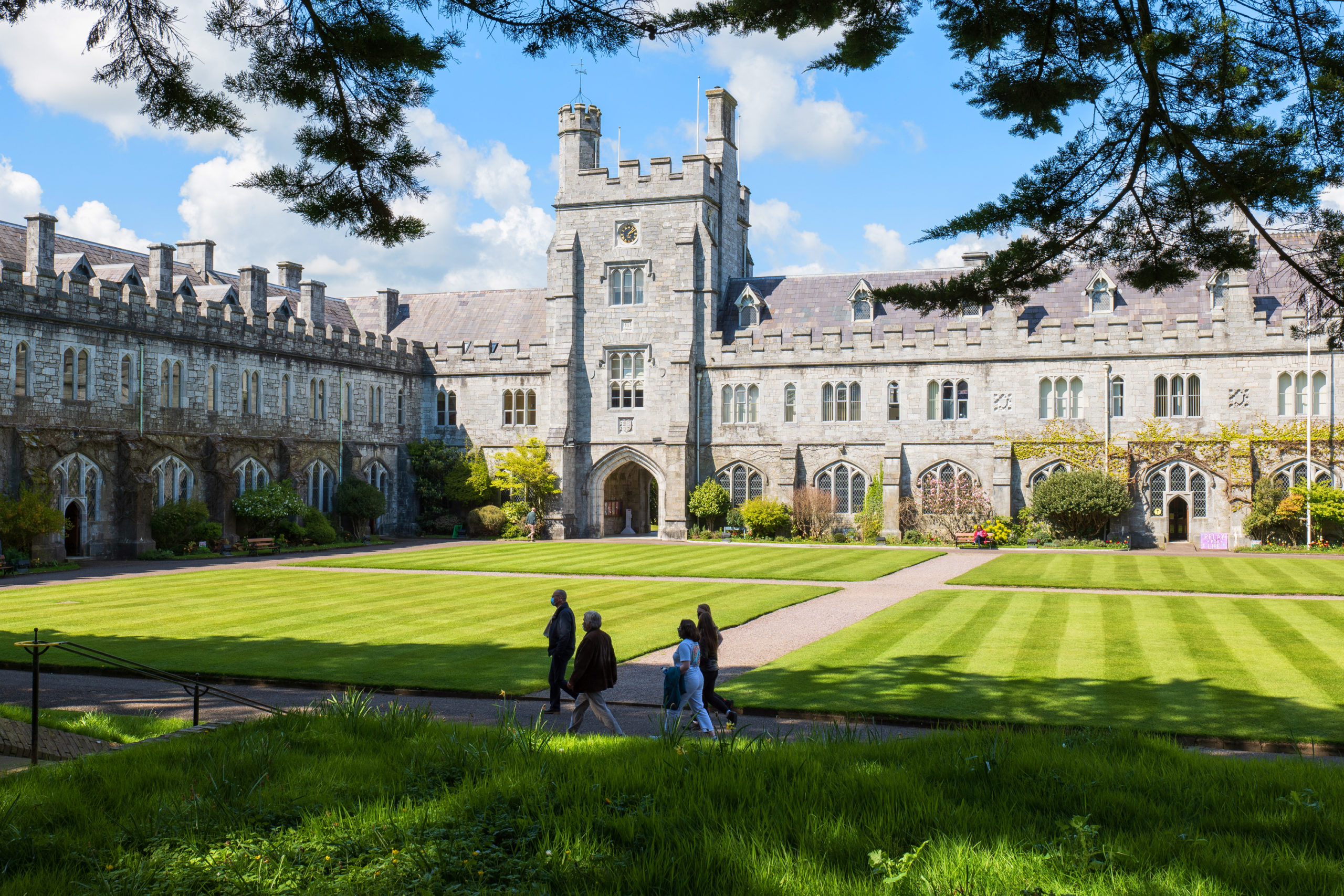
    In the south-west of Ireland, a university is driving the growth of a region that has become increasingly attractive for international study and foreign direct investment Cork is Ireland’s second-largest city, located in the southwest of Ireland in what is considered one of the most beautiful regions of the country. This is a spectacular part…

  • TU Dublin’s New Campus Transforms Downtown

    TU Dublin’s New Campus Transforms Downtown

    Ireland’s First Technological University Breaks National Records With Infrastructure Development Project Though it was officially established on January 1, 2019, Technological University Dublin (TU Dublin) is not a newcomer to Ireland’s educational landscape. Its history goes back to the Dublin School of Technology, a pioneering post-secondary institution established more than 130 years ago. Recently, TU…

  • Ireland: the Second-Largest Funds Domicile in Europe

    Ireland: the Second-Largest Funds Domicile in Europe

    With an increase in allocation to ESG products, Ireland is becoming a leader in sustainable finance The European Commission’s Green Deal is striving to make Europe the world’s first climate neutral continent by 2050. To make this ambition a reality, the European Commission’s Action Plan on Sustainable Finance is redirecting EUR one trillion of capital…

  • Irish Consulting: Helping Navigate Complex Geopolitical Shifts

    Irish Consulting: Helping Navigate Complex Geopolitical Shifts

    Managing Partner of EY Ireland answers questions about the future of the industry Similar to other sectors in Ireland, the Irish professional services industry has rapidly expanded in recent years in parallel with increasing FDI and ever growing business activity. Ireland has long been a strategic gateway for global operations, and in particular as a…

  • For Many Irish Companies, Flexible Workspaces are the Perfect Fit

    For Many Irish Companies, Flexible Workspaces are the Perfect Fit

    Workspace providers bounce back from COVID-19 pandemic With the lifting of one of the longest COVID-19 lockdowns in the world, decision-makers in Ireland look toward the future of their company function. Flexible workspaces have come center-stage, particularly in Dublin, as the popular alternative to the traditional private office. Companies big and small have found that…

  • International Financial Services Remains a Key Sector

    International Financial Services Remains a Key Sector

    Despite Challenges, the Sector Remains Strong Finance is big business in Ireland, and as of late, international financial services (IFS) in particular play a crucial role in the Irish economy. 11 of the world’s 15 largest insurance businesses have a presence in Ireland, with Irish insurance companies serving 25 million customers across 110 countries. Additionally,…

  • Ireland’s Commitment to the EU Underpins its Desirability as a European Base

    Ireland’s Commitment to the EU Underpins its Desirability as a European Base

    Grant Thornton Irish desks across the USA help facilitate the internationalization process The Republic of Ireland’s commitment to the European Union, ease of business, and reliable tax structure have been core pillars in the country’s ability to attract global financial services firms. Therefore, it is not a surprise Ireland has been the destination of choice…

  • Ireland as a Global Hub for Finance

    Ireland as a Global Hub for Finance

    The country’s financial services sector is one of the EU’s most important hubs Ireland is a financial powerhouse, and the fourth largest provider of wholesale financial services in the European Union. The country’s international financial services (IFS) sector encompasses more than 430 financial services companies serving every major economy globally. Home to 20 of the…

  • Ireland: the Jurisdiction of Choice for American Companies in Europe

    Ireland: the Jurisdiction of Choice for American Companies in Europe

    A conversation with Alan Connell, Managing Partner of Eversheds Sutherland Ireland Before the financial crash in 2008, Ireland was one of the biggest European success stories. Nicknamed the ‘Celtic Tiger,’ the island nation had low unemployment, low inflation, modest public debt, and solid growth.  Alan Connell, Managing Partner of Eversheds Sutherland in Ireland, the country’s…

  • Cubic Telecom: Delivering Connected Software Solutions to the World

    Cubic Telecom: Delivering Connected Software Solutions to the World

    Innovative Irish companies, like Cubic Telecom, are playing a major role in the digital transformation of some of the world’s most important industries Ireland has emerged as a technology hub for innovation, with many of Silicon Valley’s most valuable companies setting up their European base there. Beyond attracting top industry players with its supportive business…

  • Realizing the Potential of Ireland’s IFS

    Realizing the Potential of Ireland’s IFS

    Technology-driven innovation and forward-thinking financial institutions are driving the success of Ireland’s international financial services sector To ensure Ireland’s international financial services industry (IFS) continues to thrive as a top-tier global location of choice for IFS, the Irish government created a strategy, Ireland for Finance. The strategy is based on four key pillars. First, by…

  • Cost-Effective Energy Efficiency

    Cost-Effective Energy Efficiency

    West Cork-Based Infrared Heating Business Upholds Nation’s History of Applied Innovation As the world grapples with climate change, there has been a renewed focus on sustainability, and corporations continue to seek solutions to achieve their new ESG targets. As one of the most energy-intensive economic sectors, industry is increasingly the focus of scrutiny. Solutions to…

  • County Monaghan

    County Monaghan

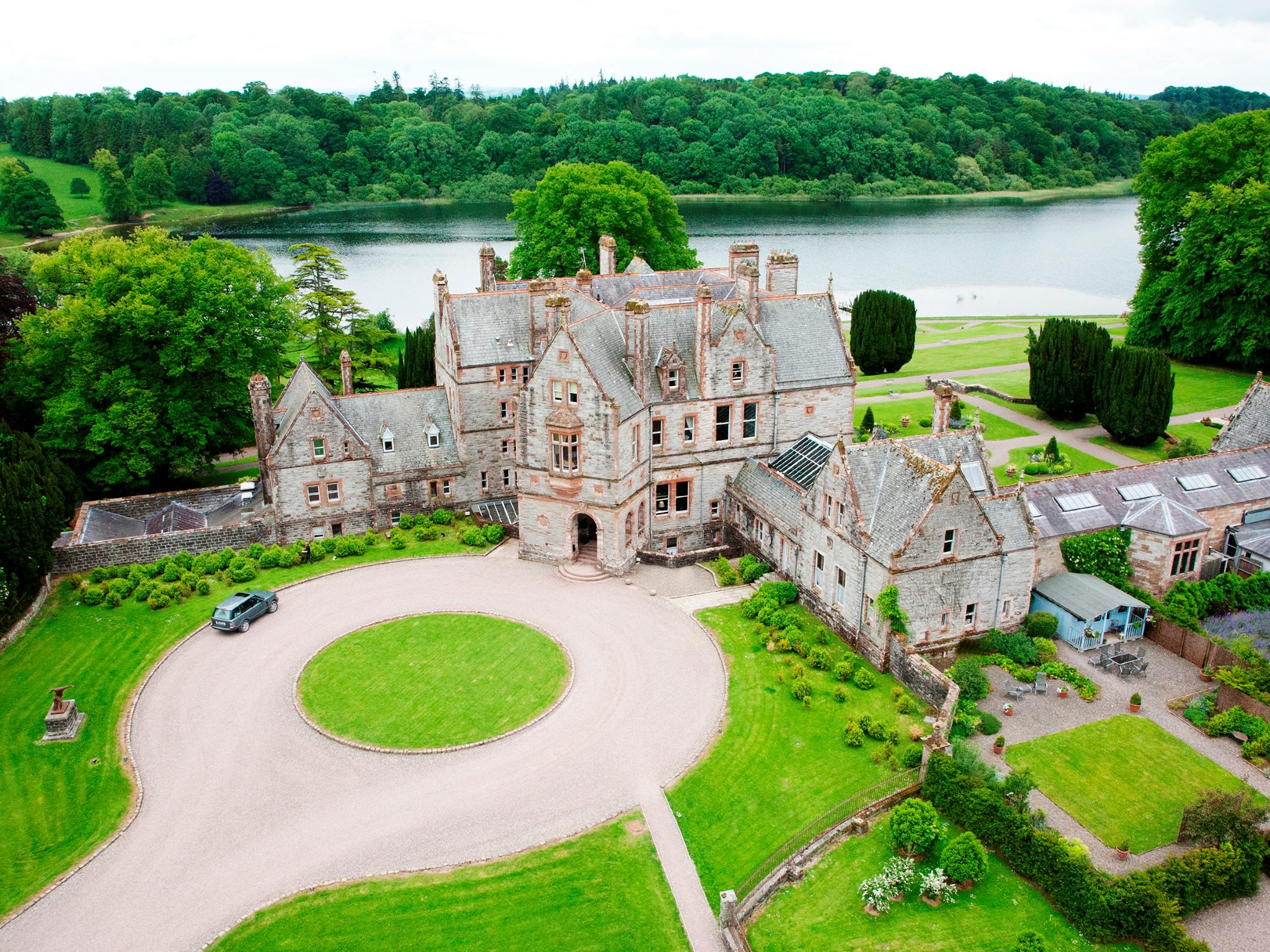
    The drumlin-dotted landscape and rolling hills that inspired the poems of Patrick Kavanagh seeks FDI Nestled within County Monaghan lies Castle Leslie Estate, one of Ireland’s finest luxury five-star castle hotels. Despite being home to such a gorgeous estate, the county is often an overlooked gem. Nevertheless, County Monaghan is famous for its drumlin landscape…

  • Dublin’s Silicon Docks

    Dublin’s Silicon Docks

    Europe’s “Silicon Valley” has embraced a high concentration of tech startups and mega multinationals Dublin continues to attract tech multinationals into the country, allowing for the corporations to penetrate European markets efficiently. Over the years, the IDA has successfully attracted a record breaking amount of Foreign Direct Investment (FDI). The Information Communications Technology (ICT) sector alone employs 37,000…

  • Irish Hospitality: Exporting Aparthotel Expertise

    Irish Hospitality: Exporting Aparthotel Expertise

    As cities grapple with the challenges of providing quality accommodation, Tom Walsh, Co-Founder and CEO of Staycity Group, explains how Staycity’s unique offering contributes much-needed quality options to cities while providing visitors with a perfect blend of home and hotel. Staycity started with one apartment in Dublin in 2004 and now operates serviced apartments in…

  • Enterprise Territory Optimization

    Enterprise Territory Optimization

    An Irish cloud-based solution offers a unique value-added proposition In recent years, Ireland has become a global leader in software development, and is now home to many international cloud service companies. While these solutions are in the cloud, they have real-world implications that improve efficiency across various economic sectors.  eSpatial is one of these Irish…

  • Smart Wastewater Solutions

    Smart Wastewater Solutions

    Smart solutions are efficient, adaptable, and target the problem directly with appropriate use of resources, without needing to be oversized or lavish.  When Center Parcs built its EUR 230 million, 500 lodge forest park resort within Ireland’s Hidden Heartlands in Longford, they turned to Butler Manufacturing Services (BMS) as an innovative local solutions provider based…

  • Liechtenstein: A Global Business Success Story

    Liechtenstein: A Global Business Success Story

    A principality nestled between Switzerland and Austria fosters a prosperous, highly industrialized economy Liechtenstein has the second-highest gross domestic product (GDP) per capita globally, the second-lowest unemployment rate, and is the world’s least indebted nation. Although small in size, the sovereign nation of Liechtenstein is well-integrated globally. It is a member of several multilateral organizations,…