Country Profile: Serbia

Regional integration – Western Balkan neighbors are increasing collaborations

History: Serbia was shaped as a nation by the numerous external invasions it suffered; starting in the 4th century BC with the Celts overthrowing the Illyrians, the arrival of the Romans and the Slavs in the sixth century AD. A crucial event in AD 395 was when Roman Emperor Theodosius I gave Serbia to the Byzantines,  together with the fact that Sts Cyril and Methodius converted Serbia to the orthodox religion, resulted in the country being locked into Eastern Europe.

The Serbians were crushed in 1371 by the Ottoman Turks who eventually took Kosovo and Smederevo, which effectively ended Serbia´s independence. Belgrade was captured in 1521.

During the following centuries, many rebellions took place against the Turks. Thanks to Russia, the First National Uprising of 1804 was successful but the Russians made peace with the Turks, and the Serbian rebellion failed once again. The second National Uprising of 1815, in which the Turks allowed Serbia some autonomy, was the path to Serbia´s independence. Serbia became a kingdom in 1882.

The assassination of Archduke Franz Ferdinand in 1914 by a Bosnian Serb was used as a reason to invade Serbia, which triggered WWI.

In 1918, the Kingdom of Slovenes, Croats, and Serbs was formed, which included Serbia, Montenegro and Dalmatia, Croatia-Slavonia, Slovenia, Bosnia and Herzegovina, and the Vojvodina, which were South Slav territories.

In 1929, King Alexander I declared the new state a dictatorship which was renamed Yugoslavia. From the start, there were tensions between Croats and Serbs, and in 1934 King Alexander was assassinated.

Yugoslavia joined the fascist Tripartite Alliance. This was a short-lived pact, triggering a military coup and a sudden withdrawal from the alliance. The Germans bombed Belgrade and invaded Yugoslavia in 1941. Belgrade was liberated by the Communist guerrilla led by Josip Broz Tito, together with the Russians, and a Communist regime was introduced. After Tito’s breaking with Stalin, Yugoslavia became independent. With the death of Tito in 1980, the system began to crumble, and Yugoslavia finally broke up in 1991-92.

Serbian nationalists defended a Greater Serbia encompassing Serbs in the other republics. The Communist Party leader in Serbia, Slobodan Milošević who became president of Yugoslavia in 1997, adopted this doctrine and violence followed between the Albanians of Kosovo and Serbs. The demands of the U.S., Great Britain, Russia, Italy, Germany and France to cease fire and to withdrawal, Serbian forces from Kosovo were not met by Milošević. NATO began a bombing campaign which expanded to Belgrade and lasted 11 weeks. In the presidential elections of 2000, Vojislav Koštunica declared victory and restored ties with Europe. 

Serbia became a stand-alone sovereign republic in 2006 after Montenegro voted in a referendum for independence from the Union of Serbia and Montenegro. This marked the historical end of the separation of the six republics of the Socialist Republic of Yugoslavia which comprised Serbia, Montenegro, Slovenia, Croatia, Bosnia-Herzegovina, and Macedonia. From the start, Serbia suffered the recession of 2009, but today the economy is growing. The 1st Intergovernmental Conference with Serbia in January 2014 indicates the beginning of Serbia’s negotiations to become part of the EU.

Geography: The sovereign republic of Serbia is at the crossroads of Southeast and Central Europe. It has borders with Bulgaria, Croatia, Bosnia-Herzegovina, the Republic of Macedonia, Hungary, Bulgaria, Romania, Montenegro, and Albania through Kosovo.

It has access to the Adriatic Sea through Montenegro, and shipping access to inland Europe as well as the Black Sea is possible through the Danube River.

Serbia’s terrain is extremely varied with rich and fertile plains to the North, limestone basins and ranges to the East and ancient hills and mountains to the Southeast. The Northeast is rich, and fertile thanks to the Danubian Plain drained by the Danube, Morava, Sava, and Tisa river systems, all of which, together with the Drina River, conform Serbia’s main rivers.

Four mountain systems converge in Serbia: the Carpathian Mountains, the Balkan Mountains, the Dinaric Alps, and the ancient mountains of the Rilo Rhodope mountain system. The Balkan Mountains create the natural border with Romania and Bulgaria, the valleys and hills of the Dinaric Alps cut through Serbia west of the Morava River.

Climate: Serbia has a predominantly continental climate; cold winters and warm summers. The north of Serbia typically has a continental climate, while the South and South-West have a climate of Mediterranean influence.

Language:  The official language is Serbian. Despite being spoken throughout the country, there are some exceptions; in southern Serbia, it’s the Torlakian dialect which is spoken by most Serbians. Other minority languages like Bosnian, Croatian, Slovak, Rusyn, Bulgarian, Hungarian, Albanian, and Romanian are officially recognized in Serbia.

Demographics: The total population in Serbia is 7.1 million (this does not include the population of Kosovo). Serbians are the largest majority when it comes to ethnic groups, while Hungarians are the largest minority followed by Roma people and Bosniaks. Croats, Slovaks, Albanians, Montenegrins, Romanians, Macedonians, and Bulgarians are other minority groups.

Natural Resources: Serbia has considerable natural resources but is lacking in mineral fuel, making the country dependent on Russia for crude petroleum and natural gas necessary to meet its domestic demand. It has one of Europe’s most abundant copper resources, located mostly in the Timoc District in northeastern Serbia. As well as copper, the industry produces iron and steel with significant production of gold, lead, coal, salt, and selenium. Lead and zinc production comes from Kopaonik, Raška. The southwestern regions of Serbia have timber and hydroelectric potential.

Politics: The framework under which Serbia functions is within a parliamentary democracy. The country is a parliamentary republic where the head of government is the prime minister, and the head of state is the president.

There are three branches of government in this parliamentary republic: judiciary, executive, and legislature. Serbia’s political system is based on the principle of separation of authority between these three.

The executive authority is held by the Government of the Republic of Serbia consisting of a prime minister, two vice presidents and 18 ministries.

As of 2017, Aleksandar Vučić is the President of Serbia and Ana Brnabić is the Prime Minister. Aleksandar Vučić became prime minister after a large victory in the parliamentary elections of 2014. He pledged an overhaul of Serbia’s economy and accelerated drive towards EU accession. Also to combat endemic corruption.

His reforms included diminishing the public sector, reforming the budget, privatizing state-owned enterprises and supporting the private sector. He won his candidacy for the presidency with a comfortable victory in 2017.

The prime minister leads a cabinet and exercises executive power. The president names the designate after deliberation with parliamentary leaders, and the National Assembly is in charge of choosing the prime minister. The prime minister nominates the cabinet ministers while the National Assembly confirms them. The president is elected by popular vote. It’s a five-year term, and it can be extended by-elections for two more terms at most.

The National Assembly wields legislative power and constitutional authority. It’s formed by 250 deputies who are elected by secret ballot.

Serbia has a system of civil law; the courts are not bound by precedent, but they solely interpret legislation. The Supreme Court of Cassation is the head of the judicial system. Other established courts are the Appellate, High, and Basic Courts.

The multi-party system in Serbia allows for many political parties, but because of the improbability for one party gaining power alone, there is a cooperation of multiple political parties forming coalition governments, helping to reduce the dominance of any one party. Elections are held every four years at three levels: local, provincial, and parliamentary. Presidential elections are held every five years.

Religion: The Constitution of Serbia protects the freedom of religion. Having the Serbian Orthodox Church at the head of the country’s religion, Christianity is the main religion with an 85% of the population adhering to the Orthodox faith. The Catholic Church is the second biggest religion. Islam is also present, mostly in Novi Pazar and southwest regions.

Cuisine: Serbian cuisine has been influenced by the rich mix of cultures passing through or living in the region. It is very diverse and can be described as a mixture of Greek, Bulgarian, Turkish and Hungarian cuisine. A centuries-old tradition is drinking coffee, and the national fruit is the plum, from which rakia is brewed.
More Articles

  • University of Cyprus: Dare to Choose Your Future! 

    University of Cyprus: Dare to Choose Your Future! 

    Based in Nicosia, the University of Cyprus (UCY) is a modern, diverse, and evolving student-centered institution established only three decades ago. Aspiring to function as a beacon of scientific thought, diversity, inclusiveness, equity, and creativity, UCY envisions its future as a leading institution in the greater Euro-Mediterranean area. Established in 1989, UCY has 8 faculties,…

  • The Cyprus Institute: A Key Player in Cypriot Research

    The Cyprus Institute: A Key Player in Cypriot Research

    Since 2007, researchers from The Cyprus Institute have made breakthroughs in science, technology and innovation Scientific research in Cyprus has grown by leaps and bounds over the past decade, thanks in large part to the nation’s research institutions and universities. One of Cyprus’s most respected research and educational institutions is the Cyprus Institute (CyI), a…

  • Inside Cyprus’s Booming Academia

    Inside Cyprus’s Booming Academia

    Why the region is experiencing unprecedented growth as a research and development hub The Republic of Cyprus may be one of the smallest countries in the European Union, but it has managed to excel in countless industries. Human capital is one of the most important pillars attracting foreign investors and making a country competitive. One…

  • How Cyprus Became a Major Shipping Hub 

    How Cyprus Became a Major Shipping Hub 

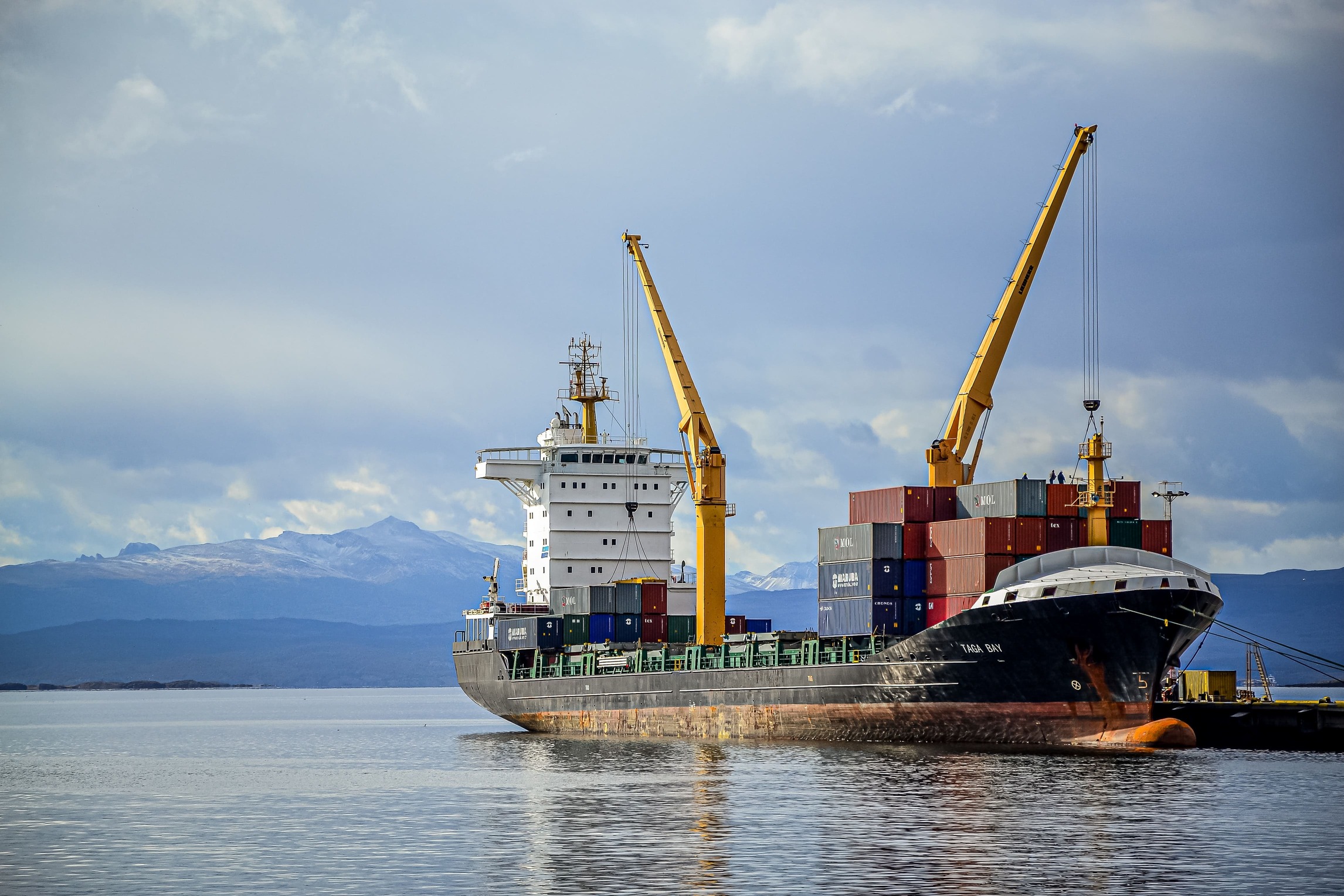
    Unique location, tonnage tax system are among critical factors powering the nation’s maritime sector The Republic of Cyprus is home to many major industries, but one of the nation’s most prominent trades is the maritime and shipping sector. Cyprus is regarded as one of the most dependable and competitive shipping centers in the world. Overcoming…

  • Legal Areas of Importance in Cyprus’s Future as an International Business Center 

    Legal Areas of Importance in Cyprus’s Future as an International Business Center 

    Ioannides Demetriou LLC chairman weighs in For many years Cyprus has established itself as an international business center from where foreign investors are conducting their business. The adoption of common law has been a major determinant to its success. Corporate and commercial law, with its flexibility and extensive case law, have facilitated a variety of…

  • A Stable Business Location in the Eastern Mediterranean 

    A Stable Business Location in the Eastern Mediterranean 

    Deloitte Cyprus CEO Discusses the Nation’s Economic Present and Future While investors benefit from Cyprus’s tax incentives, Deloitte Cyprus CEO Pieris Markou conveyed they are not the main reason Cyprus is on the business world’s radar. He noted that the country has much more to offer, including its highly stable legal framework based on English…

  • City of Dreams Mediterranean: Transforming Cypriot Tourism 

    City of Dreams Mediterranean: Transforming Cypriot Tourism 

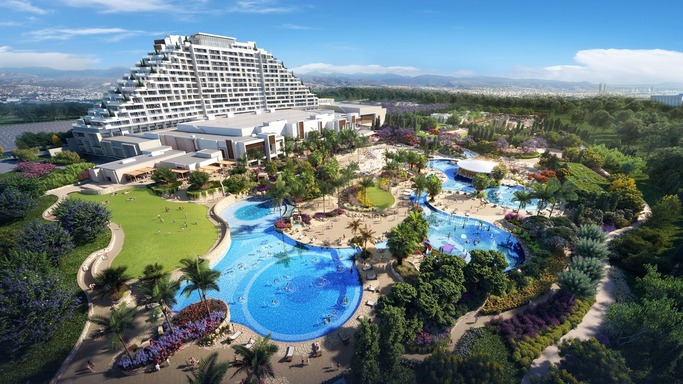
    Soon to be Europe’s largest integrated resort, the world-class development is elevating the island’s offering as an all-season destination The Republic of Cyprus is well-known for being an attractive tourism destination, welcoming at least four million visitors each year. The island nation enjoys average temperatures of around 55 degrees Fahrenheit in winter and 93 degrees…

  • Supernova Consulting: Innovative Technology Solutions – Local Presence with Global Reach

    Supernova Consulting: Innovative Technology Solutions – Local Presence with Global Reach

    Q&A: Kyriacos D. Stylianides, Managing Director, Supernova Consulting SAP’s first gold partner in Cyprus, Supernova Consulting, is celebrating its 20th anniversary. As a global consulting, technology, and outsourcing organization with clients in over 30 countries, Supernova Consulting builds and delivers business and technology solutions. By advising businesses on how to implement globally competitive and innovative…

  • Donegal: Ireland’s DNA

    Donegal: Ireland’s DNA

    Home to some of Ireland’s most wild, rugged beauty, the region expands its attractiveness as a FDI hub Across the Northern Headlands and Atlantic Coast, County Donegal sits majestically as the gateway from the US to the island of Ireland. Ireland’s most northerly county has boosted the region’s domestic and international appeal as a destination…

  • Exploring Ireland’s Economic Growth and Potential

    Exploring Ireland’s Economic Growth and Potential

    How a stronger relationship with the USA is contributing to Ireland’s economic success The tradition of an agrarian economy is still apparent in Ireland. The iconic rolling hills are still lush and picturesque. Many of the streets still boast cobblestones and charming architecture straight from a storybook. However, there is a new energy in the…

  • Ireland: A Hub for Globalization

    Ireland: A Hub for Globalization

    Insights from Ibec CEO, Danny McCoy What are the biggest challenges Ireland faces today? Ireland’s rapid growth in both economy and population has created several challenges. In essence, we are a frontier resource-based economy, and the new resource is intangible assets. Ireland has grown very fast, and we are showing symptoms of something quite positive.…

  • Diversity in the Docklands

    Diversity in the Docklands

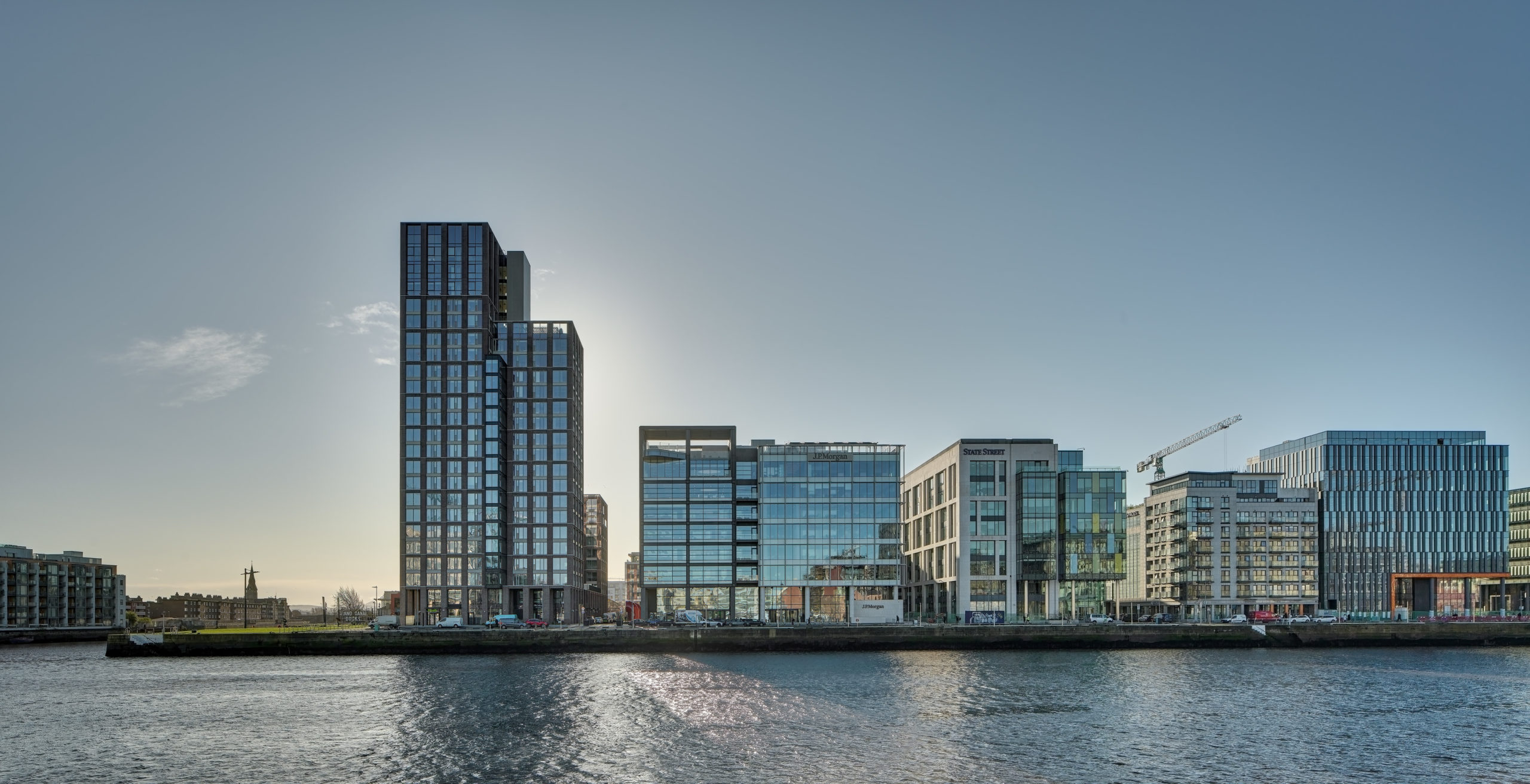
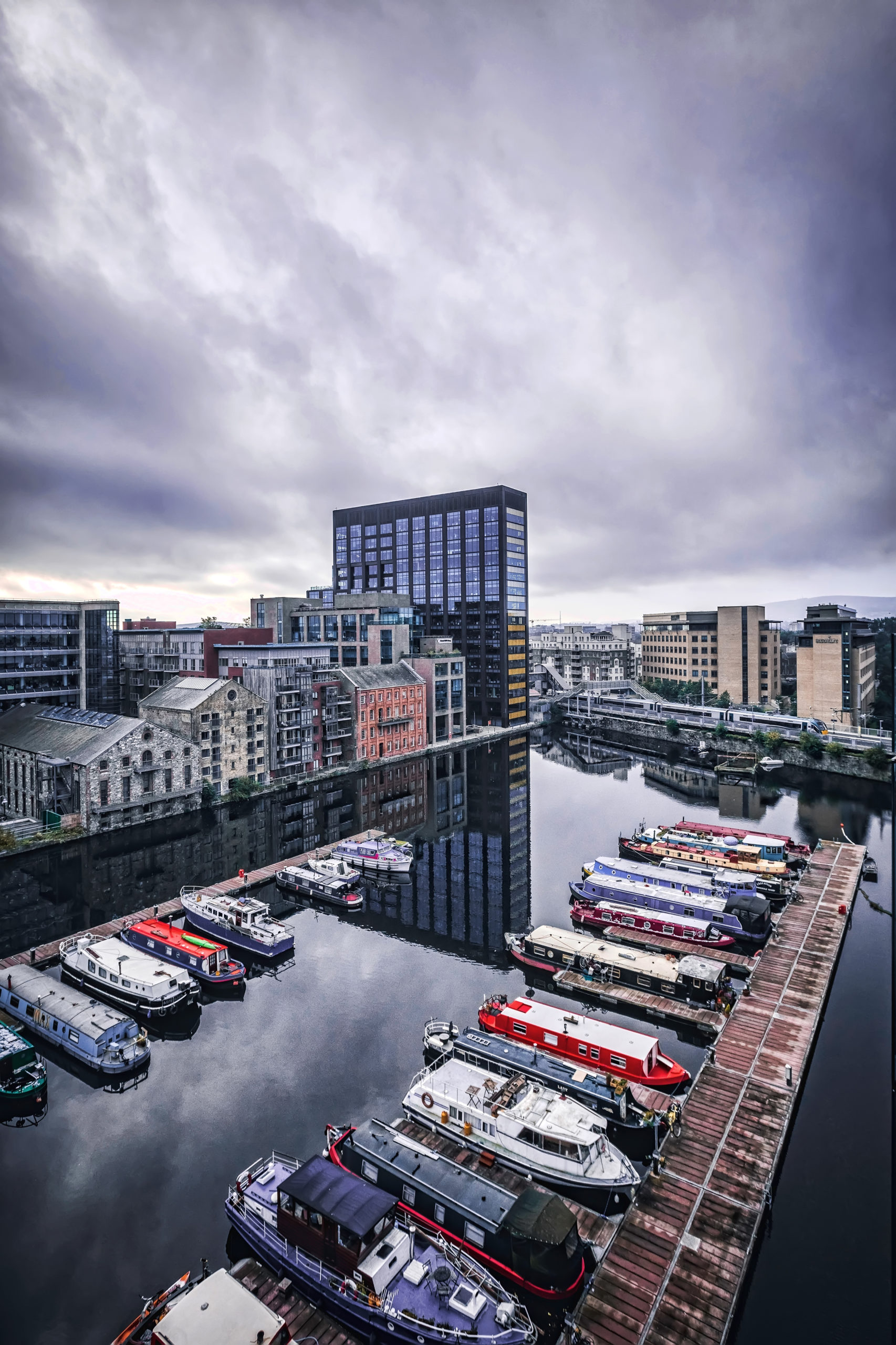
    By Arlene Harris Right from their creation in 1796, the Grand Canal Docks in Dublin have always been a hive of activity with cargo ships, laden with goods and livestock, jostling for space amongst sailing boats and fishing vessels as they ventured in and out of Ireland’s most important port.  Industry in the immediate area…

  • Ireland: The 9th largest investor in the USA

    Ireland: The 9th largest investor in the USA

    Irish companies employ nearly as many people in the USA, as American companies employ in Ireland Ireland is known for punching above its weight, and its contribution to the American economy is no exception. Irish entities have a vast footprint in the USA, with nearly 900 indigenous Irish companies working across all 50 states. These…

  • Louth County – the Heart of the Dublin-Belfast Economic Corridor

    Louth County – the Heart of the Dublin-Belfast Economic Corridor

    The Greater Dublin Area and the Belfast Metropolitan Area continue to grow as the main economic engines on the island of Ireland. In the middle of these two hotbeds lies County Louth, an emerging critical player in the island’s economy.  The Dublin-Belfast Economic Corridor is considered one of the most important economic regions for the…

  • Clinical Research: One of Ireland’s Most Promising Industries

    Clinical Research: One of Ireland’s Most Promising Industries

    Clinical research organization, ICON, exemplifies Ireland’s strength in supporting the global pharma, biotech, and medical device industries In recent years, Ireland has established itself as a world leader in a number of fields – and one of the most promising industries is the clinical research sector. Ireland’s strong academic infrastructure and its young, highly motivated…

  • Bimeda: A Global Leader in Animal Health

    Bimeda: A Global Leader in Animal Health

    Within the area of global animal health, Irish companies have a long history of excelling on the world stage, and perhaps none more so than Bimeda. Founded in Ireland in 1960 and still headquartered in Dublin, Bimeda has been anticipating the needs of the global animal health sector for over six decades. Bimeda’s veterinary pharmaceuticals…

  • Growing Ireland’s Life Sciences Ecosystem

    Growing Ireland’s Life Sciences Ecosystem

    Key factors drive the nation’s life sciences industry Ireland has been a hotspot for many industries in recent decades, but few are as promising as the life sciences sector. Since the 1960s, Ireland has been nurturing this sector’s ecosystem, which has grown into a major global player in the field. In Ireland, the life sciences…

  • Atlantia Food Clinical Trials, A Successful UCC Spin-out

    Atlantia Food Clinical Trials, A Successful UCC Spin-out

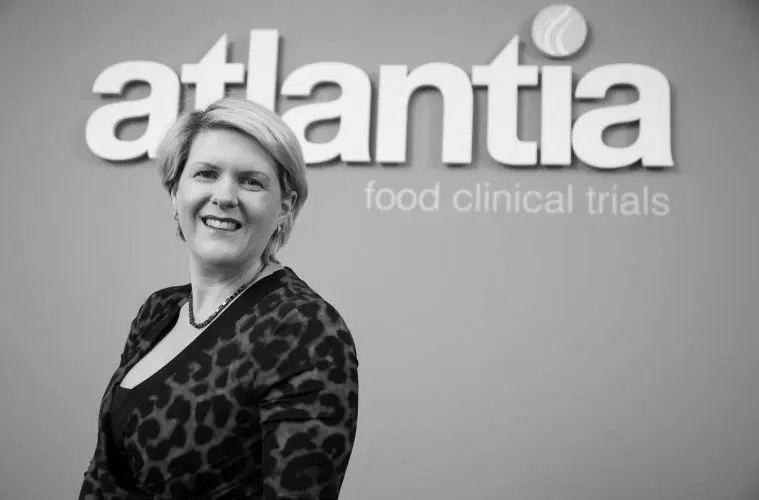
    Ireland’s world-renowned research centers link scientific endeavors with commercial ones. The ongoing integration of the pharmaceutical and food industries has inspired a new generation of driven Irish entrepreneurs. For example, within University College Cork’s microbiome research ecosystem, a team of researchers founded Atlantia Food Clinical Trials. Since the company’s foundation, it has quickly become a…

  • A Growing Multinational Construction Consulting Leader

    A Growing Multinational Construction Consulting Leader

    Irish companies solidify the nation’s status as a major player in niche construction When people think about world leaders in the construction industry, Ireland may not be the first country that comes to mind. However, that could soon change – this nation has become a major player in specialized construction. One example is Linesight, a…

  • Professionally Managed Homes for Ireland’s Growing Population

    Professionally Managed Homes for Ireland’s Growing Population

    As Dublin faces a housing shortage, Irish Residential Properties REIT Plc (“IRES”), continues to deliver quality accommodation for residents of one of Europe’s most vibrant and youngest cities According to Margaret Sweeney, CEO of IRES, Ireland’s largest private landlord with a portfolio of almost 4,000 properties, “Ireland will continue to be a gateway into the…

  • Irish Expertise Drives the Global Data Center Industry

    Irish Expertise Drives the Global Data Center Industry

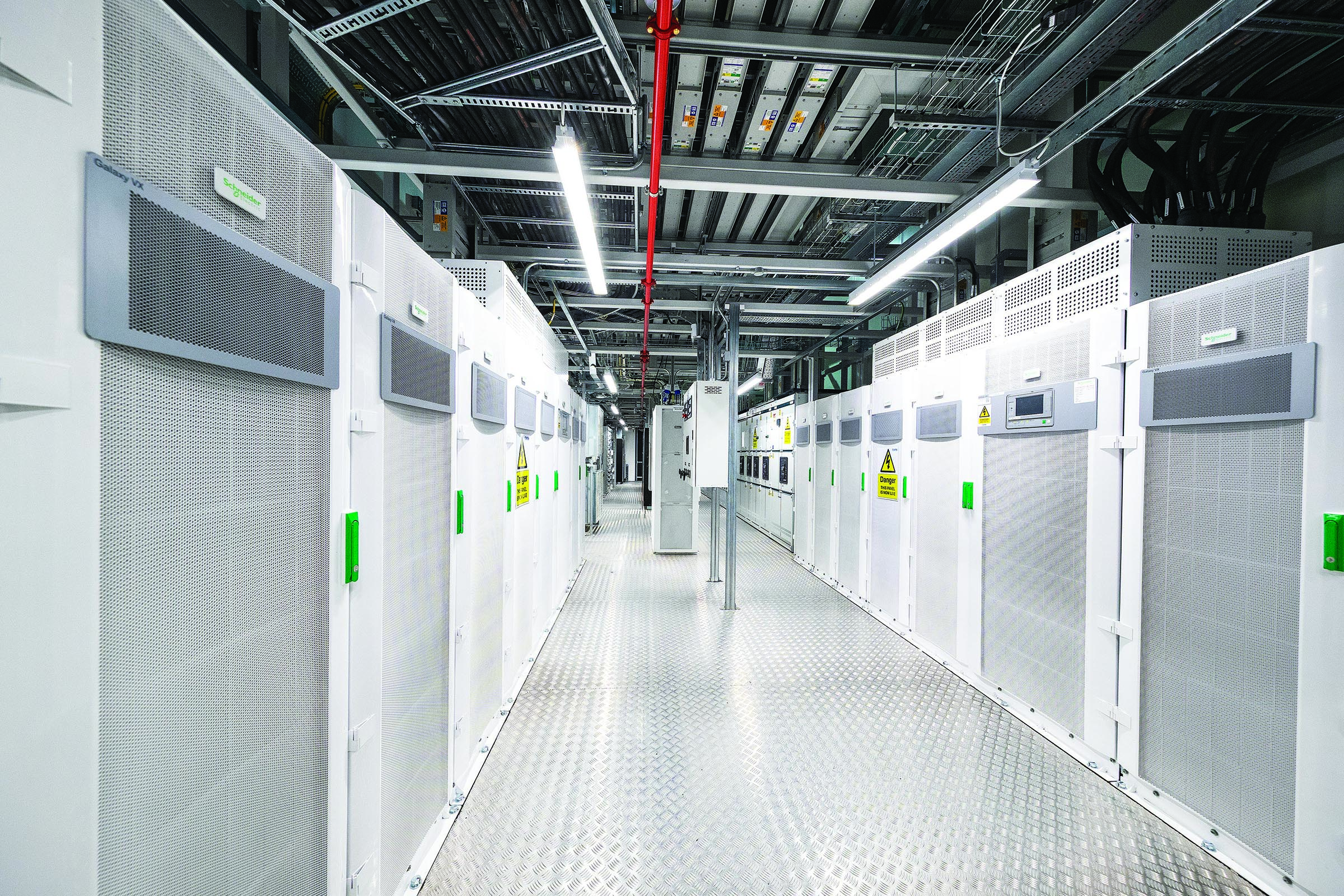
    Based in Ireland’s third-largest city since 1964, Kirby Group Engineering is now a leading name in data centers Europe has rapidly established itself as a market leader in the data center industry, and Ireland is playing a crucial role in making this rise possible. Last year, the Irish data center market was expected to be…

  • Dornan Engineering: Celebrating the Past, Looking Towards the Future

    Dornan Engineering: Celebrating the Past, Looking Towards the Future

    Experienced engineering company takes Irish engineering continent-wide Dornan Engineering, which celebrates its 55th anniversary in 2021, has long been a part of Ireland’s engineering industry. Over the past 10 years, the Cork-based company has spread its wings by working on projects for multinational companies across Europe. Micheál O’Connor, Dornan’s Managing Director, said, “Ireland’s engineering skill…

  • The Innovative Company Supporting Multinationals Behind the Scenes

    The Innovative Company Supporting Multinationals Behind the Scenes

    Deveire, an Irish IT business supporting multinational companies, is preparing to bring its insurance portal product to the USA Deveire Founder and CEO, Ollie Cahill, creatively blended the abbreviation for “development” with the Irish word for Ireland, “Eire,” to form the name of his company – Deveire. The  Limerick-based information technology company has supported world-leading…

  • Limerick: A Hotspot for Irish Innovation

    Limerick: A Hotspot for Irish Innovation

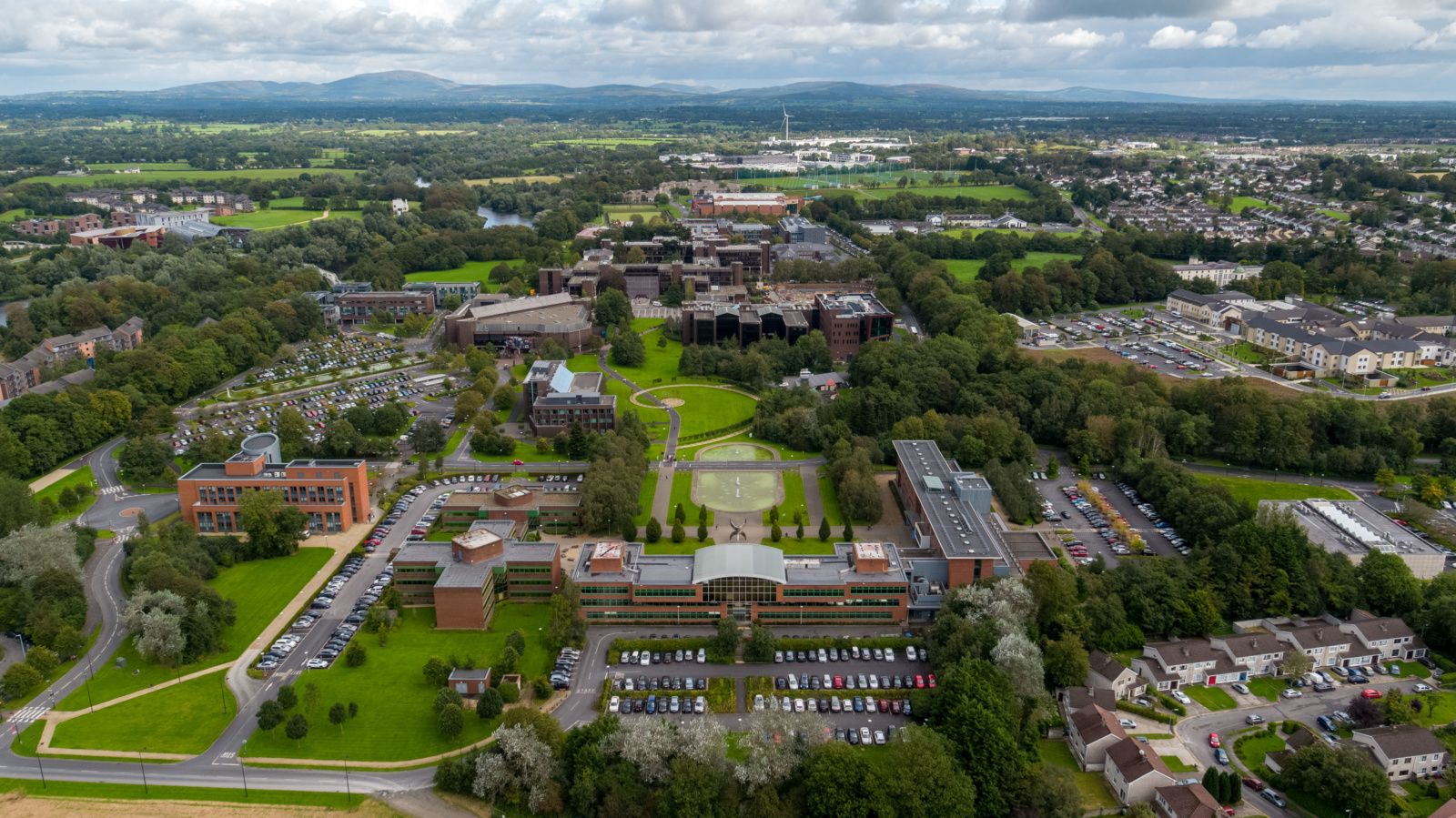
    Ireland’s third-largest city continues to boost its appeal through its “Limerick 2030” strategy The city of Limerick has a reputation of being Ireland’s innovation capital – a reputation that will not be changing any time soon. Chief Executive of Limerick City and County Council, Dr. Pat Daly, and other local private sector executives spoke about…