By Arlene Harris
Right from their creation in 1796, the Grand Canal Docks in Dublin have always been a hive of activity with cargo ships, laden with goods and livestock, jostling for space amongst sailing boats and fishing vessels as they ventured in and out of Ireland’s most important port.
Industry in the immediate area was also dependent on the harbour with boat builders and coal merchants employing many labourers in the city – in short, it was a noisy, busy, industrious part of town and although it may not have been glamourous, it most certainly had a charm of its own.
These days, the docklands tell a very different story as in the late 20th century, the area underwent a facelift and was earmarked to become a business hub with the development of Dublin’s International Financial Services Centre (IFSC). This venture was a huge success and by 2008, there were almost 600 businesses in the vicinity.
Spread across both sides of the River Liffey from The Talbot Memorial Bridge to the 3Arena, the area, which has long been landmarked by The Custom House, the iconic Poolbeg Chimneys, and the impressive presence of Boland’s Mill, also benefitted from new infrastructure which included the Samuel Beckett Bridge, the Bord Gais Energy Theatre and the Luas Docklands extension which connected it to the rest of the city.
Since its redevelopment, it has become the commercial hub of the city, and indeed the country, and is home to some of the world’s biggest companies including Google, Facebook, TripAdvisor, Airbnb and many more.
Often referred to as ‘Silicon Docks’ due to the number of tech companies in the area, Dublin Docklands has a working population of 44,000 people along with 26,000 residents. And while many are new to the area, some families have been there for generations.
HISTORY
It is estimated that the Irish diaspora across the globe is upwards of 70 million people, many of whose ancestors set sail from the Dublin Docklands. The Jeanie Johnston, built in 1847, made 16 voyages across the Atlantic Ocean carrying Irish emigrants fleeing the famine – and a replica docked at Custom House Quay gives an idea of how these wretched people left Irish shores in search of a better life.
And nearby along the quay, the Famine Memorial is a haunting reminder of the hardship endured by millions during this desperate period of Ireland’s history.
Poignancy aside, the Docklands is a fantastic place to uncover some other stories from Dublin’s past – from the Custom House which opened in 1791 and the restored Chq building, which hosted a banquet for 4,000 veterans of the Crimean War in 1856, to the more recent IFSC buildings and the old Victorian warehouse which was renovated and opened as the Point Depot music venue (now the 3Arena) in 1988.
Another integral part of the Dockland’s heritage is the Diving Bell on Sir John Rogerson’s Quay. This metal sculpture played an important role in the creation of the port as it allowed workers to work under water, clearing the riverbed under their feet as the chamber was fed with compressed air.
So there is plenty to keep history and engineering buffs interested, but music lovers will also be enthralled with a visit to the Docklands as not only was the area a springboard for legendary folk musician and proud Dubliner, Luke Kelly – who is honoured with an 8ft marble and metal sculpture of his head – but fellow folk icon, Ronnie Drew is also commemorated with a huge portrait of his face on one of the port cranes.
The location is also the backdrop to many music videos, including U2 on a barge in ‘Gloria’, and Phil Lynott walking along the South Bull Wall in ‘Old Town’. And the Windmill Lane Recording Studios have hosted a plethora of famous artists including the Rolling Stones, Sinead O’Connor, Lady Gaga, Ed Sheeran, The Cranberries, Hozier and of course U2, who recorded several of their albums here and even gave an impromptu concert on Sheriff Street in 1982.

DEVELOPMENT
With its colourful history and reputation for being the ‘soul’ of the city, the Docklands was ripe for further development and Failte Ireland recognised that it was the perfect location for the VEDP Visitor Experience Development Plan which aims to improve the tourism potential of the area.
Dublin City Council had long been aware of its potential, earmarking 66 hectares of the overall Dublin Docklands Area as a Strategic Development Zone (SDZ) – and in 2013, set out its plans for the North Lotts and Grand Canal Dock Planning Scheme.
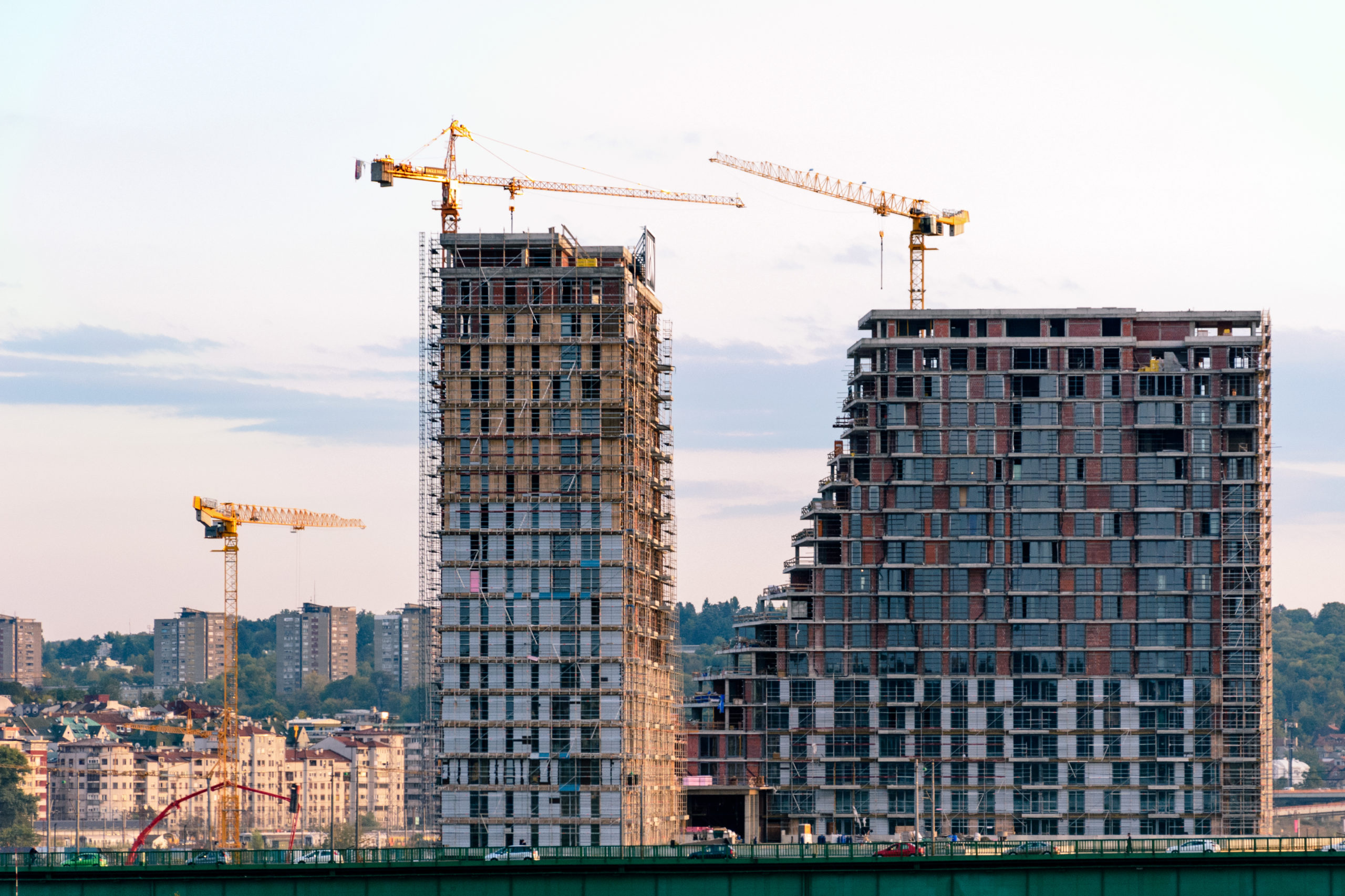
There has been significant economic and community expansion to date which includes 2,600 residential units for up to 5,800 residents and up to 360,000sq metres of commercial floor space to accommodate around 23,000 workers. And the Public Realm Masterplan included the design and layout of streets and parks, aesthetically pleasing street furniture and plans to animate the whole area.
It also encouraged a wide mix of recreational activities and events to attract both visitors and workers to the district as well as being beneficial to residents and creating an urban environment for an ‘exemplary world-class maritime quarter with a distinctive Dublin character’.
The SDZ has enhanced the already vibrant zone by highlighting its unique maritime heritage, encouraging a greener, healthier environment, and also promoting arts and culture through the Docklands Arts Fund.

SMART TECHNOLOGY
Over the last decade, technology has progressed in leaps and bounds with advanced computing becoming part and parcel of all of our everyday lives.
Disruptive technologies such as Artificial Intelligence (AI), Big Data, Machine Learning, and the Internet of Things (IoT) challenged Dublin City Council to establish new ways of working with stakeholders to drive the implementation of smart technologies and policies to help make Ireland’s capital city more sustainable, efficient, and engaging for residents and visitors alike – and the docklands area was central to this development.
“A key objective of Dublin City Council’s Smart Dublin programme was to increase the capacity of the administration to better plan and implement smart technologies and infrastructures in a way that deliver positive outcomes for citizens,” says Owen Keegan, Chief executive, Dublin City Council.
The DCC boss says that crucial to the delivery of the project was the establishment of a new collaborative governance model and partnerships to ensure successful programme delivery.
“The Smart Docklands team played an independent broker role between the city council, entrepreneurs, universities and citizens,” he says. “We continue to work closely with a diverse range of stakeholder groups to identify city challenges which can be addressed with smart city technology and applications. There have been a number of strategic design workshops with over 200 participants providing the team with hundreds of challenges and concerns which have been categorised into five themes: Smart Mobility, Smart Environment, Smart People, Smart Buildings and Smart Infrastructure. These challenges are actively being used to inform the direction of new pilot projects across the Docklands Smart City testbed.”
The Smart Docklands initiative is supported by corporate partners such as Google, Deloitte, Accenture, Airspan, Intel, and IBM and is recognised as a highly effective ‘collaboration’ mechanism for attracting more technology innovation projects and partnerships to Dublin – including a recent collaboration with Softbank.

Neville Isdell
Owner
EPIC
HERITAGE
While technology may be the way of the future, Ireland’s history is just as important and indeed far reaching, as past events have seen its sons and daughters relocating to every corner of the globe – many with ties to ancestors who sailed from Dublin’s North Wall or Custom House Quay.
For most Irish people, no matter where in the world we might be, chances are we will meet someone with a link to our fair isle – an impressive feat given the size and population of the country. And while the reasons for this are varied, some answers can be found at EPIC, the Irish Emigration Museum.
This ‘interactive journey’ tells the tale of how a small island made a big impact on the world. It explores how every person is connected and how the Irish influence has shaped the world in the last fifteen centuries. The Museum is located in the beautiful vaults of the 1820 CHQ building in the Docklands, the original departure point for so many of Ireland’s emigrants. And, described as one of Ireland’s National Treasures, it was named Europe’s Leading Tourist Attraction in the 2019 and 2020 World Travel Awards.
As a member of the diaspora himself, owner Neville Isdell, the former chairman and CEO of Coca-Cola Company, who purchased the 200-year-old listed building in 2013, felt the story should be told in the very location where countless Irish people had emigrated down through the years.
“It was an easy and quick decision to buy a truly iconic and historic building with loads of potential in a great location in the very centre of Dublin,” he says. “An unexpected bonus has been our ability to help set up some amazing, world class businesses which will do justice to the building: EPIC The Irish Emigration Museum and Dogpatch Labs 2.0 being the leading two with hopefully more to come.
“For me personally, it has been tremendously satisfying to see the area go from strength to strength over the years in which we have been involved.”

Aileesh Carew
Director of Sales and Marketing
EPIC
Aileesh Carew, director of sales and marketing, agrees and says the Docklands offer the visitor the freedom and space to explore a place which is connected to its past but is also looking to the future.
“Whether it’s music, food, or freedom you are looking for, there is something here for everyone,” she says. “So if you are one of the 70 million people worldwide who claim Irish heritage and ancestry, this museum will feel like the start of a homecoming, connecting you and your story to so many others. And, coming out of the pandemic, which encouraged us to stay apart, visiting EPIC will make you feel connected and proud.”
CULTURE
Along with history and water-based activities, the area is also a haven for arts and culture enthusiasts as the Bord Gais Energy Theatre, the 3Arena and the Convention Centre Dublin are all located here and between them, provide a diverse line up of events in beautiful surroundings.
“Until 2010, Dublin had no major theatre with both a stage and auditorium large enough to house international touring companies, similar to Broadway or the West End,” says John Gallagher, owner of the Bord Gais Theatre. “So the development of the Grand Canal Dock waterfront, presented the opportunity to build an iconic world-class venue which would rank amongst the top theatres in the world – and following an international competition, world-renowned architect Daniel Libeskind was chosen to build a landmark theatre for the city.
“Located on the water, it overlooks a stunning plaza, inviting the public to view the soaring glass facade of the theatre, much like a glass curtain, which tilts back in diagonal pleats. Its future and importance are a focal point of culture and also an anchor to the area.”
Gallagher says the location was chosen for the project as it had the space necessary to allow the iconic building to stand ‘proud and alone’ and to create a focal point which would support night life in the vicinity.
“The theatre has 500,000 attendees a year who support the hotels, restaurants and bars in the area, giving it a vibrant and exciting feel,” he says. “The area itself is unique as the presence of the well-known technology giants creates a great sense of youth and energy. But it is not just a business district and is well populated with modern apartments and small townhouses, which provide a real sense of community.
“Also, the natural attraction of the water combined with outdoor restaurants, hotels and the theatre make it an exciting place to be – and I would encourage people to visit for themselves to get a great sense of modern Ireland, where technology meets culture in a place which is so vibrant and buzzing.
All of these amenities make the Docklands a very popular location for visitors to Dublin and it also has a range of accommodation types available – with everything from high end 5-star hotels to good quality budget options. And for those wanting to explore further afield, accessibility to the city centre couldn’t be easier, either by public transport, light rail, on a bicycle (with DublinBikes) or on foot, which offers ample opportunity to take in all the sights along the way.
THE FUTURE IS BRIGHT
Such is the progression of the Dublin Docklands that not only are global corporate giants making it their Irish home, but real estate moguls are also ensuring they are in on the action.

Niall Gaffney, Chief Executive of IPUT Real Estate Dublin, says his firm has over €800 million in real estate investments spread across 10 properties located in the Docklands neighbourhood due to its unique location and potential.
“All great cities have historic trading ports at the mouth of rivers or beside great sea-ports and Dublin has the river Liffey and the docklands,” he says. “We can see the long term-growth potential of this dynamic neighbourhood which straddles the north and south side of the river as it is has become the location for innovative financial services and digital economy – and we are glad to be part of its future.”
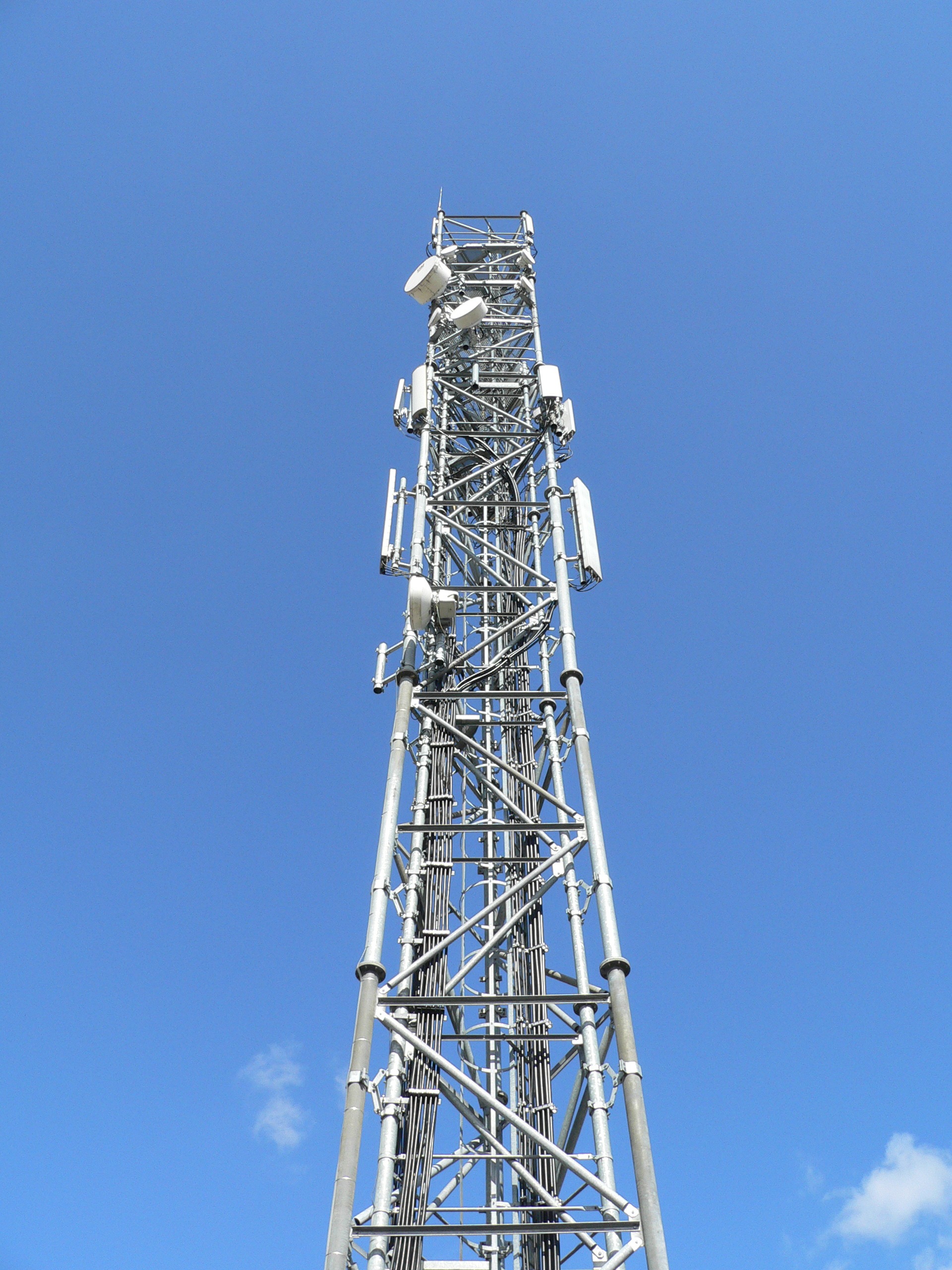
This future is currently being imagined by various initiatives which include 5G connectivity neutral host testbeds to measure pedestrian travel patterns and flows in the area to ultimately improve transport access and safety and build a highly accurate, ‘open source’ 3D Virtual Reality model of the Docklands which can be used in planning, transport, and environmental modelling contexts, as well as for gaming applications.
And the district is now one of a number of fast-track zones which is being designated to accelerate smart deployments across the Dublin Region — including Smart Croke Park – a 80,000 seated stadium testbed in partnership with Intel, Microsoft and DCU.
THE FINAL WORD
There is no doubt that the Dublin Docklands is a great place to visit but along with all the history, heritage, amenities, and business in the area, it also a great place to live, so the last word should go to Dolores Wilson, who was ‘born and reared’ in the Docklands and says it is the best place in the world.
“I have lived here all my life and never had any interest in moving anywhere else,” she says. “A lot has changed here in my lifetime, and it has gone from being very densely populated, with over 40,000 people living here when I was a child, to about 5,000 families today.
“It is a very unique area of Dublin; we are a close-knit community, and the original families mix well with the new people who have moved in over the years. I really love it here – it is my home and my heart.”
Part of the appeal of living or indeed visiting the area, is, according to Dolores, the unique atmosphere, and the contrast between the old and new.
“The Docklands area is like a preserved piece of old Dublin which is still alive amongst all the modern office buildings and high tech,” she says. “The old heart of Dublin is beating strong here and I would invite everyone to come and visit as it is such a friendly and welcoming place.”
Sponsored by: