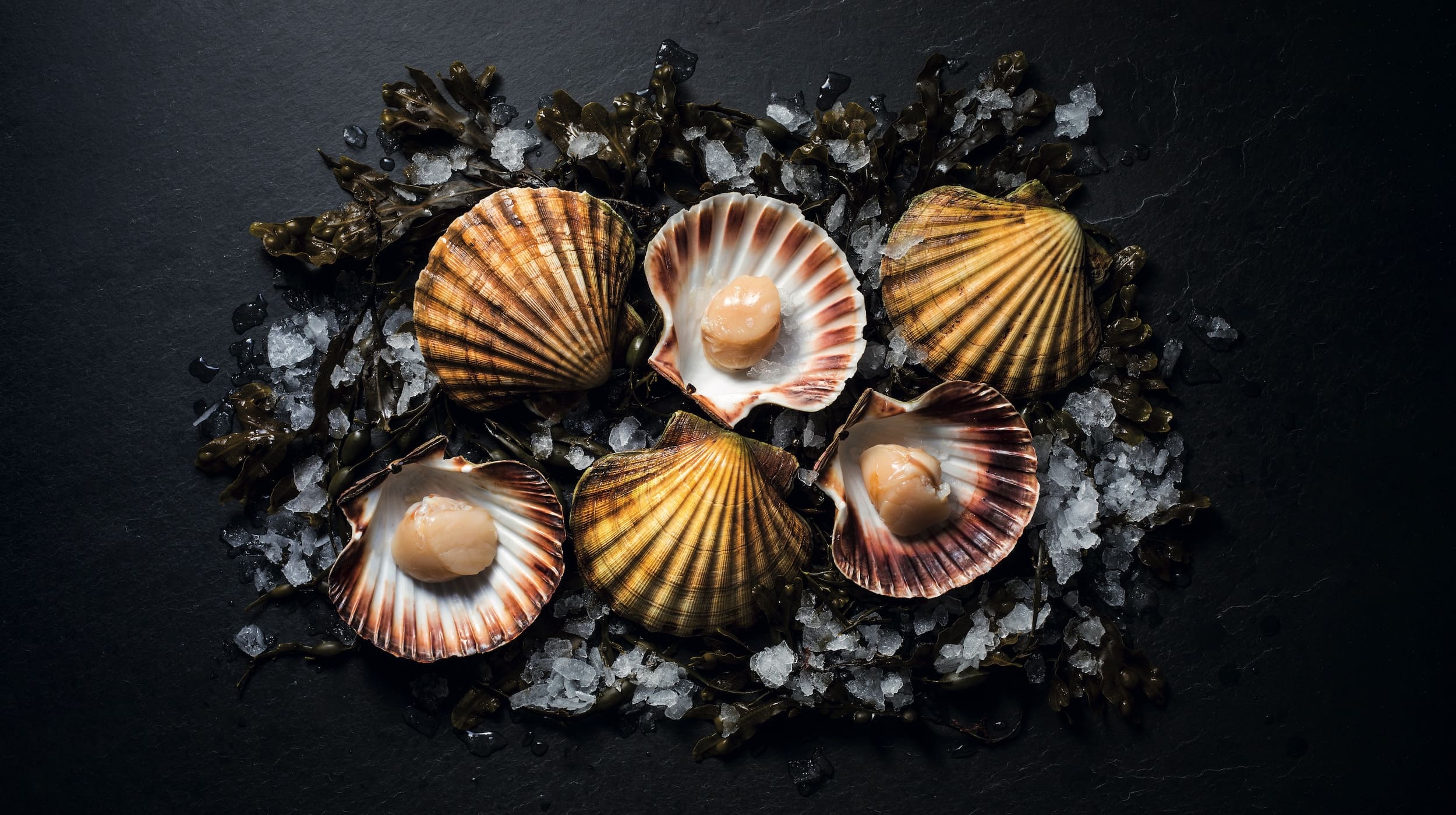
Scotland’s coastline stretches for over 11,000 miles. Its cold, clear waters have supported generations of fishing families, their livelihoods built on a deep respect for and commitment to nature. That relationship is evident with every fish caught and every shellfish harvested, and is at the heart of what makes Scottish seafood among the best in the world.
Seafood Scotland, the national organization championing the country’s seafood sector, works hard to ensure this heritage thrives in a modern world. Representing fishers, farmers, processors, and exporters, the organization supports an industry that supplies over 100 countries – including a growing number of American buyers who recognize Scotland’s seafood for its outstanding quality and appreciate the reliability of its supply.
Recent discussions around tariffs have tested global trade relationships, but Scotland’s seafood community is no stranger to navigating uncertainty. From Brexit to changing market conditions, the industry has consistently demonstrated agility and collaboration in the face of change.

Donna Fordyce, Chief Executive of Seafood Scotland, said, “Our sector has always risen to meet challenges. When volatility hits, we focus on what we can control: building relationships, staying flexible, and ensuring quality never wavers.”
In April this year, Seafood Scotland visited New York City to celebrate Tartan Week, the annual celebration of Scottish culture, and met with leading buyers, including a fish market servicing around 80% of the city’s Michelin-starred restaurants. The organization also regularly visits the US as part of its relationship with StarChefs, working with the next generation of Michelin-starred chefs to give them an opportunity to use their culinary genius to create fresh, new seafood dishes using the finest seafood Scotland has to offer.
“Despite shifting tariff and trade dynamics, we work to ensure these key relationships last with chefs and industry organizations. They’re grounded in trust and mutual respect for premium Scottish seafood, renowned for its exceptional taste and provenance,” said Matthew Hurst, Head of Trade Marketing for the Americas at Seafood Scotland.
“Every time we visit the US, the feedback we get from chefs and consumers is consistently positive. We’re constantly working with the market to ensure we’re meeting the needs of US customers and providing them with top-quality seafood,” stated Hurst.
As global trade evolves, Scottish seafood remains a steady presence. Its suppliers listen, adapt, and work hand in hand with American partners. From the rugged shores of the Scottish coast to the vibrant kitchens of New York, Scotland’s seafood is a testament to quality, collaboration, and care.
Q&A: Donna Fordyce, Chief Executive of Seafood Scotland

Each year, Scottish fleets bring in roughly 560,000 tons of seafood from some of the most bountiful waters in Europe. Where the warm Gulf Stream meets the cold northern seas, the clash of currents creates nutrient-rich conditions, yielding seafood prized for its depth of flavor and texture. In the Scottish seafood sector, sustainability is hugely important; the country holds a concentration of MSC-certified fisheries. Automation, low-carbon transport, and real-time tracking now link Scotland’s boats and farms directly to global buyers, delivering the same just-caught freshness in Scotland to chefs in Boston, Tokyo, and Paris.
Scotland supplies over 65 different types of seafood to customers in more than 100 countries. What makes it stand out in a competitive global market?
Our seafood speaks for itself in terms of quality, but it’s really about the people and the process behind it. Whether wild-caught or farmed, Scotland’s seafood is produced under some of the most rigorous sustainability standards in the world. Many of our fishermen are second or third-generation, and see themselves as custodians of the sea. This long-term stewardship safeguards not just catching fish for today, but preserving stocks for the future. They’re using onboard cameras and LED lighting to target specific species and cut bycatch, while the Fisheries Innovation and Sustainability group unites scientists, industry, and government to turn research into real-world change.

What is behind the growing appetite for Scottish seafood in the US?
American buyers and chefs value authenticity and traceability, and Scottish seafood delivers both. Scottish salmon alone saw US sales rise by 110% in the first half of last year compared to the year prior. Beyond salmon, we’re seeing strong interest in value-added products like breaded haddock and shellfish, including langoustines and scallops. Once people taste Scottish seafood, they immediately recognize the difference. My message to partners and consumers is simple: taste the product. Scottish seafood is fresh, flavorful, and responsibly sourced. It’s not just food from Scotland, it’s a reflection of who we are: proud, resilient, and deeply connected to the sea.
If you could introduce one Scottish recipe to American kitchens, what would it be?
Cullen Skink is a traditional Scottish soup made with smoked haddock, potatoes, and cream. Think of it as Scotland’s clam chowder: rich, hearty, and comforting.
How to Make Cullen Skink:
Melt 25g of unsalted butter, ideally from the Isle of Mull or Aberdeenshire, in a heavy pan and gently soften one finely chopped Ailsa Craig onion until translucent. Add 400g of peeled and diced floury potatoes, covering them with just enough water, and simmer for about 15 minutes until tender. Meanwhile, poach 350g of Arbroath-smoked haddock, preferably undyed, in 300ml of whole Scottish milk for 5 minutes, just until it flakes. Remove the fish, peel off the skin, and reserve the milk. Pour the warm milk over the cooked potatoes, stir in the flaked haddock, season with sea salt and cracked black pepper, and add a splash of Scottish double cream. Garnish with a handful of fresh parsley or snipped chives, and serve with Scottish oatcakes or crusty bread.