On Edinburgh’s doorstep, Midlothian combines science clusters, computing capabilities, and connectivity to fuel world-class breakthroughs

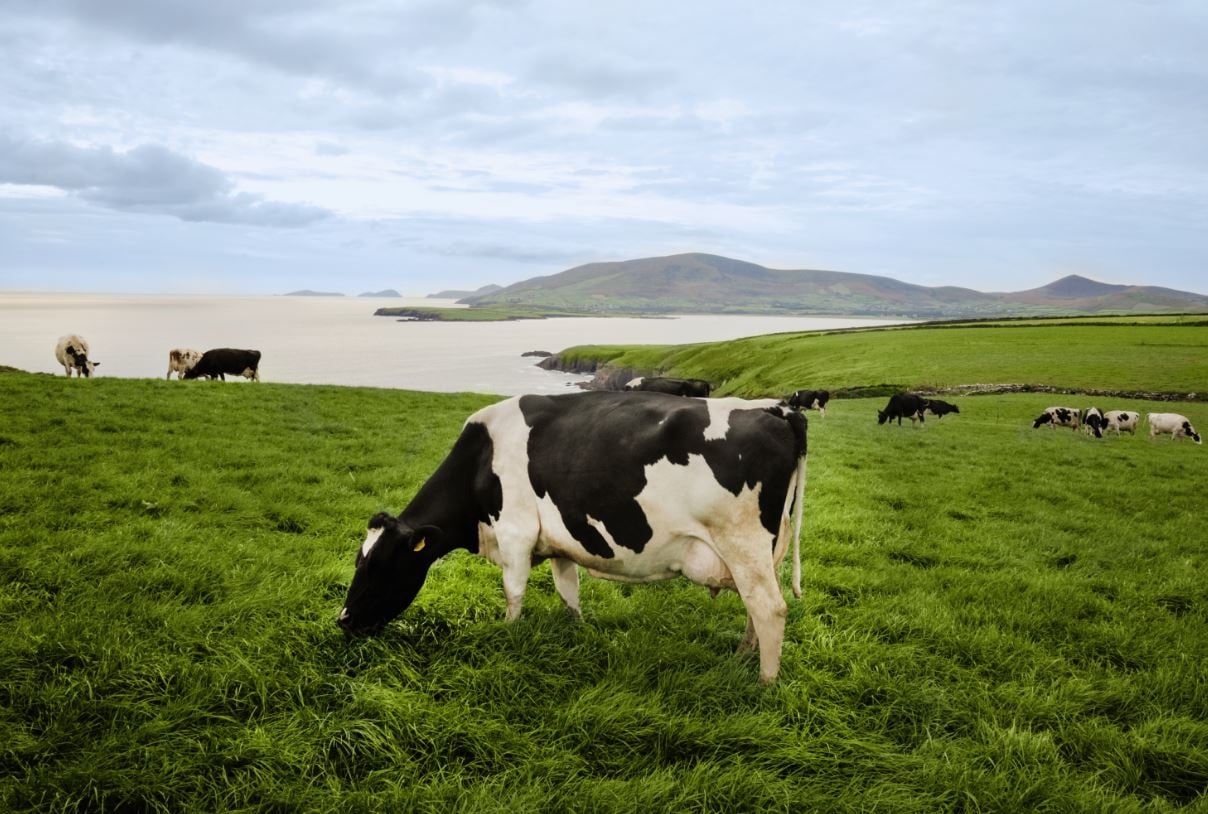
About twenty minutes from Edinburgh Airport lies a county where history echoes through the hills. Rolling green pastures unfold beneath misty silhouettes of the Pentlands, lakes mirror skies brushed with northern light, and quiet trails invite wanderers to trade city streets for birdsong. Here, ancient stones whisper at Rosslyn Chapel, miners’ lamps still glow in the halls of the National Mining Museum, and every path feels like a bridge between Scotland’s industrious past and its untamed natural beauty. Well-connected by the Borders Railway yet worlds away in spirit, Midlothian offers a unique balance between proximity to Scotland’s capital city and the serene surroundings.
A county steeped in mining heritage, Midlothian has transformed into one of Scotland’s most dynamic, well-connected destinations for foreign direct investment. Ranked Scotland’s fastest-growing region by population, Midlothian is building its future on a foundation of leading research institutions, advanced infrastructure, and proactive government collaboration. Central to this momentum is the £1.3 billion Edinburgh and South East Scotland City Region Deal, an engine driving new investment in transport, housing, skills, and innovation. Through this alliance, Midlothian is not simply benefiting from its proximity to the capital, but actively shaping the region into a global hub for enterprise.
Research and Sustainability

Midlothian’s research economy thrives on diversity and collaboration. At its core lies the Midlothian Science Zone, a nexus of world-class institutes, science parks, and forward-thinking enterprises that form one of Europe’s foremost life sciences clusters. Here, companies such as Ingenza and AliveDx, based at the BioCampus, share more than infrastructure; they share an ecosystem built on partnership, proximity, and purpose. The zone is also home to the University of Edinburgh’s Royal School of Veterinary Studies, the Roslin Institute, and a constellation of other R&D facilities with discoveries that ripple far beyond Scotland’s borders. From biotechnology and animal health to agritech, food security, and diagnostics, this hub turns research into real-world solutions, fueling investment, nurturing talent, and creating high-value industries and spinouts with global impact.
Building on its reputation for innovation and sustainable development, Midlothian is also transforming the region’s energy landscape. Midlothian Council launched the Business Carbon Charter and the Green Pledge to help local enterprises begin their journey toward net zero. These initiatives provide guidance and support as the region works to achieve its ambitious Net Zero 2045 target, positioning Midlothian at the forefront of sustainable business practices.
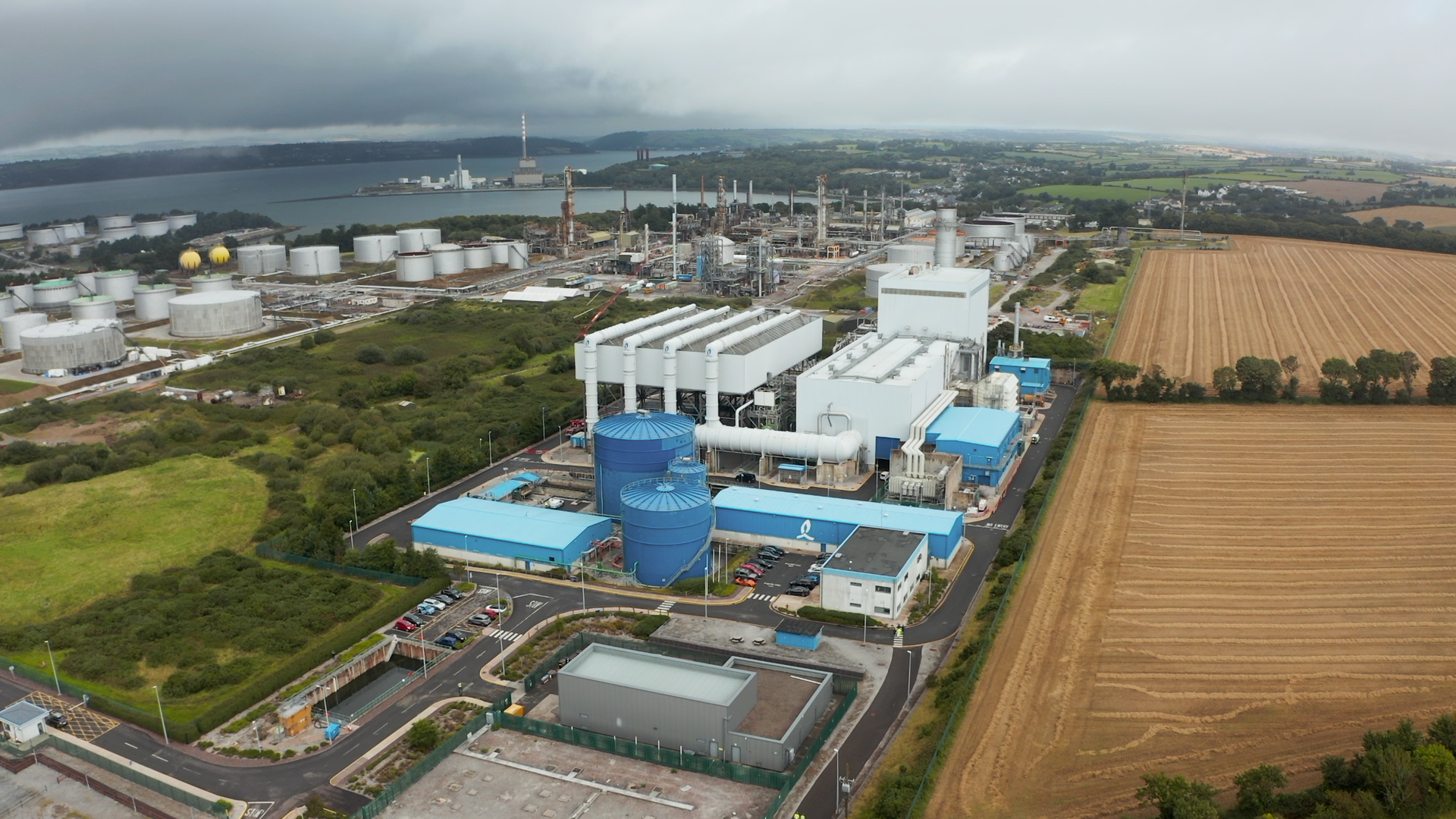
In a joint venture with Vattenfall, Midlothian Council operates an energy services company, Midlothian Energy Ltd. Harnessing heat generated from its energy-from-waste plant, the council is pioneering sustainable energy solutions in the region. With this approach, the company delivers district heating to the Shawfair development, and provides a reliable, low-carbon energy source for local homes and businesses, exemplifying Midlothian’s approach to circular clean-energy solutions.

Dr. Grace Vickers, Chief Executive of Midlothian Council, stated, “As a knowledge economy with world-class life sciences research and development, the level of investment we’ve seen is second to none. We’re building housing rapidly to support the jobs we’re creating, and as part of our Growth Deal, we’re becoming the data capital of Europe, with a £750 million investment in a new supercomputer that will be the most powerful in all the United Kingdom.”
Supercomputing
For more than three decades, the University of Edinburgh has stood at the heart of the UK’s supercomputing excellence, driving scientific discovery nationwide. The UK’s next-generation national supercomputer is set to be based in Midlothian, in the University of Edinburgh’s Easter Bush Campus. Backed by the £750 million government investment, the facility will deliver computing on a world-leading scale, 50 times faster than any of the UK’s existing machines, positioning Midlothian as a cornerstone for Britain’s digital and AI revolution. For innovators across sectors from fintech and health to climate research, it offers a rare environment where public investment, institutional expertise, and technological ambition can converge to turn data into trailblazing discovery.
Highly-Educated Talent Pool
A strong network of education and skills partnerships supports the region’s talent pipeline. In addition to the University of Edinburgh’s campus in Midlothian, other institutions such as Edinburgh College, SRUC, Newbattle Abbey College, and Doctoral College UK collaborate to provide advanced training, opportunities, and professional development programs. These initiatives enhance local skills and expertise, while also helping to retain graduates in the area, ensuring a steady flow of talent to support Midlothian’s growing businesses and industries.
Vickers stated, “Looking forward, we want to grow the life sciences corridor linking the Scottish Borders through Midlothian into the capital, clustering businesses to further accelerate growth. We aim to do this sustainably, aligning with net zero ambitions. The combination of highly-skilled workers, innovation, strategic location, and environmental responsibility makes Midlothian attractive and positions the region for continued economic growth.”
Building on that vision, Midlothian has developed its Science Zone not in competition with the wider region but as a complementary hub, a place where local ambitions have the space, and modern facilities to connect with global opportunity.
Locally Sourced, Globally Inspired
Midlothian’s food and drink sectors are also flourishing and capture the region’s creative spirit. Visitors can wander through the lavender-lined paths of the Secret Garden Distillery, where small-batch gins are infused with botanicals grown on site, or taste Stewart Brewing’s award-winning craft beers, and family-run Macsween’s famed haggis or their world’s first vegetarian haggis. These local gems are emblematic of a county turning local culinary craft into scalable industries. The area’s excellent transport connectivity, with direct access to main road corridors, the Borders Railway, quick connections to Edinburgh Airport for international travel, and easy reach of Scotland’s ports, has helped local operations export internationally with ease.
Local Visionaries
One standout local story is Inclusive Play, a Midlothian SME that exports to the USA and is considered a leading designer and developer of accessible playground equipment, allowing children of all abilities to play together. Paul Hoenigmann, Managing Director of Inclusive Play, stated, “Midlothian’s business ecosystem gives companies like ours a real advantage. There is such a strong engineering and manufacturing background here, from welding and fabrication to galvanizing and painting. These skills are critical for what we do. At Inclusive Play, we try to keep things local wherever possible. For instance, we source our steel and main materials from Scottish suppliers, and last year we even set up our own manufacturing business to bring more of the process in-house. This decision came from a desire to reduce transport, tighten our supply chain, and control our carbon footprint. It’s not just about efficiency; it’s about sustainability and community. Scotland has the resources, the talent, and the mindset to support innovative companies like ours, and that makes it a brilliant place to grow.”

Investing on the Capital’s Doorstep
Midlothian offers a rare balance of connectivity, affordability, and space to grow, combining seamless links to Edinburgh, the Scottish Borders and the north of England, with lower operating costs and the capacity for sustainable expansion. For global companies seeking a base that is both strategic and scalable, it represents one of the most compelling propositions in Scotland’s investment landscape.

Kelly Parry, Council Leader of Midlothian Council, reflected on the region’s transformation. She stated, “Midlothian is at a pivotal moment in our economic journey. We’re Scotland’s fastest-growing region, with our population projected to rise by 13.8% by 2028, compared to just 1.8% across Scotland. That growth brings both opportunity and responsibility; it fuels local demand, expands our labor market, and increases the need for new homes, schools, and services.
“I’ve met with a number of companies eager to relocate here, drawn by our central location, strong infrastructure, and our outward-looking ethos. It is true that Midlothian is open for business, and we are ready to capture new opportunities and build lasting partnerships. Strengthening ties with America is part of that vision; it’s a mutually beneficial relationship, and there’s never been a better time to invest here.
“We’re in a co-creation phase, where business growth and community ambition advance together. Our focus is on creating highly-skilled, well-paid jobs for local people. Research and development lie at the heart of that future, and with the arrival of the new national supercomputer and the new schools we’re building nearby, we’re giving young people the tools and opportunities to thrive in the industries of tomorrow. We really want to make sure that we take all our people on that journey and make Midlothian the best place to grow, invest, live, work, and visit.”
Midlothian has rapidly emerged as a formidable base for foreign direct investment. Vickers concluded, “The county is a strategically sensible place to grow a business’s workforce, and it’s simply a beautiful place as well. From the Pentland Hills to the reservoirs, it’s an absolutely wonderful area to live, work, and raise your family. I would encourage any American investor to look here first, before anywhere else.”