A Strategic Bridge to Europe

Pivoting toward next-generation sustainable industries, Scotland transformed into one of Europe’s most inviting destinations for innovation and R&D

Few places weave human talent, scientific innovation, and abundant natural resources as seamlessly as Scotland. The combination allows ambition to take root across a diverse range of industries from finance to space, food and drink to energy, and everything in between. The nation’s dynamic ecosystem outperforms its scale, creating lasting prosperity. With just 5.5 million people, its economic output reached roughly £220 billion in 2024, and over the past decade Scotland attracted more foreign investment projects than any other part of the UK outside of London, while securing a vast share of R&D-driven investment. It is hailed for its business-friendly environment, from its robust legal and regulatory framework, modern infrastructure, resilient supply chains, and overall cost-effectiveness, to its highly educated workforce and strong networks that fuel breakthroughs. Today, Scotland is one of Europe’s compelling destinations for long-term growth.

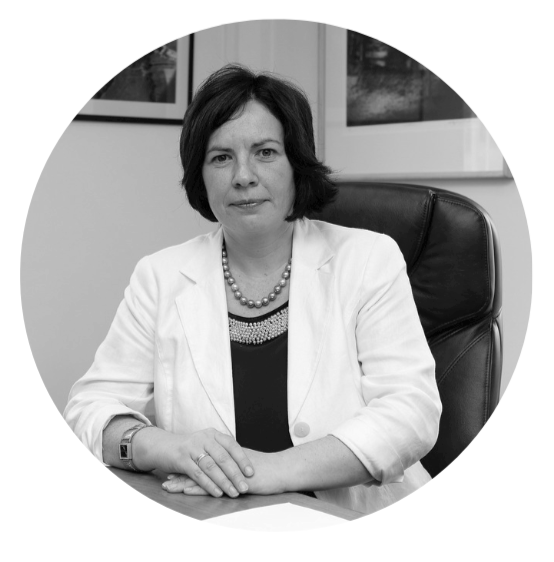
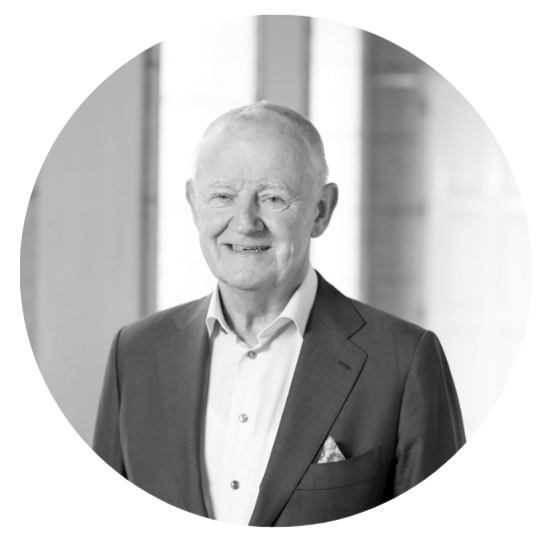
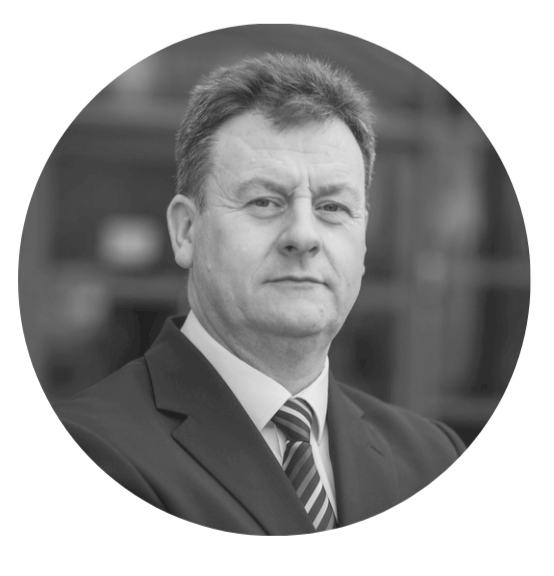
Sara Thiam, Chief Executive, Prosper

Business leaders often point to the unique synergistic collaboration in Scotland as another force behind the region’s momentum. “Both the UK and Scottish governments are committed to positioning Scotland strongly in the global marketplace. Our ‘Team Scotland’ approach brings together business, government, academia, and civic society behind a shared vision—giving investors a clear and confident landing point,” stated Sara Thiam, CEO of Prosper, an organization driving economic policy and positive change in Scotland.   

Thiam continued, “With major R&D investment driving high-value innovation, we’re removing barriers so Scotland, although a small nation, can continue to play a big role in the global economy.”

Education and Research 

Boasting one of the most highly educated workforces in Europe with more than half its working population pursuing further study, Scotland punches above its weight in scientific and technological progress, landing breakthroughs while other countries are still finding their footing. The region has 19 higher education institutions, one of the highest concentrations in Europe. Its universities rank first in the UK for cost-to-benefit ratio and second globally for international student enrollment per capita. They attract researchers and students from more than 180 countries and generate one of the largest concentrations of academic research per capita globally. 

Universities like Edinburgh, Glasgow, St Andrews, Strathclyde, and Aberdeen are leaders in informatics, precision medicine, quantum technologies, and energy systems. They’re supported by a strong pipeline of venture funding and specialized incubators that bridge academic discoveries with commercial markets, historically leading to a significant share of formal spinouts.

For instance, RoslinCT spun out from the University of Edinburgh’s Roslin Institute. The company develops and manufactures cutting-edge cell therapies. Working with scientists and pharmaceutical partners from around the world, RoslinCT helps turn early-stage revelations from gene-edited cells to next-generation regenerative treatments, leading to therapies that can be tested and eventually brought to market to improve patients’ lives. 

Across sectors, from low-carbon heating systems to AI and supercomputing, Scotland’s academic research feeds high-impact, commercially viable innovations that strengthen the economy and tackle global challenges.

Diverse Industries 

While future-focused industries fuel Scotland’s research landscape, its established sectors, notably financial services, are evolving just as rapidly, with Edinburgh becoming an influential fintech cluster. Other heritage industries are adapting, with a shift from oil and gas to decarbonization and renewables, helping Scotland in the energy transition.

The strength of Scotland’s energy sector offers a glimpse of the country’s economic strategy in motion. Long before many of its peers, Scotland identified the energy transition as both an existential priority and a generational economic opportunity that is capable of reshaping its industries, creating skilled jobs, and driving the nation toward its goal of net-zero emissions by 2045, five years ahead of most of the world.

Other growth sectors include life sciences, anchored by global firms and a deep bench of start-ups working in cell therapy, diagnostics, and pharmaceuticals. Major industry players are collaborating with new entrants, allowing Scotland to become one of Europe’s expanding life sciences clusters.

Scotland spent the past two decades shaping the creative and digital arts arena, including the modern gaming world. It’s home to the creation of Grand Theft Auto, a franchise that rewrote the rules of the industry.

Space – the Final Frontier 

Space and satellites, once an unlikely field for Scotland, is now a blooming industry. Scotland produces more small satellites than any country in Europe. Reuben Aitken, the Managing Director of Scottish Development International, the region’s trade and investment agency, described the transition. He stated, “Scotland’s space sector is evolving into a rare end-to-end ecosystem, with manufacturing, space data, and imminent launch capability; it is an exciting part of our economy.” 

Deep engineering traditions are blending with bold space-related innovations. Scottish firms now span the entire space chain from building nanosatellites to designing vertical launch vehicles, analyzing Earth-observation data, and developing proprietary research infrastructure. Rocket companies like Orbex and Skyrora are developing orbital-capable vehicles. Meanwhile, startups such as Alba Orbital and AAC Clyde Space are designing tiny standardized satellites, some as small as 5 centimeters to enable easier access to orbit for a constellation of possible uses.

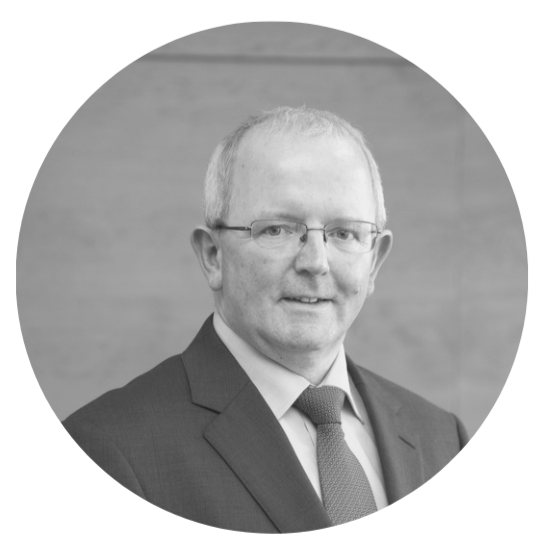
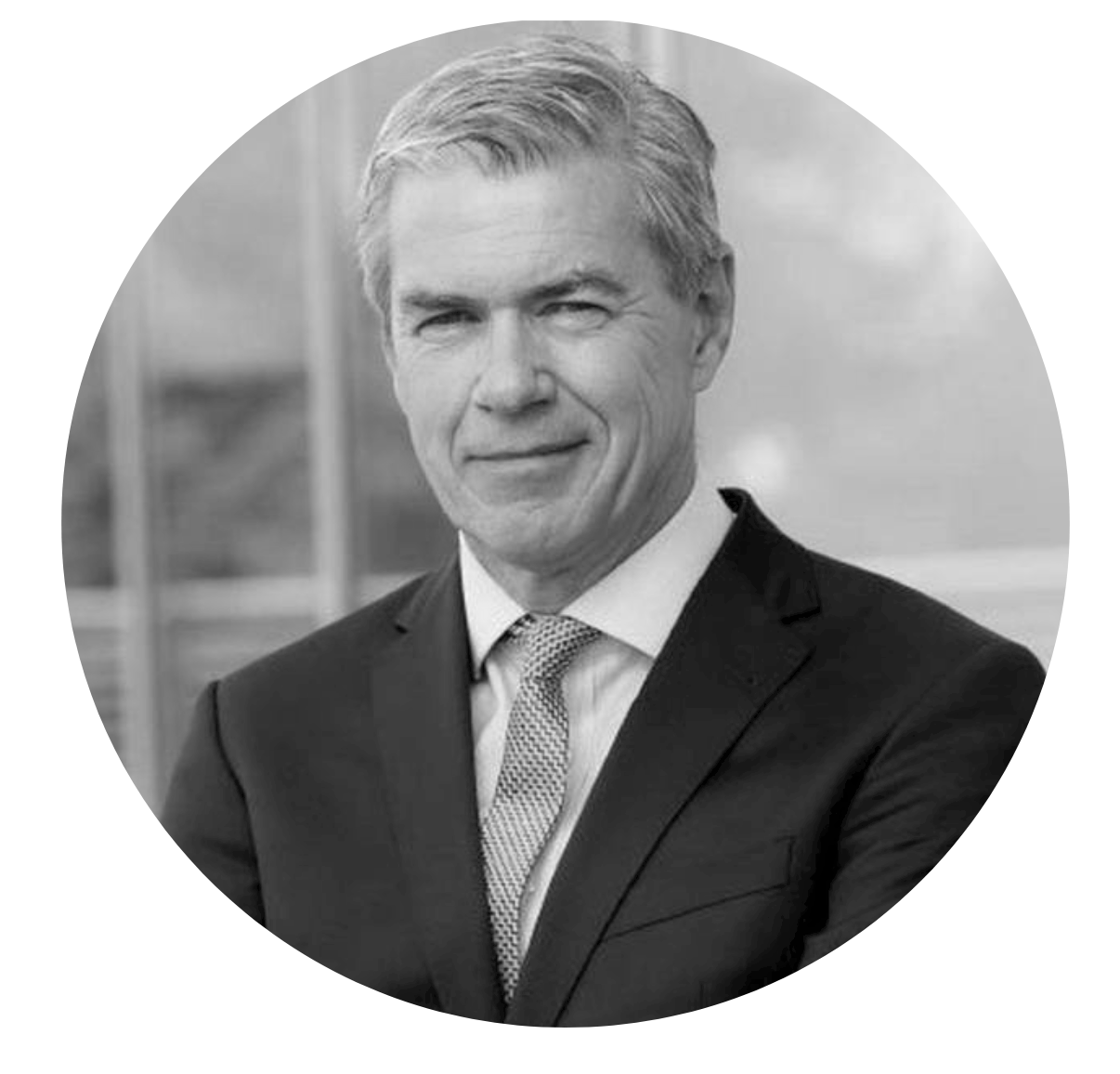
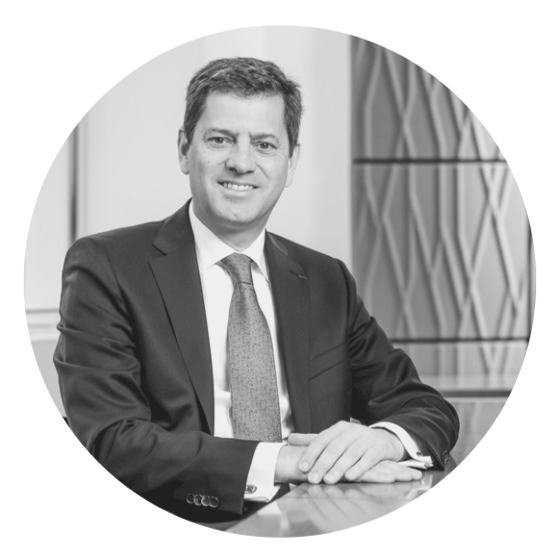
Reuben Aitken, Managing Director, Scottish Development International

Ambitious launch infrastructure is also moving through the next stages of development with five spaceports planned across Scotland. The Sutherland spaceport is targeted to be carbon-neutral, part of an effort to pair Scotland’s ambitions with sustainability. A local innovation supporting this goal is the pioneering of green rocket fuel that will emit up to 90% less carbon.

On the data side, Edinburgh is nicknamed Europe’s “space-data capital,” where firms mine Earth-observation data for application across a range of industries such as forestry, agriculture, maritime monitoring, and even energy transition. 

Scotland has not merely entered the space race; instead, it is shaping a distinct trajectory, helping make the orbital economy a reality. 

Transatlantic Ties

Few economic relationships matter more to Scotland than its ties with the United States. The US is Scotland’s largest source of inward investment, with American companies making up around a quarter of all foreign investment in the country. According to recent data, more than 700 US-owned businesses operate across Scotland, employing roughly 115,000 people in high-value sectors.

Aitken added, “Scotland’s strength lies in its unified, collaborative networks; one door in, and every resource is at your side. For American firms, that makes Scotland not only an easy place to do business, but a launchpad for expanding into Europe.” 

But the path runs both ways; the US is also one of Scotland’s core export markets. Roughly 16% of Scotland’s international exports go to the US, making it the country’s second largest overseas marketplace after the European Union. Scotland’s biggest export category to the US is food and drink; led overwhelmingly by Scotch whisky. Alongside whisky’s dominant role, Scotland is also seeing steady growth in exports of red meat, while seafood — particularly salmon — continues to strengthen its position as one of the country’s most important shipments to the US.

Cultural Connections

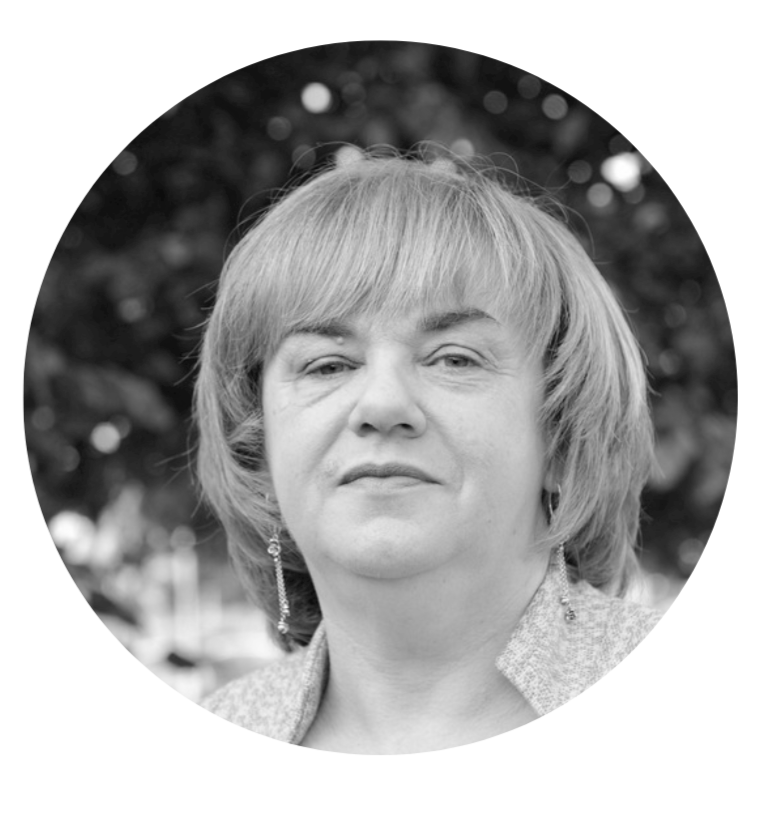
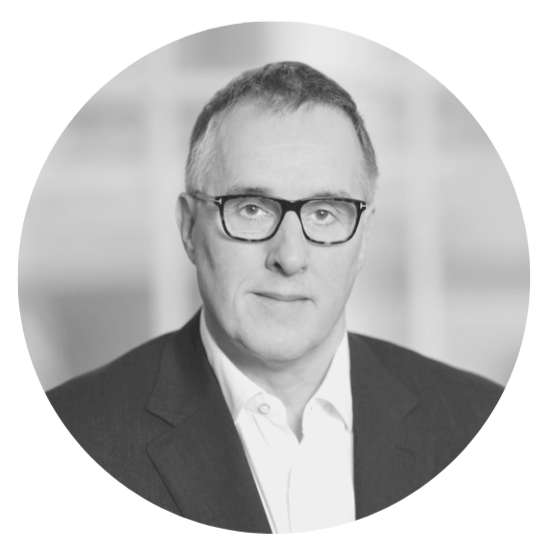
Dr Liz Cameron, CEO, Scottish Chambers of Commerce

Cultural affinity reinforces existing economic ties. Millions of Americans trace part of their ancestry to Scotland, fostering familiarity and enthusiasm for deeper commercial engagement. As trade relationships evolve and American investors reassess supply chains, Scotland remains a stable, skilled, English-speaking base for international business.

Dr. Liz Cameron, Director and CEO of the Scottish Chambers of Commerce stated, “The Scottish diaspora in the US is immense, and includes a lineage of American presidents with Irish or Scottish heritage. This creates a unique foundation of trust, shared history, and impact. Scots have the humility as a business community to learn from others and build a partnership that is achieved by knowledge-transfer and strengthened by the steady exchange of ideas, investment, and opportunity. For instance in Edinburgh, we have one of the largest centers for robotics and AI in all of the UK. There is a tremendous amount of opportunity to collaborate with the US in these fields in particular.”

While Edinburgh and Glasgow often capture the spotlight, Scotland’s economic growth story extends well beyond its major cities, reaching communities across the entire country. Regions such as the Highlands, Midlothian, Stirling, and North Lanarkshire are forging their own path, contributing to Scotland’s wider economic narrative and appeal. They offer significant advantages with more available land for expansion, tight-knit innovation clusters, coupled with lower operating costs. 

For investors seeking a mix of stability, ingenuity, international connectivity, and collaboration, Scotland has become something rare: a small country with global impact that is humble, deeply capable, and increasingly impossible to overlook.


More Articles

  • Interview: Seamus Neely, Chief Executive, Donegal County Council

    Interview: Seamus Neely, Chief Executive, Donegal County Council

    Donegal’s FinTech Hub Develops Letterkenny designated Regional Growth Center in the National Planning Framework How do you assess Donegal’s economy?  Donegal’s economy is performing strongly, and employment is on the rise. The county has a thriving fin-tech hub, and a significant FDI track record. 75% of investors are continuously growing their operations and Donegal’s indigenous…

  • Ireland’s Regions Seek Investment

    Ireland’s Regions Seek Investment

    Interview: John Mulholland Chief Executive Laois County Council What is your economic forecast for County Laois?  County Laois has benefited from nearly 700 million euro in public national infrastructure projects over the past two decades. These projects connected Laois’ central location to Ireland’s west and east coasts. The county benefitted from its strategic location in…

  • Interview: Dr. Pat Gallagher, Chief Executive, Westmeath County Council

    Interview: Dr. Pat Gallagher, Chief Executive, Westmeath County Council

    Westmeath: In the Heart of Ireland How do you assess Westmeath’s economy? Westmeath’s two biggest towns, Athlone and Mullingar, have their own distinct economies that have developed backed by the regions central location, developed motorway network, excellent utilities, and highly educated workforce. Mullingar is one hour from Dublin by car, train or bus and has…

  • Interview: Joan Martin, Chief Executive, Louth County Council

    Interview: Joan Martin, Chief Executive, Louth County Council

    Louth County: The Land of Legends Although Louth may be Ireland’s smallest county, it has plenty to offer. It is the second most densely populated county in the nation, outside of Dublin. The majority of Louth’s population resides in its two largest towns of Drogheda and Dundalk. Joan Martin, Chief Executive of Louth County Council…

  • Interview: Moira Murrell, Chief Executive, Kerry County Council

    Interview: Moira Murrell, Chief Executive, Kerry County Council

    Kerry: A Stunning Place to Work Quality of life, the availability of a skilled workforce, ease of access, fiber-based broadband and government incentives combine to provide a positive business environment  How are Ireland’s rural regions developing?  There currently is a strong national focus on the development of Ireland’s regions and their improved interconnectivity. Kerry increasingly…

  • Interview: Daniel McLoughlin, Chief Executive,  South Dublin County Council

    Interview: Daniel McLoughlin, Chief Executive, South Dublin County Council

    How is SDCC preparing to accommodate future FDI?  SDCC is home to Grange Castle Business Park, the largest wholly owned local authority FDI site in Ireland. It has become the location of choice for world-class multinationals such as Pfizer, Microsoft, Amazon and Google. It is a world class facility with investments of over 5 billion…

  • Ireland’s Booming Data Center Scene

    Ireland’s Booming Data Center Scene

    New design and build model leads to fastest delivery of a 10 MW data center in Europe By the end of 2019, Dublin is set to outstrip London as the biggest European data center market by take-up of data center space – both colocation hubs and hyper scale self-builds. Within this thriving sector, business success…

  • Interview: Mark Foley, Group CEO, EirGrid Group

    Interview: Mark Foley, Group CEO, EirGrid Group

    Powering Ireland’s Economic Development  What advantages does Ireland offer energy intensive industries?  We have a proud history of supporting FDI in Ireland, and the nation remains the premier European country in terms of attractiveness. It started with the pharmaceutical industry, then the tech firms, and more recently the data center industry has arrived.  Ireland’s transmission…

  • Interview: Michael McAteer, Managing Partner, Grant Thornton Ireland

    Interview: Michael McAteer, Managing Partner, Grant Thornton Ireland

    Grant Thornton Ireland: Driving Business with Purpose How do you assess Ireland’s economy?  Ireland is a small and open economy that it is heavily affected by global economic events. It is the reason why our economy was severely impacted a few years ago, and is now experiencing such a strong rebound. Brexit is Ireland’s biggest…

  • At the Forefront of a Low-Carbon Revolution

    At the Forefront of a Low-Carbon Revolution

    Ireland is allocating 22 billion euro to transform into a low-carbon economy by 2050. The private sector in turn is doing its part to export its own expertise globally Martin Naughton is one of Ireland’s most prominent industrialists and philanthropists. His efforts in promoting the private sector’s contribution to peace and environmental sustainability led him…

  • Interview: Nicholas Butcher, Managing Partner, Maples and Calder Dublin, Maples Group

    Interview: Nicholas Butcher, Managing Partner, Maples and Calder Dublin, Maples Group

    Ireland Set to Become the Largest Common Law Jurisdiction in the EU Post-Brexit There is a strong initiative across the Irish legal sector to promote Ireland as a convenient and appropriate hub for international transactions  Maples Group is a leading service provider offering clients a comprehensive range of legal services for the British Virgin Islands,…

  • Interview: Martin McVicar, Co-Founder and CEO, Combilift

    Interview: Martin McVicar, Co-Founder and CEO, Combilift

    Innovative Solutions for Warehouse Management  Combilift’s space saving solutions captivate European clients, while improved safety allures US clients How is Combilift developing its business services to bring additional value to clients?  We have an established warehouse design department with nine engineers exclusively working on aiding our clients to design and create more efficient warehouses, saving…

  • Chanelle Pharma Eyes Expansion into the US Market

    Chanelle Pharma Eyes Expansion into the US Market

    Ireland is home to the world’s top pharma companies Chanelle Pharma is Ireland’s largest indigenous manufacturer of generic human and veterinary pharmaceuticals. Innovative Irish man, Michael Burke founded the company in 1983, and still leads the company today out of their headquarters in Loughrea, Co. Galway on the west coast of Ireland.  Chanelle Pharma manufactures…

  • Interview: Michael Burke, Founder and Managing Director, Chanelle Pharma

    Interview: Michael Burke, Founder and Managing Director, Chanelle Pharma

    How has Ireland’s pharma sector developed?  Nine of the ten largest pharmaceutical companies in the world are present in Ireland. The sector has matured rapidly and is a significant contributor to Ireland’s economic success. Chanelle Pharma is unique as it remains an Irish owned company, and is heavily committed to R&D and exporting to over…

  • Interview: Joe McGinley, CEO, Iconic Offices

    Interview: Joe McGinley, CEO, Iconic Offices

    Dublin’s Most Iconic Flexible Workspace Increases its Unique Property Portfolio In a complicated business world, flexible workspace solutions are a tactical advantage How do you evaluate Dublin’s property market?  Dublin is in the latter stages of a cycle, and sourcing new locations is increasingly complicated. Wealthy, primarily technology, companies are driving up prices and tenants…

  • Interview:  David McRedmond, CEO, An Post

    Interview: David McRedmond, CEO, An Post

    Building a European E-commerce Logistics Hub The development of ‘An Post Money’ and ‘An Post Commerce’ is future proofing the business for the long term How has the digital age impacted An Post’s development?  Digital communication has substituted physical letters, which translated into a fall in revenue for An Post in the letter delivery business.…

  • Interview: Anthony Smurfit, Group CEO, Smurfit Kappa

    Interview: Anthony Smurfit, Group CEO, Smurfit Kappa

    Irish Roots with Global Reach From humble beginnings as a small box-making factory in Rathmines, to becoming the first Irish multinational, Smurfit Kappa is an innovative world leader in corrugated packaging How has Smurfit Kappa evolved across the years?  We have been in business since 1934, starting out making cardboard boxes and packaging for the…

  • Interview: Mark O’Sullivan, Partner, Matheson

    Interview: Mark O’Sullivan, Partner, Matheson

     A decade after the financial crisis, Ireland retains a strong globalized business model. Corporate business investment is at record levels and collectively, US multinational investments amount to $387bn, representing 67% of all foreign direct investment in Ireland and 12% of US investment in the EU. What core facts best highlight Ireland’s role as a gateway…

  • Egypt’s banking sector remains resilient

    Egypt’s banking sector remains resilient

    Banks retain strong credit growth, profitability, funding, liquidity, and loan profiles. The sector is extremely optimistic about its growth prospects in 2019. According to a Mckinsey Egypt and Morocco are among the top emerging markets in the Middle East and North Africa region. 2016 was a particularly active year for the financial sector with the…

  • Blended Finance: The EUR 45 000 million global market

    Blended Finance: The EUR 45 000 million global market

    The OECD defines Blended finance as the strategic use of development finance for the mobilization of additional funding towards sustainable development in developing countries. Private capital is pooled with public funds to invest in projects aimed at furthering national development. This can be done in everything from infrastructure, clean energy, climate change, or poverty alleviation,…

  • Interview: Osama Bishai, Chief Executive Officer, Orascom Construction

    Interview: Osama Bishai, Chief Executive Officer, Orascom Construction

    Orascom Construction is a leading global engineering and construction contractor primarily focused on infrastructure, industrial and high-end commercial projects in the Middle East, North Africa, the United States, and the Pacific Rim for public and private clients. The Group also develops and invests in infrastructure opportunities. What is your outlook for Egypt’s economy? We see incredibly…

  • Interview: Prof Ismail Abdel Ghaffar Ismail, President, Arab Academy for Science, Technology and Maritime Transport  (AASMT)

    Interview: Prof Ismail Abdel Ghaffar Ismail, President, Arab Academy for Science, Technology and Maritime Transport (AASMT)

    The Arab Academy for Science, Technology & Maritime Transport is a regional university operated by the Arab League which runs programs in marine transportation, business, engineering and is quickly growing its curriculum to ensure recent graduates meet labor market requirements. Established in 1972, the multi-purpose & multi-task institution specialized on offering its services to Arab…

  • Interview: Ahmed Hafez, CEO, Ideal Standard MENA

    Interview: Ahmed Hafez, CEO, Ideal Standard MENA

    Ideal Standard designs, manufactures and supplies bathroom innovations for residential, commercial and institutional buildings. They operate through 47 factories around the globe, 6 of which are in Egypt’s 10th of Ramadan City. Ideal standard has had a MENA region presence since the 1960s and is celebrating its 35th anniversary in the Egyptian market. How do…

  • Interview: Basil El Baz, CEO, Carbon Holdings

    Interview: Basil El Baz, CEO, Carbon Holdings

    Carbon Holdings is a privately owned petrochemical company. They develop midstream and downstream petrochemical projects to supply the manufacturing, mining and construction sectors. They currently operate the Egypt Hydrocarbon Corporation (EHC), Oriental Petrochemicals Corporation (OPC) and are in the early stage of financing a third project Tahrir Petrochemicals Corporation (TPC).  What role do you see…