Serbia: Solid banks support growth

The sector is well-capitalized, liquid and harmonized with EU legislation

Financial sector reforms have been pursued vigorously. Banks are on a sound footing and continue to support growth. The banking sector comprises over 90% of the total assets in the financial sector. Over the last several years significant restructuring has been undertaken to improve the stability of the sector. There are currently 30 licensed commercial banks in Serbia, and further consolidation is expected to reduce this number to around 20 over the next few years. At the moment, 21 banks are under majority foreign ownership, and most are authorized for international banking operations. Banks from Italy, Austria, Greece, and France hold a dominant share in total banking sector balance sheet assets reaching almost three quarters. The banks orientate their business towards traditional banking activities with deposits being the primary source of bank funding. Overall the potential for organic growth is quite limited.

Serbia’s banking sector assets total nearly EUR 27 590 million. The top ten banks account for 77,4% of total balance sheet assets in the sector, while the top 5 banks account for 55,5%. Foreign banks have no obstacles in establishing operations in Serbia, and foreigners can freely open non-resident accounts. The sector employs nearly 24 000 employees. Based on reference values of liquidity indicators, Serbia’s banking sector has been characterized by considerable excess liquidity for a long time now, while capital adequacy continues to increase from an already high level.

Total capital in the sector amounts to EUR 5 552 million and growing, while share capital remains stable at EUR 3 359 million. The sector has nearly EUR 17 435 in total loans and EUR 21 174 million in deposits. The banking sectors earnings are low for its size, but quickly increasing, with earnings before tax reaching over EUR 448 million. A positive economic environment boosted profitability to levels not seen since 2008.

The sector is well harmonized with EU legislation, and to strengthen this further the NBS adopted new regulations in line with the requirements of Basel III standards which came into effect in 2017. The end 2017 deadline was not met, and efforts need to continue in 2018. Overall introduction of Basel III standards has enhanced financial stability.

Serbia’s banking sector has received positive reviews from the IMF. According to the IMF, the sector is well-capitalized, liquid and Serbian authorities are making significant progress in implementing reforms. NBS’ efforts of implementing the policies of Basel III framework are strongly supported by IMF. Serbian banks are already working on the upgrade of their credit system and implementation of the SEPA rules in payment systems.

The most significant challenge for the banking sector has been the high rate of non-performing loans (NPLs). The NPL rates for Legal Entities reached peaks of 30% and averaged nearly 22% in 2015. NBS and the government adopted a plan which the IMF assessed in 2016 made significant progress. The total number of NPLs continue falling both in nominal terms and relative to total loans. In early 2018, the NPL rate dropped to below 10%, but there is still a way to go there, and more reduction of bad loans will continue to be made. According to Professor Veroljub Dugalić, Secretary General of the Association of Serbian Banks this opens up the possibility to approve more loans in the near future.

Commercial banks are slowly easing their credit standards, which is contributing to increased credit activity. Cash loans to households have recently grown rapidly to match housing loans and should be managed carefully. More than two-thirds of all lending is denominated in EUR because it carries less risk than RSD and lower rates.

Although the banking sector is highly liquid, Serbian companies are unable to find working capital which remains an issue for the Serbian economy. In contrast, there are no obstacles for foreign investors on the domestic market to obtain credit. Professor Dugalić, stresses there is a direct link between corporate loans, resulting investment and the economy which needs to be addressed. He emphasizes improving commercial borrowing is key for business expansion and Serbia’s economic prosperity.

Historically after the global financial crisis in 2008, four state-owned banks in Serbia went bankrupt. The state compensated the banks’ depositors with nearly EUR 1 000 million.  State-controlled banks have had financial difficulties after the crisis. They have honored all withdrawal requests during and after the crisis, and now the situation has been stabilized, and banks have regained consumer trust. Personal remittances are an important trust indicator. They are on the rise and reach nearly EUR 3 000 million.

In early 2018 there were nearly 6 million credit/debit cards issued in Serbia, which for a population of 7 million people showcases a positive penetration rate.

The Ministry of Finance’s administrative capacity to regulate the securities market remains weak.

Overall, it remains also weak in the NBS, Deposit Insurance Agency and Ministry of Labour. The National Bank of Serbia’s (NBS) main goal is to achieve sustainable prices and stability of the exchange rate, as well as controlling the inflation. It also manages foreign exchange transactions, formulates monetary policy, manages cash circulation, and supervises banks and other financial institutions. NBS is independent of the government but reports to the Parliament, and the current governor is Jorgovanka Tabakovic.

Foreign Exchange: Serbia allows free flow of capital and investments, and residents may maintain both foreign currency and dinar denominated bank accounts without restrictions. Investors can make or receive payments in foreign currency on these accounts. In December 2014, the government updated the Foreign Exchange Law to allow Serbian citizens to make transactions through internet payment systems such as PayPal.

Portfolio Investment: According to the National Bank of Serbia (NBS), Serbia recorded net outflow of EUR 1 000 million in portfolio investment in 2016. The Serbian government finances its budget deficit with regular issues of bonds, including dinar-denominated T-bills, dinar-denominated, short-term, and euro indexed government bonds. The value of government debt securities issued on the Serbian market reached EUR 8 800 million in early 2017, with 63% in Serbian dinar (RSD) and 37% in euro. Including international market, it reached nearly EUR 14 000 million in total.

Serbia’s international credit ratings have improved over the last few years and have a stable outlook. In March 2017, Moody’s upgraded the Government of Serbia’s long-term issuer ratings to Ba3, from B1. Standard & Poor’s outlook for Serbia was briefly raised from stable to positive, while keeping its rating at BB- before being upgraded to BB, with a stable outlook at the end of 2017. In 2016, Fitch raised Serbia’s credit rating from B+ to BB- and to BB in 2017. The improved ratings remain below investment grade.

Capital Markets: Serbia does not have well-developed equity and bond markets. Belgrade Stock Exchange (Belex) has 990 companies listed, but less than 10% of them have their shares traded regularly, which is defined as more than once a week. Total turnover in 2016 doubled from the year before, and it reached EUR 400 million, which is a positive sign, but still far from the volume of trade before the global economic crisis in 2008. The Belgrade Stock Exchange is ramping up 2018 with a series of strategies focused on increasing trading. This includes EU supported “Serbia: IPO GO!” aimed at having the first IPO in the exchange in over 70 years.

Insurance: The insurance market in Serbia is comprised of 21 insurance companies, 15 of which are in their majority foreign-owned. The balance sheet total of insurance and reinsurance undertakings in Serbia continues to increase reaching EUR 1 955 million. Total premiums in 2017 reached EUR 594 million, an increase of 6.3% from 2016. Non-life insurance policies made up a 77.5% share while life insurance premiums the remaining 22.5%. Insurance regulations have already been adopted creating the legislative ground for convergence of the Serbian insurance sector to that of the EU. This ensures protection equivalent to that in the EU.
More Articles

  • Interview: Dr. Daniel Risch, Deputy Prime Minister, and Minister of Infrastructure, Economic Affairs and Sport, Principality of Liechtenstein

    Interview: Dr. Daniel Risch, Deputy Prime Minister, and Minister of Infrastructure, Economic Affairs and Sport, Principality of Liechtenstein

    How do you assess relations with the USA? Relations are founded on shared values and historically strong social and economic interests. Liechtenstein has traditionally been a desirable location for companies, a crucial incubator for global innovation, and a valuable supplier to the USA.  What are some benefits of Liechtenstein’s business ecosystem? Liechtenstein’s unique value-added proposition…

  • An Innovative Industrial Ecosystem is Developing Within Liechtenstein

    An Innovative Industrial Ecosystem is Developing Within Liechtenstein

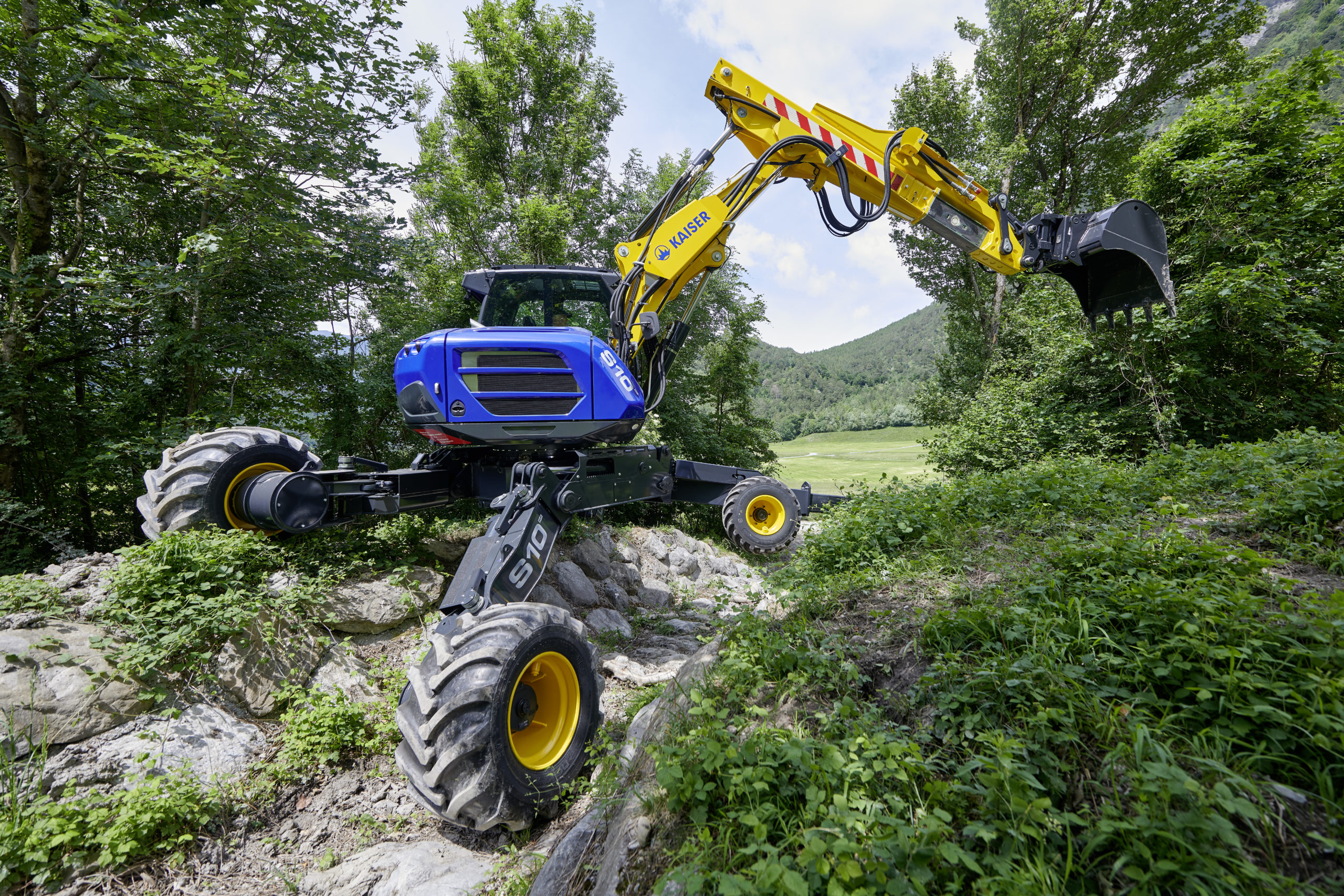
    Interview with Markus Kaiser, CEO, Kaiser Founded in 1913 in Schaanwald Liechtenstein, the family-run company Kaiser manufactures specialized vehicles for mission-critical tasks in sewer cleaning, industrial disposal, and mobile walking excavators. They also design highly specialized components, including customized high-pressure pumps which have consistently set a new standard within the industry. What drives you to…

  • Improving The World Through Disruptive Dental Innovation

    Improving The World Through Disruptive Dental Innovation

    How a revolutionary dental technology company is making millions of people smile Diego Gabathuler is a man on a mission to improve people’s lives and make them smile. The CEO of Ivoclar Vivadent, one of the world’s leading dental companies, is passionate about the life-changing effects of good oral health and a beautiful smile. It…

  • Castles Worthy Of A Fairy Tale

    Castles Worthy Of A Fairy Tale

    A cultural journey of discovery through quaint valleys and legendary castles As a year-round tourist destination, Liechtenstein offers a diverse mix of alpine scenery, outdoor pursuits, a rich blend of cultural attractions such as museums, galleries, and medieval castles worthy of a fairy tale. During winter, the snow-covered Alps attract thousands of skiers and snowboarders.…

  • A Stable Financial Center

    A Stable Financial Center

    Liechtenstein’s New Blockchain Act Opened New Opportunities Despite a worldwide reputation as center for finance and banking, the financial sector is not the country’s largest economic sector, and actually plays a smaller role in the national economy than factories. Since the founding of Liechtenstein’s first bank in 1861, the country’s financial sector has grown to…

  • A Robust Industrial Sector

    A Robust Industrial Sector

    Liechtenstein is heavily export-oriented, focuses on high-quality goods, and swiftly became one of the world’s most industrialized countries. For centuries, the tiny alpine nation with no natural resources relied on agriculture as its primary industry. However, following World War II, the country evolved into a modern, export-oriented society. During the intervening years, it has gone…

  • Thurgau: An Industrious Canton

    Thurgau: An Industrious Canton

    All the high-quality advantages of Switzerland, but with greater affordability In Northeastern Switzerland, bordering Zurich and within St.GallenBodenseeArea, lies the canton of Thurgau, one of the most cost-efficient business locations in the Swiss Confederation. The canton respects its agricultural history and capitalizes on its location in one of Europe’s strongest economic regions. Excellent transport links…

  • The Rising European Hub for Data Centers

    The Rising European Hub for Data Centers

    Zurich is quickly becoming one of Europe’s leading information technology hubs Rising demand for online services has driven new large-scale investments in data center infrastructure around the world, and generated the need for additional sophisticated cloud services. Several global hubs have continuously developed to meet evolving requirements. Switzerland is becoming increasingly interesting as a cloud…

  • The Future of Finance

    The Future of Finance

    Impact investing, blockchain, fintech, and cryptocurrencies The Swiss financial services sector continues to evolve as a new wave of financial institutions and trends are transforming the field. In addition to the adaptation of traditional Swiss financial services now ensuring transparency at the forefront, there has been a surge in socially responsible investing, blockchain technology, fintech,…

  • World Leader in Isolator Technology Stays One Step Ahead of the Innovation Curve

    World Leader in Isolator Technology Stays One Step Ahead of the Innovation Curve

    Swiss technology continues to improve safety in pharmaceutical production The manufacturing of pharmaceuticals is a complex and high-stakes undertaking. Patient safety and product quality are of paramount importance. To mitigate manufacturing risks and improve safety, pharmaceutical manufacturers are opting for isolators instead of classic cleanrooms for aseptic production activities such as filling and formulation. An…

  • Swiss Ingenuity is Reshaping the Packaging Industry to Ensure Sustainability

    Swiss Ingenuity is Reshaping the Packaging Industry to Ensure Sustainability

    Innovative solutions foster new frontiers in digitalization, automation and sustainability Consumers worldwide have been challenging major corporations to “go green” and become more sustainable. The increasing pressure from influencers has encouraged major global brands to collaborate with their trusted suppliers and create sustainable products to reduce their companies’ environmental footprint. Through large investments in R&D,…

  • A Swiss Company Plows its Way to the Top of North American Markets

    A Swiss Company Plows its Way to the Top of North American Markets

    The ambitious growth plans of Aebi Schmidt Group The global powerhouse Aebi Schmidt Group sprang from humble beginnings in 1883 as a mechanical workshop in Burgdorf, Switzerland. Nearly 140 years later, Aebi Schmidt is now a leader in smart product systems and services for the treatment of mission-critical infrastructural and agricultural areas. Throughout the years,…

  • Swiss Packaging Pioneer Can Help the USA Overcome an Environmental Challenge

    Swiss Packaging Pioneer Can Help the USA Overcome an Environmental Challenge

    Environmental concerns are likely to return to the top of the USA’s political agenda following the election of Joe Biden as president. Biden pledged the USA would re-enter the Paris Climate Agreement, the global pact forged five years ago among nearly 200 nations to avoid the worst impacts of climate change, on “Day One” of…

  • Switzerland Plays a Decisive Role in the Coffee Sector

    Switzerland Plays a Decisive Role in the Coffee Sector

    Ancient legends from the 6th-century may shed light on coffee’s origins. As folklore would have us believe, Ethiopian goat herder Kaldi first noticed the benefits of coffee beans after his herd consumed coffee berries and became exceptionally energetic. News quickly spread regarding the beans, and various concoctions began to spread across the globe. Techniques for…

  • Industry 4.0

    Industry 4.0

    The Future of Manufacturing, Digitalization and Automation Industry 4.0 technologies were on the rise prior to the unprecedented impact of COVID-19. The crisis has accelerated long-established trends towards automation and data exchange in manufacturing, and rapidly pushed companies to adapt and evolve at a record pace. Factories, in particular, have been hotbeds of COVID-19 outbreaks,…

  • Innovative Swiss Businesses Tackle Global Challenges

    Innovative Swiss Businesses Tackle Global Challenges

    Few Americans recognize the name Oerlikon, yet millions benefit from the Swiss powerhouse’s innovative global technology and engineering solutions. Oerlikon is one of the leading providers of advanced materials, surface engineering, and polymer processing for the automotive, aerospace, energy, tooling, and additive manufacturing sectors. Every time an individual gets into a car or boards an…

  • Switzerland is one of the biggest industrial exporters per capita

    Switzerland is one of the biggest industrial exporters per capita

    For a small independent country with a population of 8.6 million, Switzerland has become a surprisingly strong industrial player with an ecosystem that is robust and competitive. Swiss industry represents over 25 percent of the country’s GDP, and is an important central component of the economy. A highly vigorous global production and research network compliments…

  • Innovative Swiss Medtech Solutions Reduce Complications

    Innovative Swiss Medtech Solutions Reduce Complications

    Just two decades ago patients undergoing medical procedures would face a long recovery period fraught with potential complications, associated pain, and a lengthy hospital stay. The medtech industry emerged from the union of medicine and technology and is a driving force of change and innovation. Healthcare has drastically transformed and evolved since the turn of…

  • Switzerland – a Medical Technology Hub

    Switzerland – a Medical Technology Hub

    Enabling Innovation for Medtech Worldwide Switzerland’s medical technology sector has a global footprint, impacting patients around the world. The country tops the rankings for the sector’s contribution to gross domestic product (GDP), with 2.6 percent of Swiss GDP stemming from medtech. With a rich history and reputation for precision technology expertise, Switzerland is well-poised to…

  • Developing a Holistic Approach to Healthcare Through Oral Care

    Developing a Holistic Approach to Healthcare Through Oral Care

    In the 18th century, before modern dentistry, the population relied on a local blacksmith or barber for teeth extraction. Since then, the field drastically evolved, and in no small part thanks to Zurich University, which was the first state institution in the world to offer a doctoral degree in dental medicine. Switzerland continues to contribute…

  • Life Science Cluster Expands Biotech Hub

    Life Science Cluster Expands Biotech Hub

    The Swiss capitalize on cross-border research to innovate The pharmaceutical sector is the country’s largest industry, representing 40 percent of exports. Exceptional leadership in research and development, combined with a robust education system, have derived impressive results. Switzerland attracts high-level talent, capital and partnerships from around the world. It has first-class technology, innovation park infrastructure,…

  • A Stable and Reliable Legal System

    A Stable and Reliable Legal System

    Switzerland’s trusted neutral legal framework allowed the country to develop into an international arbitration hub While Switzerland has a secure role as a gateway for American operations and foreign direct investment in Europe, the nation is going through a dramatic change in how it is perceived. While the tax regime is competitive at an international…

  • Switzerland – a Nation of Inventors and Innovators

    Switzerland – a Nation of Inventors and Innovators

    Switzerland Innovation Parks ensure the country remains the most innovative in the world For the last ten years, the World Intellectual Property Organization ranked Switzerland in the coveted top spot as the world’s most innovative country on their Global Innovation Index. Switzerland remains the country of inventors and innovators, with a record number of patent…

  • Science-Based Innovation: Increasing the Competitiveness of Swiss SMEs and Start-ups

    Science-Based Innovation: Increasing the Competitiveness of Swiss SMEs and Start-ups

    Tackling global challenges requiring a multi-disciplinary solution Switzerland is strengthening its approach to tackle some of the world’s greatest challenges with innovation, and in its pursuits the Swiss government builds on Innosuisse. Initiatives by companies like Quantum Integrity (helping to detect fake photos and videos quickly with its software), ClearSpace (tackling failed satellites and the…