Serbia: Solid banks support growth

The sector is well-capitalized, liquid and harmonized with EU legislation

Financial sector reforms have been pursued vigorously. Banks are on a sound footing and continue to support growth. The banking sector comprises over 90% of the total assets in the financial sector. Over the last several years significant restructuring has been undertaken to improve the stability of the sector. There are currently 30 licensed commercial banks in Serbia, and further consolidation is expected to reduce this number to around 20 over the next few years. At the moment, 21 banks are under majority foreign ownership, and most are authorized for international banking operations. Banks from Italy, Austria, Greece, and France hold a dominant share in total banking sector balance sheet assets reaching almost three quarters. The banks orientate their business towards traditional banking activities with deposits being the primary source of bank funding. Overall the potential for organic growth is quite limited.

Serbia’s banking sector assets total nearly EUR 27 590 million. The top ten banks account for 77,4% of total balance sheet assets in the sector, while the top 5 banks account for 55,5%. Foreign banks have no obstacles in establishing operations in Serbia, and foreigners can freely open non-resident accounts. The sector employs nearly 24 000 employees. Based on reference values of liquidity indicators, Serbia’s banking sector has been characterized by considerable excess liquidity for a long time now, while capital adequacy continues to increase from an already high level.

Total capital in the sector amounts to EUR 5 552 million and growing, while share capital remains stable at EUR 3 359 million. The sector has nearly EUR 17 435 in total loans and EUR 21 174 million in deposits. The banking sectors earnings are low for its size, but quickly increasing, with earnings before tax reaching over EUR 448 million. A positive economic environment boosted profitability to levels not seen since 2008.

The sector is well harmonized with EU legislation, and to strengthen this further the NBS adopted new regulations in line with the requirements of Basel III standards which came into effect in 2017. The end 2017 deadline was not met, and efforts need to continue in 2018. Overall introduction of Basel III standards has enhanced financial stability.

Serbia’s banking sector has received positive reviews from the IMF. According to the IMF, the sector is well-capitalized, liquid and Serbian authorities are making significant progress in implementing reforms. NBS’ efforts of implementing the policies of Basel III framework are strongly supported by IMF. Serbian banks are already working on the upgrade of their credit system and implementation of the SEPA rules in payment systems.

The most significant challenge for the banking sector has been the high rate of non-performing loans (NPLs). The NPL rates for Legal Entities reached peaks of 30% and averaged nearly 22% in 2015. NBS and the government adopted a plan which the IMF assessed in 2016 made significant progress. The total number of NPLs continue falling both in nominal terms and relative to total loans. In early 2018, the NPL rate dropped to below 10%, but there is still a way to go there, and more reduction of bad loans will continue to be made. According to Professor Veroljub Dugalić, Secretary General of the Association of Serbian Banks this opens up the possibility to approve more loans in the near future.

Commercial banks are slowly easing their credit standards, which is contributing to increased credit activity. Cash loans to households have recently grown rapidly to match housing loans and should be managed carefully. More than two-thirds of all lending is denominated in EUR because it carries less risk than RSD and lower rates.

Although the banking sector is highly liquid, Serbian companies are unable to find working capital which remains an issue for the Serbian economy. In contrast, there are no obstacles for foreign investors on the domestic market to obtain credit. Professor Dugalić, stresses there is a direct link between corporate loans, resulting investment and the economy which needs to be addressed. He emphasizes improving commercial borrowing is key for business expansion and Serbia’s economic prosperity.

Historically after the global financial crisis in 2008, four state-owned banks in Serbia went bankrupt. The state compensated the banks’ depositors with nearly EUR 1 000 million.  State-controlled banks have had financial difficulties after the crisis. They have honored all withdrawal requests during and after the crisis, and now the situation has been stabilized, and banks have regained consumer trust. Personal remittances are an important trust indicator. They are on the rise and reach nearly EUR 3 000 million.

In early 2018 there were nearly 6 million credit/debit cards issued in Serbia, which for a population of 7 million people showcases a positive penetration rate.

The Ministry of Finance’s administrative capacity to regulate the securities market remains weak.

Overall, it remains also weak in the NBS, Deposit Insurance Agency and Ministry of Labour. The National Bank of Serbia’s (NBS) main goal is to achieve sustainable prices and stability of the exchange rate, as well as controlling the inflation. It also manages foreign exchange transactions, formulates monetary policy, manages cash circulation, and supervises banks and other financial institutions. NBS is independent of the government but reports to the Parliament, and the current governor is Jorgovanka Tabakovic.

Foreign Exchange: Serbia allows free flow of capital and investments, and residents may maintain both foreign currency and dinar denominated bank accounts without restrictions. Investors can make or receive payments in foreign currency on these accounts. In December 2014, the government updated the Foreign Exchange Law to allow Serbian citizens to make transactions through internet payment systems such as PayPal.

Portfolio Investment: According to the National Bank of Serbia (NBS), Serbia recorded net outflow of EUR 1 000 million in portfolio investment in 2016. The Serbian government finances its budget deficit with regular issues of bonds, including dinar-denominated T-bills, dinar-denominated, short-term, and euro indexed government bonds. The value of government debt securities issued on the Serbian market reached EUR 8 800 million in early 2017, with 63% in Serbian dinar (RSD) and 37% in euro. Including international market, it reached nearly EUR 14 000 million in total.

Serbia’s international credit ratings have improved over the last few years and have a stable outlook. In March 2017, Moody’s upgraded the Government of Serbia’s long-term issuer ratings to Ba3, from B1. Standard & Poor’s outlook for Serbia was briefly raised from stable to positive, while keeping its rating at BB- before being upgraded to BB, with a stable outlook at the end of 2017. In 2016, Fitch raised Serbia’s credit rating from B+ to BB- and to BB in 2017. The improved ratings remain below investment grade.

Capital Markets: Serbia does not have well-developed equity and bond markets. Belgrade Stock Exchange (Belex) has 990 companies listed, but less than 10% of them have their shares traded regularly, which is defined as more than once a week. Total turnover in 2016 doubled from the year before, and it reached EUR 400 million, which is a positive sign, but still far from the volume of trade before the global economic crisis in 2008. The Belgrade Stock Exchange is ramping up 2018 with a series of strategies focused on increasing trading. This includes EU supported “Serbia: IPO GO!” aimed at having the first IPO in the exchange in over 70 years.

Insurance: The insurance market in Serbia is comprised of 21 insurance companies, 15 of which are in their majority foreign-owned. The balance sheet total of insurance and reinsurance undertakings in Serbia continues to increase reaching EUR 1 955 million. Total premiums in 2017 reached EUR 594 million, an increase of 6.3% from 2016. Non-life insurance policies made up a 77.5% share while life insurance premiums the remaining 22.5%. Insurance regulations have already been adopted creating the legislative ground for convergence of the Serbian insurance sector to that of the EU. This ensures protection equivalent to that in the EU.
More Articles

  • Liberal Labor Legislation

    Liberal Labor Legislation

    Switzerland regularly leads international rankings as a location for highly qualified employees and is consistently one of the most sought-after work destinations. Expatriates enjoy an exceptionally high quality of life, personal safety, considerable social benefits, and substantial salaries.  With some of the most liberal labor laws globally, Switzerland is also an attractive location for employers.…

  • A Look Inside the World’s Most Innovative Economy

    A Look Inside the World’s Most Innovative Economy

    The World Intellectual Property Organization analyzed 131 economies, and for the last ten years, Switzerland has ranked as the world’s most innovative country. The nation specializes in offering innovative solutions to complex global challenges, and has a unique ecosystem for business and investment opportunities. International corporations value Switzerland as an efficient, stable and productive location…

  • Switzerland Employs Half a Million Across the USA

    Switzerland Employs Half a Million Across the USA

    Swiss industry continuously brings high-quality jobs and the ‘Swiss spirit’ to even the most remote regions Although the USA is one of the most powerful countries globally, it still has its share of unemployed, impoverished citizens, and is keen on attracting foreign investment to boost local economies.  The past decade’s economic growth bypassed many rural…

  • How a Swiss AI Lab is helping to solve a global challenge

    How a Swiss AI Lab is helping to solve a global challenge

    A Viewpoint from Prof Dr Andrea Emilio Rizzoli from Istituto Dalle Molle di studi sull’intelligenza artificiale (IDSIA) USI-SUPSI How do you assess Switzerland’s higher education system?  In the past years, Switzerland has consistently been ranked as one of the most innovative countries in the world. There are various reasons why this small country, nestled in…

  • Switzerland: An Ideal Location for Global Operations

    Switzerland: An Ideal Location for Global Operations

    Innovative Swiss solutions tackling global challenges Switzerland specializes in offering innovative solutions to complex global operating structures seeking an efficient, stable and productive location to grow their dynamic high value-added businesses. The country is well known for offering one of the most competitive ecosystems globally. The nation has a liberal economy, political stability, international integration,…

  • Neuchâtel: Home to the World’s Most Innovative Nanotechnologies

    Neuchâtel: Home to the World’s Most Innovative Nanotechnologies

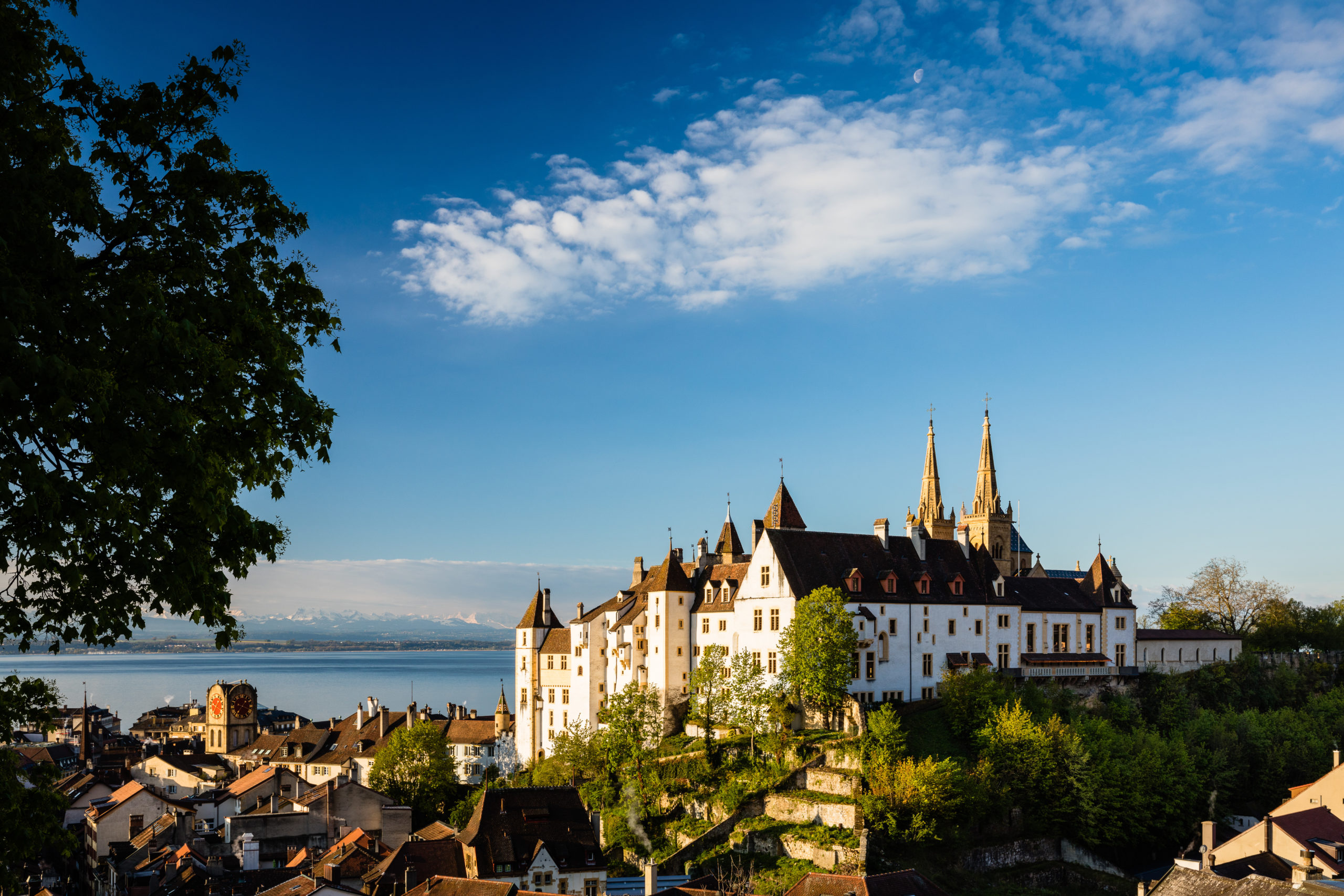
    The Canton of Neuchâtel develops revolutionary microtechnology, microelectronics, photovoltaic and system engineering technologies Nestled within the Greater Geneva Berne Area lies the Canton Neuchâtel, a canton which makes up 2% of the Swiss population, yet generates 20% of Switzerland’s commercial surplus. Per capita it has grown to become the second-biggest exporter and the second-largest holder…

  • Davos: More than just the World Economic Forum

    Davos: More than just the World Economic Forum

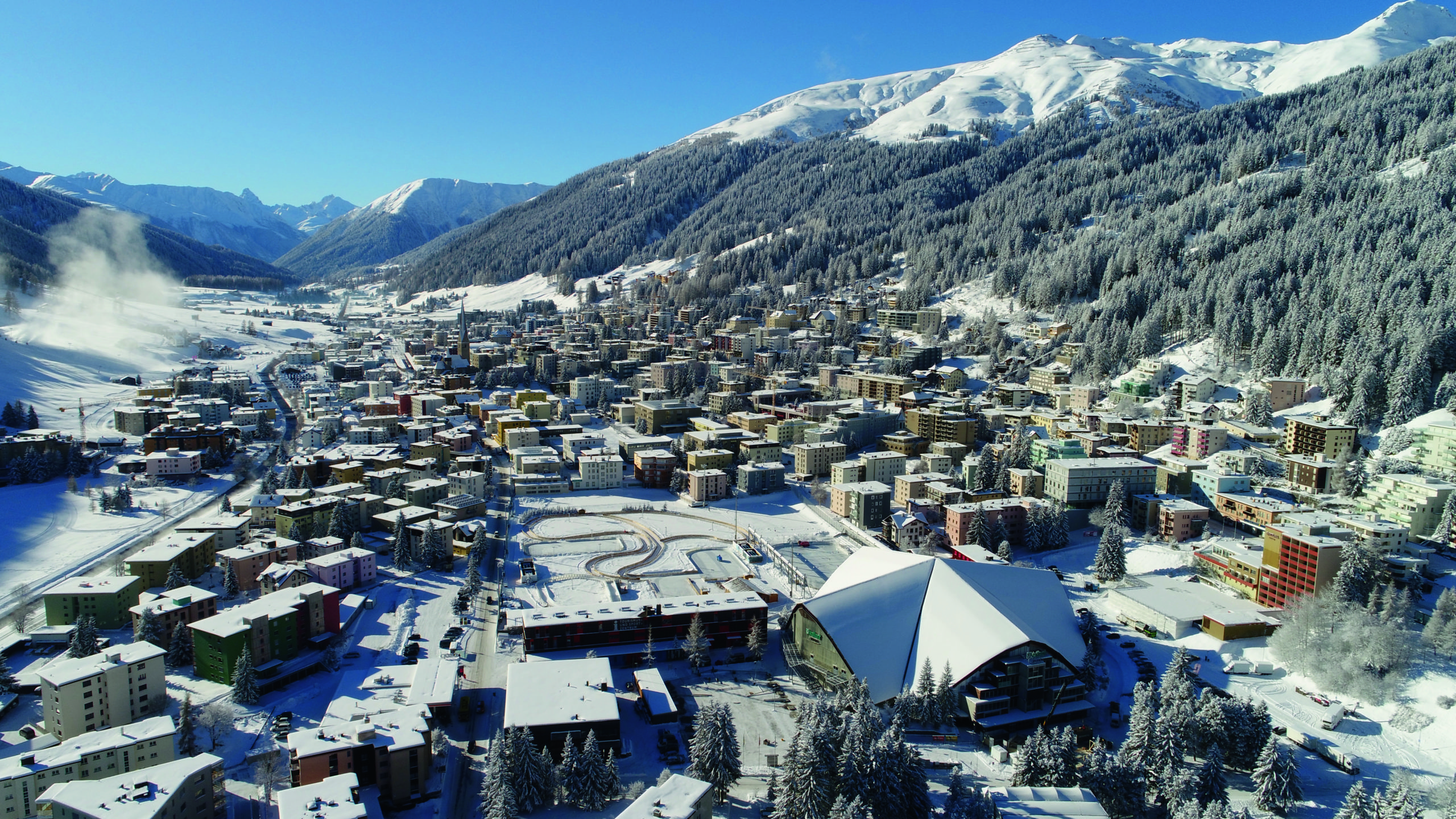
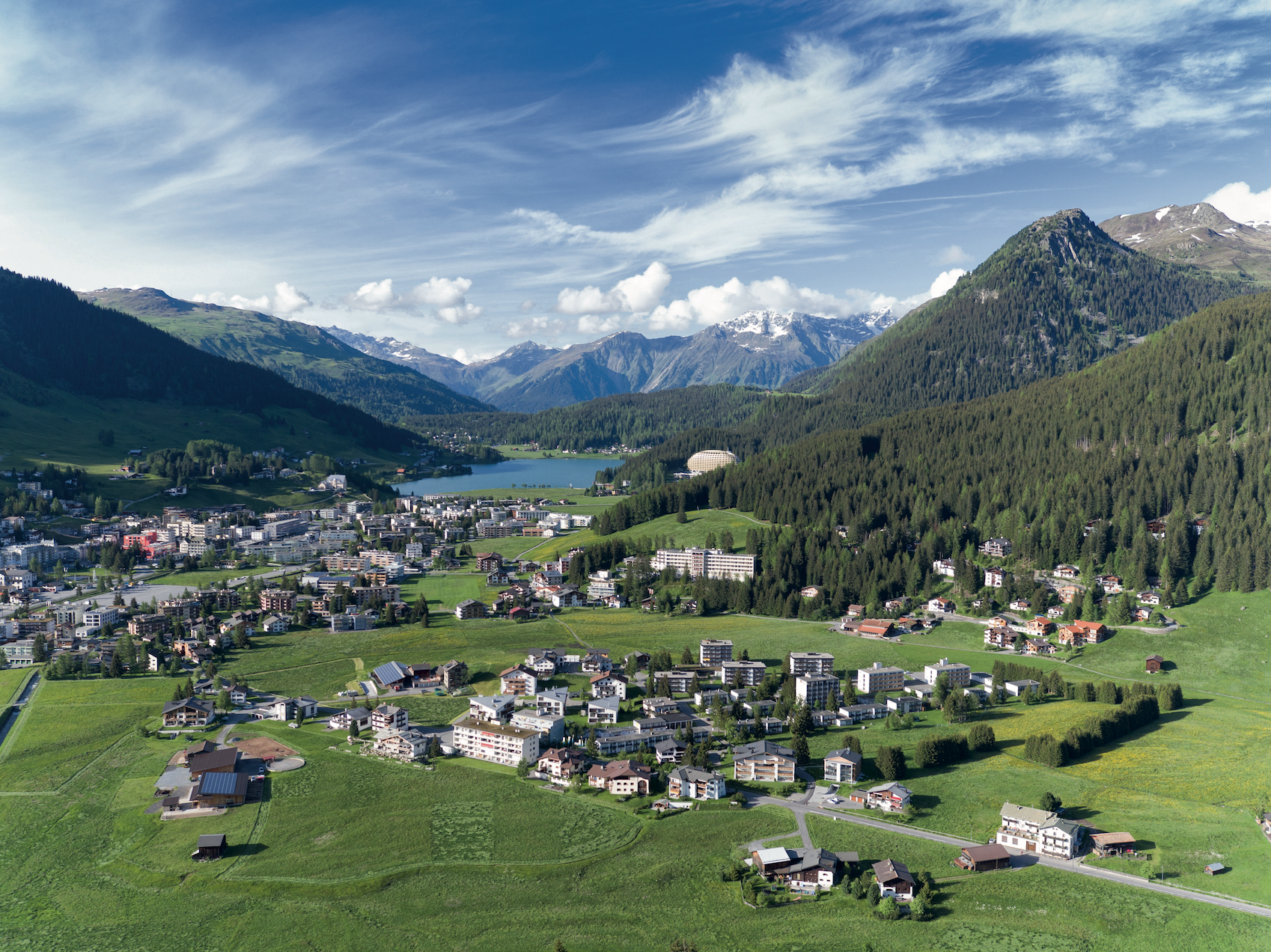
    The world’s attention descends on the small Swiss touristic ski town of Davos in the Canton of Grisons as business leaders, politicians and investors arrive. They gear up to discuss stakeholder capitalism at the Forum’s 50th anniversary. Panelists will assess global economic issues and debate solutions to some of the world’s most pressing social challenges.…

  • Geneva: The Global Capital of Peace Fostering a thriving business metropolis

    Geneva: The Global Capital of Peace Fostering a thriving business metropolis

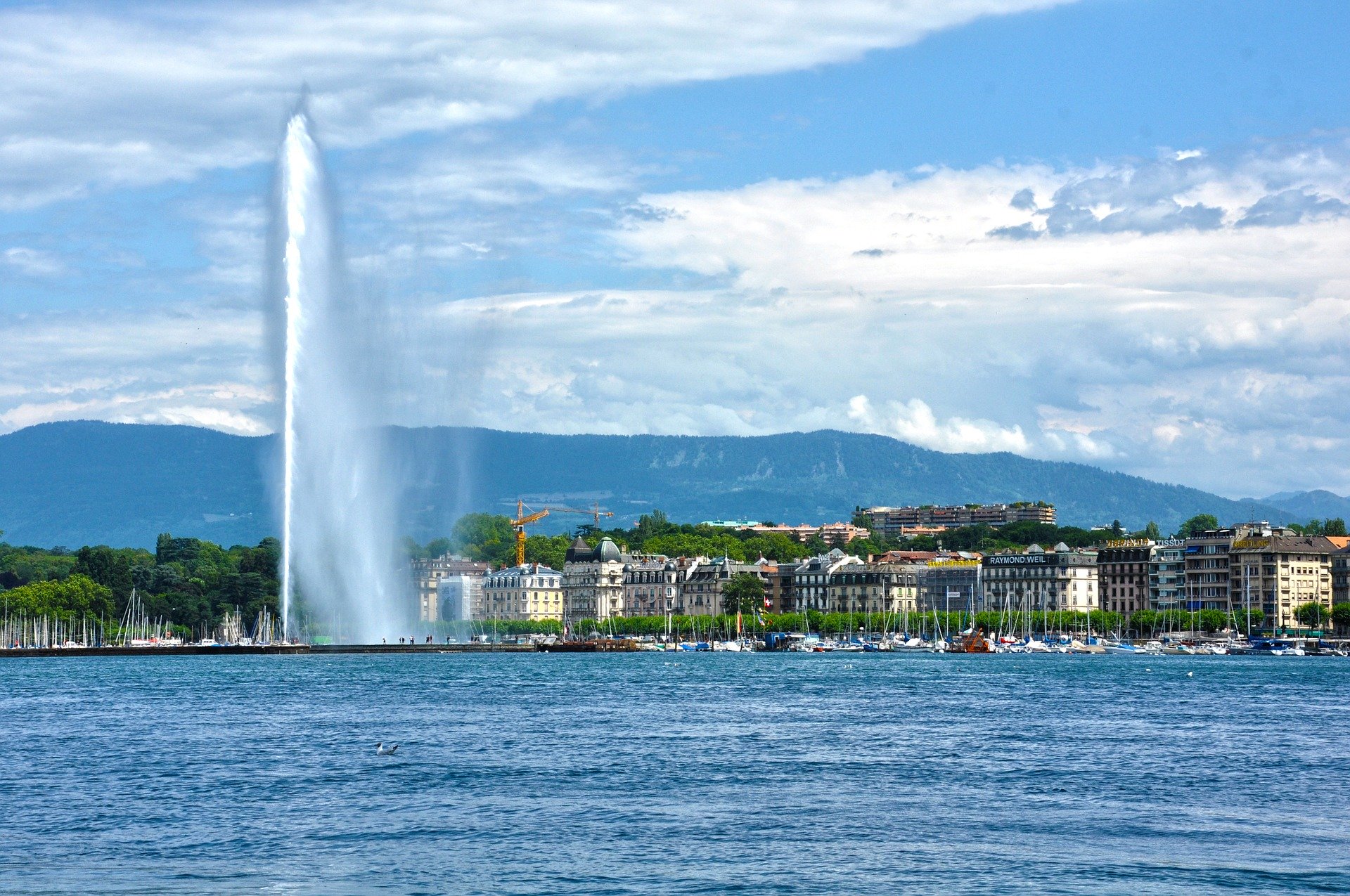
    For a city with a population under half a million, Geneva has more influence on the global stage than people would expect. Within the Greater Geneva Bern Area (GGBA), lies one of the world’s most iconic and globally-minded cities. Endearingly referred to as the “world’s smallest metropolis,” Geneva is the capital of peace, the cradle…

  • Swiss Climate Solutions

    Swiss Climate Solutions

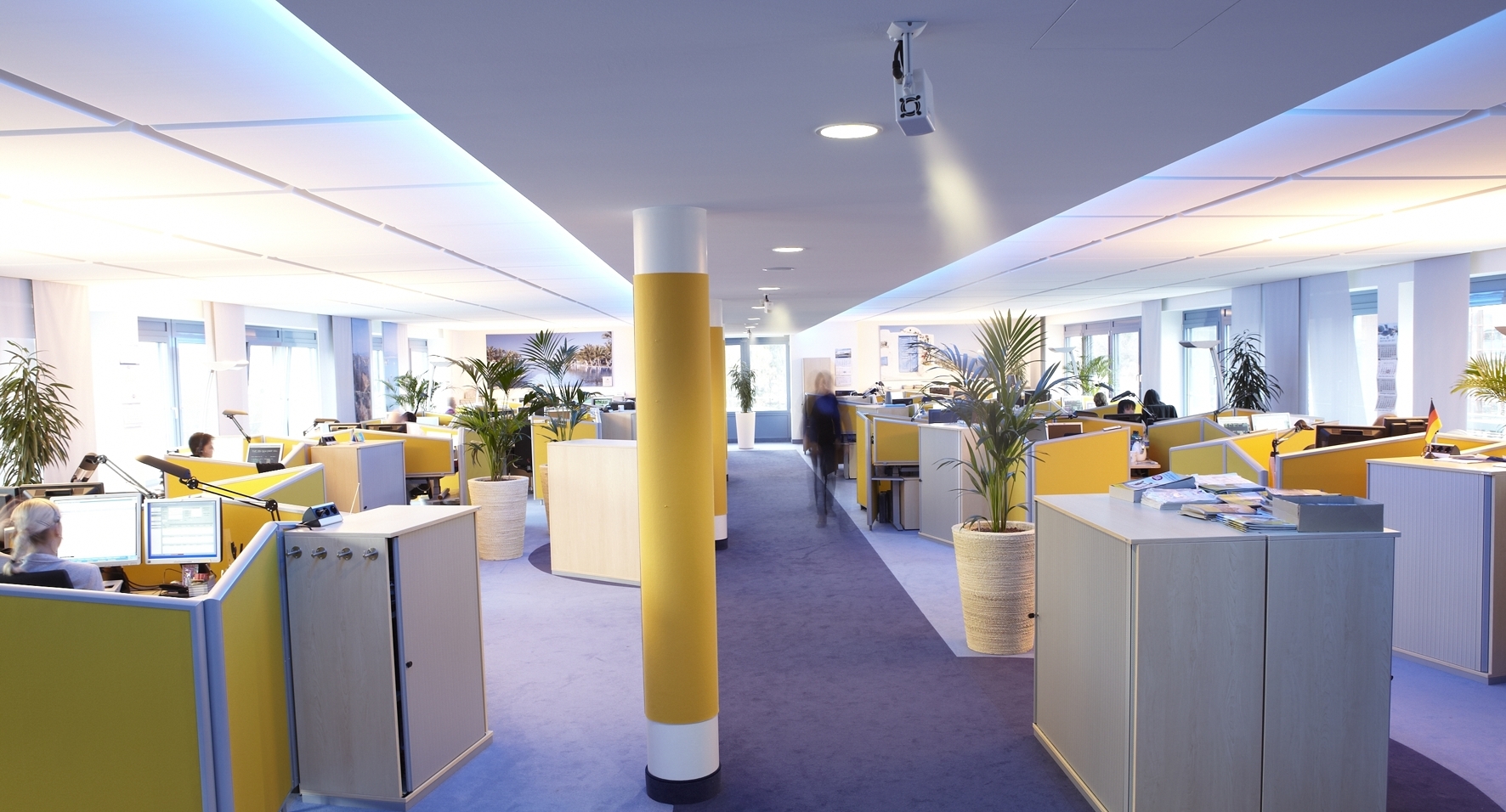
    The challenge of modern environments The modern workplace has changed dramatically over the years. Oliver Zimmerman, CEO of Condair, highlighted that, “We are spending nearly 90% of our time within hermetically sealed artificial interiors that often are comparable to desert climates.” Our comfort within these indoor environments and the productivity of office employees largely relies…

  • St.GallenBodenseeArea: One of Switzerland’s Most Attractive Regions

    St.GallenBodenseeArea: One of Switzerland’s Most Attractive Regions

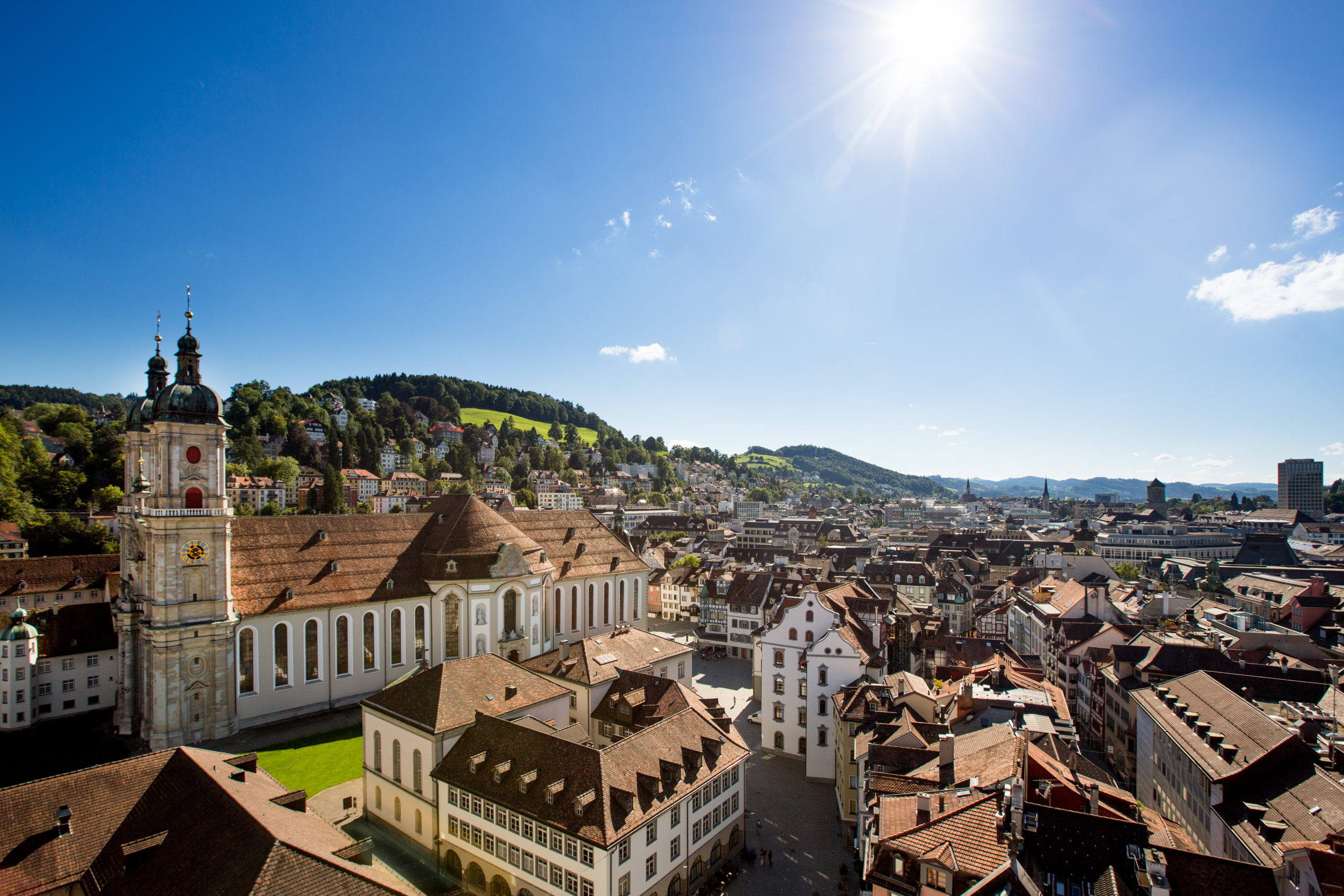
     Interview: Karin Jung, Head of the Department of Economics and Labor, Canton St.Gallen  In eastern Switzerland, lies the St.GallenBodenseeArea (SGBA), an initiative of the cantons of St.Gallen, Appenzell Innerrhoden, Appenzell Ausserrhoden, and Thurgau. SGBA is one of the largest and the most cost-efficient of the various economic areas of Switzerland, and rests between Munich and…

  • Canton Schwyz: The founding father of Swiss HealthTech

    Canton Schwyz: The founding father of Swiss HealthTech

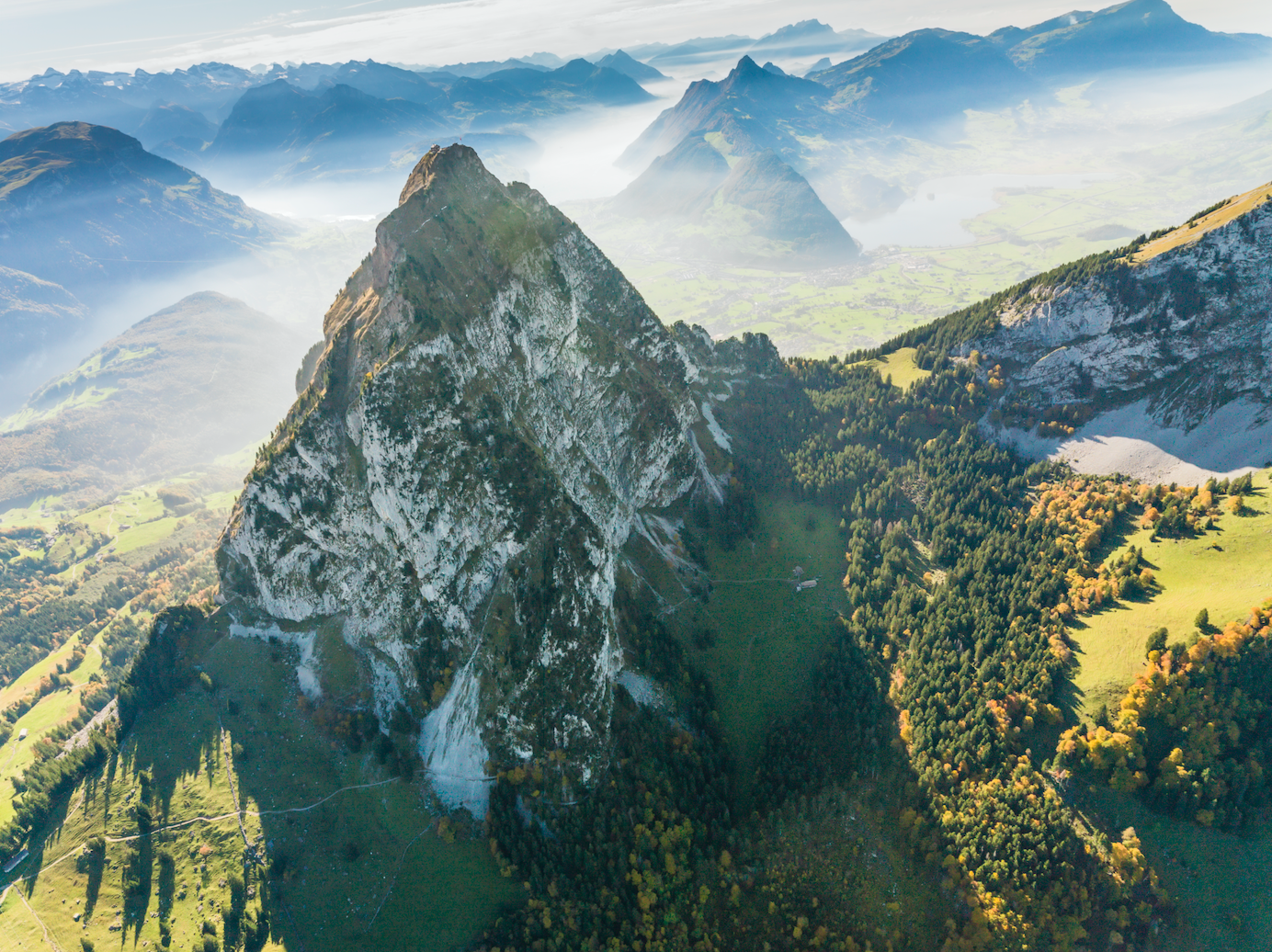
    The Canton of Schwyz is one of the founding cantons and gave the entire nation its name. It has proven itself an autonomous industrial location resilient to economic pressures, and an active innovation hub. GDP growth in Schwyz exceeds the Swiss average and productivity is astonishingly high. Interview: Andreas Barraud, Head of the Department for Economic…

  • Swiss Cheese Tackles Global Markets

    Swiss Cheese Tackles Global Markets

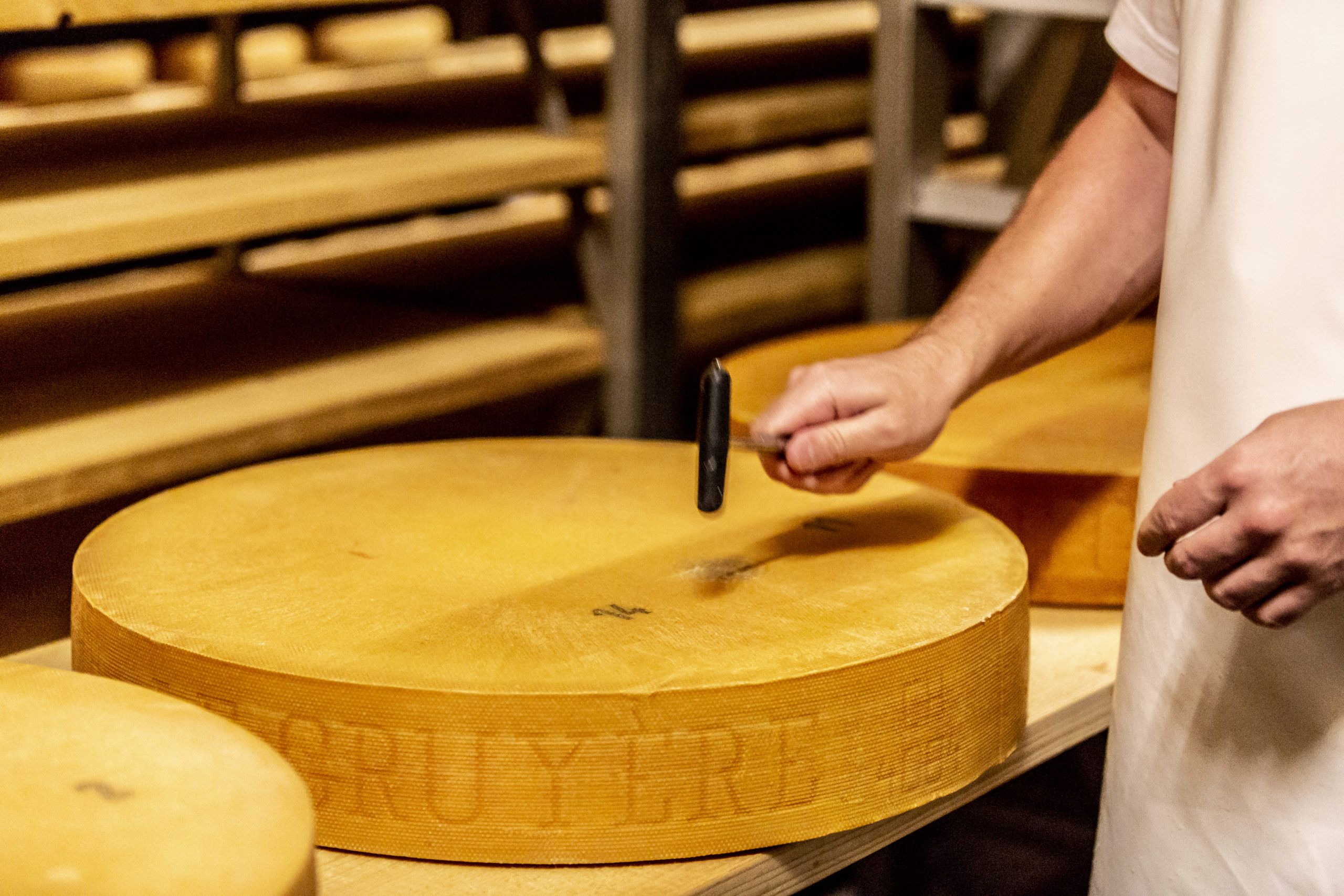
    As global food trends rapidly shift, American palates are changing. There has been an evolution from heavily processed cheeses towards traditionally produced artisan varieties, and specialty European cheeses are particularly gaining popularity in the USA. Cheesemongers know the Swiss have superior standards based on traditional methods. In general, agri-food production standards in the small alpine…

  • Switzerland’s Number One Holiday Destination

    Switzerland’s Number One Holiday Destination

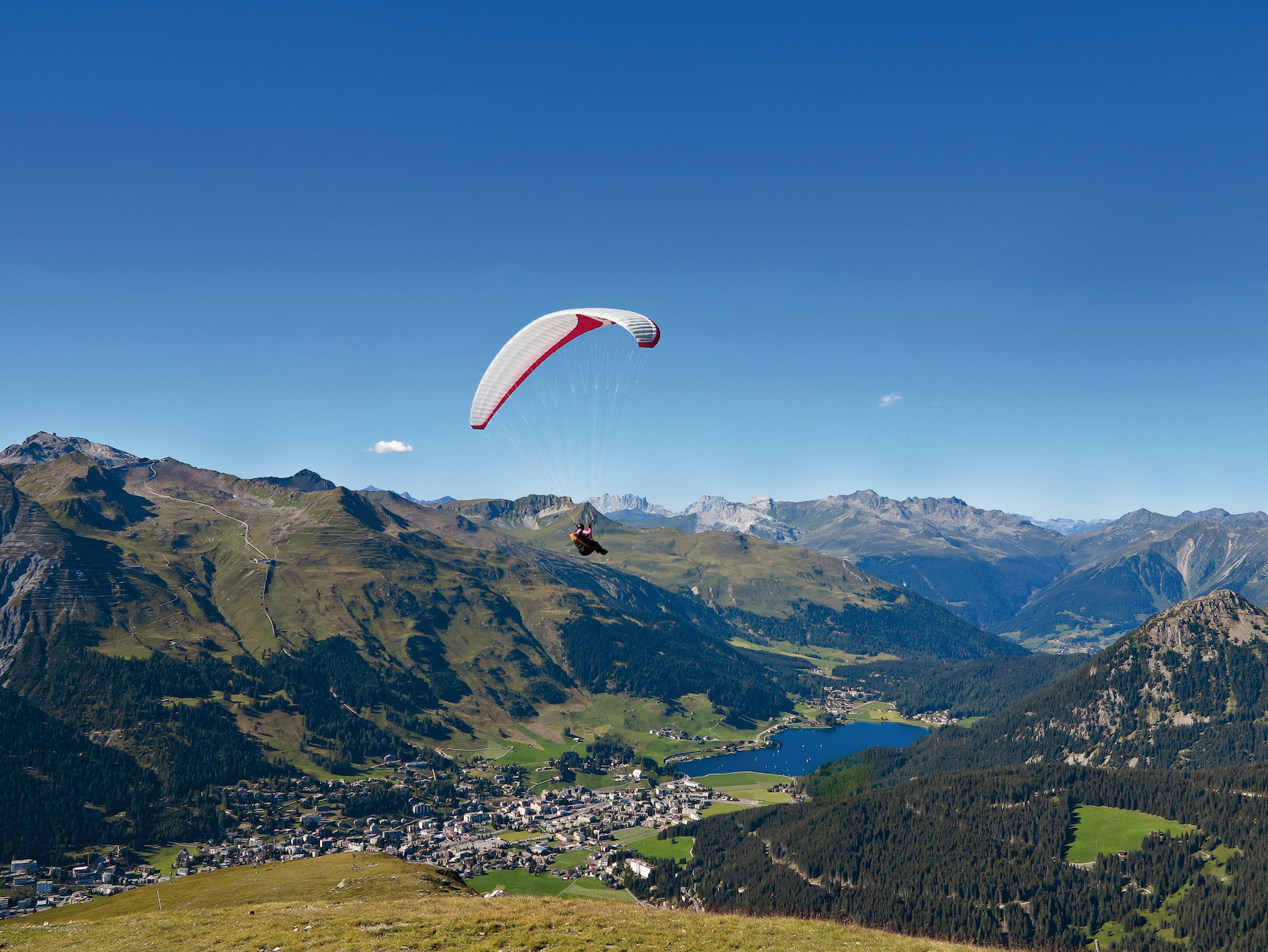
    The Canton is entirely mountainous and combines pristine wilderness and breathtaking scenery of snowcapped peaks with modern tourism infrastructure. It holds 1,000 peaks, 615 lakes, 150 valleys, and Switzerland’s only national park. Its Rhine Canyon Ruinaulta is fondly referred to as the “Swiss Grand Canyon”. This beautiful scenery was the inspiration behind Johanna Spyri’s worldwide…

  • Knowledge Generates Value

    Knowledge Generates Value

    Knowledge generates value, and it is the key to solving societal problems and overcoming global challenges. It is one of the most important resources in our society, and it will become even more important in the future. In everything that it does, the University of Bern feels its obligation to bring about benefits for science,…

  • Swiss Hospitality: Fueling the Future Needs of the Industry

    Swiss Hospitality: Fueling the Future Needs of the Industry

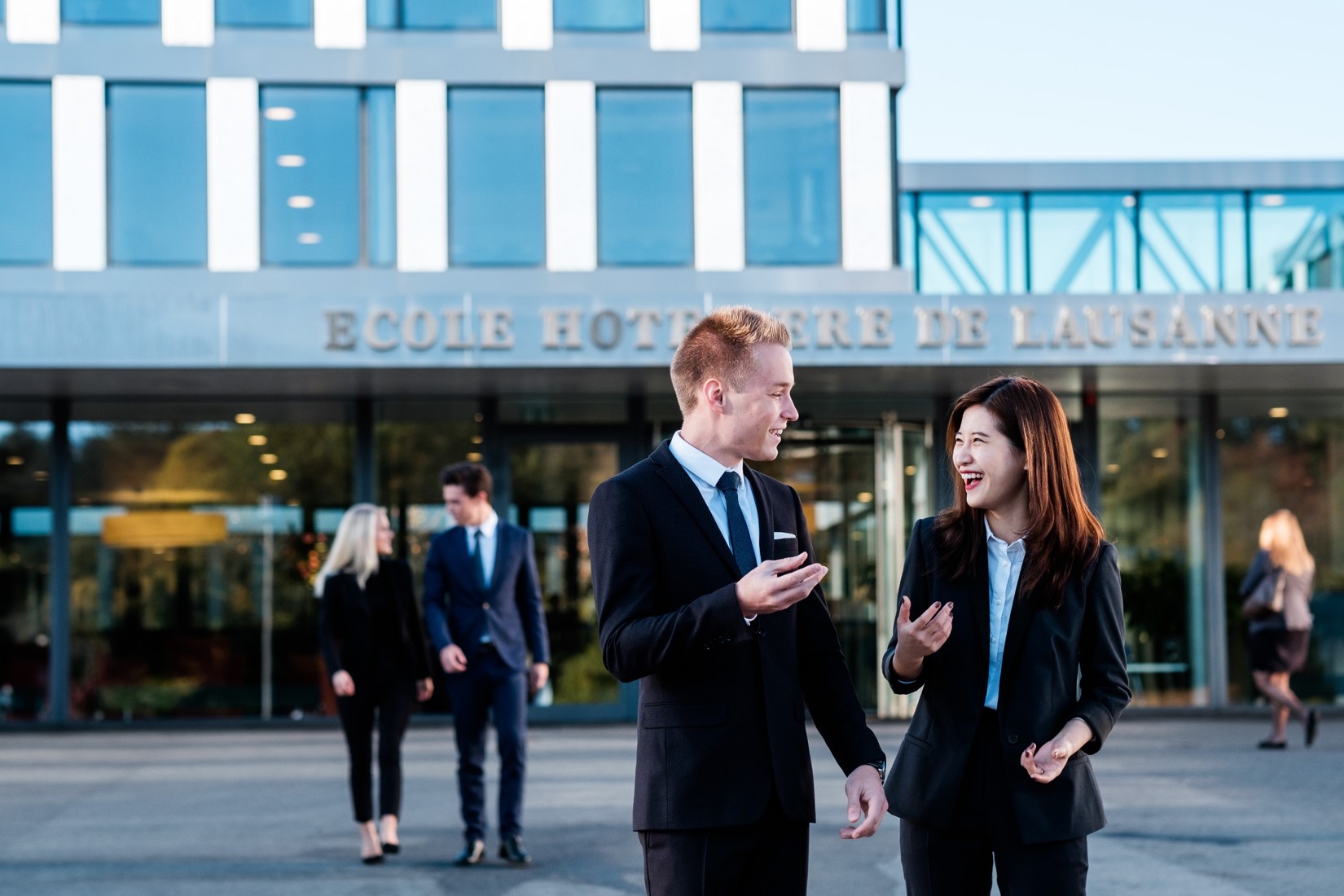
    The rise in global consumer purchasing power, coupled with developments in digital innovation, has surged an unprecedented growth in the tourism and hospitality sectors in recent years. However with this expansion, comes new challenges, and one of today’s most pressing challenges to the industry is finding and employing qualified individuals to lead companies, and the…

  • EHL Group: The Global Hospitality Powerhouse

    EHL Group: The Global Hospitality Powerhouse

    As it celebrates its 126th anniversary, the world’s top hospitality management education group enjoys a unique heritage that enriches its programs, its partnerships and energizes the future careers of its graduates. From its professional training school in the Swiss Alps, just a stone’s throw away from Davos, to its university programs in Lausanne (Switzerland), EHL…

  • Interview: Oliver Zimmermann, CEO, Condair

    Interview: Oliver Zimmermann, CEO, Condair

    Condair Group is the world’s leading manufacturer of industrial and commercial humidification and evaporative cooling solutions. Its administrative head office and main R&D center are located in the Swiss Canton of Schwyz. What is your outlook for humidity solutions in the USA? Condair offers a complete technology portfolio for all industries, and promotes the benefits…

  • Switzerland is a Global Innovation and Technology Leader

    Switzerland is a Global Innovation and Technology Leader

    Interview: Simone Wyss Fedele, CEO, Switzerland Global Enterprise (S-GE) An increasing number of American technology companies are setting up offices in Switzerland including well-known giants such as Google, Microsoft, eBay and Biogen. Simone Wyss Fedele, CEO of Switzerland’s official trade and investment promotion organization, explains why.   What are the strengths of Switzerland as business…

  • A Coffee Giant Without Growing a Single Bean

    A Coffee Giant Without Growing a Single Bean

    Switzerland exported nearly $2.4 billion worth of coffee in 2018 Although no coffee trees are growing within Switzerland, the nation is one of the most significant trading places for green coffee and one of the world’s largest coffee processors. Switzerland is also one of the world’s largest green coffee importers and processors through high-tech manufacturing…

  • Industry: The Backbone of the Swiss Economy

    Industry: The Backbone of the Swiss Economy

    Switzerland is one of the biggest industrial exporters per capita For a small independent country with a population of 8.5 million, Switzerland has become a surprisingly strong industrial powerhouse with an ecosystem that is incredibly competitive. Swiss industry has represented 18% of GDP for many years, and is an important central component of the economy.…

  • Canton of Grisons: Work where you love to live

    Canton of Grisons: Work where you love to live

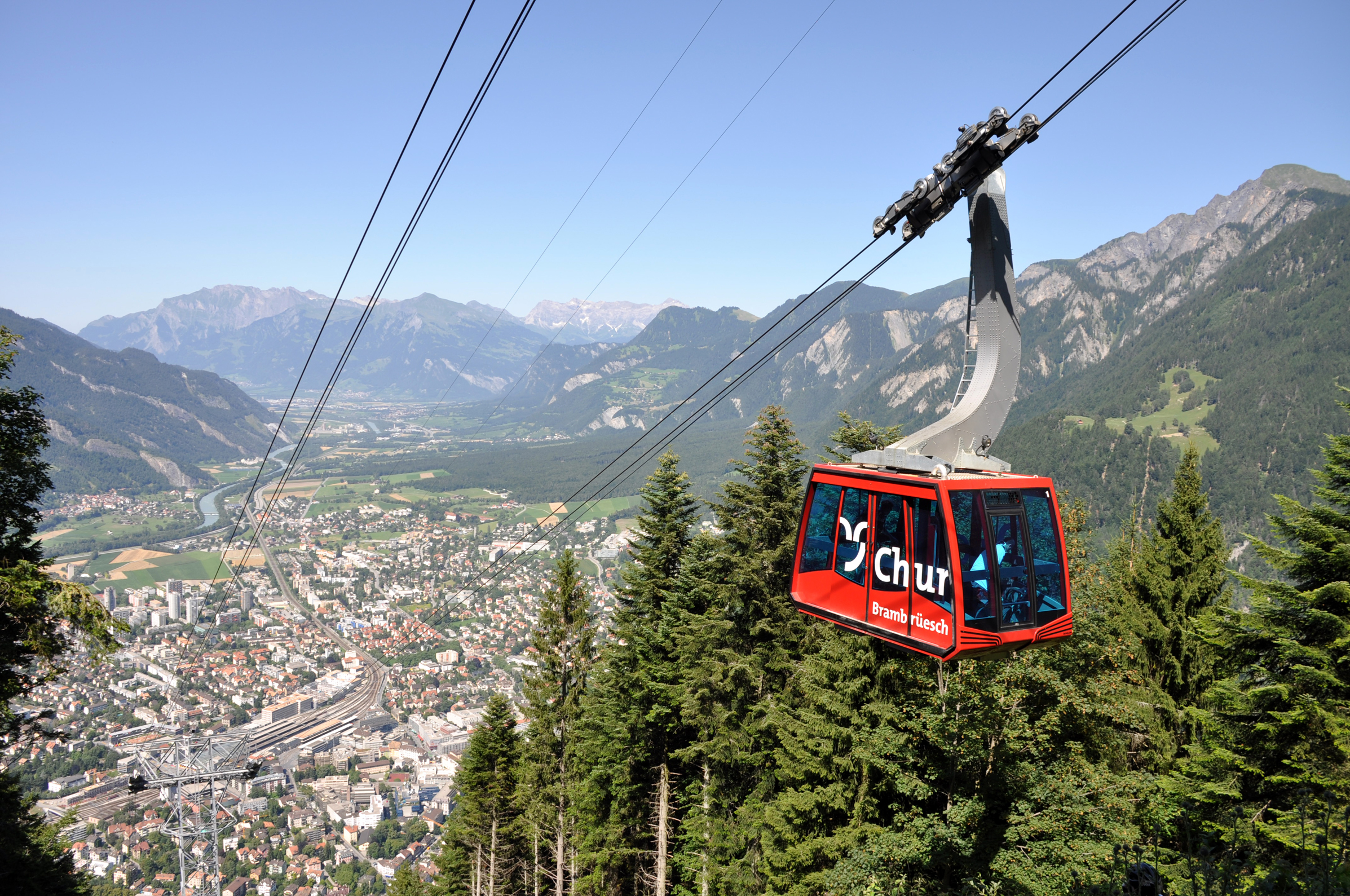
    Switzerland’s largest Canton offers much more than pristine nature, culturally enriching environments, and thrilling recreational opportunities for tourists. Suitable industrial land is increasingly scarce in Switzerland. With more than 3.2 million square feet of premium industrial zones priced nearly 25% lower than at alternative Swiss metropolitan areas, the Canton of Grisons provides one of the…

  • Boosting the Attractiveness of Grisons as a Base for Global Operations

    Boosting the Attractiveness of Grisons as a Base for Global Operations

    Interview: Marcus Caduff, Head of the Department for Economic and Social Affairs, Canton of Grisons  How do you assess the competitiveness Grisons as a base for global operations? We host the annual meeting of the WEF in Davos, and are famous for tourism in several hotspots such as St. Moritz, Laax oder Arosa-Lenzerheide. In business,…

  • Luxury Aviation

    Luxury Aviation

    Privately owned and chartered aircraft arrive to Davos symbolizing a thriving sector With Richard Gaona at the helm, Comlux has transformed as a Swiss-based service provider in the fields of business aviation, transaction and completion services, into a diversified global operation continuing to rapidly expand. Gaona is committed to continuously setting new standards in the…

  • Switzerland Innovation, Connecting Great Minds

    Switzerland Innovation, Connecting Great Minds

    From proton therapy for deep-seated tumor irradiation, to minimally invasive robot-assisted computer-guided laser osteotome, and innovative cancer immunotherapy research, Switzerland Innovation is facilitating world-class collaborations for companies, startups and universities to come together under one roof and find innovative solutions to some of the world’s greatest challenges. Switzerland Innovation is the epicenter of merging talent,…