The 900-year-old city of Stirling has a starring role in the film industry, as a location for blockbuster shows including Outlander, Game of Thrones, and Netflix’s Outlaw King and Frankenstein – and now a new high-end TV and film studio is in development.
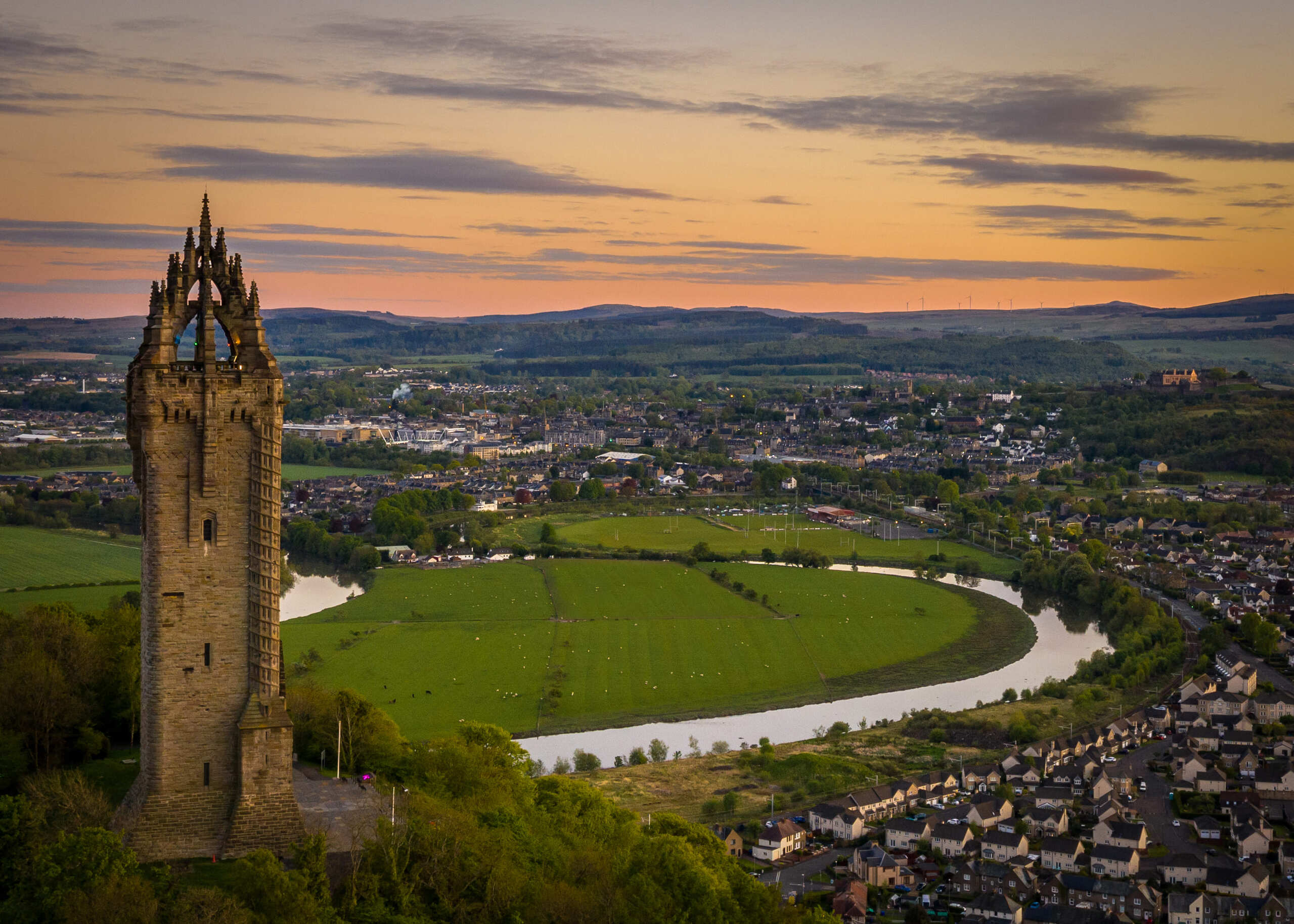
The compact city and its surroundings contain some of Scotland’s most iconic landmarks and landscapes, from Stirling Castle and the Wallace Monument to Doune Castle and Loch Lomond, with Lonely Planet rating it Scotland’s top destination. Yet, for all its beauty, Stirling comes with lower costs than other Scottish cities and is within an hour of Edinburgh, Glasgow, their airports, and the Highlands.
Stirling may have caught the eye of filmmakers, but its connection with creatives runs deeper; last year, it was the Scottish area with the highest proportion of its workforce employed in creative industries and top three for tech. Stirling is home to the UK’s largest tech incubator CodeBase and multi-award-winning Wild Child Animation.
With EY forecasting Stirling to have Scotland’s fastest-growing economy, Stirling is putting film at the forefront. In March 2024, a 34-acre former military site beside the city center was transferred to Stirling Council, which secured £16 million from the UK government to prime it for development. Now earmarked to include one of Scotland’s largest film studio campuses, an operator will be appointed imminently. Screen Scotland has said the studio’s proximity to crew and locations will be “second to none.”
Stirling is already a destination of choice for film and media students, with the University of Stirling preparing the next generation of creatives. More than 140 nationalities are represented on its world-class campus, which boasts a multi-arts center showing the latest blockbusters, arthouse films, and documentaries.

Its film and media courses are ranked among the best in the UK, offering industry access through sector-leading partnerships, including with the BBC. Students benefit from mentors whose experience and industry networks open doors to placements and career opportunities.
Courses offer practical training across a range of constantly evolving specializations, including audio and video production, program development, digital media, editing, and scriptwriting. Its research is equally dynamic, spanning television, digital media, social media, music, gaming, and creative industries.
Outlander star Sam Heughan, who was awarded an honorary degree by the University of Stirling, said, “I have always had a strong bond with Stirling and the surrounding area. It has a breathtaking landscape and is an inspiring city.”
To find out more, visit: stir.ac.uk and investinstirling.com
Insights from Stirling Council CEO, Brian Roberts
How would you define Stirling’s competitiveness?

Stirling is both the name of our compact city and our vast council area, covering 800 square miles in the heart of Scotland. Our city spurs collaboration and our location opens endless opportunities, with over half the population and international airports within an hour’s reach.
Stirling is recognized for its cultural heritage, sense of place and entrepreneurial spirit. You don’t need to take my word for it. EY forecast Stirling to have Scotland’s fastest-growing economy, and it’s been rated Scotland’s top destination, culture capital, and happiest place to live. Stirling is perfectly positioned to take full advantage of all Scotland has to offer.
Stirling is a hub for creative industries, innovation, and international investment. How is the area supporting growth and attracting foreign partners?
Increasingly we see investors looking beyond Scotland’s biggest cities. Their interest piqued by innovative, Stirling-based businesses that have successfully secured significant investments and are scaling. Our size, location and highly skilled workforce are real advantages; we can compete with much larger cities when it comes to innovation, collaboration, costs, and agility. Our council collaborates with national agencies, investors, and supply chains to ensure joined-up support so businesses can thrive.
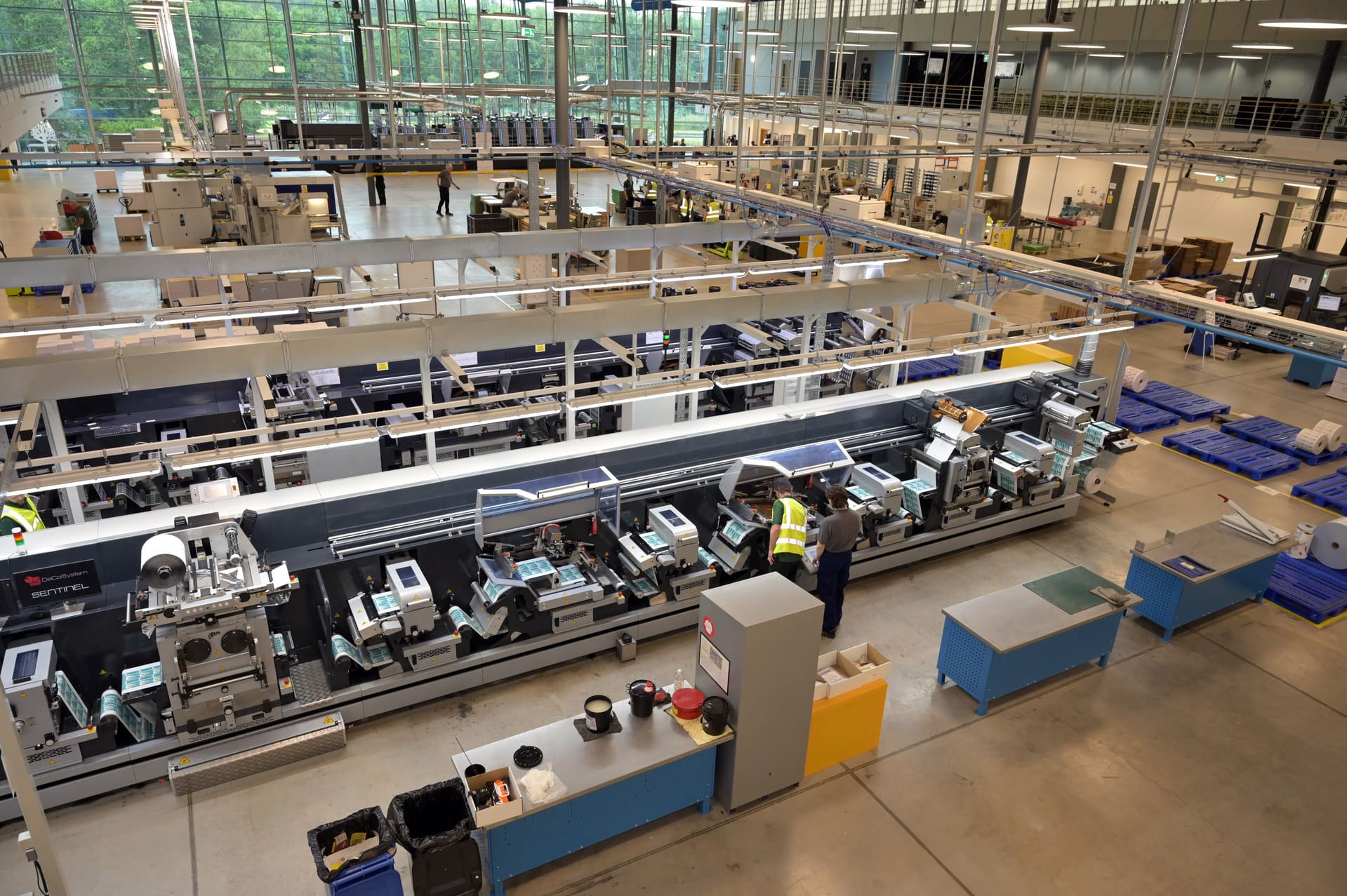
Stirling‘s growth sectors include creative industries, life sciences, medtech, and food and drink. These are all underpinned by cross-cutting strengths in manufacturing and tech. On tech, we secured the second site of the UK’s largest tech incubator, have award-winning digital infrastructure, one of the highest concentrations of tech employment, and our university is a leader in data and AI. Our city might be 900-years-old, but our people are future-focused.
In life sciences and medtech, homegrown businesses are leading their fields and exporting internationally. Symbiosis grew from Stirling University’s Innovation Park to become a world-class contract manufacturer, recently winning the King’s Award for International Trade, the UK’s most prestigious business accolade. Emblation is a leader in microwave tech for medical treatments, and iGii is a nano-material producer applying its innovative product to point-of-care diagnostics.
Stirling is home to well-known food and drink exports, with Campbells Shortbread and distilleries including Glengoyne and Deanston, but it’s also at the cutting-edge of emerging sub-sectors, with Scotland’s National Aquaculture Innovation Hub and businesses like Peacock Technology applying AI and robotics to revolutionize agritech.
Leveraging our strong links with American producers through on-location shoots and our creative studios, we are investing up to £19 million in infrastructure that will be home to a new film and TV studio, embedding an ecosystem where international partners benefit from UK film incentives and Stirling’s talent, supply chains, location, and costs.
Stirling Castle, the Wallace Monument, and other landmarks draw millions of visitors each year. How is the region renewing this legacy to appeal to modern travelers?
Stirling has some of Scotland’s top attractions, from Loch Lomond National Park to Stirling Castle, Scotland’s second most popular paid attraction. Last year, visitor numbers surpassed our pre-pandemic peak, generating over £700 million, with nearly two thirds attracted by history and culture and one third by the outdoors. We’re focusing on active tourism, festivals, and events. For example, we’re creating Scotland’s leading outdoor event space, Stirling City Park, next to Stirling Castle.