Switzerland Plays a Decisive Role in the Coffee Sector

Coffee Beans Switzerland

Ancient legends from the 6th-century may shed light on coffee’s origins. As folklore would have us believe, Ethiopian goat herder Kaldi first noticed the benefits of coffee beans after his herd consumed coffee berries and became exceptionally energetic. News quickly spread regarding the beans, and various concoctions began to spread across the globe. Techniques for its preparation have evolved since then, and in modern times the art of coffee making has fascinated connoisseurs for half a millennium. Coffee has become a central pillar of social gatherings, and humankind has found an ever-increasing number of ways to prepare the beans.

Over the years, convenient methods of preparation have increasingly prevailed. Techniques such as dehydrated instant coffee initially faltered in their early historical attempts. During the mid-1800s, an instant coffee paste attempt failed as its consumers abhorred the taste during the American Civil War. A decade later, Max Morgenthaler, a Swiss chemist working at Nestle in 1929, contributed to perfecting the dehydrated technique. Through his private research, he cracked the code to prepare a decent tasting cup of instant coffee. The result was the iconic soluble powder-coffee, Nescafé.

While techniques have continued to develop over the years, a simple truth prevailed; additional convenience is desired, but all coffee tastes better when fresh beans are ground right before brewing. This basic concept has become a cornerstone of modern habits and created a culture surrounding coffee-serving establishments.

Similar to Morgenthaler in the 1930s with his powdery discovery, the Swiss have continued to transform coffee habits. Switzerland plays a decisive role in the coffee sector. It has become an integral part of the whole value chain, as the largest green coffee bean trader, the largest global roaster, and a leading provider of coffee making machines, among other roles. Coffee making machines, in particular, represent the epitome of modern state-of-the-art quality coffee making techniques.

Contemporary machines merge convenience and long preferred fresh ingredients. Therefore, coffee shops, offices, convenience stores, and an expanding number of global chains are increasingly procuring premium coffee machines from renowned international suppliers based in Switzerland; particularly, those able to deliver a fresh bean-to-cup coffee as they reduce labor and decrease food waste.

A collection of Swiss mechanical, electrical and software engineers dedicate their lives to customizing systems that quench the drinking habits of an ever-growing cross-cultural global consumer base.

Dr. Joerg Schwartze, CEO, Schaerer

Jörg Schwartze, CEO of Schaerer, the leading Swiss specialist in fully automatic coffee machines, highlighted Swiss engineers’ excellence as one reason behind Switzerland’s continued success in becoming a distinguished global supplier of high-quality coffee machines. In particular, he emphasized clients can always turn to Switzerland if they face a challenge requiring an elaborate technical solution that should be executed in a quick, pragmatic, and customer-oriented manner. At Schaerer, Schwartze mentioned proudly working alongside clients by combining their local market know-how with Schaerer’s expertise in customizing machines that can meet emerging trends.

“In-house R&D as well as our own coffee competence center have been the core success behind Schaerer, and collaborations with clients help drive some of Schaerer’s innovations. We continuously reinvest in R&D, which allows us to set new benchmarks in the segment and develop forward-thinking solutions to drive drink quality to perfection, increase drink variety and to facilitate tasks for coffee machine users. We are very proud of working alongside our clients, and our self-service concept can adapt the coffee machine technology to fit their needs. Such market knowledge enables us to push new boundaries in our machines, and some cold beverage solutions stemmed from such cooperations. Our new Schaerer Coffee Soul machine also embodies these values and ensures our clients continuously get the outstanding high-quality coffee they expect from their individual machine,” stated Schwartze.

“We continuously reinvest in R&D, which allows us to set new benchmarks in the segment and develop forward-thinking solutions.”

Dr. Joerg Schwartze, CEO, Schaerer

Going further alongside current digitization trends and capitalizing on the Internet of Things movement, Schaerer launched an innovative digital platform solution that benefits professional coffee businesses. As a free-standing, self-service concept, the new Schaerer Premium Coffee Corner machines combine fresh beans, on-the-spot coffee bean grinding, and fresh milk. These machines are not a powder-filled machine that can sit idle for over a week. They require routine care and conditioning. Through a high degree of digitization, the latest machines communicate the required maintenance to ensure optimal operation. The machine itself coordinates after-sales services, including condition monitoring, cleaning, and preemptive alerts if a component needs replacing.

Schwartze highlighted, “Digital checks result in reduced downtime and fewer technician visits. In addition, these digital accessories bring a variety of customizable benefits for users, such as a mobile payment solutions, interactive screens, and other advantages.”

Schaerer, headquartered in Zuchwil, Switzerland, is the number one provider of fully automatic bean-to-cup coffee machines to the USA market, and according to Schwartze, continuously strives to provide next-generation machines. For its American clients, Schaerer adapted one of its fully automatic espresso machines to transform into a single-serve option for providing a freshly brewed American long black coffee.

Schwartze affirmed, “Schaerer is a driver behind next-generation coffee machines. Our company has been renovating its product portfolio with a focus on customization and customer-centricity. In addition, Schaerer’s long-lasting Swiss quality and innovative product lines can decrease waste by 15 percent, and are examples of how tech innovation is shaping coffee consumption. Schaefer’s upcoming lines will continue to solidify our position in the USA as the partner of choice for high-quality automatic coffee machines.”

Over a millennium after Kaldi’s discovery, in 2021, the current global pandemic highlights the risks behind social gatherings. The population is coming to terms with a new reality of social distancing and self-isolation. Coffee making techniques continue to evolve, and thanks to Swiss engineers’ ingenuity, another fact is emerging – coffee machines are increasingly able to merge convenience and taste. They offer a convenient cup of joe made with fresh ingredients and no human interaction. Baristas are aware technology relieves them from tedious, repetitive work so they can increasingly focus their value-added service to ensure quality coffee and concentrate on the consumer.
More Articles

  • Interview: Ayman Ismail, Co-Founder, Chairman, and CEO, Dar Al Mimar Group (DMG)

    Interview: Ayman Ismail, Co-Founder, Chairman, and CEO, Dar Al Mimar Group (DMG)

    Dar Al Mimar Group (DMG) is the largest vertically integrated holding covering real estate development in Egypt. The group focuses on world-class standards and operates in three sectors: engineering, real estate, and hospitality through its subsidiaries. Since 2005 Mountain View is among Egypt’s leading private property development companies. DMG has developed and now manages over…

  • Interview: Mohammed Saad Eldin, Chairman, Saad Eldin Group

    Interview: Mohammed Saad Eldin, Chairman, Saad Eldin Group

    Saad Eldin Group. The highly diversified vertically integrated Oil & Gas holding was founded in 1985 and is focused on servicing LPG, LNG, CNG and other industrial gases. Saad Eldin Group subsidiaries and factories are dedicated to manufacturing, filling and delivering of gas cylinders throughout Egypt. Its facilities include gas processing plants, LPG container manufacturing…

  • Interview: Albert Gress, Country Manager Egypt, SDX Energy

    Interview: Albert Gress, Country Manager Egypt, SDX Energy

    SDX Energy is a North Africa focused international E&P business with high margin producing assets and a transformational exploration upside. It engages in the exploration, development, and production of oil and gas primarily in the Arab Republic of Egypt and the Kingdom of Morocco. Net production: 3,237 boe/d, 2P reserves: 13.5 mmboe. The company is cash flow…

  • Interview: David Chi, Vice President and General Manager, Apache Egypt

    Interview: David Chi, Vice President and General Manager, Apache Egypt

    Apache has 22 years of exploration, development and operations experience in Egypt and is one of the largest acreage holders in Egypt’s Western Desert. Apache has invested more than $1 billion in the Egyptian oil and gas sector during 2018. It remains the largest oil producer in Egypt, one of the largest foreign investors in the country, and in particular the largest American investor in Egypt. Are you optimistic about…

  • Interview: Tarek El Molla, Minister of Petroleum of Egypt

    Interview: Tarek El Molla, Minister of Petroleum of Egypt

    How will natural gas exports contribute to Egypt’s economic acceleration? The current strategy of the Ministry aims at fulfilling the requirements of the local market and completion of the gas development projects. However, to achieve such a vital goal we worked towards increasing production by speeding up the development of the Mediterranean discoveries. Thus, due…

  • Interview: Maged Ezz Eldeen, Country Senior Partner, PwC Egypt

    Interview: Maged Ezz Eldeen, Country Senior Partner, PwC Egypt

    How have Egypt’s economic reforms affected the competitiveness of the economy? Egypt’s unprecedented macroeconomic and business legislation reform measures are bearing positively on the country’s competitive standing. For the first time in eight years, Egypt’s ranking on the global competitiveness report witnessed a significant jump of 15 places in 2017. Underpinning this was a remarkable…

  • Interview: Mr. Mohamed Hamza Talaat, Managing Partner, Baker & McKenzie Egypt – Helmy Hamza & Partners

    Interview: Mr. Mohamed Hamza Talaat, Managing Partner, Baker & McKenzie Egypt – Helmy Hamza & Partners

    A market leader in mergers and acquisitions, project finance and capital markets. Named IFLR Egypt’s “Law Firm of the Year” six times, with its Cairo office, ranked Tier 1 by IFLR1000, Legal500 and Chambers & Partners for Banking & Finance and M&A. With 40 years’ experience in the local market, they are the go-to firm…

  • Interview: Hala Helmy El-Saeed, Minister of Planning and Administrative Reform of Egypt

    Interview: Hala Helmy El-Saeed, Minister of Planning and Administrative Reform of Egypt

    The Ministry of Planning, Monitoring and Administrative Reform’s vision is to ensure efficient planning and management of the state’s public investments. It seeks sustainable economic development by ensuring the state’s administrative body becomes increasingly more effective, efficient, and capable of managing state resources to provide quality services to citizens. How do you assess Vision 2030’s…

  • Interview: Mohamed Farid, Chief executive officer, The Egyptian Exchange (EGX)

    Interview: Mohamed Farid, Chief executive officer, The Egyptian Exchange (EGX)

    Egypt’s stock exchange, the Egyptian Exchange (EGX), comprises two exchanges, Cairo and Alexandria. How do you assess the EGX performance? In 2017 the EGX had five initial public offerings (IPO) amounting to 4 billion with 46% being demanded by foreign investors. In 2018 we saw three IPO’s. In 2019 we will see several primary offerings from the public sector include: Banque du…

  • The Ministry of Health is implementing an ambitious plan to develop and modernize public hospitals and treatment centers throughout Egypt

    The Ministry of Health is implementing an ambitious plan to develop and modernize public hospitals and treatment centers throughout Egypt

    According to the United Nations, Egypt’s population surpassed 100 million in 2018. This has caused health infrastructure to suffer under the pressure of the growing population.  In 2014 Egypt had 1.5 beds per 1 000 of the population, this decreased to 1.46 in 2015 and 1.36 in 2016. Egypt’s infrastructure and services require exponential growth…

  • Fastest growing tourist destination globally

    Fastest growing tourist destination globally

    The government is actively pushing to reposition Egypt’s tourism and return it to its pre-revolution glory days. Egypt’s tourism sector has historically been a vital driver of the economy and a critical source of foreign currency. Its historical heritage has and will continue to attract global wonder which in itself has caused underinvestment in crucial…

  • Egypt’s education system is by far the largest in the region

    Egypt’s education system is by far the largest in the region

    Private non-profit education institutions are increasingly taking the lead and spearheading quality education in Egypt. Since 2014, Egypt’s focus on improving the private and public education sector has increased significantly. Vision 2030 has called for an overhaul of the current educational system and looks ambitious and promising. Serious efforts to modernize the education sector from…

  • Egypt is considered one of the fastest-growing offshore destinations in the world and its BPO and IT industries are gaining global market share

    Egypt is considered one of the fastest-growing offshore destinations in the world and its BPO and IT industries are gaining global market share

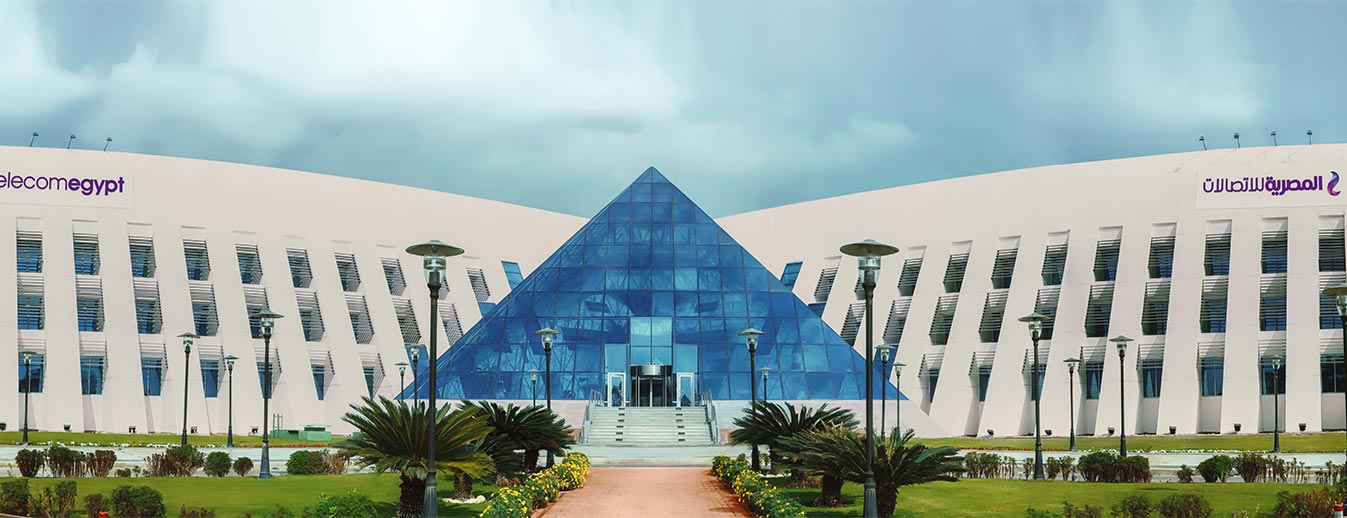
    Egypt’s ICT sector is one of the fastest economic contributors to GDP. The overall revenues for the sector in 2018 surpassed EUR 4 000 million and are expected to reach EUR 5 100 million by 2020. The growth rate reached 14.1% in 2017/2018, against 12.5% in 2016/2017 The government has invested heavily in telecom infrastructure.…

  • Eight percent of global shipping transits Egypt’s Suez Canal

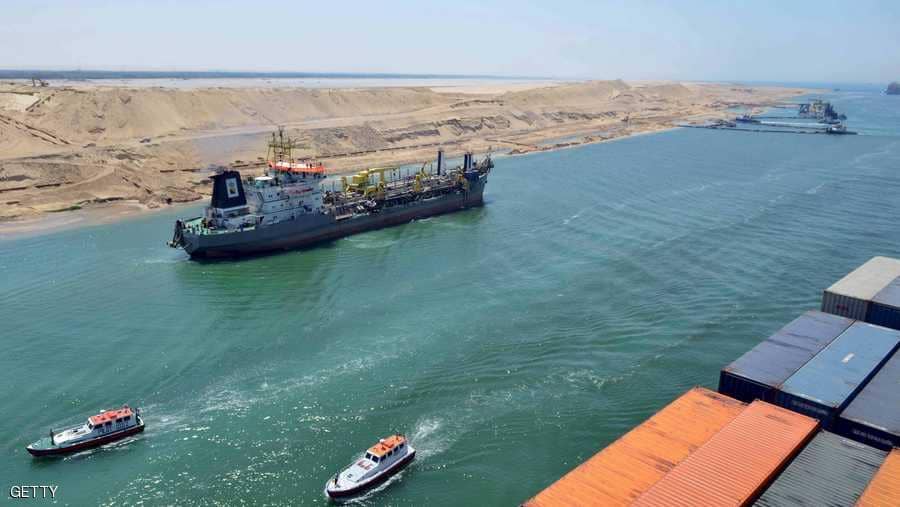
    Eight percent of global shipping transits Egypt’s Suez Canal

    The Egyptian government is implementing an ambitious strategy to improve and develop the transport sector to enhance the state resources and benefit on Egypt’s strategic location. Egypt has 108 000 kilometers of roads and 9 750 kilometers of railways, along with 20 airports, 15 harbors and a series of land ports. Transport and logistics represented…

  • New sector specific mega industrial zones in Egypt seek to improve valued added export capabilities

    New sector specific mega industrial zones in Egypt seek to improve valued added export capabilities

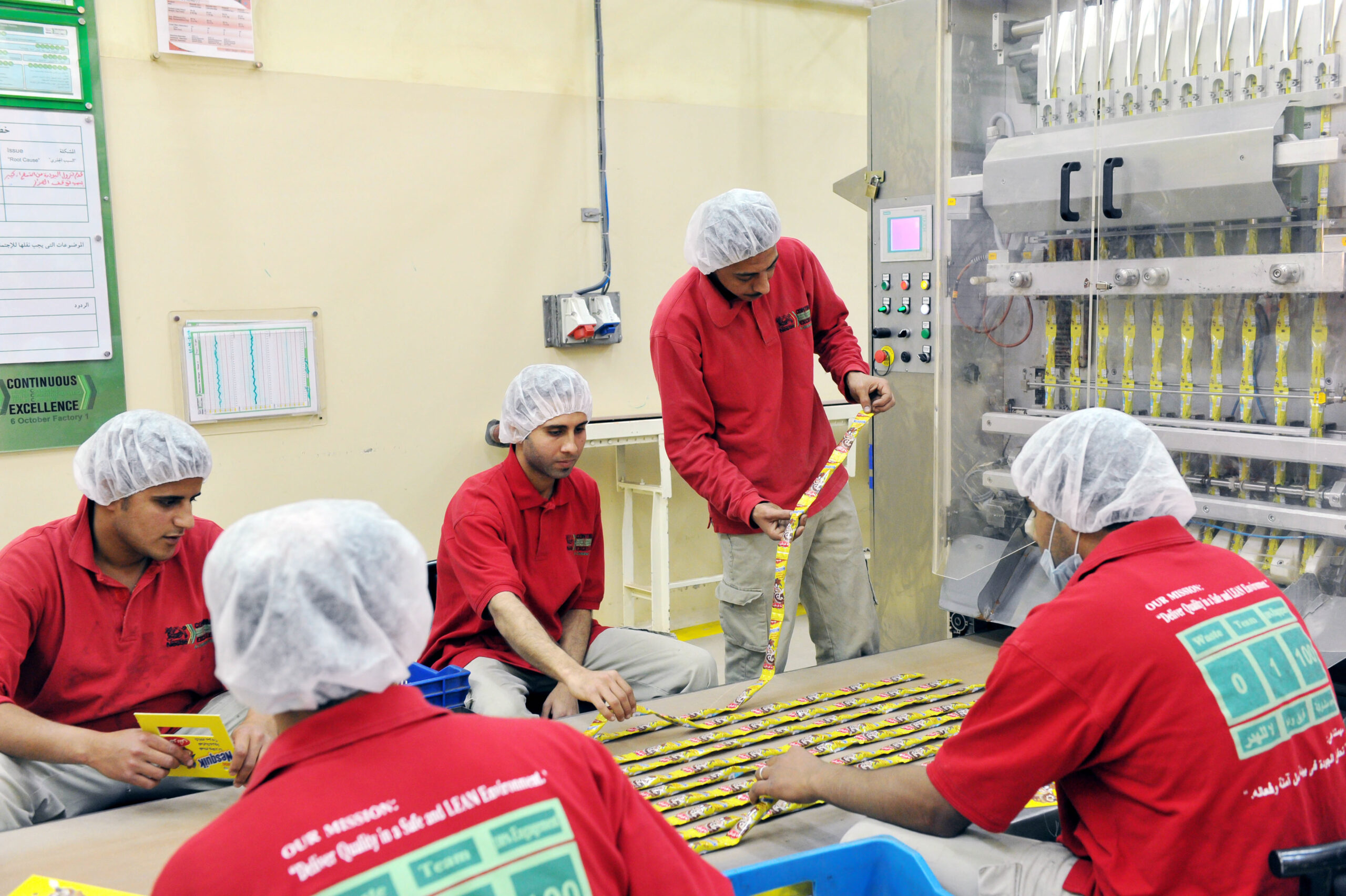
    Egypt streamlined its industrial licensing processes to boost investment. They slash bureaucracy and decrease the waiting time for new projects. The industry sector is the second biggest economic sectors in the country representing more than a third of the GDP and more than 13% of the total labor force. In 2014, Egypt started a series…

  • New Administrative Capital in Cairo

    New Administrative Capital in Cairo

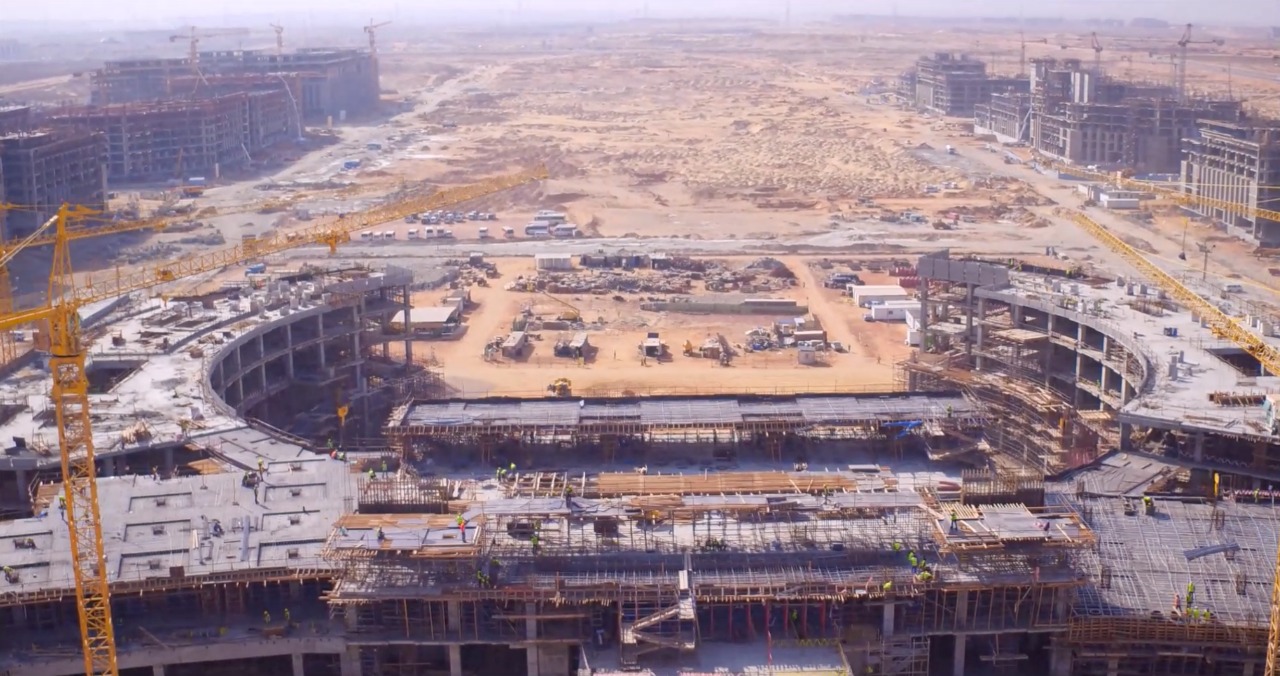
    Since the day the Pharaohs commissioned the Great Pyramids of Giza, Egypt has been home to vast mega-projects. Today is no exception, with the Suez Canal to the ongoing New Administrative Capital, presented as the biggest planned city of all time, Egypt has been living up to its Ancient ancestors. In March 2015, Egyptian Minister…

  • A growing population in Egypt demands quality housing

    A growing population in Egypt demands quality housing

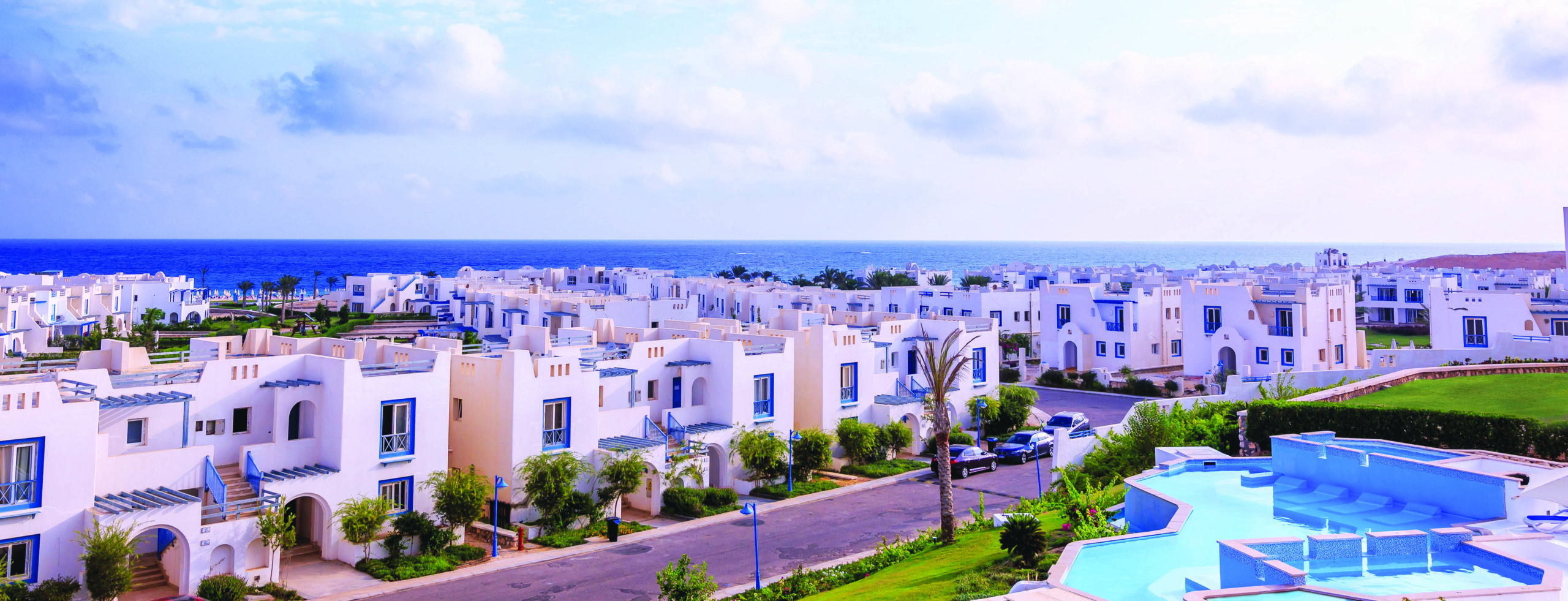
    One of the best solutions for Egypt’s constant overpopulation of cities has been urban expansion. It is part of an ambitious government plan to build new cities on the outskirts of every major governorate in Egypt. The Egyptian real estate sector has historically proven resilient to economic and political tensions over the past decade and…

  • Becoming an Energy Hub: From blackouts to exports, the Egyptian energy sector has made a complete 360 in the past five years

    Becoming an Energy Hub: From blackouts to exports, the Egyptian energy sector has made a complete 360 in the past five years

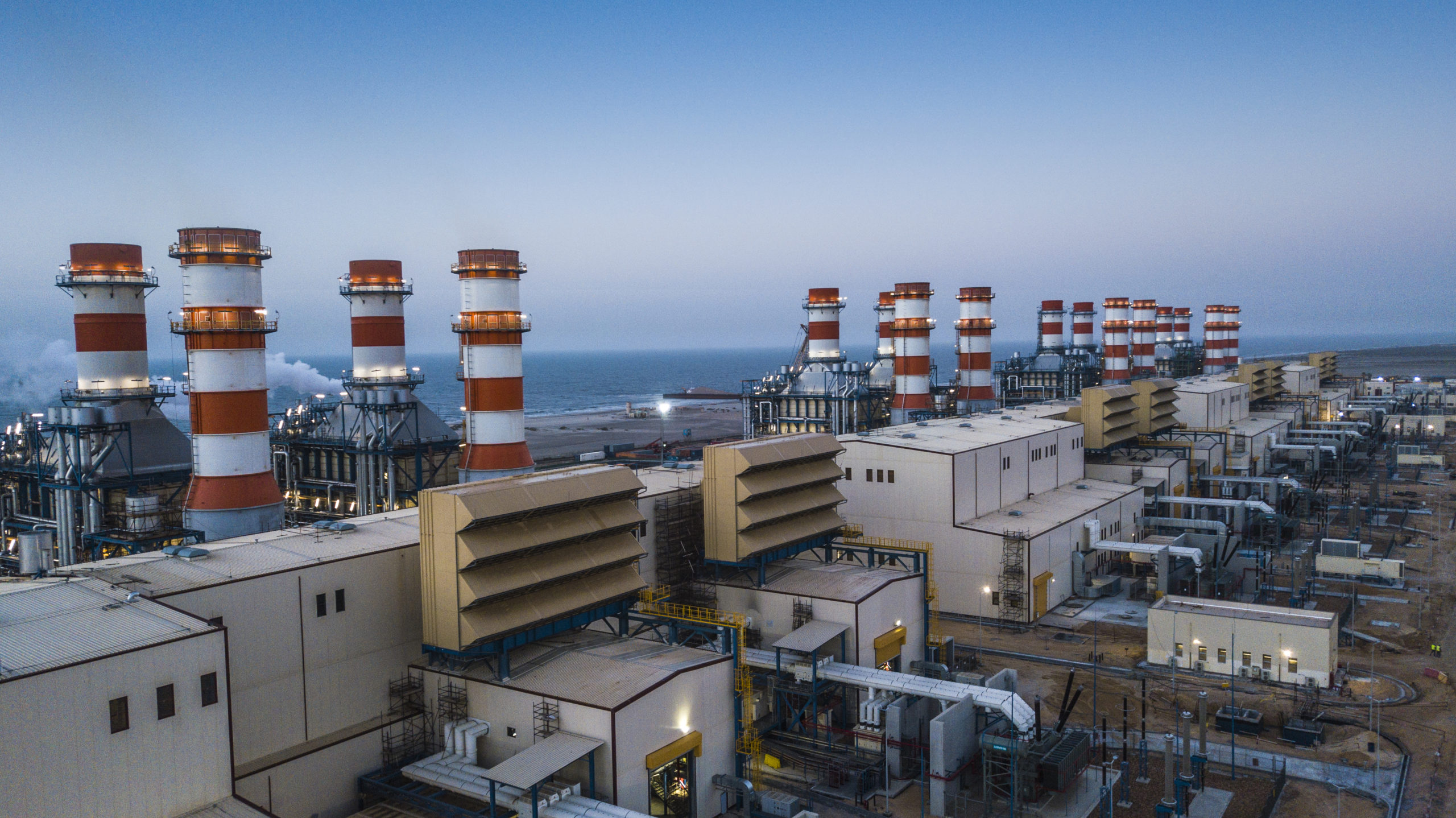
    Egypt’s oil and gas sector was on a downward spiral for years due to the impact of the Arab Spring, the unfolding of the Muslim Brotherhood, and the military coup. The country could not even keep its lights on five years ago. In 2013, due to a series of blackouts, factories were forced to shut…

  • Zohr: Massive new natural gas discoveries in the Mediterranean will meet and exceed Egypt’s national demand for years.

    Zohr: Massive new natural gas discoveries in the Mediterranean will meet and exceed Egypt’s national demand for years.

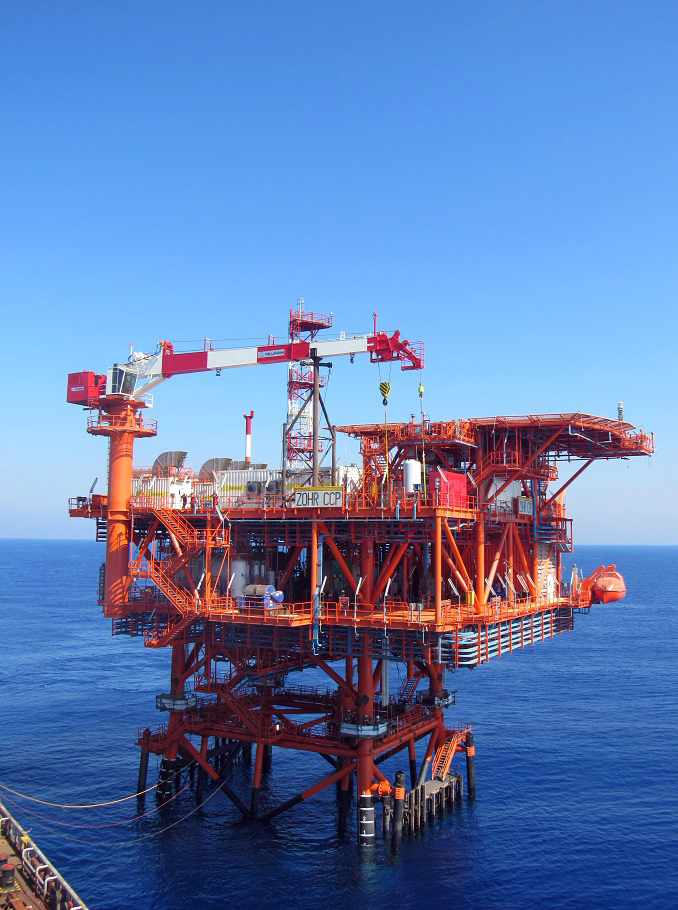
    Egypt is the third-largest dry natural gas producer on the continent and the largest non-OPEC oil producer in Africa. In addition, the Suez Canal and Suez-Mediterranean Pipeline (SUMED) are strategic high-security global transit routes for oil shipped from the GCC to Europe and the United States.  Egypt is the most populous country in North Africa,…

  • Egypt’s growing population is reinforcing economic growth while severely straining national resources

    Egypt’s growing population is reinforcing economic growth while severely straining national resources

    Egypt’s demographic boom has been a blessing to the economy. As the largest consumer market in the Middle East every sector of the economy can confidently expect sales to increase backed by national demographic trends. The needs of the growing population provide massive investment potential, and the private sector continues to find new opportunities to…

  • New Investment Law in Egypt

    New Investment Law in Egypt

    The landmark new investment law, ratified in 2017, changed the landscape of business in Egypt. The law has modernized and reduced barriers to how international companies invest and operate in Egypt, offering incentives, simplifying the processes, guaranteeing protection from decisions that are arbitrary or capricious, and providing new tools to ease establishing, starting and operating…

  • Egypt’s economic fundamentals are improving, and at 5.4% GDP growth it is the fastest growing country in the region

    Egypt’s economic fundamentals are improving, and at 5.4% GDP growth it is the fastest growing country in the region

    Egypt is the regions fifth-largest economy and increasingly on the global investment map. According to the International Monetary Fund Egypt was the third largest economy in Africa with a GDP of EUR 208 682 million in 2017 after Nigeria’s EUR 331 061 million and South Africa at EUR 304 642 million. Egypt’s economic fundamentals in…

  • Egypt’s evolving socio-economic dynamics evolve amongst social and religious frictions

    Egypt’s evolving socio-economic dynamics evolve amongst social and religious frictions

    Historically, the Arab Republic of Egypt has been fundamental to the development of the Middle East and North Africa. To this day, Egyptian political thought and cultural influence echoes throughout MENA. Egypt remains an influential actor in the region, pushing towards the path of further economic and political stability.   History: It is impossible to…

  • Sustainable Development Strategy: Egypt Vision 2030

    Sustainable Development Strategy: Egypt Vision 2030

    “The new Egypt will possess a competitive, balanced and diversified economy, dependent on innovation and knowledge, based on justice, social integrity and participation, characterized by a balanced and diversified ecological collaboration system, investing the ingenuity of place and humans to achieve sustainable development and to improve Egyptians’ life quality,” Egypt Vision 2030 Sustainable Development Strategy.…