Unveiling the Southern Gem: Business, Innovation, and Heritage in Ireland’s South


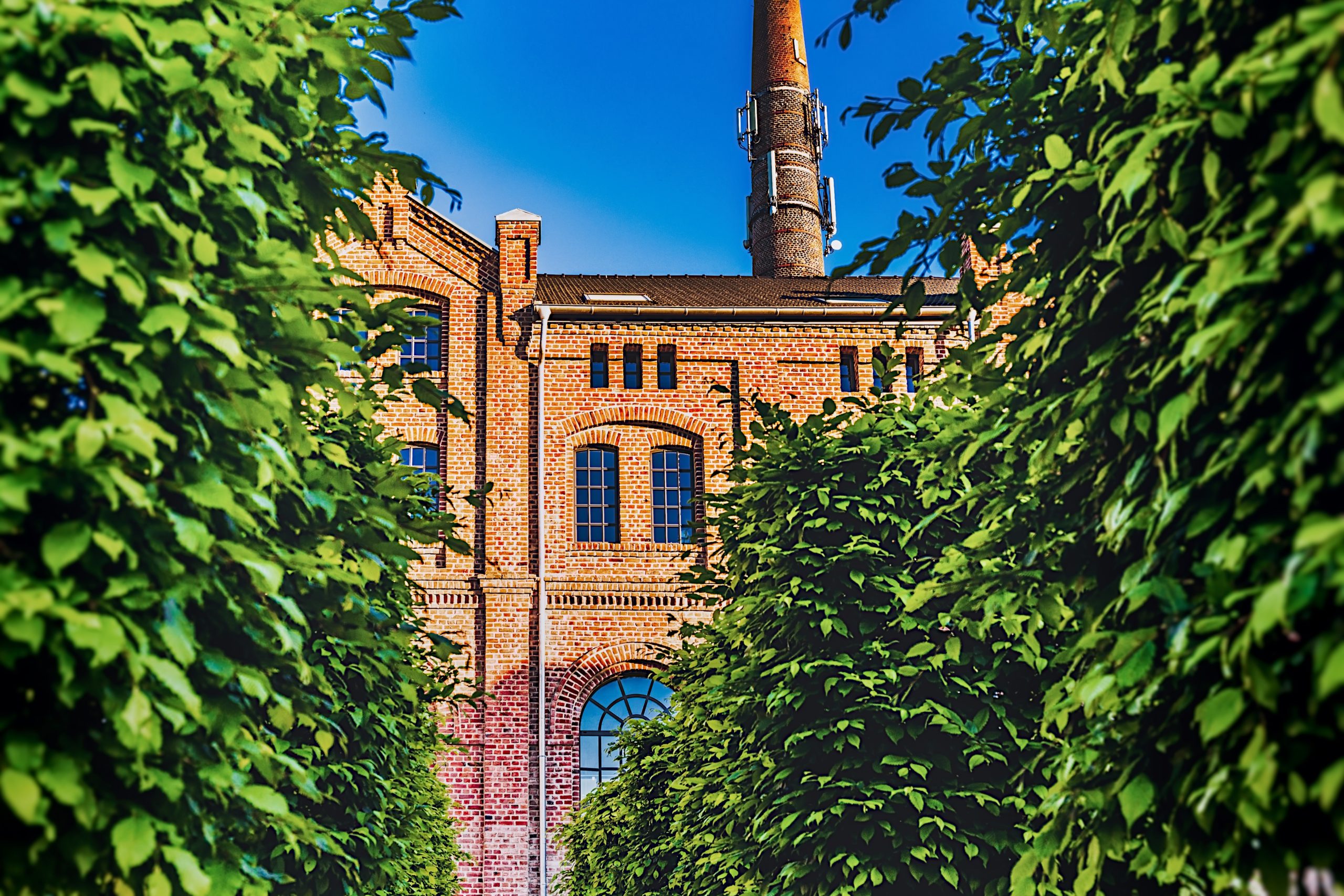
A view of the town Carlow in the south-east of Ireland. Carlow is striving to ensure that all community facilities and services are conveniently accessible within a 10-minute walk or cycle from residents’ homes, or via efficient public transport services that connect people to larger urban centers

The Southern Region of Ireland is on track to be one of Europe’s most creative, innovative, liveable, and greenest regions. It is a beautiful region endowed with great natural amenities including mountains, dramatic coastlines, and towns and villages full of character. The South of Ireland is renowned as a great place to live, work, do business, and unwind. Home to three of Ireland’s five cities – Cork, Limerick and Waterford, it is a dynamic place and is projected to grow by 25% by 2040. 

Through the innovative Regional Spatial and Economic Strategy developed by the Southern Regional Assembly, the region is on track to progress to a highly developed sustainable region with the best of urban and rural living within easy reach. The region’s three cities are the driving force in this ambition and are projected to grow by over 50% in the next twenty years with significant investment in supporting infrastructure – transportation, communications technology, social, and community infrastructure. 

With five universities, as well as further education institutes, it has a highly educated cosmopolitan workforce. Supported by good connectivity through four international airports (including direct flights to the USA through Shannon Airport), ports, and high-speed broadband, the region has attracted significant foreign direct investment (FDI) from companies including, Apple (employing nearly 7,000 people at their European Headquarters in Cork), Johnson & Johnson, Jaquar, and Logitech. Evidence suggests that this trend will continue due to strong performance of the Southern Region’s economy when compared to other Irish and EU regions. 

The Southern Region embraces its connection to Europe, and with support from the EU in the form of the European Regional Development Fund, it continues to invest in advancing research, smart specialization development, and innovation capacity. This strategy is strongly connected to the availability of human capital, and contributes to the transition to a low carbon economy and sustainable urban development.

As the region covers over 42% of Ireland and includes both urban and rural areas, there is extensive potential for clean renewable electricity both offshore and onshore. The Southern Region is on track to become a decarbonized, smart region by 2040 with the ambition to export significant surplus clean electricity to Europe. The Southern Region is also driving the concept of a Smart Southern Region expanding on Smart City initiatives to towns, villages and rural areas – focusing on people and place rather than just technology, it relies on cross-sectoral collaboration in order to create vibrant, sustainable, and liveable communities. 

Standing proud on the western edge of Europe, the Southern Region faces the future with confidence in its ability to play its part in the transformation of a region to harness its natural beauty and tradition while at the same time looking forward to taking its place at the forefront of change in Europe. 

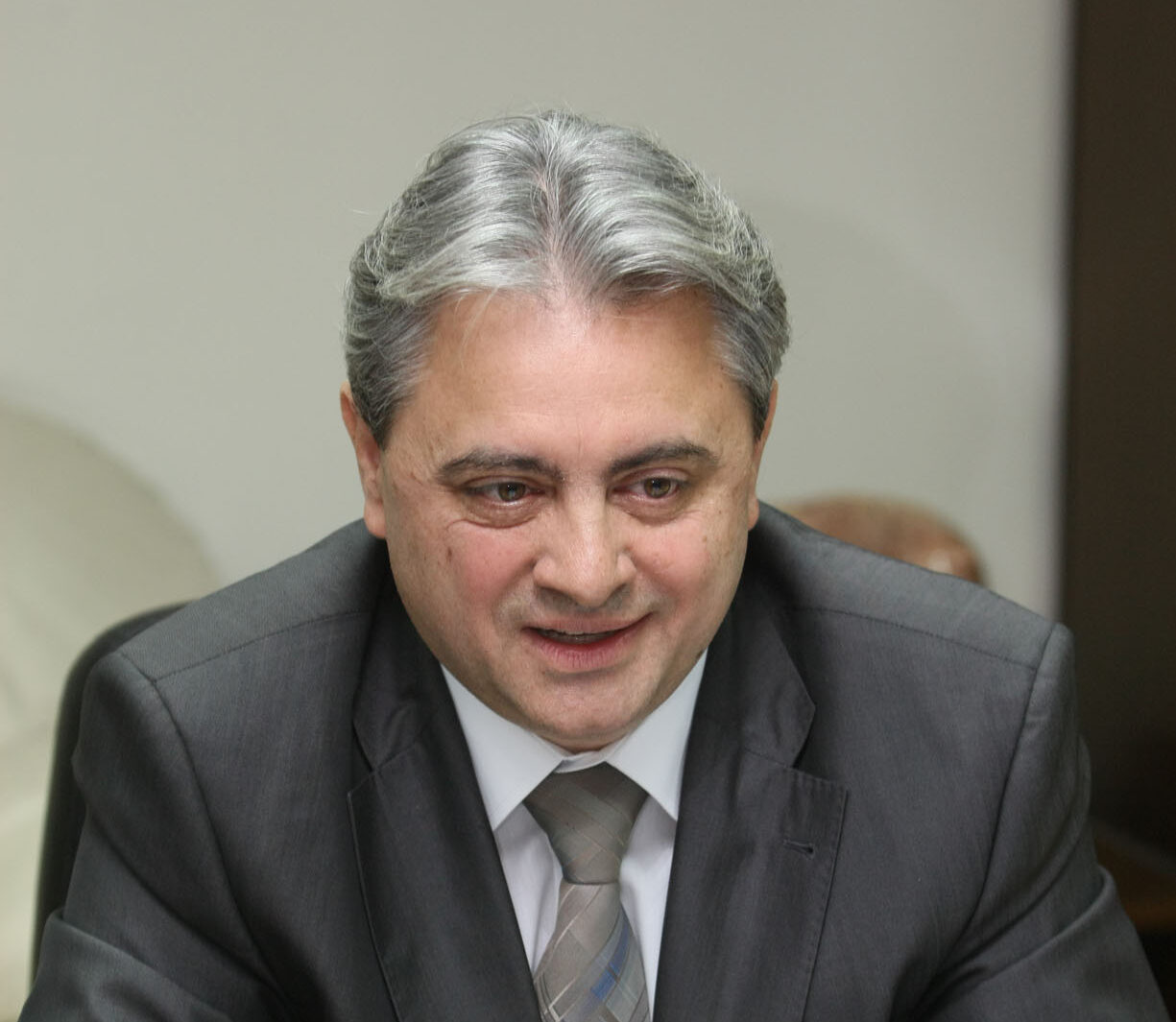
A conversation with David Kelly, Director of Ireland’s Southern Regional Assembly, a regional tier entity of government driving the transformation of Ireland’s southern region through strategic planning, visionary leadership, and a steadfast commitment to fostering sustainable growth and prosperity for all its citizens.

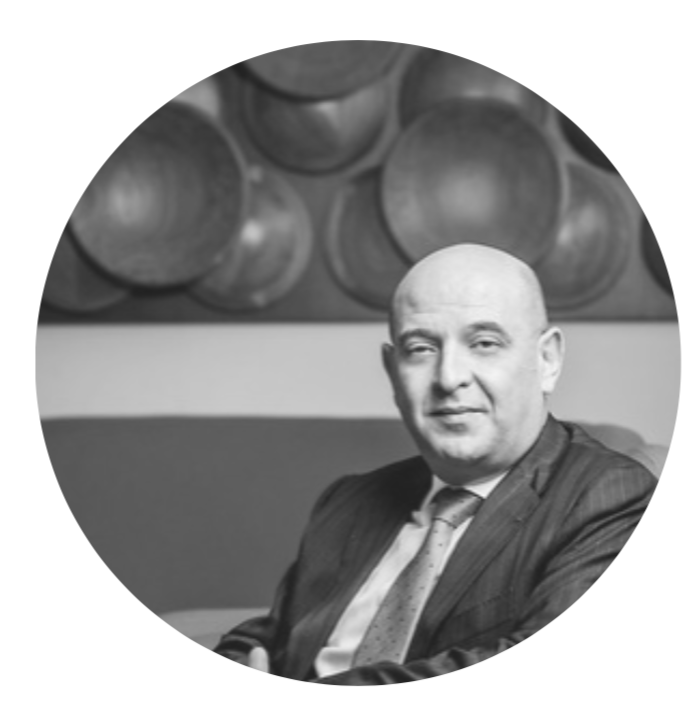
David Kelly, Director of Ireland’s Southern Regional Assembly,

What is the role of Irelands Regional Assembly?

David Kelly: The Southern Regional Assembly, is one of three regional assemblies in Ireland. They each have a significant role in advocating for regional development, and achieving balanced regional development. We primarily utilize two major tools – a regional investment program, co-funded by the European Regional Development Fund, and regional spatial and economic planning. Our goal is to address the imbalance in development that has been heavily centered around Dublin, leading to issues such as congestion and challenges for other areas in Ireland. Infrastructure development is crucial for making a region attractive for businesses and supporting their growth. Therefore, the Southern Regional Assembly is focused on enhancing connectivity, including roads, railways, and airports, as well as fostering our enterprise ecosystem. This also involves linking research and innovation institutions effectively. Historically, the majority of investment has gone to Dublin due to its population size and economic activity. We aim to redistribute this investment more evenly to support infrastructure in other areas.

What should Americans remember about Irelands Southern Region?

David Kelly: The Southern Region has enormous potential for attracting businesses and investments. We have three of Ireland’s national cities within our region, and numerous thriving towns. Our educational infrastructure, including universities and technological institutes, is well-developed. This, combined with our focus on a knowledge-based economy, makes us an attractive destination for investment.I would underscore our region’s rich history of Irish-American relations, marked by the presence of numerous influential American companies including Apple’s European Headquarters based in Cork, and Johnson & Johnson, one of the largest biotech companies in the world having sites across Cork, Limerick and Galway. Our resolute commitment is to cultivate and elevate these connections. Moreover, we are steadfast in our mission to unlock our region’s untapped potential and amplify its role in propelling Ireland’s growth and progress, solidifying its status as an exceptionally appealing hub for businesses and investments.

Exploring Three Vibrant Cities in Southern Ireland:

Cork: Ireland’s second-largest city, seamlessly intertwines business acumen with a thriving tourism sector. Its strategic location on the south coast, and well-connected infrastructure make it a prime destination for trade and investment. The city’s diverse economy spans technology, pharmaceuticals, and agribusiness, fostering innovation and attracting global corporations. Meanwhile, tourists are drawn to its rich cultural heritage, vibrant culinary scene, and scenic landscapes, from the historic Blarney Castle to the stunning Wild Atlantic Way. Cork, a city where business opportunities flourish and tourism experiences captivate, stands as a dynamic gem on Ireland’s southern shores.

Limerick: Nestled along the picturesque River Shannon, Limerick hosts a thriving knowledge economy, with a focus on information technology, finance, and pharmaceuticals. The city’s prestigious universities and research centers fuel innovation and draw talent, making Limerick an attractive destination for forward-thinking businesses. Simultaneously, Limerick’s rich history, seen in landmarks like King John’s Castle, blends seamlessly with a modern arts and culture scene. This fusion creates a unique tourism experience, drawing visitors to explore its medieval streets, enjoy traditional music, and revel in its dynamic, contemporary vibe.

Waterford: Ireland’s oldest city, stands as a global center for crystal production, boasting a legacy of craftsmanship that continues to draw international attention. In the business realm, Waterford’s strategic location, infrastructure, and focus on manufacturing and technology make it a magnet for industries seeking excellence. On the tourism front, the city’s maritime history, exemplified by the Viking Triangle and Waterford Museum of Treasures, enthralls history enthusiasts. Waterford’s synthesis of business excellence and historical charm ensures its enduring allure for both commerce and leisure.
More Articles

  • Egypt EU Trade relations improving

    Egypt EU Trade relations improving

    The European Union remains Egypt’s largest investors Three-quarters of foreign direct investment come from EU states, and trade represents a third of the country’s GDP. The has been constant EU assistance and partnership programs since 1998, which established stable relations between Egypt and the EU. The Association Agreement was the most effective agreement when it…

  • Interview: Mervat Sultan, Chairperson, Export Development Bank of Egypt (EBE)

    Interview: Mervat Sultan, Chairperson, Export Development Bank of Egypt (EBE)

    Export Development Bank of Egypt (EBE) was established for the purpose of boosting Egyptian exports. The Bank offers banking and financial services to encourage the export activities of the agricultural, industrial, commercial and services sectors. One of the main business lines and activities of the Bank is the Corporate Banking and Loan Syndication Activities.  How…

  • Interview: Ahmed Heikal, Managing Director, Qalaa Holdings

    Interview: Ahmed Heikal, Managing Director, Qalaa Holdings

    Qalaa Holdings is a leading private equity investment company in Egypt focusing in energy and infrastructure. Qalaa manages an investment portfolio consisting of 19 Opportunity-Specific Funds (OSFs). Its investments are distributed through 12 countries in the Middle Eastern and North African markets and span 14 industrial sectors. Qalaa Holdings is an African leader in energy and infrastructure.…

  • Interview: Mohammed Berro, Chief Executive Officer, Emirates NBD Egypt

    Interview: Mohammed Berro, Chief Executive Officer, Emirates NBD Egypt

    Emirates NBD Egypt is one of the largest banks operating in Egypt excels in premier banking and pioneers in digital banking. It is an essential stakeholder in financing mega infrastructure projects and development initiatives in Egypt. Emirates NBD Egypt is a wholly owned subsidiary of Emirates NBD Group, a leading banking group in the region.  …

  • United Nations Global Compact Profile

    United Nations Global Compact Profile

    Launched in 2000, the United Nations Global Compact (UNGC) is a global initiative that serves as a call to companies to align strategies and operations under the framework of the 10 UNGC Principles on Human Rights, Labor, Environment and Anti-corruption. Today with more than 9,500 business and 3,000 non-business organizations based in 160 countries and…

  • Interview: Lazar Petrović, CEO, Delta DMD

    Interview: Lazar Petrović, CEO, Delta DMD

    As a leading logistics distribution company, what key challenges need to be overcome in the region? Serbia is definitely a growing market and it is going to continue to be. I strongly believe that we are going to be a part of the European Union eventually. Especially for IT companies, Serbia is the best place…

  • Interview: Miroljub Jevtić, Director General, Infrastructure of Serbian Railway (IZS)

    Interview: Miroljub Jevtić, Director General, Infrastructure of Serbian Railway (IZS)

    How is Serbia’s railway transport segment evolving? Serbia’s railway infrastructure system in 2018 offers safe and reliable services. It is efficient and successfully caters to a growing segment. Overall, Serbia is investing nearly EUR 5 billion to improve the transport network. This can be seen very clearly within the railway sector. Serbia continues a series…

  • Interview: Violeta Šestic, Head of Local Economic Development Department, City of Šabac

    Interview: Violeta Šestic, Head of Local Economic Development Department, City of Šabac

    What makes Šabac a smart choice for investors? An interesting fact about the city of Šabac is that it was the first city in Serbia to meet the international standards ISO 9001:2000 which is a testament to our efficiency as an organization and our dedication to customer satisfaction.Besides, the City is a carrier of a…

  • Interview: Nemanja Aleksic, CEO and Managing Partner of the Aleksic and Associates Joint Law Office

    Interview: Nemanja Aleksic, CEO and Managing Partner of the Aleksic and Associates Joint Law Office

    How do you assess Serbia’s legal framework in 2018? The legal framework of Serbia in 2018 will be adapted to the process of accessing the European Union, with full commitment to the priority reforms necessary in this process. On April 29, 2008, Serbia signed the Stabilization and Association Agreement in Luxembourg, which, entered into force…

  • Interview: Zoran Blagojević, CEO,  Wiener Insurance Serbia

    Interview: Zoran Blagojević, CEO, Wiener Insurance Serbia

    How do you assess Serbia’s insurance sector? Western European markets average premiums around EUR 2 500 per capita, but in Serbia we are at EUR 100 per capita. These two figures show us a clear picture of the huge growth potential the insurance sector has within the Serbian market. There is a huge misunderstanding of…

  • Interview: Marija Labović, Acting Director, National Tourism Organisation of Serbia

    Interview: Marija Labović, Acting Director, National Tourism Organisation of Serbia

    How do you assess Serbia’s tourism industry? Demand is growing, and this is the trend for the last three years. In the last ten years we can see market change in favour of foreign visitors which are now making around 50% of total tourists. Three years ago domestic travellers started to travel again due to…

  • Interview: Radoš Gazdić, Acting Director General, Development Agency of Serbia (RAS)

    Interview: Radoš Gazdić, Acting Director General, Development Agency of Serbia (RAS)

    What are some of the key facts that all international investors should remember about Serbia? The key factor at this moment is the competitiveness of the labour force when comparing it to Europe. Serbia is increasingly becoming more attractive, first and foremost, because of the technical education of our labour force. It is one of…

  • Interview: Marko Čadež, President, Chamber of Commerce and Industry of Serbia (PKS)

    Interview: Marko Čadež, President, Chamber of Commerce and Industry of Serbia (PKS)

    What is the global perception of Serbia? Over the last five years investors saw straightforward and clear economic policies. This means fiscal consolidation, monetary stability and political stability. They have seen Serbia has a clear strategy. There is now a new perception on Serbia’s future. The perception is now quite good. Together with Montenegro, we…

  • Interview: Ingeborg Øfsthus, CEO, Telenor Serbia

    Interview: Ingeborg Øfsthus, CEO, Telenor Serbia

    How do you see Serbia’s telecommunication sector in 2018 and what key challenges do you foresee moving forward? The global telecommunications sector is going through a revolution, and that revolution is digitalization. The fact being the competition landscape is changing. It is hitting every single operator around the world in some way or form.  We are lucky…

  • Interview:  Zoran Petrović, CEO, Raiffeisen Bank Serbia

    Interview: Zoran Petrović, CEO, Raiffeisen Bank Serbia

    How do you assess Serbia’s economy? We expect Serbia’s economy in 2018 will be driven by a couple of factors. First of all, we believe it will be pushed by the consumptions of the citizens, the unemployment rate is going down, employment rate is going up, so we expect that also the banking sector continue…

  • Serbia: An impressive turnaround

    Serbia: An impressive turnaround

    Serbia aims to boost private sector-led growth through reforms. According to the estimates of the Statistical Office of the Republic of Serbia, the nations GDP in real terms increased by 1.9% in 2017. The International Monetary Fund estimates Serbia’s projected Real GDP growth for 2018 will reach 3.5%. Overview: Serbia has successfully stabilized its economic…

  • Serbia: Solid banks support growth

    Serbia: Solid banks support growth

    The sector is well-capitalized, liquid and harmonized with EU legislation Financial sector reforms have been pursued vigorously. Banks are on a sound footing and continue to support growth. The banking sector comprises over 90% of the total assets in the financial sector. Over the last several years significant restructuring has been undertaken to improve the…

  • Serbia: Tourism – Belgrade charm

    Serbia: Tourism – Belgrade charm

    Three million tourists visited Serbia in 2017 with MICE offering the largest opportunities.   Lacking a coastal line, Serbia has focused its touristic sector in the development of spas and ski resorts. They have been neglected for the past years, but thanks to recent private sector investors keen on developing their potential the sector is…

  • Serbia: Transport – Interconnecting Southeast Europe

    Serbia: Transport – Interconnecting Southeast Europe

    Mass investments aim to support and ease transit The sector is one of the fastest developing branches of the economy in Serbia. Value of ongoing projects in infrastructure is EUR 5 000 million. Needs for future transport plans is EUR 6 000 million. Serbia’s strategic location at the crossroads of European traffic Corridors offers great…

  • Country Profile: Serbia

    Country Profile: Serbia

    Regional integration – Western Balkan neighbors are increasing collaborations History: Serbia was shaped as a nation by the numerous external invasions it suffered; starting in the 4th century BC with the Celts overthrowing the Illyrians, the arrival of the Romans and the Slavs in the sixth century AD. A crucial event in AD 395 was when…

  • Serbia: Digitization – The ICT sector is growing faster than any other industry

    Serbia: Digitization – The ICT sector is growing faster than any other industry

    Serbia provides a cost-effective alternative to established markets for companies looking to outsource software engineering, offshore systems design and integration. Over 2 600 ICT companies operate in Serbia including a Microsoft development center. Serbs offer expertise, high-end IT development services and software development solutions in a highly completive global sector. Nearly 39 000 ICT professionals…

  • Serbia: The Balkan Industrial revolution

    Serbia: The Balkan Industrial revolution

    Serbia’s rich historical legacy lies in its strength as a regional manufacturing hub. This is furthermore supported by its extensive free trade agreements which allow duty-free exports to a market of more than 1 billion people. Some of these markets go much further than the European Union which is Serbia’s largest export market.  Serbia has…

  • Serbia: EU accession accelerating

    Serbia: EU accession accelerating

    Serbia is one of the most advanced countries in the process. Serbia is a small and open economy in South Eastern Europe. The nation’s development is considerably below the European average, while by growth it is one of the fastest developing countries in Europe. Growth potential in Serbia is tremendous in every segment of the economy.…

  • Interview: Zorana Ždrale Burlić, CEO, Delta Real Estate

    Interview: Zorana Ždrale Burlić, CEO, Delta Real Estate

    How do you assess Serbia’s real estate sector? We have definitely seen an increase in construction activity, the market is reviving, and we have seen increased demand for construction. We have seen a lot of investment activity. The market remains challenging in terms of a lot of issues surrounding real estate, not just bureaucracy but…