A Look Inside the World’s Most Innovative Economy

Zug Switzerland
Photo of the Crypto Valley in Zug, Switzerland, one of the world’s leading blockchain ecosystems, and Park-Tower a project developed by Peikert Immobilien AG and Peikert Projeke AG.

The World Intellectual Property Organization analyzed 131 economies, and for the last ten years, Switzerland has ranked as the world’s most innovative country. The nation specializes in offering innovative solutions to complex global challenges, and has a unique ecosystem for business and investment opportunities. International corporations value Switzerland as an efficient, stable and productive location to grow dynamic businesses. The nation has a liberal economy, political stability, international integration, outstanding infrastructure, focuses on sustainability, and provides a well-structured tax code. In addition, Switzerland consistently excels in advancing technology, fostering academia, and maintaining one of the world’s highest standards of living. For a population of only 8.6 million, it is extraordinary the global impact Switzerland has had on the world.

As a base for operations

As a stable country with an open economy committed to free trade, it is an ideal base to manage international operations. The country actively fosters the development of global business operations, and therefore, the small landlocked nation has been able to attract an impressive quantity of multinational companies. Companies also benefit from Switzerland’s iconic neutrality, and ability to build diplomatic relationships and excellent trade agreements.

Ambassador Christian Dussey, Director of the Geneva Center for Security Policy stated, “Geopolitics can affect organizations in unexpected and dramatic ways with new regulations, sanctions, disruptions of supply chains, and more. The pillars of Switzerland’s competitiveness remain strong into the foreseeable future, including the country’s political stability, security, predictability, prime location, world-leading research and academic institutions, innovation, and digital capabilities. For companies that are worried about continued economic and political upheaval, Switzerland’s stability is attractive.” 

“For companies that are worried about continued economic and political upheaval, Switzerland’s stability is attractive.”

Ambassador Christian Dussey,
Director, Geneva Center for Security Policy

Another reason Switzerland excels as a location, is that it is exceptionally well integrated globally. It is not within the European Union (EU), but a free trade agreement with the EU allows for a seamless free movement of goods, services and people. In addition, Switzerland has thirty free trade agreements outside the EU, the capability to negotiate independently, and new agreements are continually being negotiated. 

However, a free trade agreement with the USA remains elusive. Switzerland is the seventh-largest foreign investor in the USA, and according to a study by the Swiss think-tank Avenir Suisse, “A free trade agreement would contribute to mutual prosperity and mutual gains.” Swiss-American relations are based on shared social values and historically strong economic interests. Switzerland has a federal government that uses a bicameral system, and the USA and Switzerland are often referred to as sister republics.

In addition to political and economic cooperation, the two republics share similar cultural values. Pro Helvetia Director, Philippe Bischof mentioned, “Swiss art, culture, and values can shift global societal perceptions and encourage diversity. Pro Helvetia seeks to have a role in fostering cross cultural exchanges between the USA and Switzerland. We have ambitions to further develop bonds between the two sister republics. Swiss culture and virtues foment multilateralism, encourage political dialogue, foster bilateral exchanges, and encourage engagement opportunities across cultures.”

“Swiss art, culture, and values can shift global societal perceptions and encourage diversity.”

Philippe Bischof, Director, Pro Helvetia

Business friendly legal framework

Switzerland is known for its business-friendly legal and regulatory framework. Unlike many European countries, Switzerland has a liberal labor legislation that is similar to the USA’s. Switzerland is one of the most federal and democratic countries. All citizens can contest decisions made by parliament. The system is slow, which at times can be problematic; however this process prevents hastily made decisions. This creates political stability, which combined with a positive business attitude, is a solid background for a business ecosystem.

Mr. Philippe Bärtsch, Managing Partner of Schellenberg Wittmer stated, “There is fierce competition between European countries to attract investment, this healthy competition pushes Switzerland to strive to be better. We have developed a unique business ecosystem that is based on trust and predictability which combined with stability makes Switzerland a safe haven for investors. This is a main reason companies build their global operations out of Switzerland.”

Academic excellence

The exceptional Swiss education sector prepares the population to be lifelong learners. This contributes to attracting the best global talent, and aids in the country’s overall attractiveness as a business and investment destination.

According to Professor Dr. Andrea Emilio Rizzoli, Director of IDSIA USI-SUPSI, an artificial intelligence research institute, “There are various reasons why this small country, nestled in the Alps, has consistently ranked as one of the most innovative. A key asset is the Swiss higher education system. Switzerland is home to ETH Zurich and EPF Lausanne, the Swiss federal institutes of technologies, which are among the world’s top-ranked universities. Often unnoticed, in parallel to the traditional universities, there is a whole system of Universities of Applied Sciences offering tertiary education aimed at shaping future professionals. The Swiss system delivers highly skilled professionals capable of tackling every aspect of an innovative company.” 

The sector has faced unparalleled challenges in the last year due to COVID-19, but entities have quickly adapted. One example of excellence in the sector is the International Institute for Management Development (IMD). Professor Jean-François Manzoni, President of IMD stated, “Education’s contribution to Switzerland’s overall attractiveness is not to be underestimated. We are not just able to attract the best global talent, we continuously develop it within a unique ecosystem that foments lifelong learning. Swiss education develops resilient leaders who transform organizations, contribute to society, challenge what is, and inspire what could be. Particularly during a crisis like today’s, academia needs to dramatically accelerate the use of technology mediated interactions. As a world leader in executive education, pioneer in corporate leadership development, strategy, and digital transformation, IMD is an ideal example of this transformation. We have adapted quickly, leveraging this opportunity to offer immersive, bespoke experiences.”

Hub for R&D

Switzerland possesses a phenomenal regulatory environment, and remains a high spender for R&D. Innovation is partially financed by the nation through R&D grants given to universities, and used in collaboration with industry to improve products, services and processes. It has become an effective way of ensuring R&D translates into marketable products. In addition, the private sector outspends global averages and consistently churns out new inventions. For instance, the World Wide Web was invented at CERN near Geneva in 1989. This is only one of thousands of innovative Swiss solutions currently tackling global challenges.

Furthermore, Switzerland has more patents per capita than any other European country, with over 900 patents per million inhabitants. Several core companies support this development, including Roche and Novartis in the pharmaceutical and life science sector, ABB within industry, and Nestle in fast-moving consumer goods, in addition to many other multinationals and growing startups.

Growing clusters

Within this ecosystem, Switzerland has fostered the development of strong clusters in manufacturing, finance, life sciences, ICT, and advanced engineering. This has encouraged niche, highly specialized companies to thrive throughout the regions of Switzerland, while catering to high value-added sectors such as biotech, medtech, fintech, cybersecurity, robotics, and industrial design.

Billions of Swiss franc are invested to ensure emerging companies and SMEs grow and flourish within their clusters. In addition to new entrants, technology companies increasingly relocate to Switzerland. Disney, Microsoft and IBM are a few of the companies actively increasing their research operations in the country. Oracle already has its biggest R&D lab globally in Switzerland. Google has its biggest lab outside the USA in Switzerland, and is quickly growing its footprint. 

Building a more sustainable world

Swiss companies are cognizant of their global footprints, and therefore are increasingly implementing strict sustainability measures to play their part in building a more sustainable world.

For instance, Bracken Darrell, CEO of Logitech said, “Logitech is committed to being part of global efforts to co-create a more sustainable world. We’ve committed to a 1.5°C climate pledge, are working toward being powered exclusively by renewable electricity, and have neutralized the carbon across our gaming products. We’re also communicating the carbon impact of every product in our portfolio. We were one of the first companies in the world to commit to these carbon transparency labels, and hope many others will follow suit. We are striving to completely neutralize the entire company’s carbon footprint. We’re focused on innovation, quality and sustainability. We know how important this is for generations to come.”

Combating challenges

In the face of the global pandemic, Swiss companies have been able to push forward with new ideas to drive economic recovery, embrace digitalization and diversify. According to Barbara Dalibard CEO of SITA, an information technology services company to the air transport industry, “Switzerland plays a vital role in global mobility needs. Regaining passenger confidence, which is at an all time low due to the pandemic, is a core challenge for the aviation industry. The general public should remember Swiss solutions are being implemented to make global airports, aircraft and borders safer. We are contributing to the installation of disruptive technologies that benefit air transport, enabling mobility through low-touch operations, and offering biometrics for self-service, which automates the entire passenger journey. We aim for touch-less airports to re-instill confidence in traveling during the pandemic.”

“Switzerland plays a vital role in global mobility needs.”

Barbara Dalibard, CEO, SITA

Forward thinking

Head of Presence Switzerland, Ambassador Bideau, stated, “Switzerland’s image abroad is excellent. Switzerland is ranked number one in attracting global talent, as we are well known as an attractive destination to live, work and study. Switzerland is also ranked as the world’s most innovative economy, a major hub for R&D, and placed number seven on the global competitiveness index. Switzerland has many strengths in rather unexpected innovation fields, for instance acting as a space nation and pioneer in drone technology. Our financial services sector is also creating more sustainable financing and green financing for future generations.”

With innovation as the common denominator across all sectors in Switzerland, it is one of the world’s most advanced free-market economies. Swiss innovation is legendary; it changed the world in the past, and will continue to do so in the future. 

More Articles

  • Interview: Ayman Ismail, Co-Founder, Chairman, and CEO, Dar Al Mimar Group (DMG)

    Interview: Ayman Ismail, Co-Founder, Chairman, and CEO, Dar Al Mimar Group (DMG)

    Dar Al Mimar Group (DMG) is the largest vertically integrated holding covering real estate development in Egypt. The group focuses on world-class standards and operates in three sectors: engineering, real estate, and hospitality through its subsidiaries. Since 2005 Mountain View is among Egypt’s leading private property development companies. DMG has developed and now manages over…

  • Interview: Mohammed Saad Eldin, Chairman, Saad Eldin Group

    Interview: Mohammed Saad Eldin, Chairman, Saad Eldin Group

    Saad Eldin Group. The highly diversified vertically integrated Oil & Gas holding was founded in 1985 and is focused on servicing LPG, LNG, CNG and other industrial gases. Saad Eldin Group subsidiaries and factories are dedicated to manufacturing, filling and delivering of gas cylinders throughout Egypt. Its facilities include gas processing plants, LPG container manufacturing…

  • Interview: Albert Gress, Country Manager Egypt, SDX Energy

    Interview: Albert Gress, Country Manager Egypt, SDX Energy

    SDX Energy is a North Africa focused international E&P business with high margin producing assets and a transformational exploration upside. It engages in the exploration, development, and production of oil and gas primarily in the Arab Republic of Egypt and the Kingdom of Morocco. Net production: 3,237 boe/d, 2P reserves: 13.5 mmboe. The company is cash flow…

  • Interview: David Chi, Vice President and General Manager, Apache Egypt

    Interview: David Chi, Vice President and General Manager, Apache Egypt

    Apache has 22 years of exploration, development and operations experience in Egypt and is one of the largest acreage holders in Egypt’s Western Desert. Apache has invested more than $1 billion in the Egyptian oil and gas sector during 2018. It remains the largest oil producer in Egypt, one of the largest foreign investors in the country, and in particular the largest American investor in Egypt. Are you optimistic about…

  • Interview: Tarek El Molla, Minister of Petroleum of Egypt

    Interview: Tarek El Molla, Minister of Petroleum of Egypt

    How will natural gas exports contribute to Egypt’s economic acceleration? The current strategy of the Ministry aims at fulfilling the requirements of the local market and completion of the gas development projects. However, to achieve such a vital goal we worked towards increasing production by speeding up the development of the Mediterranean discoveries. Thus, due…

  • Interview: Maged Ezz Eldeen, Country Senior Partner, PwC Egypt

    Interview: Maged Ezz Eldeen, Country Senior Partner, PwC Egypt

    How have Egypt’s economic reforms affected the competitiveness of the economy? Egypt’s unprecedented macroeconomic and business legislation reform measures are bearing positively on the country’s competitive standing. For the first time in eight years, Egypt’s ranking on the global competitiveness report witnessed a significant jump of 15 places in 2017. Underpinning this was a remarkable…

  • Interview: Mr. Mohamed Hamza Talaat, Managing Partner, Baker & McKenzie Egypt – Helmy Hamza & Partners

    Interview: Mr. Mohamed Hamza Talaat, Managing Partner, Baker & McKenzie Egypt – Helmy Hamza & Partners

    A market leader in mergers and acquisitions, project finance and capital markets. Named IFLR Egypt’s “Law Firm of the Year” six times, with its Cairo office, ranked Tier 1 by IFLR1000, Legal500 and Chambers & Partners for Banking & Finance and M&A. With 40 years’ experience in the local market, they are the go-to firm…

  • Interview: Hala Helmy El-Saeed, Minister of Planning and Administrative Reform of Egypt

    Interview: Hala Helmy El-Saeed, Minister of Planning and Administrative Reform of Egypt

    The Ministry of Planning, Monitoring and Administrative Reform’s vision is to ensure efficient planning and management of the state’s public investments. It seeks sustainable economic development by ensuring the state’s administrative body becomes increasingly more effective, efficient, and capable of managing state resources to provide quality services to citizens. How do you assess Vision 2030’s…

  • Interview: Mohamed Farid, Chief executive officer, The Egyptian Exchange (EGX)

    Interview: Mohamed Farid, Chief executive officer, The Egyptian Exchange (EGX)

    Egypt’s stock exchange, the Egyptian Exchange (EGX), comprises two exchanges, Cairo and Alexandria. How do you assess the EGX performance? In 2017 the EGX had five initial public offerings (IPO) amounting to 4 billion with 46% being demanded by foreign investors. In 2018 we saw three IPO’s. In 2019 we will see several primary offerings from the public sector include: Banque du…

  • The Ministry of Health is implementing an ambitious plan to develop and modernize public hospitals and treatment centers throughout Egypt

    The Ministry of Health is implementing an ambitious plan to develop and modernize public hospitals and treatment centers throughout Egypt

    According to the United Nations, Egypt’s population surpassed 100 million in 2018. This has caused health infrastructure to suffer under the pressure of the growing population.  In 2014 Egypt had 1.5 beds per 1 000 of the population, this decreased to 1.46 in 2015 and 1.36 in 2016. Egypt’s infrastructure and services require exponential growth…

  • Fastest growing tourist destination globally

    Fastest growing tourist destination globally

    The government is actively pushing to reposition Egypt’s tourism and return it to its pre-revolution glory days. Egypt’s tourism sector has historically been a vital driver of the economy and a critical source of foreign currency. Its historical heritage has and will continue to attract global wonder which in itself has caused underinvestment in crucial…

  • Egypt’s education system is by far the largest in the region

    Egypt’s education system is by far the largest in the region

    Private non-profit education institutions are increasingly taking the lead and spearheading quality education in Egypt. Since 2014, Egypt’s focus on improving the private and public education sector has increased significantly. Vision 2030 has called for an overhaul of the current educational system and looks ambitious and promising. Serious efforts to modernize the education sector from…

  • Egypt is considered one of the fastest-growing offshore destinations in the world and its BPO and IT industries are gaining global market share

    Egypt is considered one of the fastest-growing offshore destinations in the world and its BPO and IT industries are gaining global market share

    Egypt’s ICT sector is one of the fastest economic contributors to GDP. The overall revenues for the sector in 2018 surpassed EUR 4 000 million and are expected to reach EUR 5 100 million by 2020. The growth rate reached 14.1% in 2017/2018, against 12.5% in 2016/2017 The government has invested heavily in telecom infrastructure.…

  • Eight percent of global shipping transits Egypt’s Suez Canal

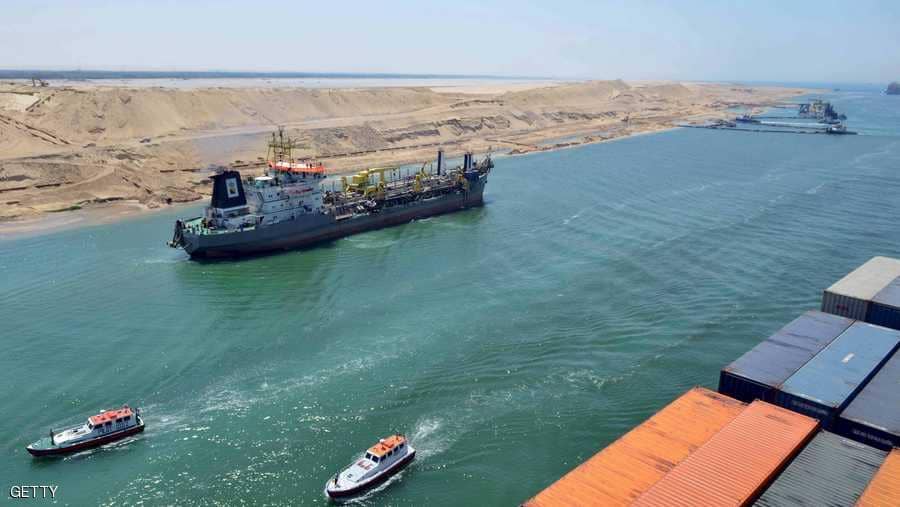
    Eight percent of global shipping transits Egypt’s Suez Canal

    The Egyptian government is implementing an ambitious strategy to improve and develop the transport sector to enhance the state resources and benefit on Egypt’s strategic location. Egypt has 108 000 kilometers of roads and 9 750 kilometers of railways, along with 20 airports, 15 harbors and a series of land ports. Transport and logistics represented…

  • New sector specific mega industrial zones in Egypt seek to improve valued added export capabilities

    New sector specific mega industrial zones in Egypt seek to improve valued added export capabilities

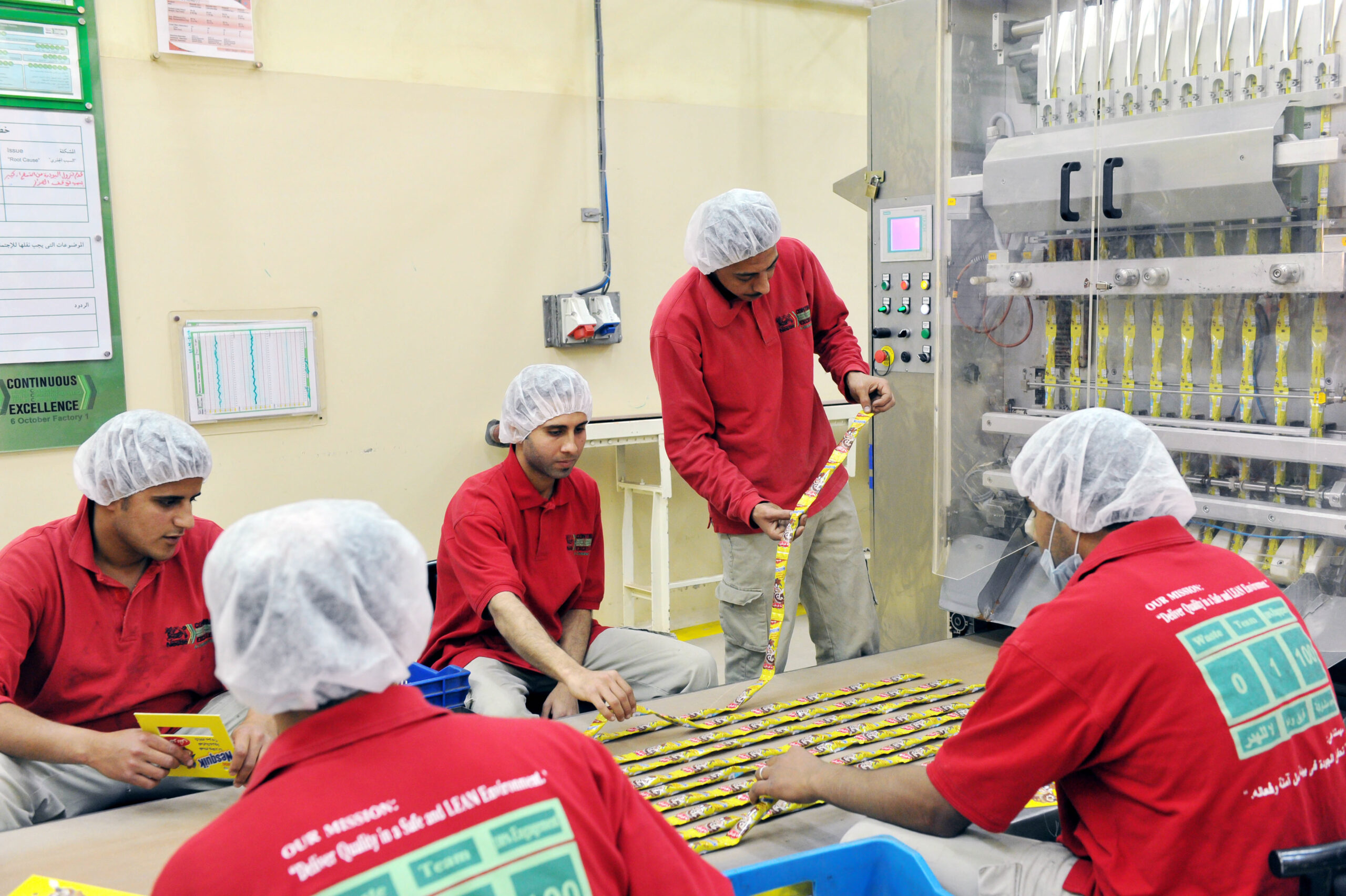
    Egypt streamlined its industrial licensing processes to boost investment. They slash bureaucracy and decrease the waiting time for new projects. The industry sector is the second biggest economic sectors in the country representing more than a third of the GDP and more than 13% of the total labor force. In 2014, Egypt started a series…

  • New Administrative Capital in Cairo

    New Administrative Capital in Cairo

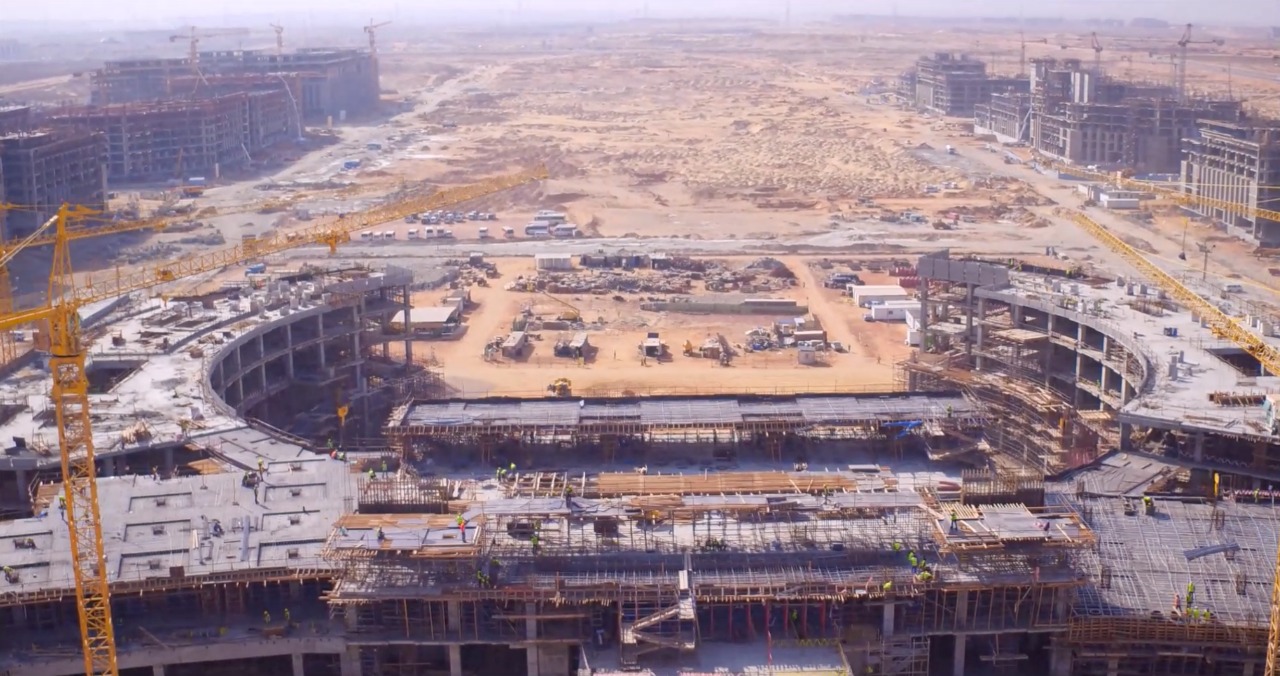
    Since the day the Pharaohs commissioned the Great Pyramids of Giza, Egypt has been home to vast mega-projects. Today is no exception, with the Suez Canal to the ongoing New Administrative Capital, presented as the biggest planned city of all time, Egypt has been living up to its Ancient ancestors. In March 2015, Egyptian Minister…

  • A growing population in Egypt demands quality housing

    A growing population in Egypt demands quality housing

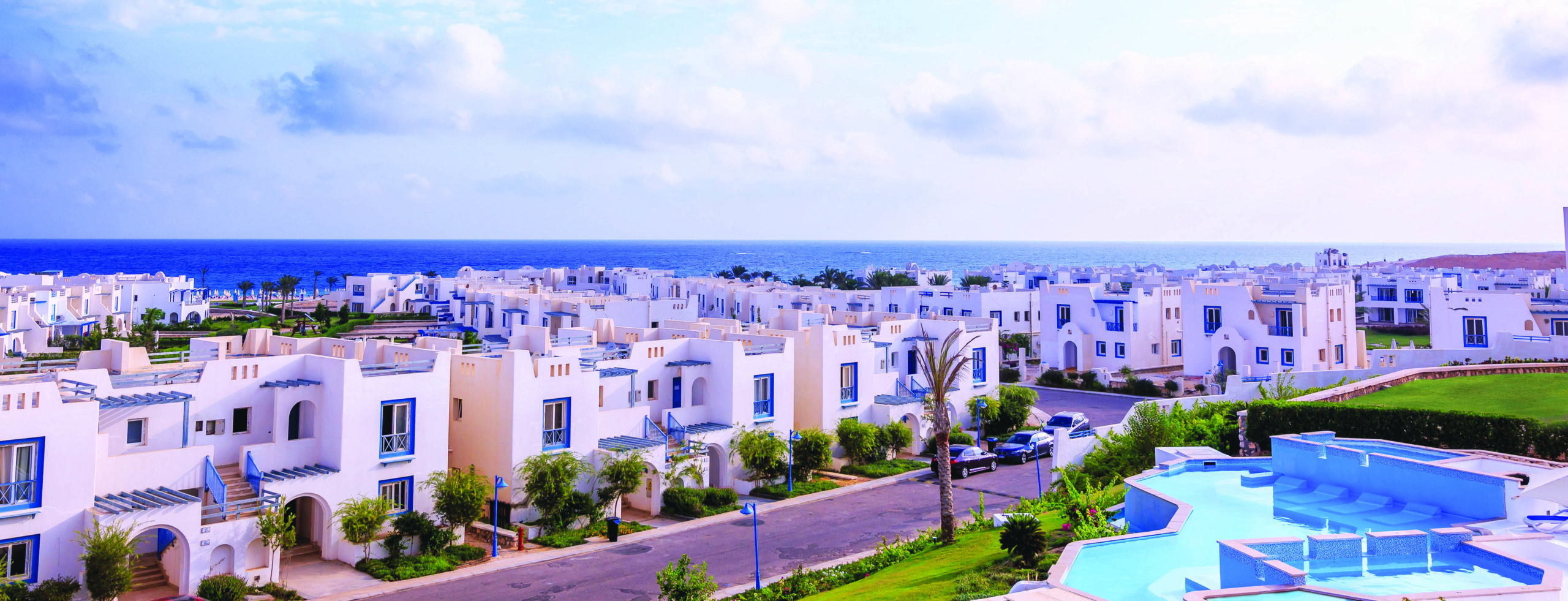
    One of the best solutions for Egypt’s constant overpopulation of cities has been urban expansion. It is part of an ambitious government plan to build new cities on the outskirts of every major governorate in Egypt. The Egyptian real estate sector has historically proven resilient to economic and political tensions over the past decade and…

  • Becoming an Energy Hub: From blackouts to exports, the Egyptian energy sector has made a complete 360 in the past five years

    Becoming an Energy Hub: From blackouts to exports, the Egyptian energy sector has made a complete 360 in the past five years

    Egypt’s oil and gas sector was on a downward spiral for years due to the impact of the Arab Spring, the unfolding of the Muslim Brotherhood, and the military coup. The country could not even keep its lights on five years ago. In 2013, due to a series of blackouts, factories were forced to shut…

  • Zohr: Massive new natural gas discoveries in the Mediterranean will meet and exceed Egypt’s national demand for years.

    Zohr: Massive new natural gas discoveries in the Mediterranean will meet and exceed Egypt’s national demand for years.

    Egypt is the third-largest dry natural gas producer on the continent and the largest non-OPEC oil producer in Africa. In addition, the Suez Canal and Suez-Mediterranean Pipeline (SUMED) are strategic high-security global transit routes for oil shipped from the GCC to Europe and the United States.  Egypt is the most populous country in North Africa,…

  • Egypt’s growing population is reinforcing economic growth while severely straining national resources

    Egypt’s growing population is reinforcing economic growth while severely straining national resources

    Egypt’s demographic boom has been a blessing to the economy. As the largest consumer market in the Middle East every sector of the economy can confidently expect sales to increase backed by national demographic trends. The needs of the growing population provide massive investment potential, and the private sector continues to find new opportunities to…

  • New Investment Law in Egypt

    New Investment Law in Egypt

    The landmark new investment law, ratified in 2017, changed the landscape of business in Egypt. The law has modernized and reduced barriers to how international companies invest and operate in Egypt, offering incentives, simplifying the processes, guaranteeing protection from decisions that are arbitrary or capricious, and providing new tools to ease establishing, starting and operating…

  • Egypt’s economic fundamentals are improving, and at 5.4% GDP growth it is the fastest growing country in the region

    Egypt’s economic fundamentals are improving, and at 5.4% GDP growth it is the fastest growing country in the region

    Egypt is the regions fifth-largest economy and increasingly on the global investment map. According to the International Monetary Fund Egypt was the third largest economy in Africa with a GDP of EUR 208 682 million in 2017 after Nigeria’s EUR 331 061 million and South Africa at EUR 304 642 million. Egypt’s economic fundamentals in…

  • Egypt’s evolving socio-economic dynamics evolve amongst social and religious frictions

    Egypt’s evolving socio-economic dynamics evolve amongst social and religious frictions

    Historically, the Arab Republic of Egypt has been fundamental to the development of the Middle East and North Africa. To this day, Egyptian political thought and cultural influence echoes throughout MENA. Egypt remains an influential actor in the region, pushing towards the path of further economic and political stability.   History: It is impossible to…

  • Sustainable Development Strategy: Egypt Vision 2030

    Sustainable Development Strategy: Egypt Vision 2030

    “The new Egypt will possess a competitive, balanced and diversified economy, dependent on innovation and knowledge, based on justice, social integrity and participation, characterized by a balanced and diversified ecological collaboration system, investing the ingenuity of place and humans to achieve sustainable development and to improve Egyptians’ life quality,” Egypt Vision 2030 Sustainable Development Strategy.…