Country Profile: Serbia

Regional integration – Western Balkan neighbors are increasing collaborations

History: Serbia was shaped as a nation by the numerous external invasions it suffered; starting in the 4th century BC with the Celts overthrowing the Illyrians, the arrival of the Romans and the Slavs in the sixth century AD. A crucial event in AD 395 was when Roman Emperor Theodosius I gave Serbia to the Byzantines,  together with the fact that Sts Cyril and Methodius converted Serbia to the orthodox religion, resulted in the country being locked into Eastern Europe.

The Serbians were crushed in 1371 by the Ottoman Turks who eventually took Kosovo and Smederevo, which effectively ended Serbia´s independence. Belgrade was captured in 1521.

During the following centuries, many rebellions took place against the Turks. Thanks to Russia, the First National Uprising of 1804 was successful but the Russians made peace with the Turks, and the Serbian rebellion failed once again. The second National Uprising of 1815, in which the Turks allowed Serbia some autonomy, was the path to Serbia´s independence. Serbia became a kingdom in 1882.

The assassination of Archduke Franz Ferdinand in 1914 by a Bosnian Serb was used as a reason to invade Serbia, which triggered WWI.

In 1918, the Kingdom of Slovenes, Croats, and Serbs was formed, which included Serbia, Montenegro and Dalmatia, Croatia-Slavonia, Slovenia, Bosnia and Herzegovina, and the Vojvodina, which were South Slav territories.

In 1929, King Alexander I declared the new state a dictatorship which was renamed Yugoslavia. From the start, there were tensions between Croats and Serbs, and in 1934 King Alexander was assassinated.

Yugoslavia joined the fascist Tripartite Alliance. This was a short-lived pact, triggering a military coup and a sudden withdrawal from the alliance. The Germans bombed Belgrade and invaded Yugoslavia in 1941. Belgrade was liberated by the Communist guerrilla led by Josip Broz Tito, together with the Russians, and a Communist regime was introduced. After Tito’s breaking with Stalin, Yugoslavia became independent. With the death of Tito in 1980, the system began to crumble, and Yugoslavia finally broke up in 1991-92.

Serbian nationalists defended a Greater Serbia encompassing Serbs in the other republics. The Communist Party leader in Serbia, Slobodan Milošević who became president of Yugoslavia in 1997, adopted this doctrine and violence followed between the Albanians of Kosovo and Serbs. The demands of the U.S., Great Britain, Russia, Italy, Germany and France to cease fire and to withdrawal, Serbian forces from Kosovo were not met by Milošević. NATO began a bombing campaign which expanded to Belgrade and lasted 11 weeks. In the presidential elections of 2000, Vojislav Koštunica declared victory and restored ties with Europe. 

Serbia became a stand-alone sovereign republic in 2006 after Montenegro voted in a referendum for independence from the Union of Serbia and Montenegro. This marked the historical end of the separation of the six republics of the Socialist Republic of Yugoslavia which comprised Serbia, Montenegro, Slovenia, Croatia, Bosnia-Herzegovina, and Macedonia. From the start, Serbia suffered the recession of 2009, but today the economy is growing. The 1st Intergovernmental Conference with Serbia in January 2014 indicates the beginning of Serbia’s negotiations to become part of the EU.

Geography: The sovereign republic of Serbia is at the crossroads of Southeast and Central Europe. It has borders with Bulgaria, Croatia, Bosnia-Herzegovina, the Republic of Macedonia, Hungary, Bulgaria, Romania, Montenegro, and Albania through Kosovo.

It has access to the Adriatic Sea through Montenegro, and shipping access to inland Europe as well as the Black Sea is possible through the Danube River.

Serbia’s terrain is extremely varied with rich and fertile plains to the North, limestone basins and ranges to the East and ancient hills and mountains to the Southeast. The Northeast is rich, and fertile thanks to the Danubian Plain drained by the Danube, Morava, Sava, and Tisa river systems, all of which, together with the Drina River, conform Serbia’s main rivers.

Four mountain systems converge in Serbia: the Carpathian Mountains, the Balkan Mountains, the Dinaric Alps, and the ancient mountains of the Rilo Rhodope mountain system. The Balkan Mountains create the natural border with Romania and Bulgaria, the valleys and hills of the Dinaric Alps cut through Serbia west of the Morava River.

Climate: Serbia has a predominantly continental climate; cold winters and warm summers. The north of Serbia typically has a continental climate, while the South and South-West have a climate of Mediterranean influence.

Language:  The official language is Serbian. Despite being spoken throughout the country, there are some exceptions; in southern Serbia, it’s the Torlakian dialect which is spoken by most Serbians. Other minority languages like Bosnian, Croatian, Slovak, Rusyn, Bulgarian, Hungarian, Albanian, and Romanian are officially recognized in Serbia.

Demographics: The total population in Serbia is 7.1 million (this does not include the population of Kosovo). Serbians are the largest majority when it comes to ethnic groups, while Hungarians are the largest minority followed by Roma people and Bosniaks. Croats, Slovaks, Albanians, Montenegrins, Romanians, Macedonians, and Bulgarians are other minority groups.

Natural Resources: Serbia has considerable natural resources but is lacking in mineral fuel, making the country dependent on Russia for crude petroleum and natural gas necessary to meet its domestic demand. It has one of Europe’s most abundant copper resources, located mostly in the Timoc District in northeastern Serbia. As well as copper, the industry produces iron and steel with significant production of gold, lead, coal, salt, and selenium. Lead and zinc production comes from Kopaonik, Raška. The southwestern regions of Serbia have timber and hydroelectric potential.

Politics: The framework under which Serbia functions is within a parliamentary democracy. The country is a parliamentary republic where the head of government is the prime minister, and the head of state is the president.

There are three branches of government in this parliamentary republic: judiciary, executive, and legislature. Serbia’s political system is based on the principle of separation of authority between these three.

The executive authority is held by the Government of the Republic of Serbia consisting of a prime minister, two vice presidents and 18 ministries.

As of 2017, Aleksandar Vučić is the President of Serbia and Ana Brnabić is the Prime Minister. Aleksandar Vučić became prime minister after a large victory in the parliamentary elections of 2014. He pledged an overhaul of Serbia’s economy and accelerated drive towards EU accession. Also to combat endemic corruption.

His reforms included diminishing the public sector, reforming the budget, privatizing state-owned enterprises and supporting the private sector. He won his candidacy for the presidency with a comfortable victory in 2017.

The prime minister leads a cabinet and exercises executive power. The president names the designate after deliberation with parliamentary leaders, and the National Assembly is in charge of choosing the prime minister. The prime minister nominates the cabinet ministers while the National Assembly confirms them. The president is elected by popular vote. It’s a five-year term, and it can be extended by-elections for two more terms at most.

The National Assembly wields legislative power and constitutional authority. It’s formed by 250 deputies who are elected by secret ballot.

Serbia has a system of civil law; the courts are not bound by precedent, but they solely interpret legislation. The Supreme Court of Cassation is the head of the judicial system. Other established courts are the Appellate, High, and Basic Courts.

The multi-party system in Serbia allows for many political parties, but because of the improbability for one party gaining power alone, there is a cooperation of multiple political parties forming coalition governments, helping to reduce the dominance of any one party. Elections are held every four years at three levels: local, provincial, and parliamentary. Presidential elections are held every five years.

Religion: The Constitution of Serbia protects the freedom of religion. Having the Serbian Orthodox Church at the head of the country’s religion, Christianity is the main religion with an 85% of the population adhering to the Orthodox faith. The Catholic Church is the second biggest religion. Islam is also present, mostly in Novi Pazar and southwest regions.

Cuisine: Serbian cuisine has been influenced by the rich mix of cultures passing through or living in the region. It is very diverse and can be described as a mixture of Greek, Bulgarian, Turkish and Hungarian cuisine. A centuries-old tradition is drinking coffee, and the national fruit is the plum, from which rakia is brewed.
More Articles

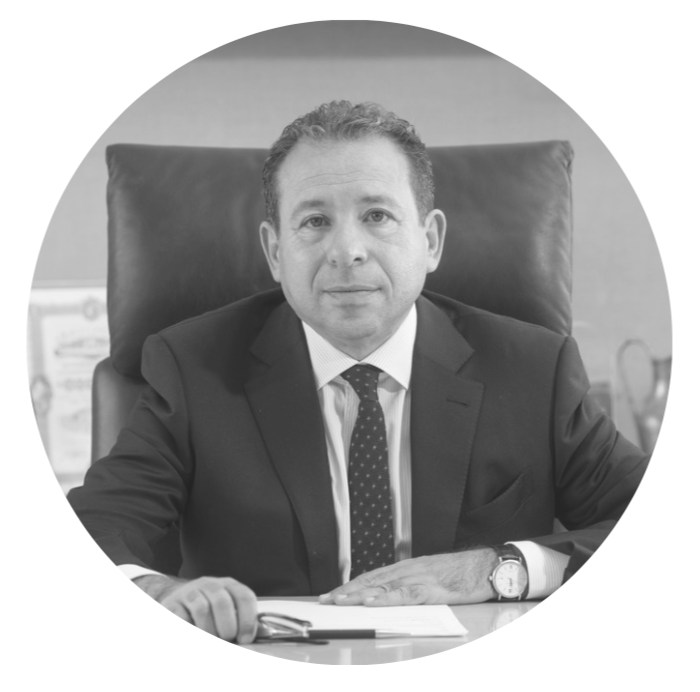
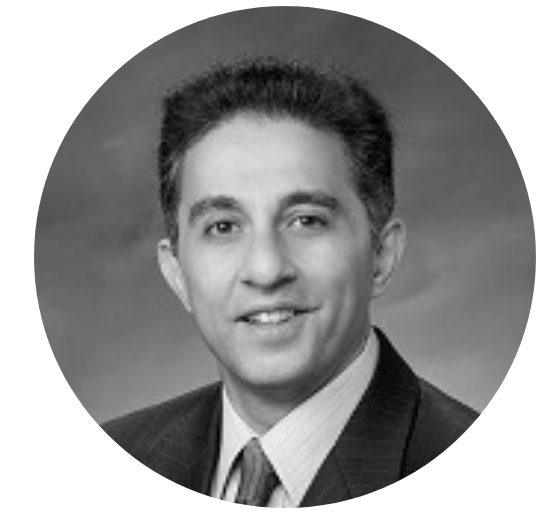
  • Interview: Ayman Ismail, Co-Founder, Chairman, and CEO, Dar Al Mimar Group (DMG)

    Interview: Ayman Ismail, Co-Founder, Chairman, and CEO, Dar Al Mimar Group (DMG)

    Dar Al Mimar Group (DMG) is the largest vertically integrated holding covering real estate development in Egypt. The group focuses on world-class standards and operates in three sectors: engineering, real estate, and hospitality through its subsidiaries. Since 2005 Mountain View is among Egypt’s leading private property development companies. DMG has developed and now manages over…

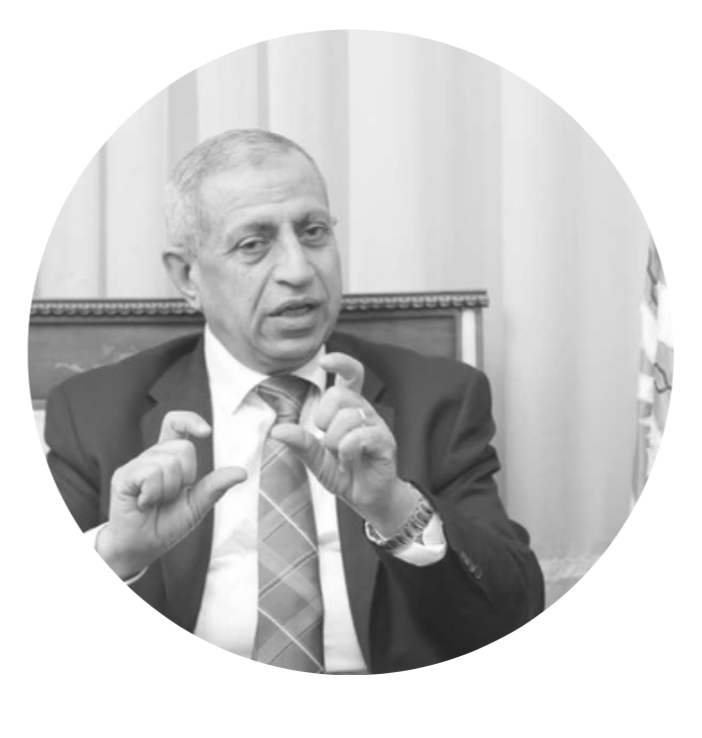
  • Interview: Mohammed Saad Eldin, Chairman, Saad Eldin Group

    Interview: Mohammed Saad Eldin, Chairman, Saad Eldin Group

    Saad Eldin Group. The highly diversified vertically integrated Oil & Gas holding was founded in 1985 and is focused on servicing LPG, LNG, CNG and other industrial gases. Saad Eldin Group subsidiaries and factories are dedicated to manufacturing, filling and delivering of gas cylinders throughout Egypt. Its facilities include gas processing plants, LPG container manufacturing…

  • Interview: Albert Gress, Country Manager Egypt, SDX Energy

    Interview: Albert Gress, Country Manager Egypt, SDX Energy

    SDX Energy is a North Africa focused international E&P business with high margin producing assets and a transformational exploration upside. It engages in the exploration, development, and production of oil and gas primarily in the Arab Republic of Egypt and the Kingdom of Morocco. Net production: 3,237 boe/d, 2P reserves: 13.5 mmboe. The company is cash flow…

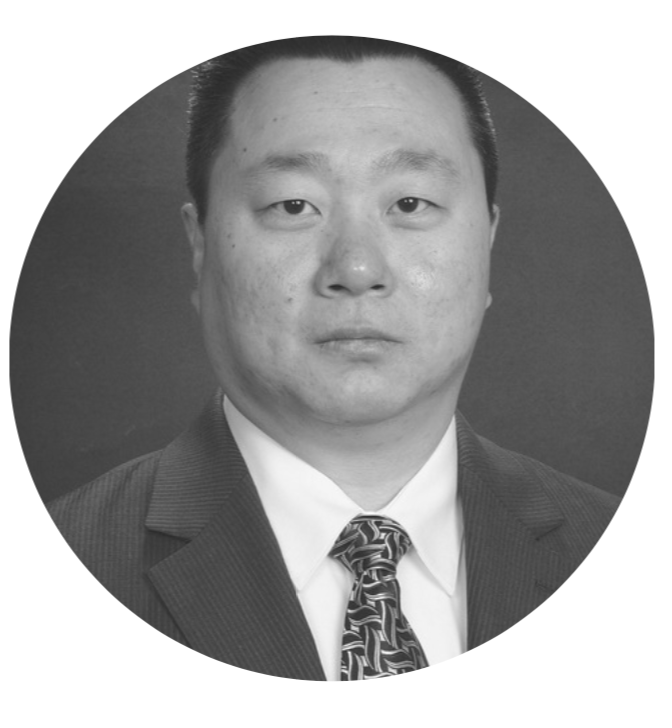
  • Interview: David Chi, Vice President and General Manager, Apache Egypt

    Interview: David Chi, Vice President and General Manager, Apache Egypt

    Apache has 22 years of exploration, development and operations experience in Egypt and is one of the largest acreage holders in Egypt’s Western Desert. Apache has invested more than $1 billion in the Egyptian oil and gas sector during 2018. It remains the largest oil producer in Egypt, one of the largest foreign investors in the country, and in particular the largest American investor in Egypt. Are you optimistic about…

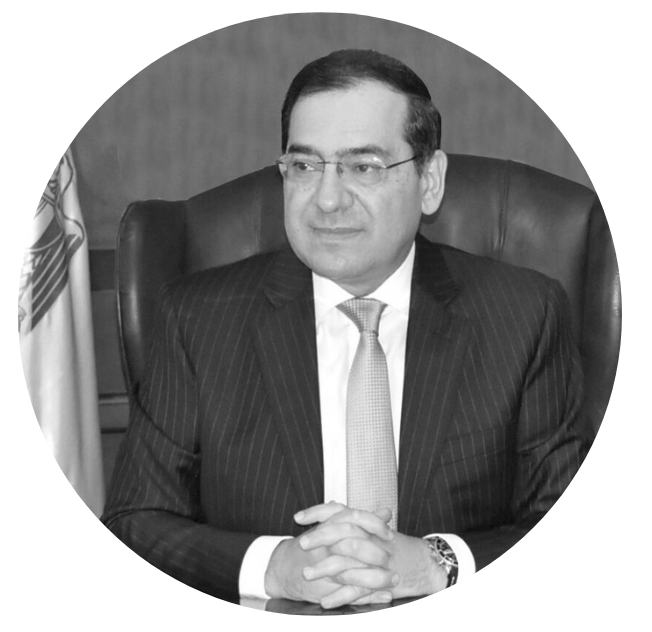
  • Interview: Tarek El Molla, Minister of Petroleum of Egypt

    Interview: Tarek El Molla, Minister of Petroleum of Egypt

    How will natural gas exports contribute to Egypt’s economic acceleration? The current strategy of the Ministry aims at fulfilling the requirements of the local market and completion of the gas development projects. However, to achieve such a vital goal we worked towards increasing production by speeding up the development of the Mediterranean discoveries. Thus, due…

  • Interview: Maged Ezz Eldeen, Country Senior Partner, PwC Egypt

    Interview: Maged Ezz Eldeen, Country Senior Partner, PwC Egypt

    How have Egypt’s economic reforms affected the competitiveness of the economy? Egypt’s unprecedented macroeconomic and business legislation reform measures are bearing positively on the country’s competitive standing. For the first time in eight years, Egypt’s ranking on the global competitiveness report witnessed a significant jump of 15 places in 2017. Underpinning this was a remarkable…

  • Interview: Mr. Mohamed Hamza Talaat, Managing Partner, Baker & McKenzie Egypt – Helmy Hamza & Partners

    Interview: Mr. Mohamed Hamza Talaat, Managing Partner, Baker & McKenzie Egypt – Helmy Hamza & Partners

    A market leader in mergers and acquisitions, project finance and capital markets. Named IFLR Egypt’s “Law Firm of the Year” six times, with its Cairo office, ranked Tier 1 by IFLR1000, Legal500 and Chambers & Partners for Banking & Finance and M&A. With 40 years’ experience in the local market, they are the go-to firm…

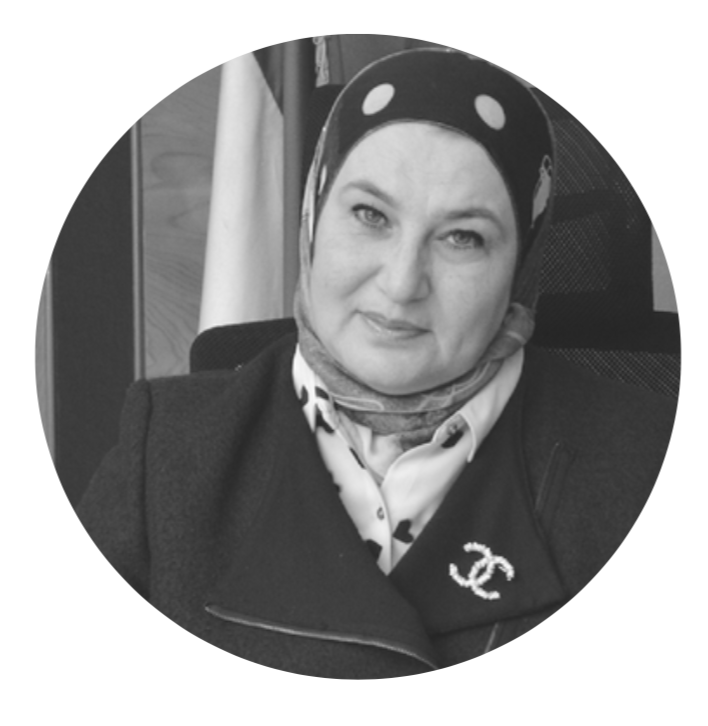
  • Interview: Hala Helmy El-Saeed, Minister of Planning and Administrative Reform of Egypt

    Interview: Hala Helmy El-Saeed, Minister of Planning and Administrative Reform of Egypt

    The Ministry of Planning, Monitoring and Administrative Reform’s vision is to ensure efficient planning and management of the state’s public investments. It seeks sustainable economic development by ensuring the state’s administrative body becomes increasingly more effective, efficient, and capable of managing state resources to provide quality services to citizens. How do you assess Vision 2030’s…

  • Interview: Mohamed Farid, Chief executive officer, The Egyptian Exchange (EGX)

    Interview: Mohamed Farid, Chief executive officer, The Egyptian Exchange (EGX)

    Egypt’s stock exchange, the Egyptian Exchange (EGX), comprises two exchanges, Cairo and Alexandria. How do you assess the EGX performance? In 2017 the EGX had five initial public offerings (IPO) amounting to 4 billion with 46% being demanded by foreign investors. In 2018 we saw three IPO’s. In 2019 we will see several primary offerings from the public sector include: Banque du…

  • The Ministry of Health is implementing an ambitious plan to develop and modernize public hospitals and treatment centers throughout Egypt

    The Ministry of Health is implementing an ambitious plan to develop and modernize public hospitals and treatment centers throughout Egypt

    According to the United Nations, Egypt’s population surpassed 100 million in 2018. This has caused health infrastructure to suffer under the pressure of the growing population.  In 2014 Egypt had 1.5 beds per 1 000 of the population, this decreased to 1.46 in 2015 and 1.36 in 2016. Egypt’s infrastructure and services require exponential growth…

  • Fastest growing tourist destination globally

    Fastest growing tourist destination globally

    The government is actively pushing to reposition Egypt’s tourism and return it to its pre-revolution glory days. Egypt’s tourism sector has historically been a vital driver of the economy and a critical source of foreign currency. Its historical heritage has and will continue to attract global wonder which in itself has caused underinvestment in crucial…

  • Egypt’s education system is by far the largest in the region

    Egypt’s education system is by far the largest in the region

    Private non-profit education institutions are increasingly taking the lead and spearheading quality education in Egypt. Since 2014, Egypt’s focus on improving the private and public education sector has increased significantly. Vision 2030 has called for an overhaul of the current educational system and looks ambitious and promising. Serious efforts to modernize the education sector from…

  • Egypt is considered one of the fastest-growing offshore destinations in the world and its BPO and IT industries are gaining global market share

    Egypt is considered one of the fastest-growing offshore destinations in the world and its BPO and IT industries are gaining global market share

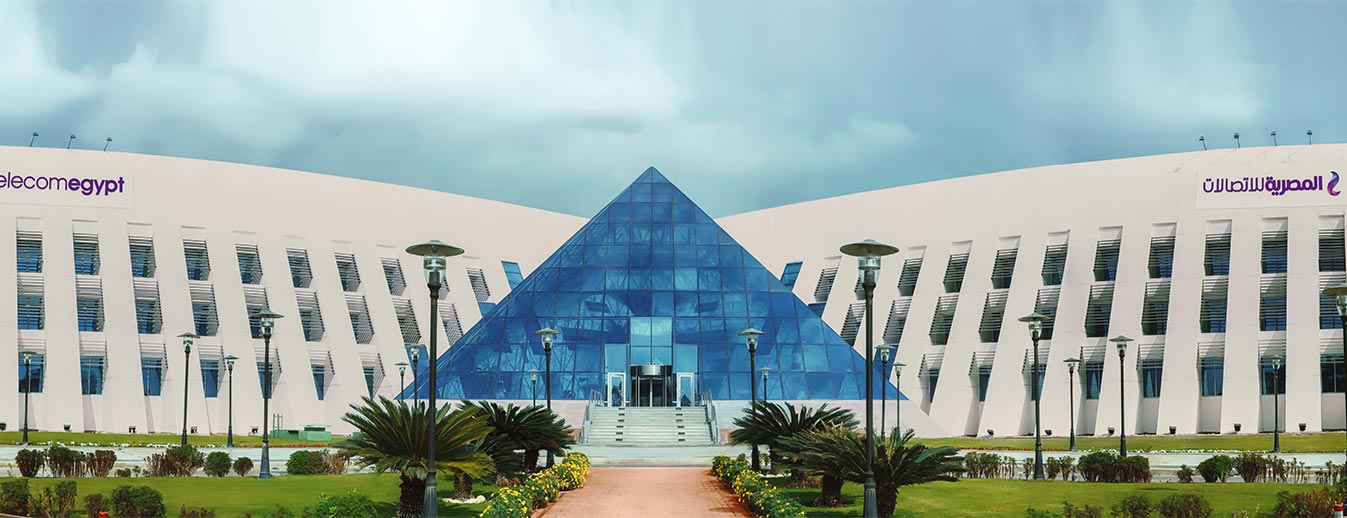
    Egypt’s ICT sector is one of the fastest economic contributors to GDP. The overall revenues for the sector in 2018 surpassed EUR 4 000 million and are expected to reach EUR 5 100 million by 2020. The growth rate reached 14.1% in 2017/2018, against 12.5% in 2016/2017 The government has invested heavily in telecom infrastructure.…

  • Eight percent of global shipping transits Egypt’s Suez Canal

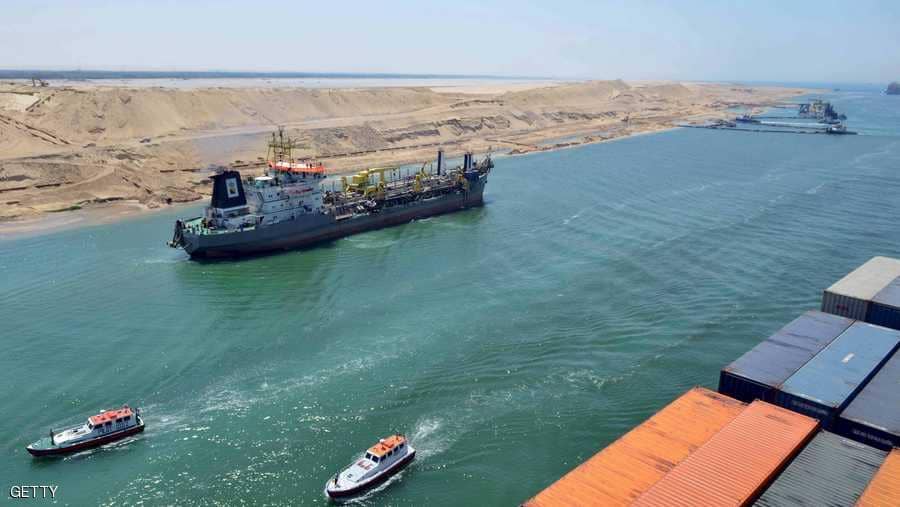
    Eight percent of global shipping transits Egypt’s Suez Canal

    The Egyptian government is implementing an ambitious strategy to improve and develop the transport sector to enhance the state resources and benefit on Egypt’s strategic location. Egypt has 108 000 kilometers of roads and 9 750 kilometers of railways, along with 20 airports, 15 harbors and a series of land ports. Transport and logistics represented…

  • New sector specific mega industrial zones in Egypt seek to improve valued added export capabilities

    New sector specific mega industrial zones in Egypt seek to improve valued added export capabilities

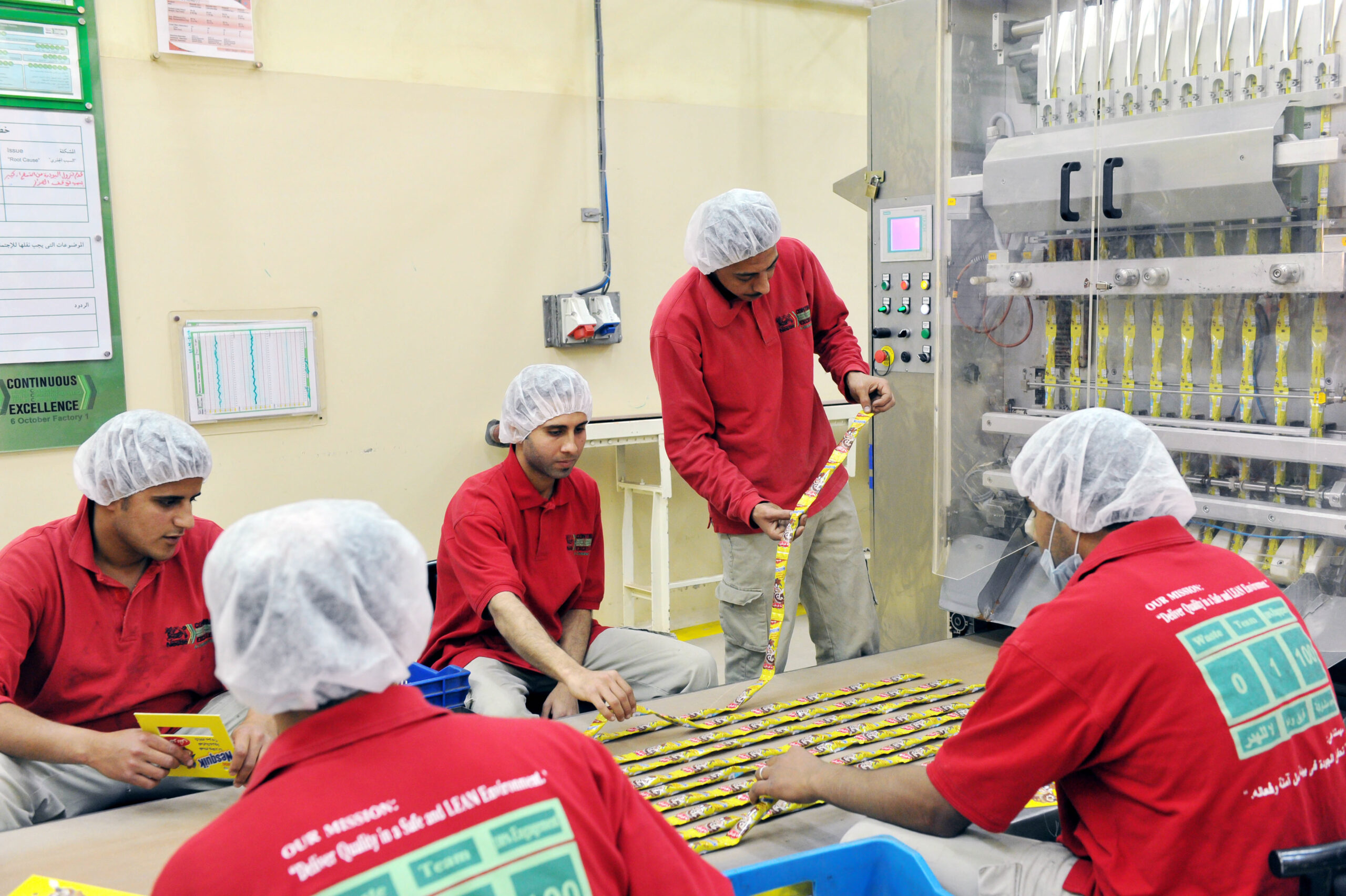
    Egypt streamlined its industrial licensing processes to boost investment. They slash bureaucracy and decrease the waiting time for new projects. The industry sector is the second biggest economic sectors in the country representing more than a third of the GDP and more than 13% of the total labor force. In 2014, Egypt started a series…

  • New Administrative Capital in Cairo

    New Administrative Capital in Cairo

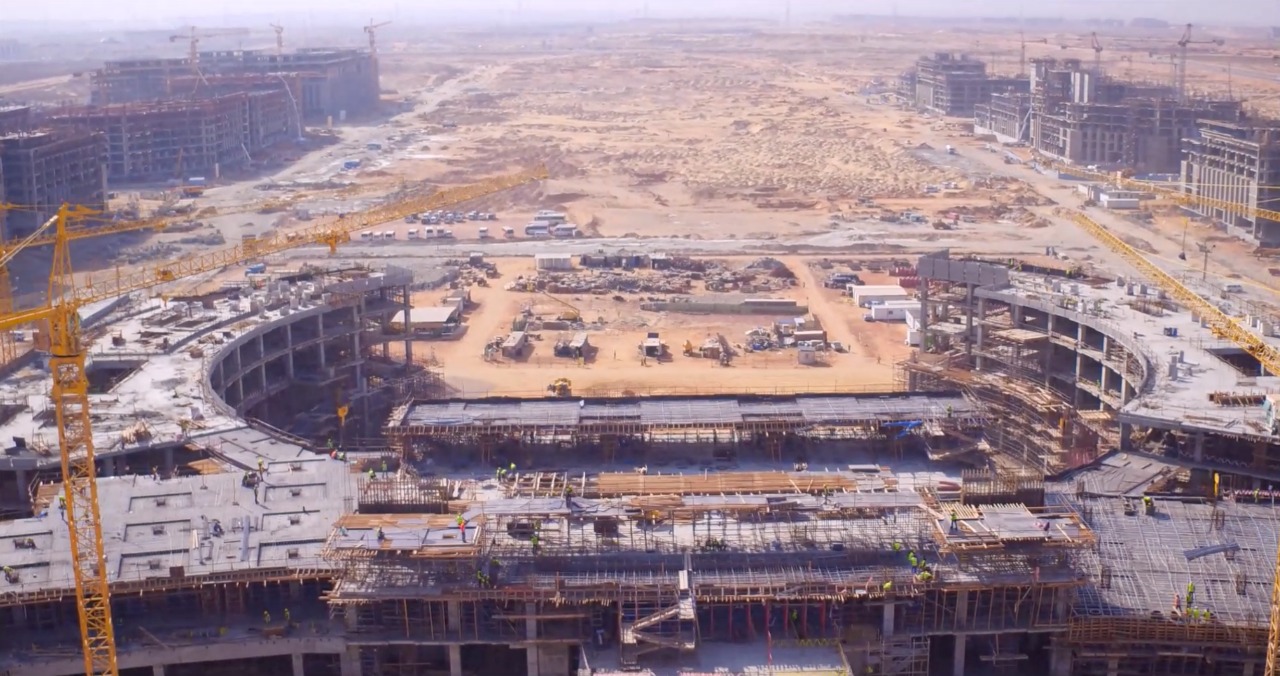
    Since the day the Pharaohs commissioned the Great Pyramids of Giza, Egypt has been home to vast mega-projects. Today is no exception, with the Suez Canal to the ongoing New Administrative Capital, presented as the biggest planned city of all time, Egypt has been living up to its Ancient ancestors. In March 2015, Egyptian Minister…

  • A growing population in Egypt demands quality housing

    A growing population in Egypt demands quality housing

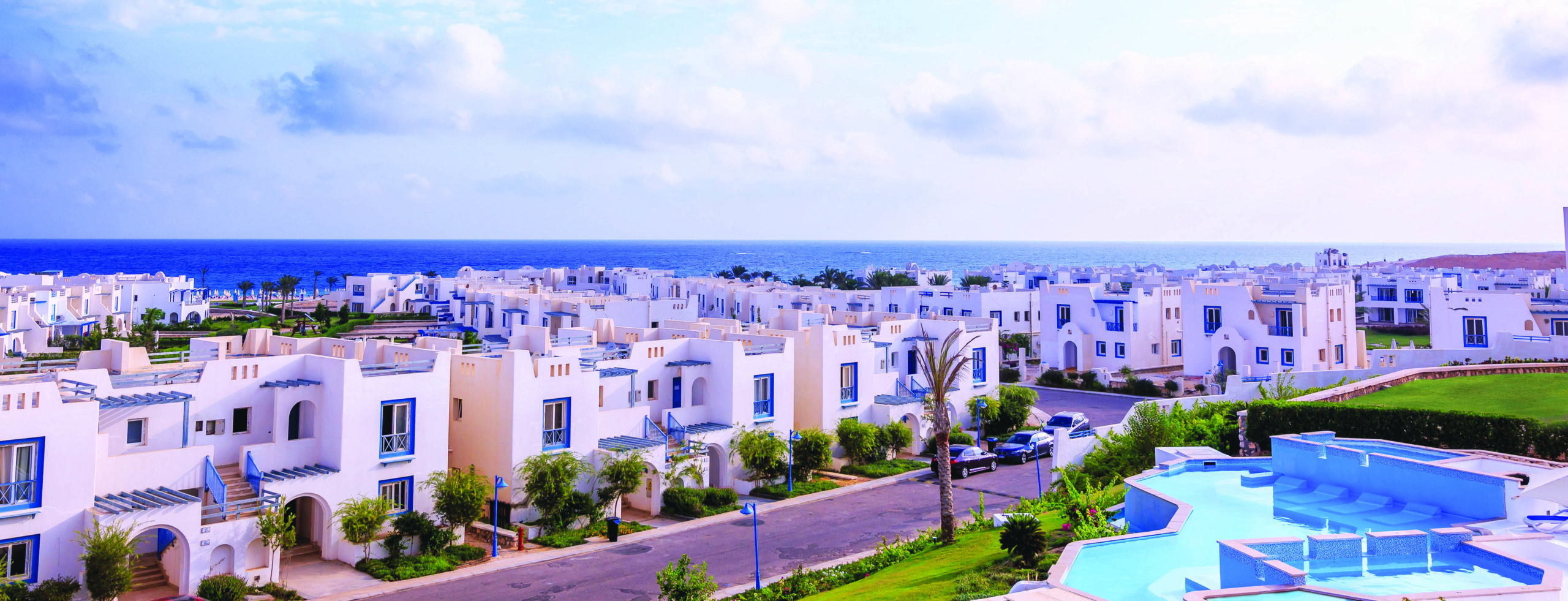
    One of the best solutions for Egypt’s constant overpopulation of cities has been urban expansion. It is part of an ambitious government plan to build new cities on the outskirts of every major governorate in Egypt. The Egyptian real estate sector has historically proven resilient to economic and political tensions over the past decade and…

  • Becoming an Energy Hub: From blackouts to exports, the Egyptian energy sector has made a complete 360 in the past five years

    Becoming an Energy Hub: From blackouts to exports, the Egyptian energy sector has made a complete 360 in the past five years

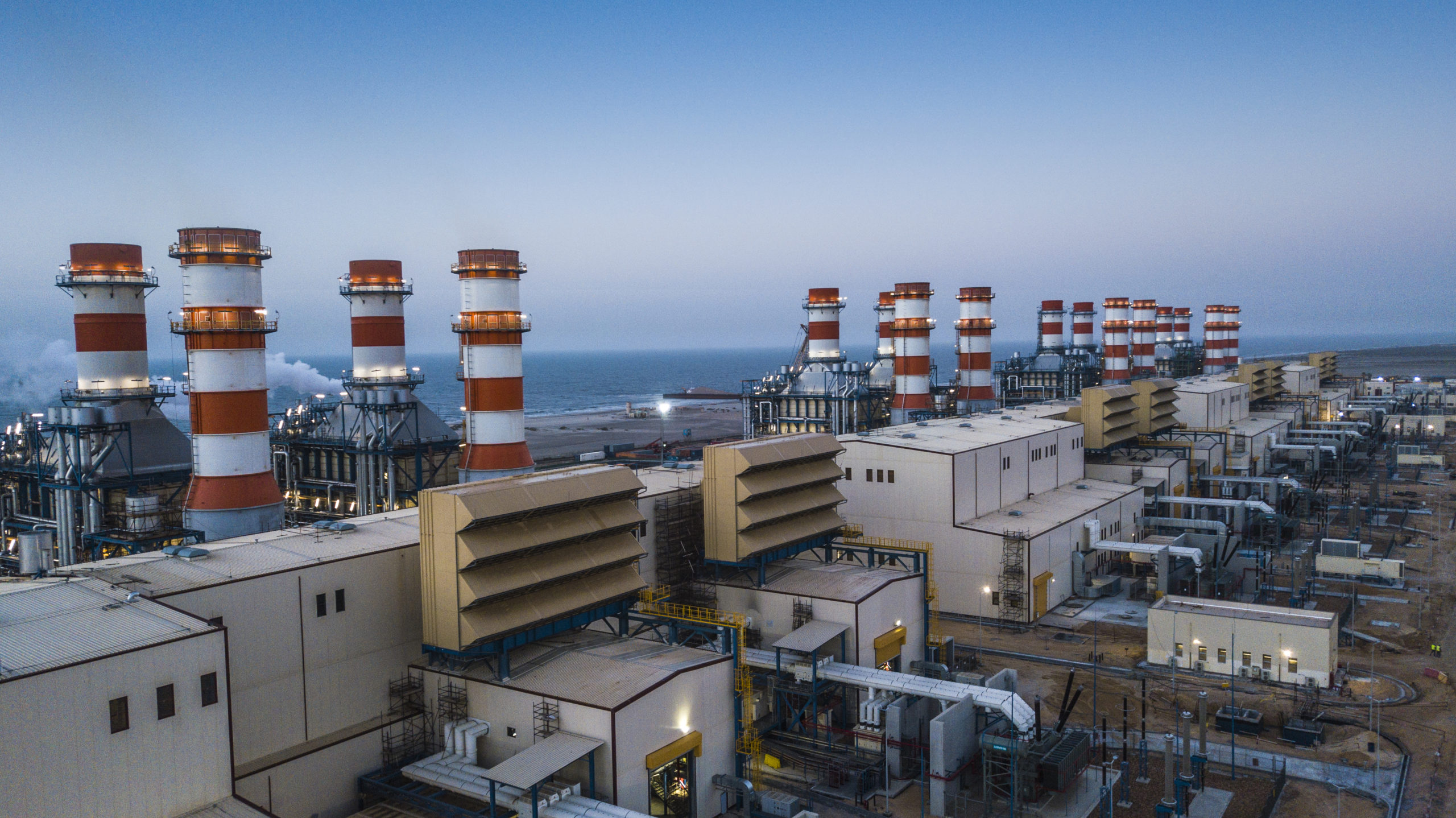
    Egypt’s oil and gas sector was on a downward spiral for years due to the impact of the Arab Spring, the unfolding of the Muslim Brotherhood, and the military coup. The country could not even keep its lights on five years ago. In 2013, due to a series of blackouts, factories were forced to shut…

  • Zohr: Massive new natural gas discoveries in the Mediterranean will meet and exceed Egypt’s national demand for years.

    Zohr: Massive new natural gas discoveries in the Mediterranean will meet and exceed Egypt’s national demand for years.

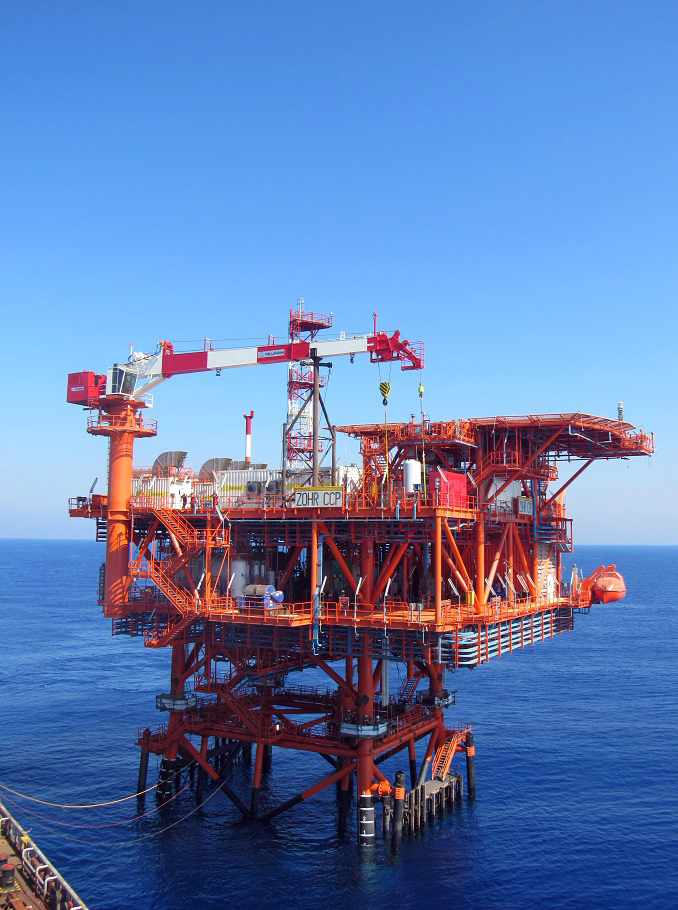
    Egypt is the third-largest dry natural gas producer on the continent and the largest non-OPEC oil producer in Africa. In addition, the Suez Canal and Suez-Mediterranean Pipeline (SUMED) are strategic high-security global transit routes for oil shipped from the GCC to Europe and the United States.  Egypt is the most populous country in North Africa,…

  • Egypt’s growing population is reinforcing economic growth while severely straining national resources

    Egypt’s growing population is reinforcing economic growth while severely straining national resources

    Egypt’s demographic boom has been a blessing to the economy. As the largest consumer market in the Middle East every sector of the economy can confidently expect sales to increase backed by national demographic trends. The needs of the growing population provide massive investment potential, and the private sector continues to find new opportunities to…

  • New Investment Law in Egypt

    New Investment Law in Egypt

    The landmark new investment law, ratified in 2017, changed the landscape of business in Egypt. The law has modernized and reduced barriers to how international companies invest and operate in Egypt, offering incentives, simplifying the processes, guaranteeing protection from decisions that are arbitrary or capricious, and providing new tools to ease establishing, starting and operating…

  • Egypt’s economic fundamentals are improving, and at 5.4% GDP growth it is the fastest growing country in the region

    Egypt’s economic fundamentals are improving, and at 5.4% GDP growth it is the fastest growing country in the region

    Egypt is the regions fifth-largest economy and increasingly on the global investment map. According to the International Monetary Fund Egypt was the third largest economy in Africa with a GDP of EUR 208 682 million in 2017 after Nigeria’s EUR 331 061 million and South Africa at EUR 304 642 million. Egypt’s economic fundamentals in…

  • Egypt’s evolving socio-economic dynamics evolve amongst social and religious frictions

    Egypt’s evolving socio-economic dynamics evolve amongst social and religious frictions

    Historically, the Arab Republic of Egypt has been fundamental to the development of the Middle East and North Africa. To this day, Egyptian political thought and cultural influence echoes throughout MENA. Egypt remains an influential actor in the region, pushing towards the path of further economic and political stability.   History: It is impossible to…

  • Sustainable Development Strategy: Egypt Vision 2030

    Sustainable Development Strategy: Egypt Vision 2030

    “The new Egypt will possess a competitive, balanced and diversified economy, dependent on innovation and knowledge, based on justice, social integrity and participation, characterized by a balanced and diversified ecological collaboration system, investing the ingenuity of place and humans to achieve sustainable development and to improve Egyptians’ life quality,” Egypt Vision 2030 Sustainable Development Strategy.…