Developing a Holistic Approach to Healthcare Through Oral Care

In the 18th century, before modern dentistry, the population relied on a local blacksmith or barber for teeth extraction. Since then, the field drastically evolved, and in no small part thanks to Zurich University, which was the first state institution in the world to offer a doctoral degree in dental medicine. Switzerland continues to contribute to advancing global medicine in the 21st century, and Swiss healthcare providers offer remarkably insightful solutions.

As our understanding of the field increases, the debate over the role of oral health in healthcare is growing in parallel. The dental profession has evolved independently from the rest of the medical system, and conflicts of interest abound. The industry revolves around expensive treatments alleviating pain or restoring crooked, yellow teeth. Therefore, dental care is often perceived by society as a luxury associated with beauty more than basic healthcare.

While tooth decay naturally occurs as we age, society deeply judges teeth aesthetics and stigmatizes those with dental problems. Sociologists have long studied the social implications and economic effects of poor oral health. They find tooth decay has profound consequences for how an individual is perceived. Studies show that hiring managers associate individuals suffering from dental problems with low socioeconomic status and lower intelligence. It has a direct long-term impact on careers and remuneration.

Beyond aesthetics, mouth and teeth maintenance play an essential role in human health. Oral complications cascade into a range of health problems. Periodontal disease can lead to cancer or cardiovascular diseases, amongst other complications. There is a causal explanation of how oral health issues lead to other illnesses. When minor wounds cause gingival bleeding in the mouth, bacteria originating from oral infections enter the bloodstream and are transported to the brain, heart, lungs, and other organs, leading to severe repercussions.

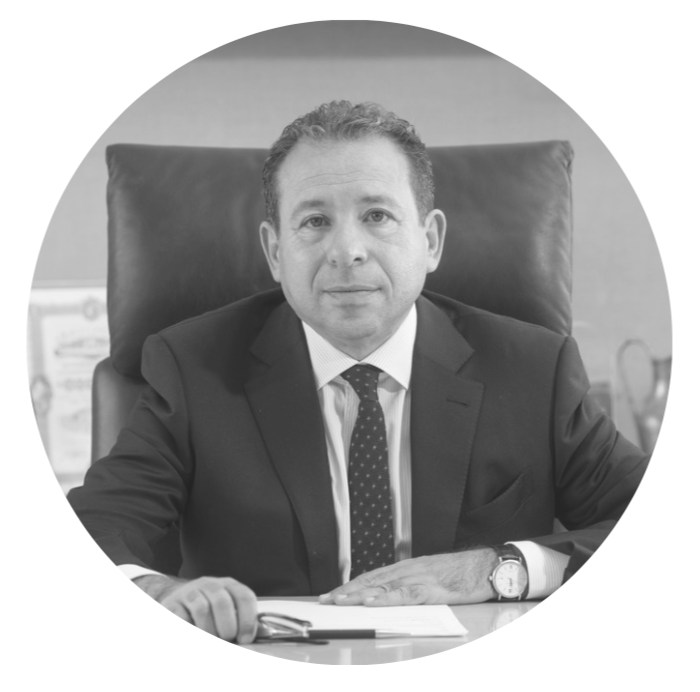
Ueli Breitschmid, CEO of Swiss dental company Curaden, is a passionate supporter of prophylaxis and supports preemptive action to prevent disease. He has long advocated that basic preventive care can resolve most problems before they start.

Ueli Breitschmid, CEO, Curaden

“Simple prophylaxis measures in oral care designed to preserve oral health, such as effective non-traumatic brushing of critical areas, also prevent the spread of disease. While being affordable, easily accessible, and effective, preventive measures can have an outsized impact on national healthcare spending. They reduce sickness and long term non-communicable diseases (NCDs). Such basic disease-preventing care can even lower federal healthcare costs by 30 percent in the long run,” stated Breitschmid.

Breitschmid has been on a mission to improve well-being through the family-owned company his father founded in 1954. Curaden is a fast-growing dental health company, which under the brand Curaprox, develops oral care products and services to improve lifelong oral health.

Ueli Breitschmid highlighted how, “Better hygiene, education, and simple follow-up care is all that is needed to avoid expensive procedures like periodontal treatments later in life, which even require long-term lifetime aftercare. People often underestimate the importance of cleaning hard-to-access interdental spaces, and neglecting vulnerable parts of the mouth, which leads to non-dental health issues. Changing one’s oral hygiene routine can reduce illnesses, including some related to nutrition. The future of healthcare is in prevention, and Curaden is becoming a major player of preventive thinking in the medical community, and an active partner for consumers. The ambition is to empower consumers through a range of preventive care products and support dental professionals in establishing ways to ensure that the prophylaxis services they offer are profitable and effective.”

A simple yet effective dental prophylaxis tool manufactured in Switzerland by Curaden and exported globally is its range of colorful manual toothbrushes. They have become an unmistakable Swiss design icon. The timeless classic design incorporates a tremendous number of modern bristles made of ultra-thin filaments with soft rounded ends that prevent common brushing damage.

A more contemporary approach is the electric toothbrush, which was invented in Switzerland. Modern electric toothbrushes are effective at removing plaque through vibration and oscillation. The newest developments in this field are ultrasonic toothbrushes, which create micro-bubbles that gently remove bacteria biofilm through sonic vibrations. Curaden recommends their Hydroponic electric toothbrush to people with periodontal disease, bacterial plaque, or a history of dental decay.

“Switzerland can continuously innovate thanks to an impressive ecosystem that encourages knowledge transfer between academia and the private sector.”

Christine Breitschmid, Sales Manager, Curaprox Switzerland

According to Christine Breitschmid, Sales Manager Curaprox Switzerland, “Switzerland can continuously innovate thanks to an impressive ecosystem that encourages knowledge transfer between academia and the private sector. In addition, the national apprenticeship arrangement benefits the ecosystem tremendously by instilling practical knowledge that enables future generations to succeed. When it comes to Curaden, we proudly mentor several apprentices and try to contribute to Switzerland’s innovative ecosystem. While the Pentagon’s state-of-the-art hypersonic missile technology is more advanced than our Hydrosonic toothbrush, Curaden strives for Switzerland to bring new levels of know-how to oral health.”
More Articles

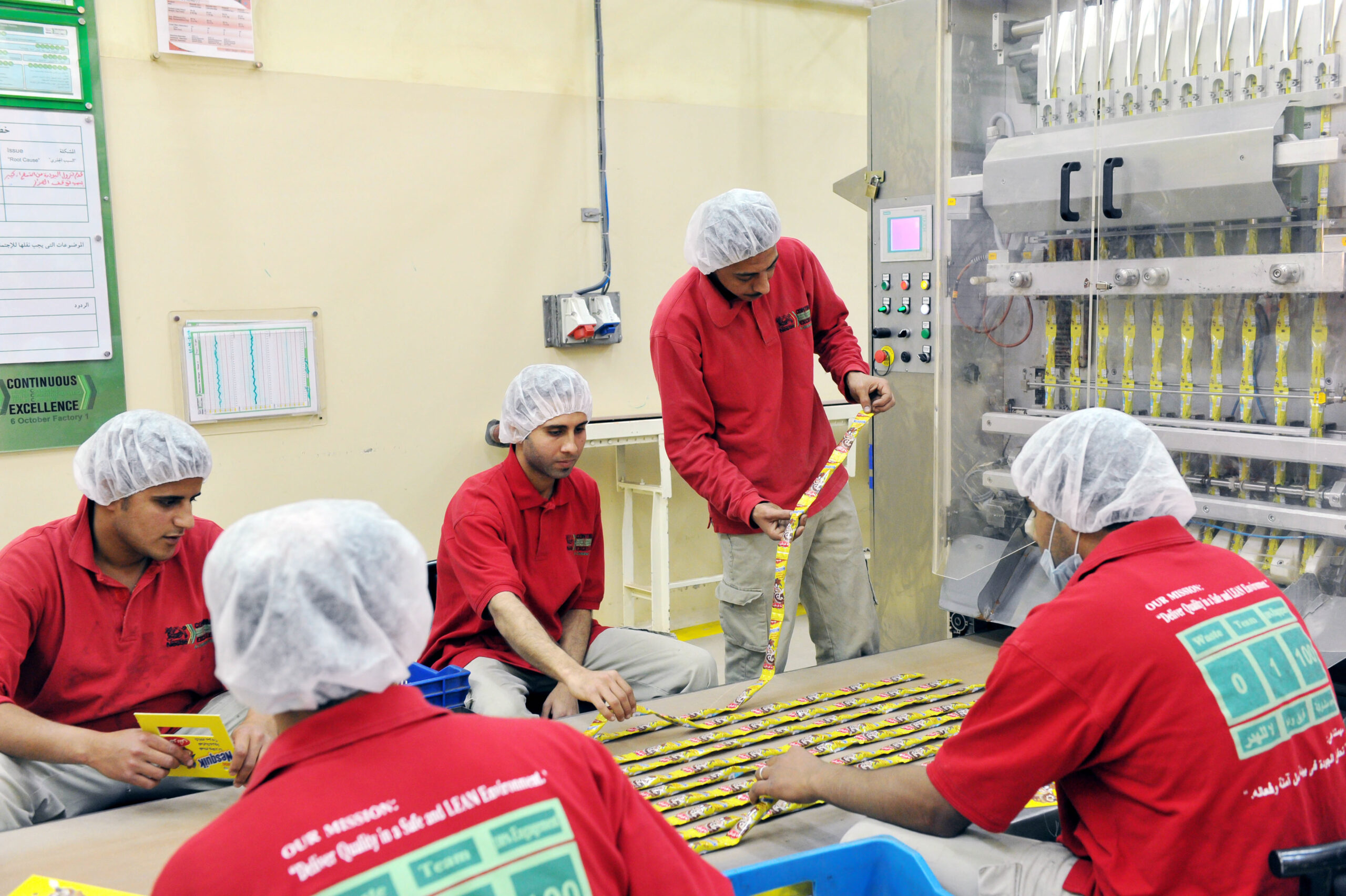
  • Egypt is considered one of the fastest-growing offshore destinations in the world and its BPO and IT industries are gaining global market share

    Egypt is considered one of the fastest-growing offshore destinations in the world and its BPO and IT industries are gaining global market share

    Egypt’s ICT sector is one of the fastest economic contributors to GDP. The overall revenues for the sector in 2018 surpassed EUR 4 000 million and are expected to reach EUR 5 100 million by 2020. The growth rate reached 14.1% in 2017/2018, against 12.5% in 2016/2017 The government has invested heavily in telecom infrastructure.…

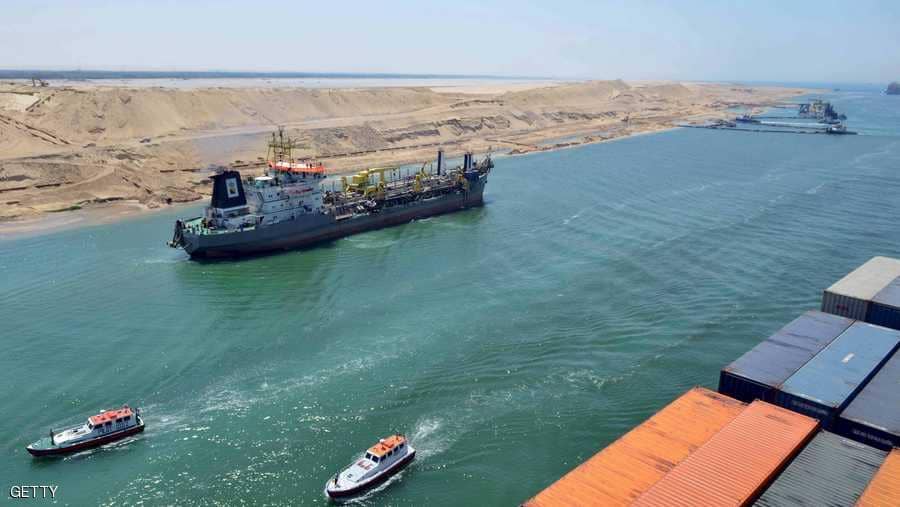
  • Eight percent of global shipping transits Egypt’s Suez Canal

    Eight percent of global shipping transits Egypt’s Suez Canal

    The Egyptian government is implementing an ambitious strategy to improve and develop the transport sector to enhance the state resources and benefit on Egypt’s strategic location. Egypt has 108 000 kilometers of roads and 9 750 kilometers of railways, along with 20 airports, 15 harbors and a series of land ports. Transport and logistics represented…

  • New sector specific mega industrial zones in Egypt seek to improve valued added export capabilities

    New sector specific mega industrial zones in Egypt seek to improve valued added export capabilities

    Egypt streamlined its industrial licensing processes to boost investment. They slash bureaucracy and decrease the waiting time for new projects. The industry sector is the second biggest economic sectors in the country representing more than a third of the GDP and more than 13% of the total labor force. In 2014, Egypt started a series…

  • New Administrative Capital in Cairo

    New Administrative Capital in Cairo

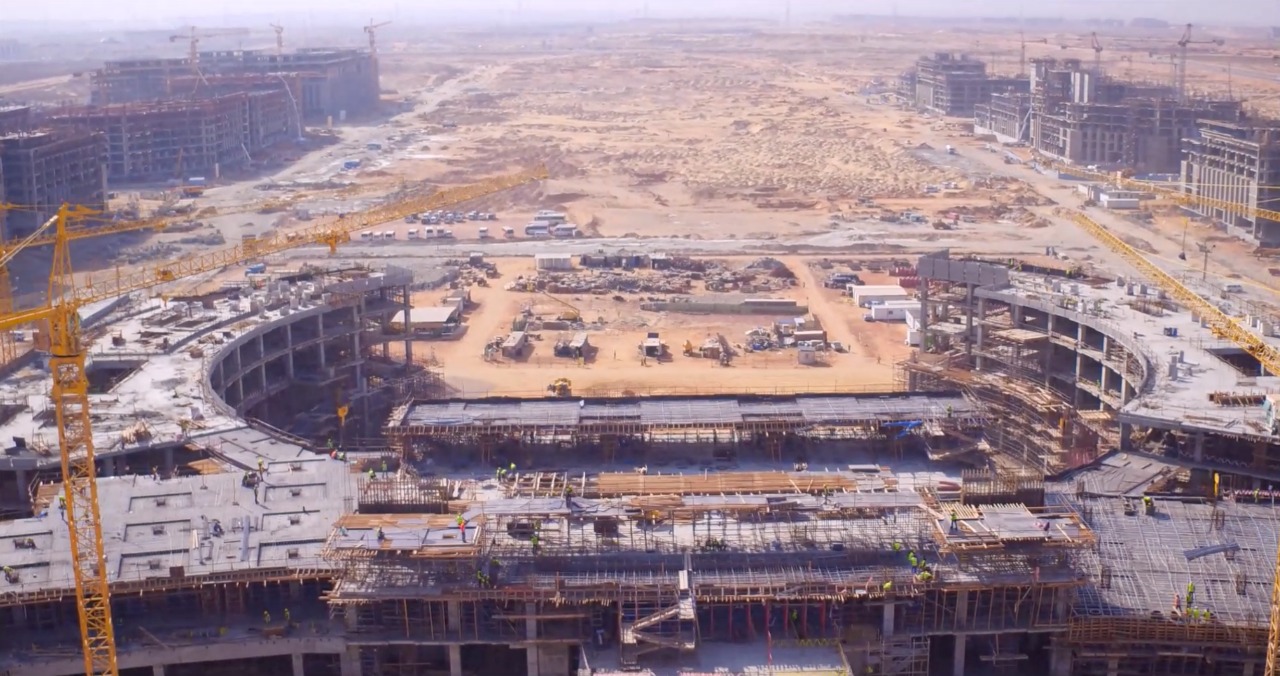
    Since the day the Pharaohs commissioned the Great Pyramids of Giza, Egypt has been home to vast mega-projects. Today is no exception, with the Suez Canal to the ongoing New Administrative Capital, presented as the biggest planned city of all time, Egypt has been living up to its Ancient ancestors. In March 2015, Egyptian Minister…

  • A growing population in Egypt demands quality housing

    A growing population in Egypt demands quality housing

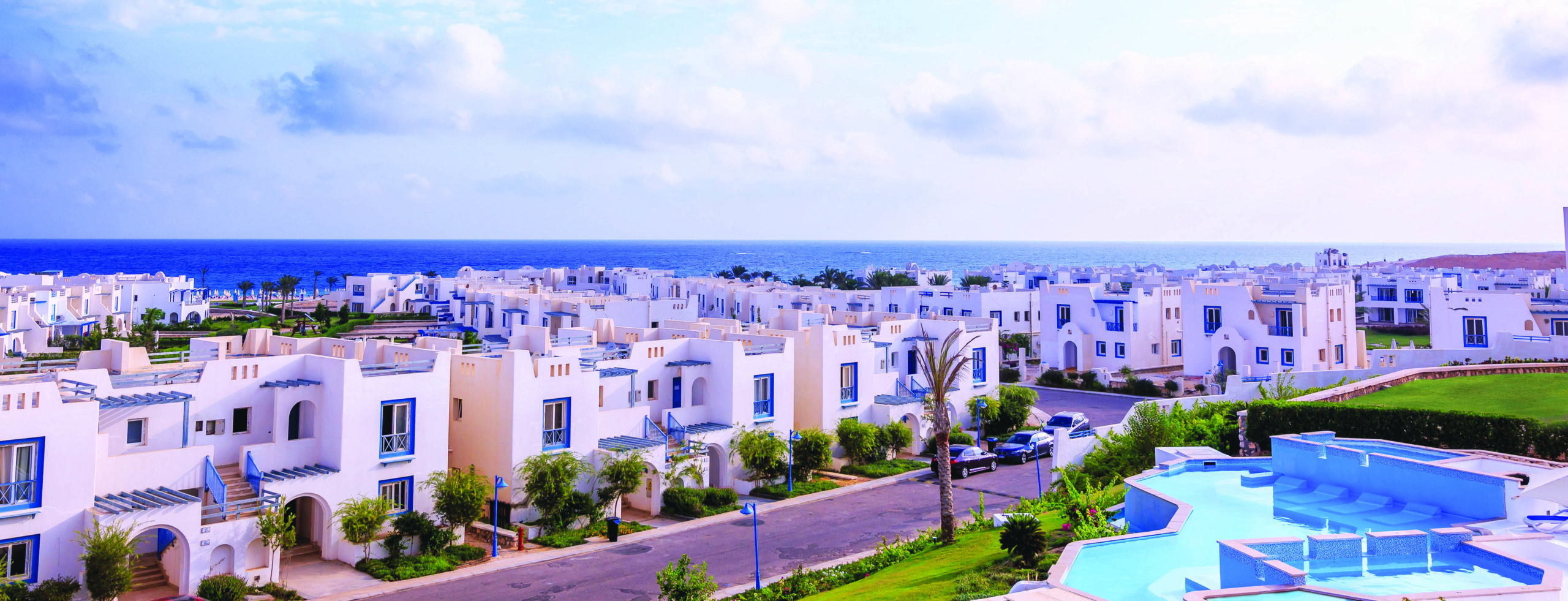
    One of the best solutions for Egypt’s constant overpopulation of cities has been urban expansion. It is part of an ambitious government plan to build new cities on the outskirts of every major governorate in Egypt. The Egyptian real estate sector has historically proven resilient to economic and political tensions over the past decade and…

  • Becoming an Energy Hub: From blackouts to exports, the Egyptian energy sector has made a complete 360 in the past five years

    Becoming an Energy Hub: From blackouts to exports, the Egyptian energy sector has made a complete 360 in the past five years

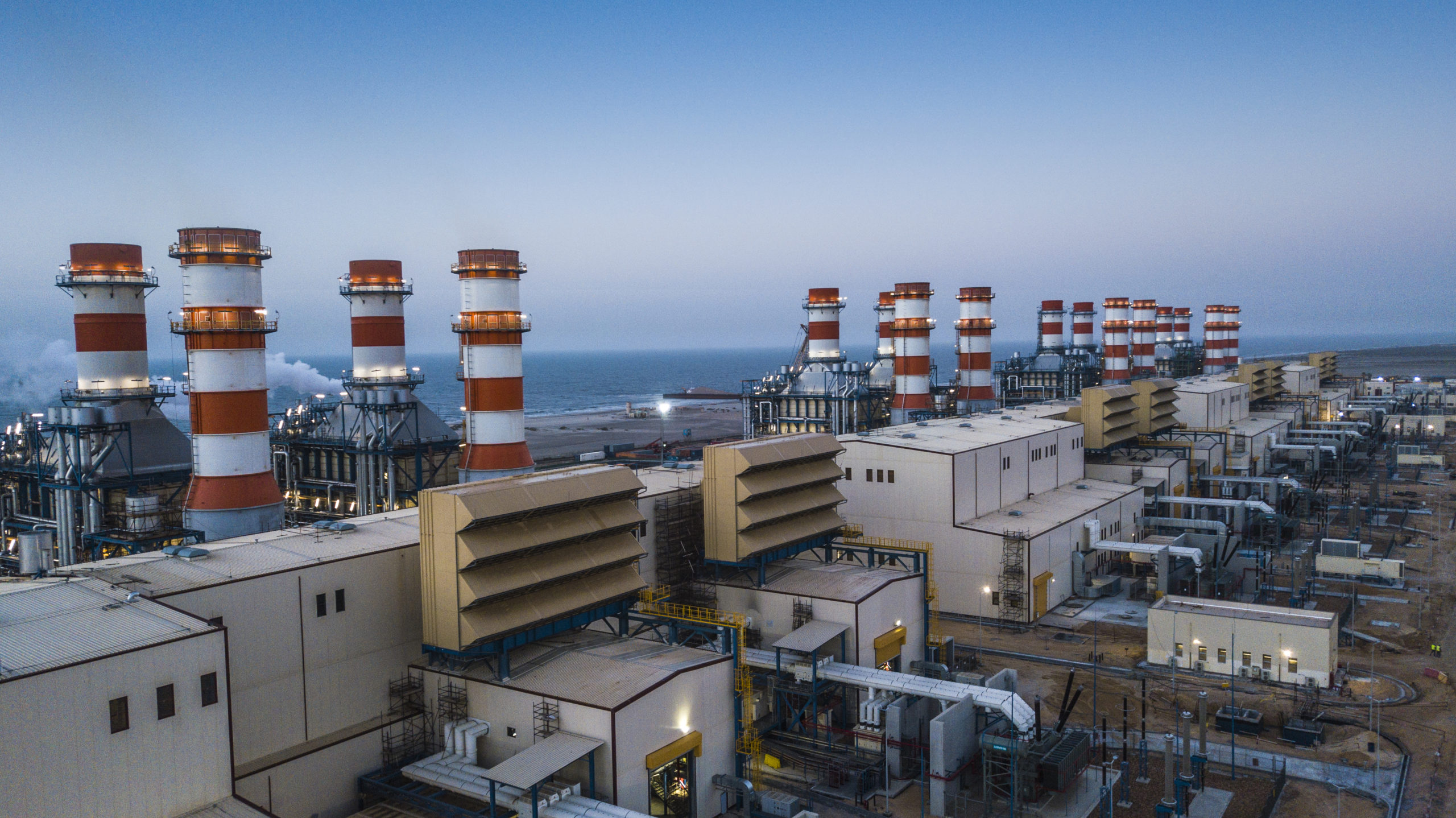
    Egypt’s oil and gas sector was on a downward spiral for years due to the impact of the Arab Spring, the unfolding of the Muslim Brotherhood, and the military coup. The country could not even keep its lights on five years ago. In 2013, due to a series of blackouts, factories were forced to shut…

  • Zohr: Massive new natural gas discoveries in the Mediterranean will meet and exceed Egypt’s national demand for years.

    Zohr: Massive new natural gas discoveries in the Mediterranean will meet and exceed Egypt’s national demand for years.

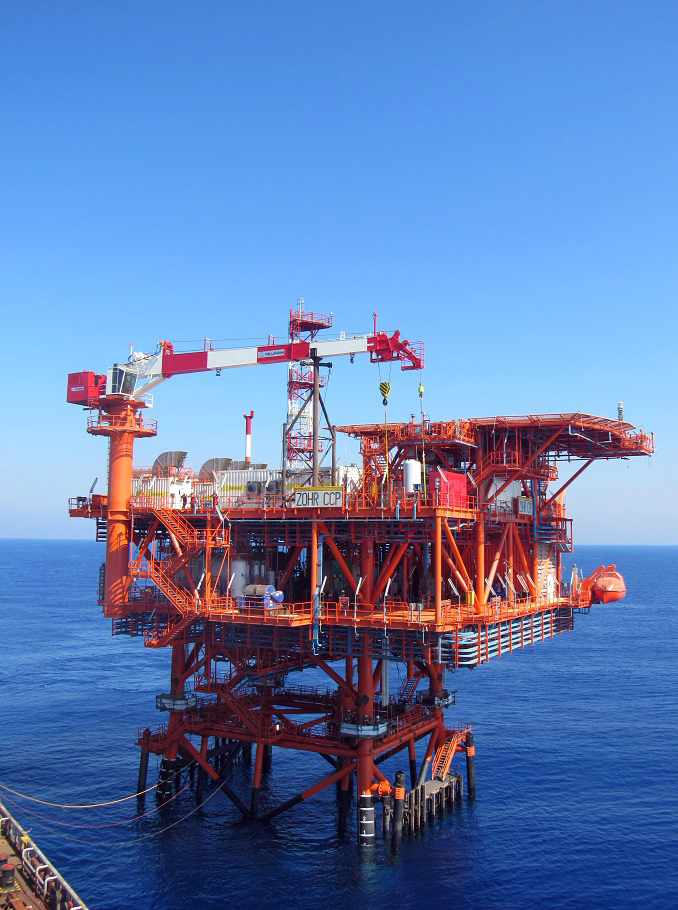
    Egypt is the third-largest dry natural gas producer on the continent and the largest non-OPEC oil producer in Africa. In addition, the Suez Canal and Suez-Mediterranean Pipeline (SUMED) are strategic high-security global transit routes for oil shipped from the GCC to Europe and the United States.  Egypt is the most populous country in North Africa,…

  • Egypt’s growing population is reinforcing economic growth while severely straining national resources

    Egypt’s growing population is reinforcing economic growth while severely straining national resources

    Egypt’s demographic boom has been a blessing to the economy. As the largest consumer market in the Middle East every sector of the economy can confidently expect sales to increase backed by national demographic trends. The needs of the growing population provide massive investment potential, and the private sector continues to find new opportunities to…

  • New Investment Law in Egypt

    New Investment Law in Egypt

    The landmark new investment law, ratified in 2017, changed the landscape of business in Egypt. The law has modernized and reduced barriers to how international companies invest and operate in Egypt, offering incentives, simplifying the processes, guaranteeing protection from decisions that are arbitrary or capricious, and providing new tools to ease establishing, starting and operating…

  • Egypt’s economic fundamentals are improving, and at 5.4% GDP growth it is the fastest growing country in the region

    Egypt’s economic fundamentals are improving, and at 5.4% GDP growth it is the fastest growing country in the region

    Egypt is the regions fifth-largest economy and increasingly on the global investment map. According to the International Monetary Fund Egypt was the third largest economy in Africa with a GDP of EUR 208 682 million in 2017 after Nigeria’s EUR 331 061 million and South Africa at EUR 304 642 million. Egypt’s economic fundamentals in…

  • Egypt’s evolving socio-economic dynamics evolve amongst social and religious frictions

    Egypt’s evolving socio-economic dynamics evolve amongst social and religious frictions

    Historically, the Arab Republic of Egypt has been fundamental to the development of the Middle East and North Africa. To this day, Egyptian political thought and cultural influence echoes throughout MENA. Egypt remains an influential actor in the region, pushing towards the path of further economic and political stability.   History: It is impossible to…

  • Egypt EU Trade relations improving

    Egypt EU Trade relations improving

    The European Union remains Egypt’s largest investors Three-quarters of foreign direct investment come from EU states, and trade represents a third of the country’s GDP. The has been constant EU assistance and partnership programs since 1998, which established stable relations between Egypt and the EU. The Association Agreement was the most effective agreement when it…

  • Interview: Osama Bishai, Chief Executive Officer, Orascom Construction

    Interview: Osama Bishai, Chief Executive Officer, Orascom Construction

    Orascom Construction is a leading global engineering and construction contractor primarily focused on infrastructure, industrial and high-end commercial projects in the Middle East, North Africa, the United States, and the Pacific Rim for public and private clients. The Group also develops and invests in infrastructure opportunities. What is your outlook for Egypt’s economy? We see incredibly…

  • Interview: Prof Ismail Abdel Ghaffar Ismail, President, Arab Academy for Science, Technology and Maritime Transport  (AASMT)

    Interview: Prof Ismail Abdel Ghaffar Ismail, President, Arab Academy for Science, Technology and Maritime Transport (AASMT)

    The Arab Academy for Science, Technology & Maritime Transport is a regional university operated by the Arab League which runs programs in marine transportation, business, engineering and is quickly growing its curriculum to ensure recent graduates meet labor market requirements. Established in 1972, the multi-purpose & multi-task institution specialized on offering its services to Arab…

  • Interview: Mervat Sultan, Chairperson, Export Development Bank of Egypt (EBE)

    Interview: Mervat Sultan, Chairperson, Export Development Bank of Egypt (EBE)

    Export Development Bank of Egypt (EBE) was established for the purpose of boosting Egyptian exports. The Bank offers banking and financial services to encourage the export activities of the agricultural, industrial, commercial and services sectors. One of the main business lines and activities of the Bank is the Corporate Banking and Loan Syndication Activities.  How…

  • Interview: Ahmed Hafez, CEO, Ideal Standard MENA

    Interview: Ahmed Hafez, CEO, Ideal Standard MENA

    Ideal Standard designs, manufactures and supplies bathroom innovations for residential, commercial and institutional buildings. They operate through 47 factories around the globe, 6 of which are in Egypt’s 10th of Ramadan City. Ideal standard has had a MENA region presence since the 1960s and is celebrating its 35th anniversary in the Egyptian market. How do…

  • Interview: Basil El Baz, CEO, Carbon Holdings

    Interview: Basil El Baz, CEO, Carbon Holdings

    Carbon Holdings is a privately owned petrochemical company. They develop midstream and downstream petrochemical projects to supply the manufacturing, mining and construction sectors. They currently operate the Egypt Hydrocarbon Corporation (EHC), Oriental Petrochemicals Corporation (OPC) and are in the early stage of financing a third project Tahrir Petrochemicals Corporation (TPC).  What role do you see…

  • Interview: Ayman Ismail, Co-Founder, Chairman, and CEO, Dar Al Mimar Group (DMG)

    Interview: Ayman Ismail, Co-Founder, Chairman, and CEO, Dar Al Mimar Group (DMG)

    Dar Al Mimar Group (DMG) is the largest vertically integrated holding covering real estate development in Egypt. The group focuses on world-class standards and operates in three sectors: engineering, real estate, and hospitality through its subsidiaries. Since 2005 Mountain View is among Egypt’s leading private property development companies. DMG has developed and now manages over…

  • Interview: Ahmed Heikal, Managing Director, Qalaa Holdings

    Interview: Ahmed Heikal, Managing Director, Qalaa Holdings

    Qalaa Holdings is a leading private equity investment company in Egypt focusing in energy and infrastructure. Qalaa manages an investment portfolio consisting of 19 Opportunity-Specific Funds (OSFs). Its investments are distributed through 12 countries in the Middle Eastern and North African markets and span 14 industrial sectors. Qalaa Holdings is an African leader in energy and infrastructure.…

  • Interview: Mohammed Saad Eldin, Chairman, Saad Eldin Group

    Interview: Mohammed Saad Eldin, Chairman, Saad Eldin Group

    Saad Eldin Group. The highly diversified vertically integrated Oil & Gas holding was founded in 1985 and is focused on servicing LPG, LNG, CNG and other industrial gases. Saad Eldin Group subsidiaries and factories are dedicated to manufacturing, filling and delivering of gas cylinders throughout Egypt. Its facilities include gas processing plants, LPG container manufacturing…

  • Interview: Albert Gress, Country Manager Egypt, SDX Energy

    Interview: Albert Gress, Country Manager Egypt, SDX Energy

    SDX Energy is a North Africa focused international E&P business with high margin producing assets and a transformational exploration upside. It engages in the exploration, development, and production of oil and gas primarily in the Arab Republic of Egypt and the Kingdom of Morocco. Net production: 3,237 boe/d, 2P reserves: 13.5 mmboe. The company is cash flow…

  • Interview: David Chi, Vice President and General Manager, Apache Egypt

    Interview: David Chi, Vice President and General Manager, Apache Egypt

    Apache has 22 years of exploration, development and operations experience in Egypt and is one of the largest acreage holders in Egypt’s Western Desert. Apache has invested more than $1 billion in the Egyptian oil and gas sector during 2018. It remains the largest oil producer in Egypt, one of the largest foreign investors in the country, and in particular the largest American investor in Egypt. Are you optimistic about…

  • Interview: Tarek El Molla, Minister of Petroleum of Egypt

    Interview: Tarek El Molla, Minister of Petroleum of Egypt

    How will natural gas exports contribute to Egypt’s economic acceleration? The current strategy of the Ministry aims at fulfilling the requirements of the local market and completion of the gas development projects. However, to achieve such a vital goal we worked towards increasing production by speeding up the development of the Mediterranean discoveries. Thus, due…

  • Interview: Maged Ezz Eldeen, Country Senior Partner, PwC Egypt

    Interview: Maged Ezz Eldeen, Country Senior Partner, PwC Egypt

    How have Egypt’s economic reforms affected the competitiveness of the economy? Egypt’s unprecedented macroeconomic and business legislation reform measures are bearing positively on the country’s competitive standing. For the first time in eight years, Egypt’s ranking on the global competitiveness report witnessed a significant jump of 15 places in 2017. Underpinning this was a remarkable…