Egypt EU Trade relations improving

The European Union remains Egypt’s largest investors

Three-quarters of foreign direct investment come from EU states, and trade represents a third of the country’s GDP. The has been constant EU assistance and partnership programs since 1998, which established stable relations between Egypt and the EU. The Association Agreement was the most effective agreement when it came into force in 2004. Since this year, the bilateral trade volume has more than doubled to reach EUR 27 312 million in 2017. There has been increasing interest from the EU into Egypt’s new energy projects and other development plans, in which the EU will support through its new revised European Neighbourhood Policy which was launched in February 2016. Between 2014 and 2020, the new European Neighbourhood Instrument (ENI) is the EU primary financial instrument for cooperation and partnerships with Egypt. Over decades, Egypt has been a constant buyer of European weapons, primarily from France but also from Germany and other European countries. 

Trade: In 2001, Egypt and the European Union Member States signed an association agreement in Brussels, the agreement aimed to establish a free trade area over a 12-year transitional period. The agreement came into force in 2004. It states removing tariffs on industrial products and facilitating trade in agricultural products is essential. Further contracts were signed later to promote trade. Between 2002 and 2016, bilateral trade in goods between the EU and Egypt grew by 170% from EUR 10 101 million to EUR 27 343 million. The Association Agreement was extended by the EU-Egypt Action Plan in 2007, which enhanced economic cooperation between Egypt and the European Union states.

In 2017, Fuel and mining products were the EU’s main imports of goods from Egypt at EUR 3 223 billion, followed by chemicals at EUR 1 334 million, textiles and clothing at EUR 8 623 million. The EU main exports to Egypt were machinery and transport equipment at EUR 6 923 million, followed by fuels and mining products and agricultural products (EUR 3 923 million). Egypt’s exports to the EU increased 24% year-on-year in 2017 reaching EUR 7 523 million, while imports dropped by 3% in the same period reaching EUR 18 223 million.

The Egyptian economy has a trade deficit and real economic challenges after the events of 2011 and then  2013. The exchange rate started to fluctuate in 2015. This led to floating the currency, making a devaluation of the national currency and enabling the liberalization of the import system. Some industries, such as the non-hydrocarbon exports gained a profit from the devaluation of the Egyptian Pound.

Egypt-EU relations between 2013-2017: In 2013 the EU and Egypt began discussing how to deepen their trade and investment relations utilizing the Deep and Comprehensive Free Trade Agreement (DCFTA). After hesitations European countries are increasingly embracing Egypt’s new vision for; development, building stability,  combating terrorism, illegal migration, and other economic and social sectors. During the EU-Egypt Association Council in 2017, the parties signed on the revised European Neighborhood Policy, which is supposed to replace the previous Action Plan and made a new partnership, with an allocation range of EUR 432 – EUR 528 million. The assistance program will focus on three priorities: Economic modernization and energy sustainability, social development, and enhancing stability and democracy.

European Business in Egypt

The United Kingdom is by far the largest investor in Egypt, with total investments of EUR 43 723 million over the past decade, followed by Netherlands, Italy, and France. The latter ranks number 12 among the largest investors in Egypt with more than 700 companies. While Spanish investments in Egypt reached EUR 830 million in 2018 alone with 183 companies, most of them in the industrial sector.

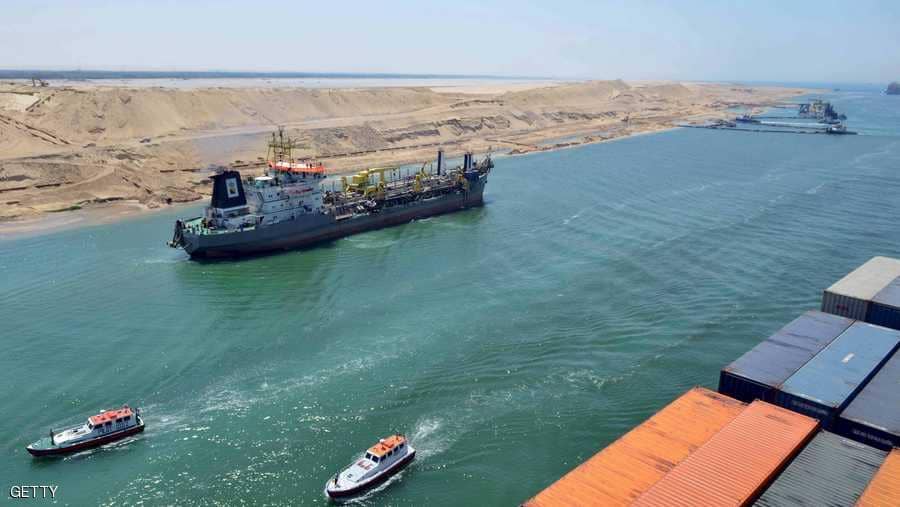
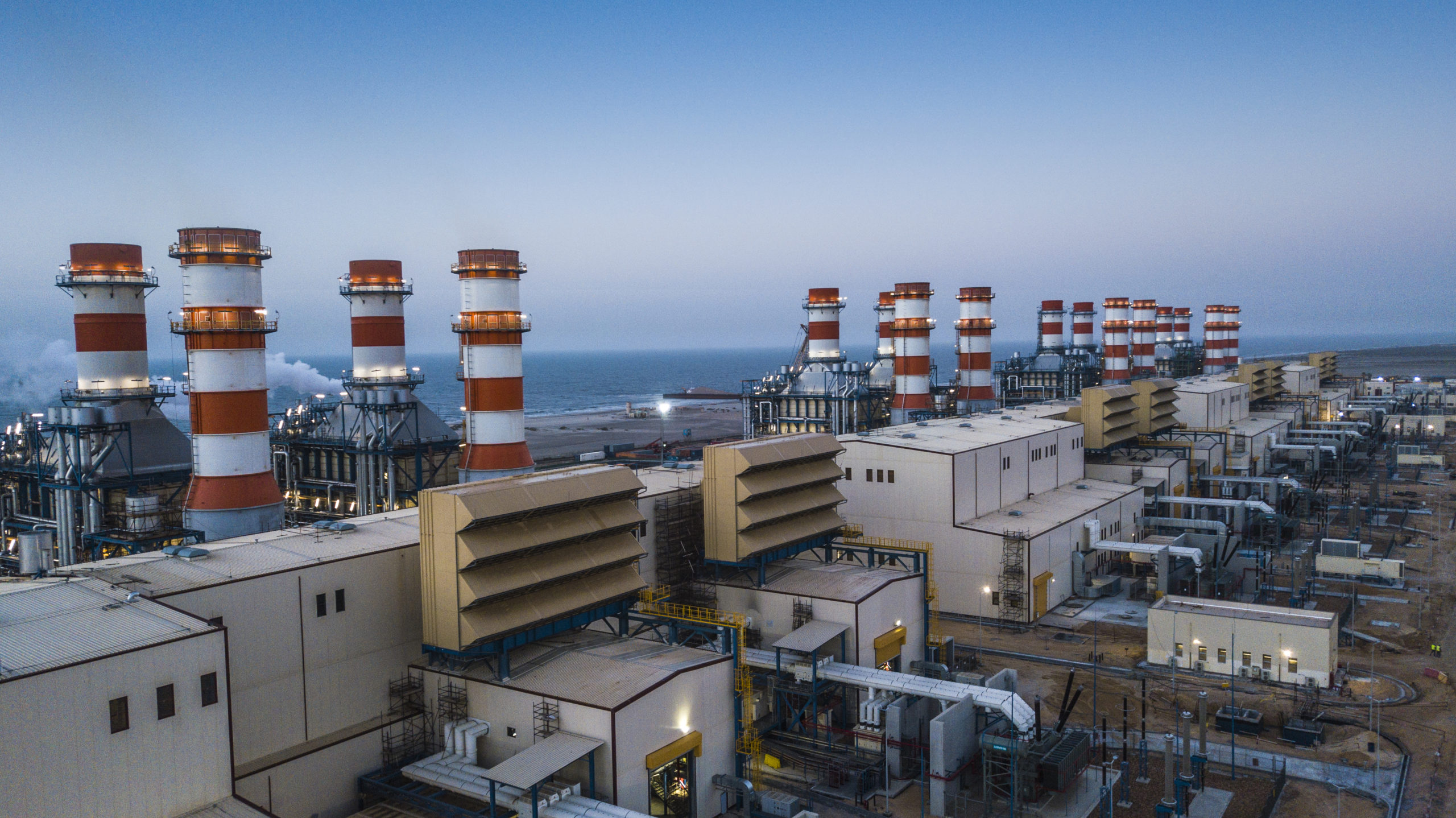
Egypt started large projects with many European corporations in the last few years. In June 2015, German firm Siemens won a contract to build three power plants and six substations in Egypt, the most significant order in the firm’s history at the cost of EUR 6 000 million, the contract was supported by the governments of Egypt and Germany. Notably, the number of German firms in Egypt had exceeded one thousand in 2017. Another example of European companies engaging in Egypt is engineering firm CDM Smith and its work in building tunnels under the Suez Canal as part of the last phase of Egypt’s national tunneling system project. Also Italian PV company Enerray which was commissioned to build three solar plants in Benban Solar Park in Aswan, which after completion will be the largest solar installation in the world. The project primarily obtained financing from German bank Bayern, British financing firm CDC Group and Europe Arab Bank as investors in the Benban project.

Energy Sector in Egypt

Egypt is the second largest gas producer in Africa and the largest non-OPEC oil producer in the continent and has been playing a crucial role in the energy market regionally and globally. In 2009 Egypt was exporting nearly third of its natural gas, and as a result of the political struggle that followed the 2011 revolution, the energy sector went into multiple crises when domestic demand outstripped production. Many serious steps were taken to ensure growth and investment in the sector with more focus on renewable energy and exporting natural gas to new markets. It’s notable that Egypt has an abundance of land and sunny weather along with high wind speed, which makes it a perfect location for renewable energy projects, though over decades it has been a challenge for the country to continue its energy developing projects. In 2014, the government started a new energy strategy in which 56 concessions and agreements were signed. The following years included huge investments and promoting new approaches to enhance the energy sector.

According to the Tracking SDG7 Report (jointly prepared by IEA, IRENA, WHO, and others), the total population in Egypt has had access to reliable energy sources in the recent years, though there are other reports depicting many villages in upper Egypt and other areas where people can’t have access to reliable energy resources. By 2022, Egypt attempts to get 20% of generated electricity from renewable resources. Egypt has two liquefied natural gas export complexes, both on the Mediterranean sea cities of Damietta and Idku, the complexes’ joint capacity is 12.2m tonnes per year as of 2015. 

For the 2017-2022 period, the Egyptian government announced the addition of 7,160MW coal-fired power plants with direct engagement of the private sector. Also, Japan’s Sumitomo has plans to build a coal-fired plant at Sidi Shabib in Marsa Matruh on the Meditteranean sea, China’s Shanghai Electric announced that it would build another plant in Hamarwein. Egyptian developer Elsewedy Electric engaged in developing a wind power project in the Gulf of Suez with Japan’s Marubeni. Other projects in 2018 include Enara’s EUR 175 million investment on solar projects in Egypt, and Spain’s TSK investment on Kom Ombo to set up a photovoltaic plant.

Egypt-EU Energy Projects

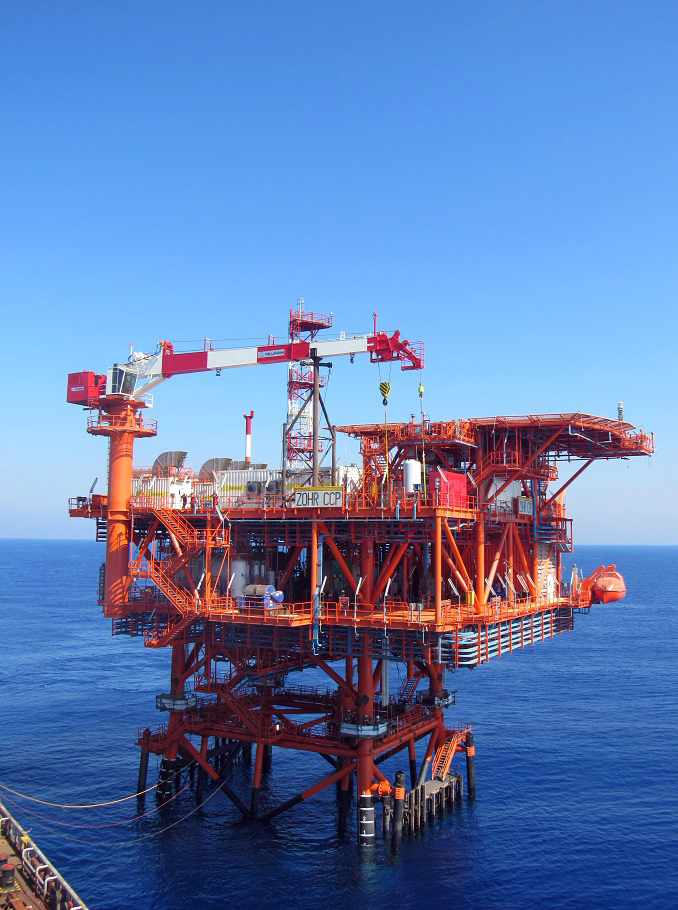
According to a study of the European Parliment Committee on Foreign Affairs published in 2018, Egypt is currently the only state in the southern Mediterranean area that has the ability to export gas to Europe independently because of the size of its reserves and most importantly because it has proper infrastructure for export. This approach became stronger after Zohr gas field was discovered in 2015 by Italian energy company Eni and followed by other nearby fields. The estimated amount of gas in the place is around 850 billion cubic meters, which makes it the largest gas reserve in the Mediterranean Sea beside the nearby Leviathan gas field. Notably, this amount at the newly discovered Zohr is close to the rest of Egypt’s gas fields combined. According to experts, that would make Egypt a regional Gas hub and an important Natural Gas resource to Europe.

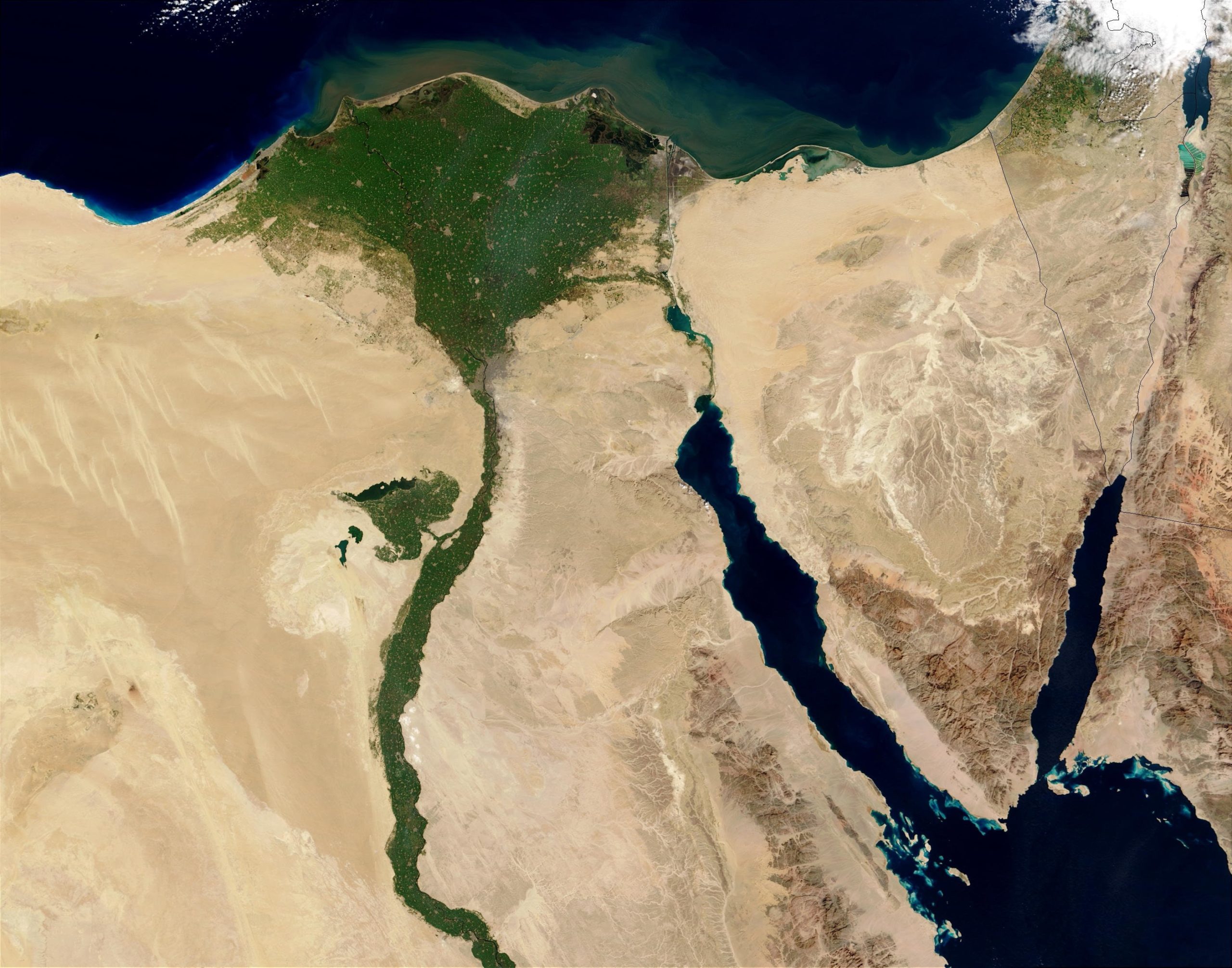
EU assistance and partnership programs to develop the energy sector have been prioritized. The Egyptian Gas Connection Project was recently included in the framework of the revised ENP with a EUR 68 million grant. Moreover, The Egyptian Sustainable Energy Strategy for the period 2016-2020, includes building a new wind farm in the Gulf of Suez. Another reason for more understanding between Egypt and the EU environmental and health issues is that Egypt had taken a pledge to on issues like climate as rising tides will severely affect the Nile Delta region. As salty seawater leeches into low-lying agricultural areas, Egypt could face serious food shortages.

Challenges and Cooperation

Egypt has its challenges and faces regional threats, most experts count population growth as the most critical challenge for Egypt in the following decades. Other areas include education, social justice, democracy, and  vital aspects.  EU is set on building new paths of cooperation and more in-depth economic plans to help Egypt overcome domestic issues while using its role to stabilize  the region. EU officials consider Egypt as the first line of defense against illegal migration, but the country itself still a significant source of migrants.

Egypt-EU relations 2019-2020

Experts believe that Egypt will attract more EU investments by 2020 especially in the energy sector, and an increase in the bilateral trade in case that the two parties agree on removing more tariffs over particular products to make a wider free trade area. For Egypt, it would be a profitable path to increasingly export its products into the EU market. The European Union is confident Egypt’s reform plans, will improve future cooperation. 

More Articles

  • Interview: Ayman Ismail, Co-Founder, Chairman, and CEO, Dar Al Mimar Group (DMG)

    Interview: Ayman Ismail, Co-Founder, Chairman, and CEO, Dar Al Mimar Group (DMG)

    Dar Al Mimar Group (DMG) is the largest vertically integrated holding covering real estate development in Egypt. The group focuses on world-class standards and operates in three sectors: engineering, real estate, and hospitality through its subsidiaries. Since 2005 Mountain View is among Egypt’s leading private property development companies. DMG has developed and now manages over…

  • Interview: Mohammed Saad Eldin, Chairman, Saad Eldin Group

    Interview: Mohammed Saad Eldin, Chairman, Saad Eldin Group

    Saad Eldin Group. The highly diversified vertically integrated Oil & Gas holding was founded in 1985 and is focused on servicing LPG, LNG, CNG and other industrial gases. Saad Eldin Group subsidiaries and factories are dedicated to manufacturing, filling and delivering of gas cylinders throughout Egypt. Its facilities include gas processing plants, LPG container manufacturing…

  • Interview: Albert Gress, Country Manager Egypt, SDX Energy

    Interview: Albert Gress, Country Manager Egypt, SDX Energy

    SDX Energy is a North Africa focused international E&P business with high margin producing assets and a transformational exploration upside. It engages in the exploration, development, and production of oil and gas primarily in the Arab Republic of Egypt and the Kingdom of Morocco. Net production: 3,237 boe/d, 2P reserves: 13.5 mmboe. The company is cash flow…

  • Interview: David Chi, Vice President and General Manager, Apache Egypt

    Interview: David Chi, Vice President and General Manager, Apache Egypt

    Apache has 22 years of exploration, development and operations experience in Egypt and is one of the largest acreage holders in Egypt’s Western Desert. Apache has invested more than $1 billion in the Egyptian oil and gas sector during 2018. It remains the largest oil producer in Egypt, one of the largest foreign investors in the country, and in particular the largest American investor in Egypt. Are you optimistic about…

  • Interview: Tarek El Molla, Minister of Petroleum of Egypt

    Interview: Tarek El Molla, Minister of Petroleum of Egypt

    How will natural gas exports contribute to Egypt’s economic acceleration? The current strategy of the Ministry aims at fulfilling the requirements of the local market and completion of the gas development projects. However, to achieve such a vital goal we worked towards increasing production by speeding up the development of the Mediterranean discoveries. Thus, due…

  • Interview: Maged Ezz Eldeen, Country Senior Partner, PwC Egypt

    Interview: Maged Ezz Eldeen, Country Senior Partner, PwC Egypt

    How have Egypt’s economic reforms affected the competitiveness of the economy? Egypt’s unprecedented macroeconomic and business legislation reform measures are bearing positively on the country’s competitive standing. For the first time in eight years, Egypt’s ranking on the global competitiveness report witnessed a significant jump of 15 places in 2017. Underpinning this was a remarkable…

  • Interview: Mr. Mohamed Hamza Talaat, Managing Partner, Baker & McKenzie Egypt – Helmy Hamza & Partners

    Interview: Mr. Mohamed Hamza Talaat, Managing Partner, Baker & McKenzie Egypt – Helmy Hamza & Partners

    A market leader in mergers and acquisitions, project finance and capital markets. Named IFLR Egypt’s “Law Firm of the Year” six times, with its Cairo office, ranked Tier 1 by IFLR1000, Legal500 and Chambers & Partners for Banking & Finance and M&A. With 40 years’ experience in the local market, they are the go-to firm…

  • Interview: Hala Helmy El-Saeed, Minister of Planning and Administrative Reform of Egypt

    Interview: Hala Helmy El-Saeed, Minister of Planning and Administrative Reform of Egypt

    The Ministry of Planning, Monitoring and Administrative Reform’s vision is to ensure efficient planning and management of the state’s public investments. It seeks sustainable economic development by ensuring the state’s administrative body becomes increasingly more effective, efficient, and capable of managing state resources to provide quality services to citizens. How do you assess Vision 2030’s…

  • Interview: Mohamed Farid, Chief executive officer, The Egyptian Exchange (EGX)

    Interview: Mohamed Farid, Chief executive officer, The Egyptian Exchange (EGX)

    Egypt’s stock exchange, the Egyptian Exchange (EGX), comprises two exchanges, Cairo and Alexandria. How do you assess the EGX performance? In 2017 the EGX had five initial public offerings (IPO) amounting to 4 billion with 46% being demanded by foreign investors. In 2018 we saw three IPO’s. In 2019 we will see several primary offerings from the public sector include: Banque du…

  • The Ministry of Health is implementing an ambitious plan to develop and modernize public hospitals and treatment centers throughout Egypt

    The Ministry of Health is implementing an ambitious plan to develop and modernize public hospitals and treatment centers throughout Egypt

    According to the United Nations, Egypt’s population surpassed 100 million in 2018. This has caused health infrastructure to suffer under the pressure of the growing population.  In 2014 Egypt had 1.5 beds per 1 000 of the population, this decreased to 1.46 in 2015 and 1.36 in 2016. Egypt’s infrastructure and services require exponential growth…

  • Fastest growing tourist destination globally

    Fastest growing tourist destination globally

    The government is actively pushing to reposition Egypt’s tourism and return it to its pre-revolution glory days. Egypt’s tourism sector has historically been a vital driver of the economy and a critical source of foreign currency. Its historical heritage has and will continue to attract global wonder which in itself has caused underinvestment in crucial…

  • Egypt’s education system is by far the largest in the region

    Egypt’s education system is by far the largest in the region

    Private non-profit education institutions are increasingly taking the lead and spearheading quality education in Egypt. Since 2014, Egypt’s focus on improving the private and public education sector has increased significantly. Vision 2030 has called for an overhaul of the current educational system and looks ambitious and promising. Serious efforts to modernize the education sector from…

  • Egypt is considered one of the fastest-growing offshore destinations in the world and its BPO and IT industries are gaining global market share

    Egypt is considered one of the fastest-growing offshore destinations in the world and its BPO and IT industries are gaining global market share

    Egypt’s ICT sector is one of the fastest economic contributors to GDP. The overall revenues for the sector in 2018 surpassed EUR 4 000 million and are expected to reach EUR 5 100 million by 2020. The growth rate reached 14.1% in 2017/2018, against 12.5% in 2016/2017 The government has invested heavily in telecom infrastructure.…

  • Eight percent of global shipping transits Egypt’s Suez Canal

    Eight percent of global shipping transits Egypt’s Suez Canal

    The Egyptian government is implementing an ambitious strategy to improve and develop the transport sector to enhance the state resources and benefit on Egypt’s strategic location. Egypt has 108 000 kilometers of roads and 9 750 kilometers of railways, along with 20 airports, 15 harbors and a series of land ports. Transport and logistics represented…

  • New sector specific mega industrial zones in Egypt seek to improve valued added export capabilities

    New sector specific mega industrial zones in Egypt seek to improve valued added export capabilities

    Egypt streamlined its industrial licensing processes to boost investment. They slash bureaucracy and decrease the waiting time for new projects. The industry sector is the second biggest economic sectors in the country representing more than a third of the GDP and more than 13% of the total labor force. In 2014, Egypt started a series…

  • New Administrative Capital in Cairo

    New Administrative Capital in Cairo

    Since the day the Pharaohs commissioned the Great Pyramids of Giza, Egypt has been home to vast mega-projects. Today is no exception, with the Suez Canal to the ongoing New Administrative Capital, presented as the biggest planned city of all time, Egypt has been living up to its Ancient ancestors. In March 2015, Egyptian Minister…

  • A growing population in Egypt demands quality housing

    A growing population in Egypt demands quality housing

    One of the best solutions for Egypt’s constant overpopulation of cities has been urban expansion. It is part of an ambitious government plan to build new cities on the outskirts of every major governorate in Egypt. The Egyptian real estate sector has historically proven resilient to economic and political tensions over the past decade and…

  • Becoming an Energy Hub: From blackouts to exports, the Egyptian energy sector has made a complete 360 in the past five years

    Becoming an Energy Hub: From blackouts to exports, the Egyptian energy sector has made a complete 360 in the past five years

    Egypt’s oil and gas sector was on a downward spiral for years due to the impact of the Arab Spring, the unfolding of the Muslim Brotherhood, and the military coup. The country could not even keep its lights on five years ago. In 2013, due to a series of blackouts, factories were forced to shut…

  • Zohr: Massive new natural gas discoveries in the Mediterranean will meet and exceed Egypt’s national demand for years.

    Zohr: Massive new natural gas discoveries in the Mediterranean will meet and exceed Egypt’s national demand for years.

    Egypt is the third-largest dry natural gas producer on the continent and the largest non-OPEC oil producer in Africa. In addition, the Suez Canal and Suez-Mediterranean Pipeline (SUMED) are strategic high-security global transit routes for oil shipped from the GCC to Europe and the United States.  Egypt is the most populous country in North Africa,…

  • Egypt’s growing population is reinforcing economic growth while severely straining national resources

    Egypt’s growing population is reinforcing economic growth while severely straining national resources

    Egypt’s demographic boom has been a blessing to the economy. As the largest consumer market in the Middle East every sector of the economy can confidently expect sales to increase backed by national demographic trends. The needs of the growing population provide massive investment potential, and the private sector continues to find new opportunities to…

  • New Investment Law in Egypt

    New Investment Law in Egypt

    The landmark new investment law, ratified in 2017, changed the landscape of business in Egypt. The law has modernized and reduced barriers to how international companies invest and operate in Egypt, offering incentives, simplifying the processes, guaranteeing protection from decisions that are arbitrary or capricious, and providing new tools to ease establishing, starting and operating…

  • Egypt’s economic fundamentals are improving, and at 5.4% GDP growth it is the fastest growing country in the region

    Egypt’s economic fundamentals are improving, and at 5.4% GDP growth it is the fastest growing country in the region

    Egypt is the regions fifth-largest economy and increasingly on the global investment map. According to the International Monetary Fund Egypt was the third largest economy in Africa with a GDP of EUR 208 682 million in 2017 after Nigeria’s EUR 331 061 million and South Africa at EUR 304 642 million. Egypt’s economic fundamentals in…

  • Egypt’s evolving socio-economic dynamics evolve amongst social and religious frictions

    Egypt’s evolving socio-economic dynamics evolve amongst social and religious frictions

    Historically, the Arab Republic of Egypt has been fundamental to the development of the Middle East and North Africa. To this day, Egyptian political thought and cultural influence echoes throughout MENA. Egypt remains an influential actor in the region, pushing towards the path of further economic and political stability.   History: It is impossible to…

  • Sustainable Development Strategy: Egypt Vision 2030

    Sustainable Development Strategy: Egypt Vision 2030

    “The new Egypt will possess a competitive, balanced and diversified economy, dependent on innovation and knowledge, based on justice, social integrity and participation, characterized by a balanced and diversified ecological collaboration system, investing the ingenuity of place and humans to achieve sustainable development and to improve Egyptians’ life quality,” Egypt Vision 2030 Sustainable Development Strategy.…