Egypt’s evolving socio-economic dynamics evolve amongst social and religious frictions

Historically, the Arab Republic of Egypt has been fundamental to the development of the Middle East and North Africa. To this day, Egyptian political thought and cultural influence echoes throughout MENA. Egypt remains an influential actor in the region, pushing towards the path of further economic and political stability.  

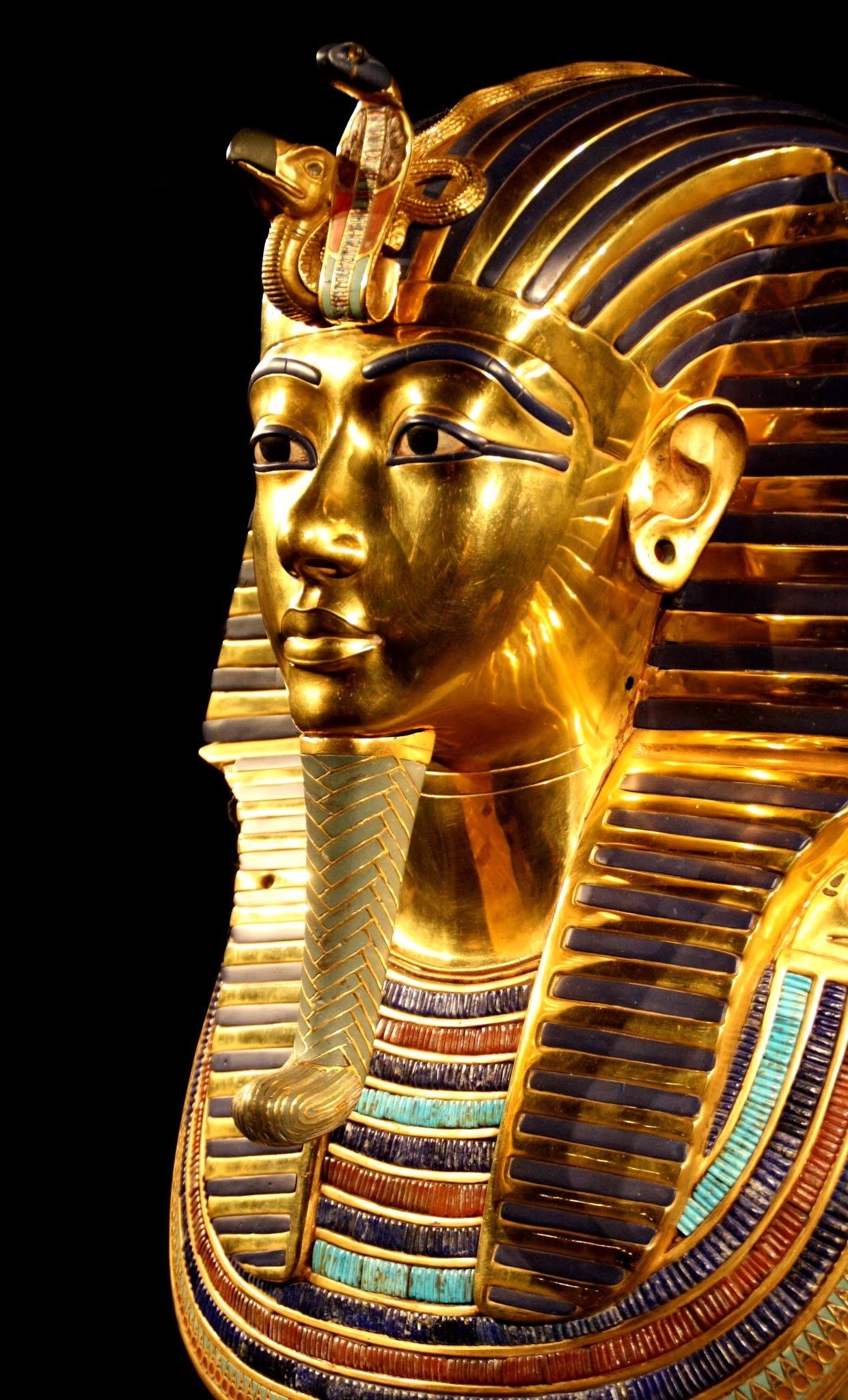
History: It is impossible to capture the antiquity of Egypt without setting foot on its land. It has one of the longest histories of any country on earth, beginning in circa 7000 BC with settlements on the Nile Valley. For over 3000 years, the Nile Valley in Egypt was the epicenter of civilization and considered the cradle of civilization. During the Neolithic era, several predynastic cultures developed and coexisted remaining culturally distinct, but open for trade. Continual pharaonic dynasties made their footprints in history and contributed to humanity in a variety of advancements. Circa 3000 BC, the Kingdoms of Upper and Lower Egypt united, enhancing trade, prosperity, and development of great cultural traditions. Ancient Egyptians are credited for some of the earliest developments of urbanization, agriculture, writing, religion, and central government. Egyptian hieroglyphics are first dated to about 3200 BC.

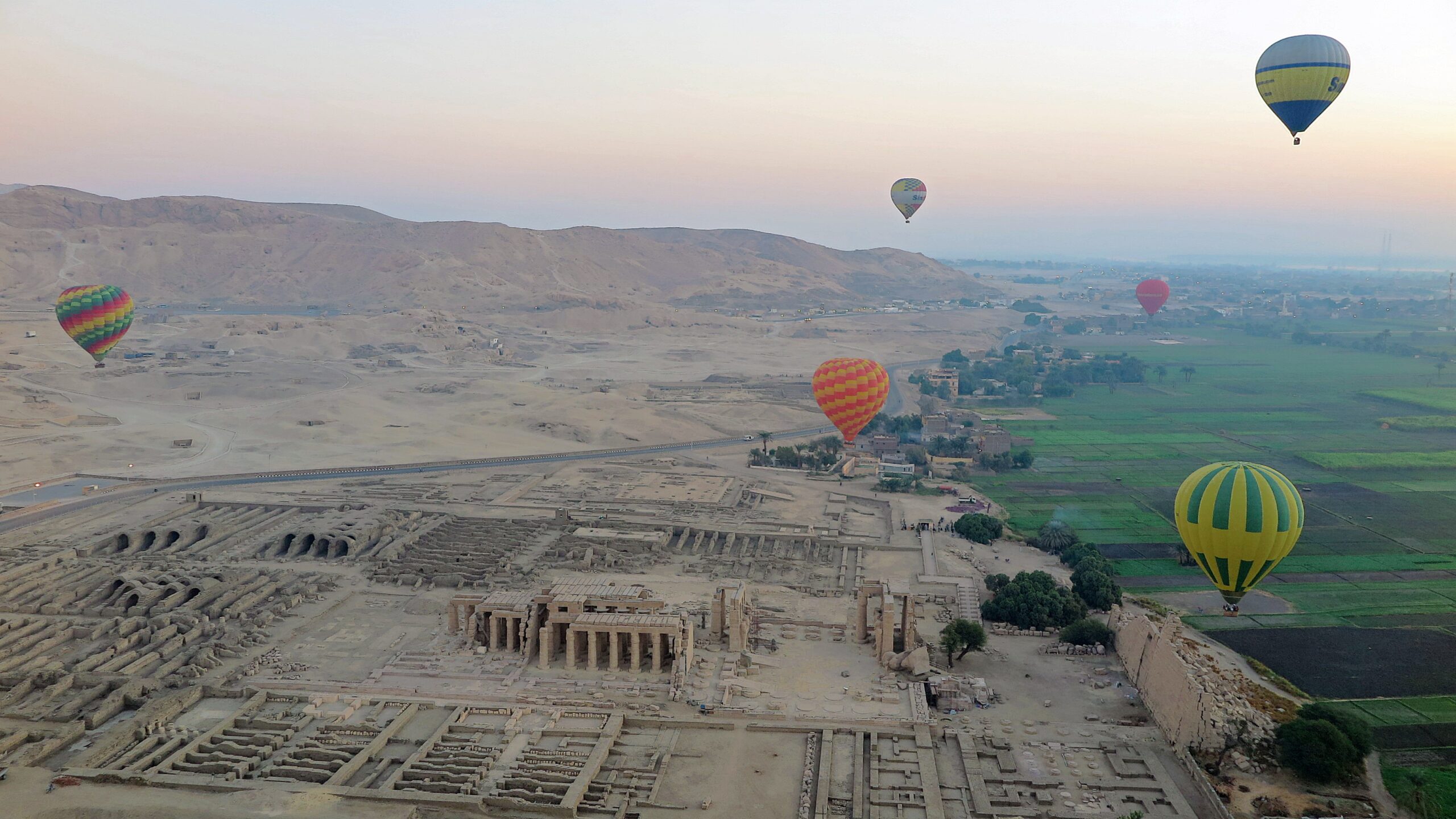
Egyptian iconic monuments such as the Great Sphinx, Giza Necropolis (oldest of the ancient Wonders of the World and the only one still in existence), and the Valley of Kings showcase the legacy of Ancient Egyptians. The national identity of Egypt has endured a multitude of foreign influences including Greek, Persian, Roman, Arab, Ottoman Turkish, and Nubian. The first foreign dynasty ruling in Egypt was the Semitic Hyksos, who invaded around 1650 BC but collapsed to Upper Egyptian forces.

Spanning the 16th to the early years of the 20th century, Egypt was ruled by the foreign imperial powers of the Ottoman Empire and then the British Empire. In 1922, Egypt gained nominal independence from the British Empire as a monarchy. The revolution of 1952 ended British occupation, exiled King Farouk and his family, and declared Egypt as a republic. For a short period from 1958 to 1961, Egypt merged with Syria to form the United Arab Republic. 

The second half of the 20th century Egypt suffered from political instability and social and religious friction. There were several armed conflicts with Israel in 1948, 1956, 1967 and 1973. Egypt signed the Camp David Accords in 1978, withdrawing from the Gaza Strip and recognizing Israel. 

Widespread protests against the Mubarak regime were demanding the overthrow of President Hosni Mubarak began on January 25, 2011. Less than a month later, Mubarak resigned and fled Cairo; celebrations across Tahir Square ensued, followed by violent protests due to the slow pace of political change. By June 24, 2012, Mohamed Morsi was elected president. However, shortly thereafter, additional mass protests and violent action ensued due to the Islamist-dominated constituent assembly approving a draft constitution that boosted the role of Islam and restricted freedom of speech and assembly. President Morsi on November 22, 2012 issued a temporary declaration immunizing his decrees from challenge, with aims to salvage the work of the constituent assembly. After continual public uproar and discontent, the military removed President Morsi from power in a coup d’état, creating an interim government on July 3, 2013. Just one day later, Chief Justice of the Supreme Constitutional Court of Egypt, Adly Mansour, was sworn in as acting president. Thousands of Muslim Brotherhood leaders were imprisoned, and hundreds of street protesters were killed. A new constitution was introduced on January 18, 2014. By May 2014, former head of the Egyptian Armed Forces, Abdel Fattah el-Sisi had a landslide victory and was sworn into office as President of Egypt on June, 8 2014. President Abdel Fattah el-Sisi won his second term election against a sole minor opposition candidate in March, 2018. 

Government: Egypt is a presidential republic. Abdel Fattah el-Sisi has served as president since 2014. Since 2015, Sherif Ismail has served as the prime minister and head of the government. The prime minister is appointed by the president and approved by the House of Representatives, while the president is elected by an absolute majority for a four-year term, with eligibility to complete a second term.  

Relative to the years before 2011, the Egyptian post-revolutionary period has witnessed political upheaval and dynamism. Since, the country has established a new constitution, created a unicameral legislature, and has seen two presidents serve the nation. 

With the legislative branch being unicameral, the House of Representatives has 596 seats. These seats are allocated in varying ways: the president appoints 28 members, 120 members are for women and minorities, and the remaining three-quarters of the seats are directly elected. Each member serves a five-year term. 

Member Organizations: Egypt is a founding member of the United Nations, Non-Aligned Movement, Arab League, African Union, and Organisation of Islamic Cooperation.

Economy: Egypt is considered a transcontinental country, considered to be a powerhouse in North Africa, the Middle East, and the Muslim world. The Egyptian economy is one of the largest and most diversified in the Middle East, and is Africa’s second-largest economy, after Nigeria. It is projected to become one of the largest economies in the world across the 21st century. With broad reform programs implemented over 2018, Egypt is already improving its economic landscape for future generations. With a massive population, comes additional responsibilities and challenges. The pressures of the nearly 100 million and ever-growing population created a need for change, which inspired the government to develop a broad reform programme backed by a USD 12bn IMF loan, floating the currency and massively slashing subsidies. With such a vast population, pressure on job creation is only going to continually rise as well. 

Demographics:  The population of Egypt increased from 27.1 million in 1960 to 91.5 million in 2015. The Egyptian population in 2019 has soared and has surpassed 100 million, making Egypt the third most populous country in Africa, and the most populous Arab nation. The population growth rate is 2.2% per annum. Egypt currently ranks as the 14th most populous country in the world, equivalent to 1.2% of the world’s population. The World Bank projects, Egypt’s population will increase to 151 million by 2050.

About half of Egypt’s residents live in urban areas. Nearly 22 million people live within the crowded capital area with Egypt’s “State for Information Services” agency expecting the population to surpass 40 million by 2050. This accounts for nearly 23% of Egypt’s population. 

In addition, nearly 10 million Egyptian expats are working around the globe, with many in Jordan and the nearby Gulf States. The majority work within the Kingdom of Saudi Arabia and the United Arab Emirates. 

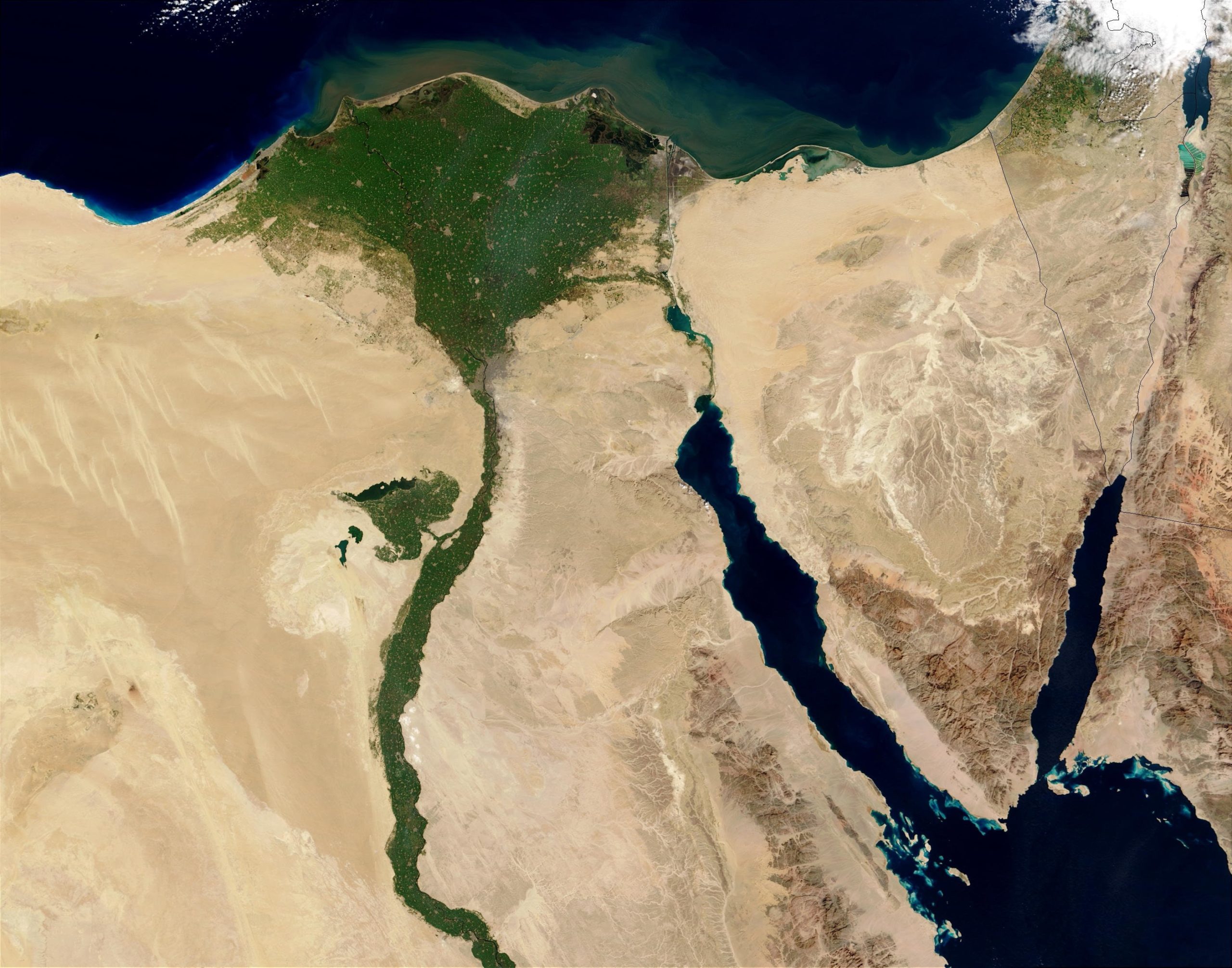
Nearly 95% of the population lives along the banks of the Nile, the Nile Delta and along the Suez Canal. These areas are some of the most densely populated communities globally. Density is estimated at nearly 1 550  people per square kilometer. 

The Egyptian population is young and has a high fertility rate. Individuals under the age of 15 make up 31.3% of the population while Egyptians aged 18 to 29 make up 21% of the total population. With Egypt’s large, youthful, working-age population, productivity and tax revenue will continue to increase and assist in transforming the country. 

However, the increasing population outpaces the creation of infrastructure, healthcare, education, energy, water, telecoms, technology, housing, and finance among other services. This is impacting the urban landscape and its ability to meet growing demand. Illiteracy among the population is 13.5% for males and 18.5% of females.

Geography: Egypt is in the MENA region, spanning the northeast corner of Africa and the southwest corner of Asia by a land bridge formed by the Sinai Peninsula. Sudan borders it to the south, Libya to the west, Israel and the Gaza Strip to the north-east, the Gulf of Aqaba to the east, and the Red Sea to the east and south. By land area, Egypt ranks as the 30th largest country in the world. The topography and climate of Egypt are not suitable for mass agriculture, and Egypt is mainly arid desert, with large regions of the Sahara desert constituting most of Egypt’s territory. 

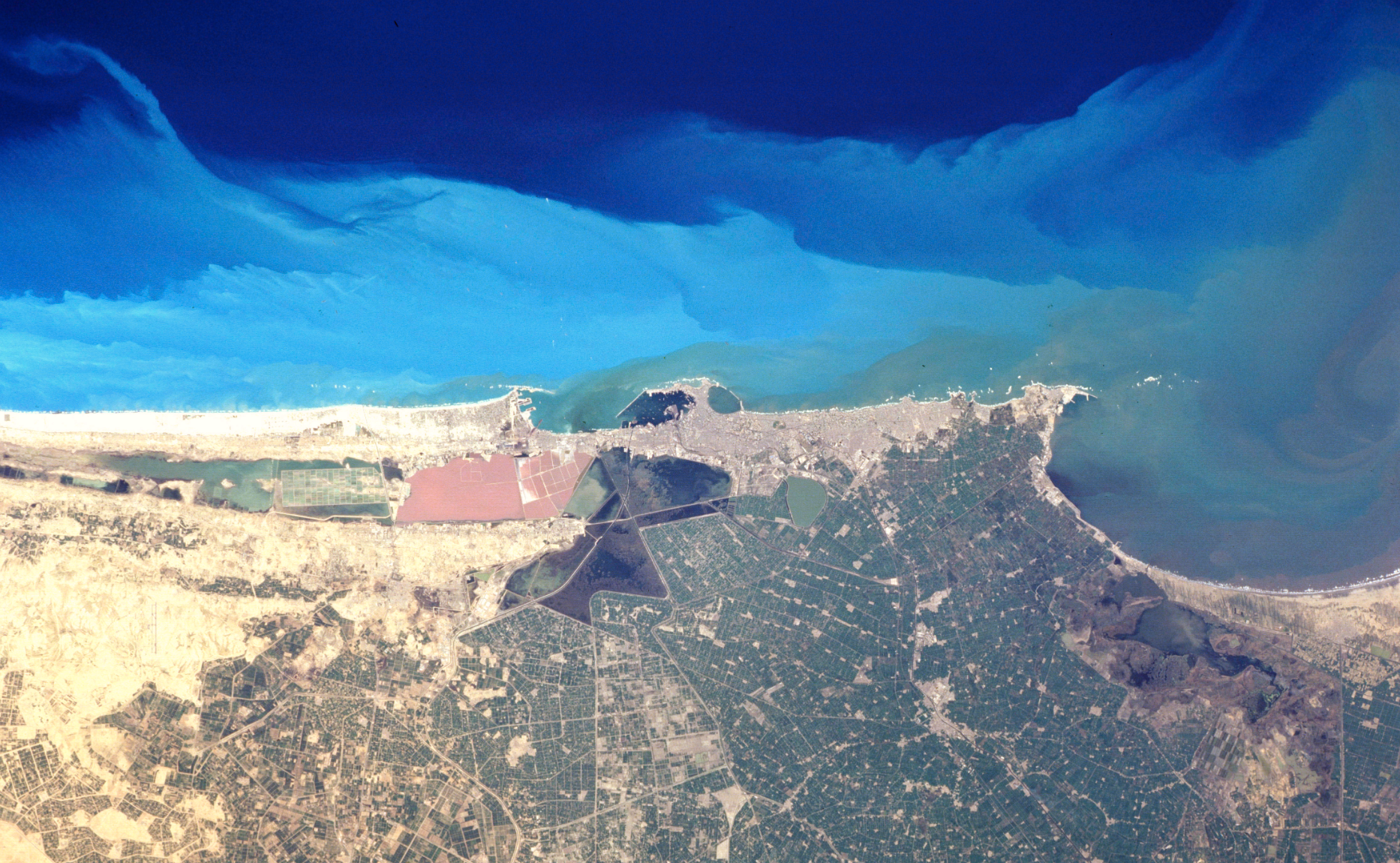
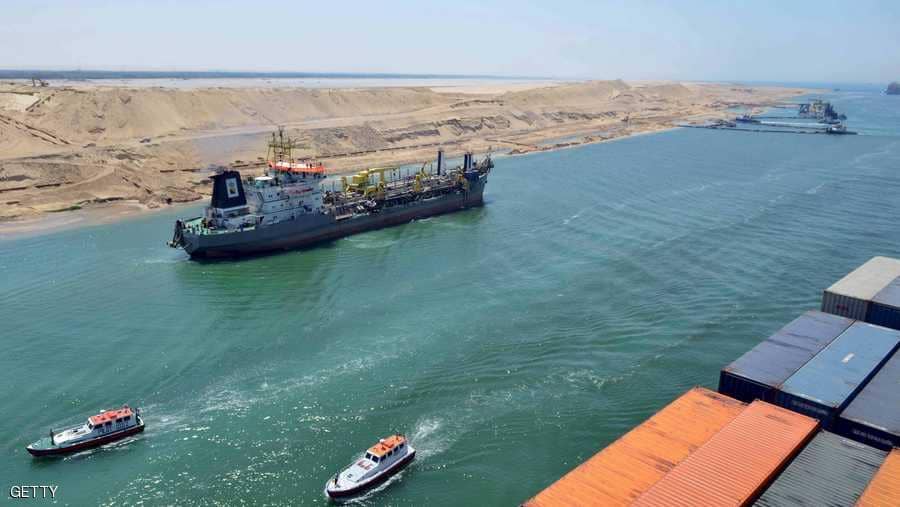
The Egyptian coastline is 2 450 kilometers. Egypt is part of the strategic waterway, the Suez Canal, connecting the Red Sea, the Indian Ocean, and the Mediterranean Sea. Suez Canal transit represents 8% of global trade. Due to this strategic location, Egypt is the gateway to Europe and Asia. The Nile River, the longest river on earth, flows throughout Egypt and well into the rest of Africa. The majority of the population resides along the banks of the Nile River and the Nile Delta, where the only arable land is found.  

Furthermore, Egypt is home to many natural resources including oil and gas, iron ore, phosphates, and limestone. 

Climate: In the interior, temperatures are on average a high of 43 degrees Celsius in the summer and a low of 7 degrees Celsius at night. During the winter, average temperatures vary from a high of 18 degrees Celsius to 0 degrees Celsius. The coastal temperatures are more temperate, with average highs of 30 degrees Celsius, and winter lows drop to 14 Celsius; however, the humidity is more noticeable on the coast. For instance, in the coastal city of Alexandria, humidity can be up to 77% in the summer.   

Religion: Islam is the official religion of Egypt. The Egyptian population is 90% Muslim, with the majority being part of the Sunni denomination. Egypt was previously an early and vital center of Christianity; however, it was largely Islamised in the seventh century, and now Christians form a minority.  

Language: The official language of Egypt is Arabic. English is also commonly used in big cities and within the business community. Egypt has its own Arabic dialect; however, it is understood across MENA due to the Egyptian influence in the entertainment industry, particularly due to the international popularity of Egyptian cinema. 

Pollution: According to the World Health Organization greater Cairo experiences one of the worst pollutions on the planet and is the world’s second most polluted mega-city. The growing population and increasing industrial projects in the regions will most likely worsen air quality.  Half of the factories in the industrial cities are air polluting. Over 20 % of private vehicles and 59 % of the Public Transport Authority (PTA) buses violate Egyptian air quality emission measures. 

Residents of Cairo breathe in air with 11.7 times the WHO recommended safe level of PM2.5 and 14.2 times the safe level of PM10. The Egyptian government has plans to reduce air pollution by half by 2023, and had some success in 2017 decreasing PM10 by 19%. 

In 2018 Egypt passed a new traffic law banning the renewal of licenses for taxis and microbuses that were more than 20 years old. The governments “white cab taxi replacement program” took 45 000 aging and recycled old taxis off the streets by providing drivers subsidized financing for modern, fuel-efficient, locally assembled vehicles. The World Bank found the program reduced Egypt’s carbon dioxide emissions by 310 000 tonnes between 2013 and 2017. The program should be rolled out in other cities across Egypt to mitigate air pollution.

The burning of straw by rice farmers in autumn has historically smoked Cairo and was virtually eliminated in 2018 by a government program that gave traders a EUR 2.7 per-ton incentive to buy the straw from farmers. The straw was then sold as animal feed or used in waste-to-energy programs.

The Nile is also increasingly polluted with the Ministry of Environment receiving 6 200 complaints of water pollution in various governorates annually. This continues to be problematic especially for those that live in close proximity to the river.

Health issues associated with pollution should be a key priority and government should increasingly prioritize policies following the United Nations Sustainable Development Goals.
More Articles

  • Interview: Ayman Ismail, Co-Founder, Chairman, and CEO, Dar Al Mimar Group (DMG)

    Interview: Ayman Ismail, Co-Founder, Chairman, and CEO, Dar Al Mimar Group (DMG)

    Dar Al Mimar Group (DMG) is the largest vertically integrated holding covering real estate development in Egypt. The group focuses on world-class standards and operates in three sectors: engineering, real estate, and hospitality through its subsidiaries. Since 2005 Mountain View is among Egypt’s leading private property development companies. DMG has developed and now manages over…

  • Interview: Mohammed Saad Eldin, Chairman, Saad Eldin Group

    Interview: Mohammed Saad Eldin, Chairman, Saad Eldin Group

    Saad Eldin Group. The highly diversified vertically integrated Oil & Gas holding was founded in 1985 and is focused on servicing LPG, LNG, CNG and other industrial gases. Saad Eldin Group subsidiaries and factories are dedicated to manufacturing, filling and delivering of gas cylinders throughout Egypt. Its facilities include gas processing plants, LPG container manufacturing…

  • Interview: Albert Gress, Country Manager Egypt, SDX Energy

    Interview: Albert Gress, Country Manager Egypt, SDX Energy

    SDX Energy is a North Africa focused international E&P business with high margin producing assets and a transformational exploration upside. It engages in the exploration, development, and production of oil and gas primarily in the Arab Republic of Egypt and the Kingdom of Morocco. Net production: 3,237 boe/d, 2P reserves: 13.5 mmboe. The company is cash flow…

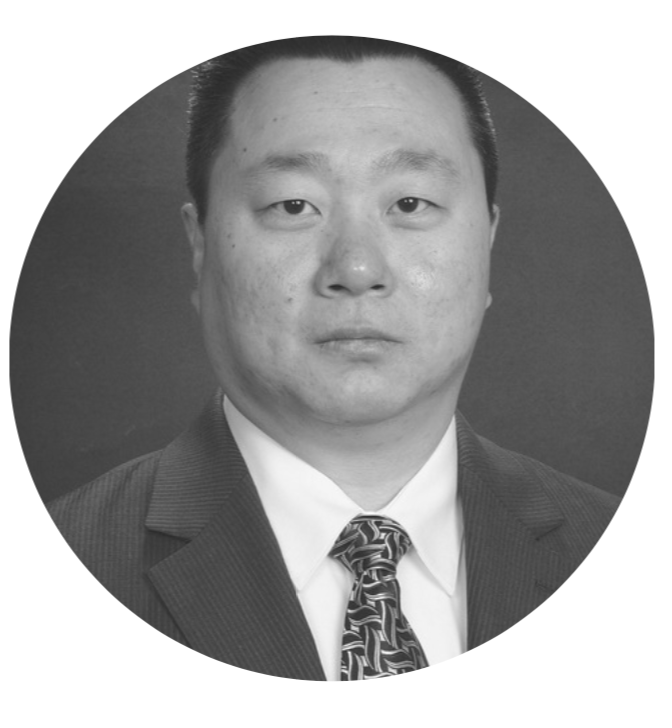
  • Interview: David Chi, Vice President and General Manager, Apache Egypt

    Interview: David Chi, Vice President and General Manager, Apache Egypt

    Apache has 22 years of exploration, development and operations experience in Egypt and is one of the largest acreage holders in Egypt’s Western Desert. Apache has invested more than $1 billion in the Egyptian oil and gas sector during 2018. It remains the largest oil producer in Egypt, one of the largest foreign investors in the country, and in particular the largest American investor in Egypt. Are you optimistic about…

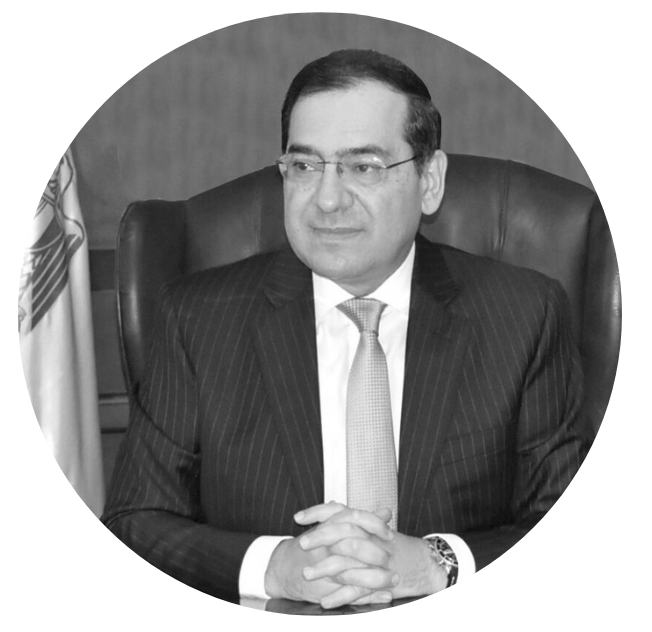
  • Interview: Tarek El Molla, Minister of Petroleum of Egypt

    Interview: Tarek El Molla, Minister of Petroleum of Egypt

    How will natural gas exports contribute to Egypt’s economic acceleration? The current strategy of the Ministry aims at fulfilling the requirements of the local market and completion of the gas development projects. However, to achieve such a vital goal we worked towards increasing production by speeding up the development of the Mediterranean discoveries. Thus, due…

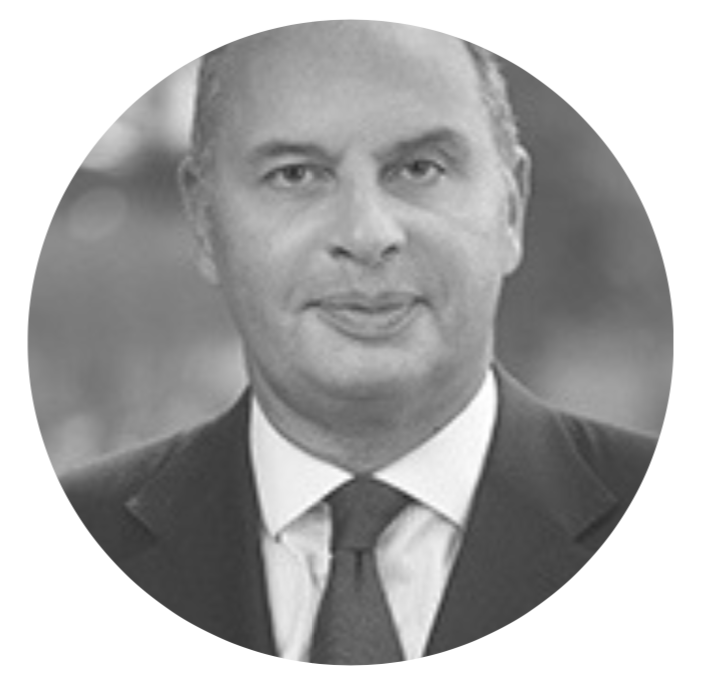
  • Interview: Maged Ezz Eldeen, Country Senior Partner, PwC Egypt

    Interview: Maged Ezz Eldeen, Country Senior Partner, PwC Egypt

    How have Egypt’s economic reforms affected the competitiveness of the economy? Egypt’s unprecedented macroeconomic and business legislation reform measures are bearing positively on the country’s competitive standing. For the first time in eight years, Egypt’s ranking on the global competitiveness report witnessed a significant jump of 15 places in 2017. Underpinning this was a remarkable…

  • Interview: Mr. Mohamed Hamza Talaat, Managing Partner, Baker & McKenzie Egypt – Helmy Hamza & Partners

    Interview: Mr. Mohamed Hamza Talaat, Managing Partner, Baker & McKenzie Egypt – Helmy Hamza & Partners

    A market leader in mergers and acquisitions, project finance and capital markets. Named IFLR Egypt’s “Law Firm of the Year” six times, with its Cairo office, ranked Tier 1 by IFLR1000, Legal500 and Chambers & Partners for Banking & Finance and M&A. With 40 years’ experience in the local market, they are the go-to firm…

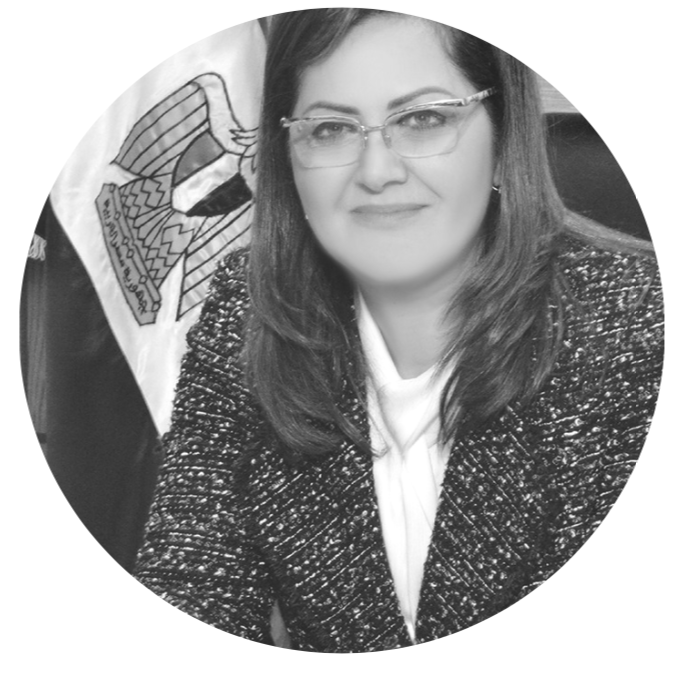
  • Interview: Hala Helmy El-Saeed, Minister of Planning and Administrative Reform of Egypt

    Interview: Hala Helmy El-Saeed, Minister of Planning and Administrative Reform of Egypt

    The Ministry of Planning, Monitoring and Administrative Reform’s vision is to ensure efficient planning and management of the state’s public investments. It seeks sustainable economic development by ensuring the state’s administrative body becomes increasingly more effective, efficient, and capable of managing state resources to provide quality services to citizens. How do you assess Vision 2030’s…

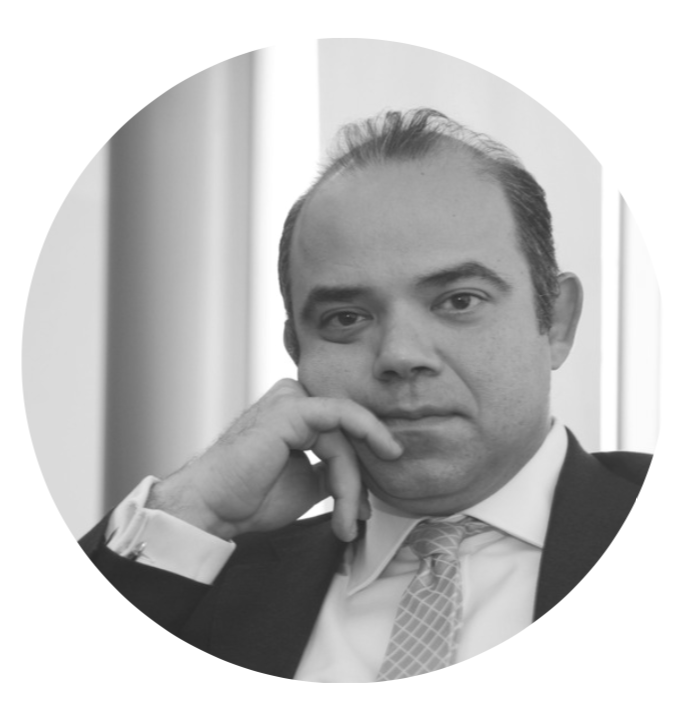
  • Interview: Mohamed Farid, Chief executive officer, The Egyptian Exchange (EGX)

    Interview: Mohamed Farid, Chief executive officer, The Egyptian Exchange (EGX)

    Egypt’s stock exchange, the Egyptian Exchange (EGX), comprises two exchanges, Cairo and Alexandria. How do you assess the EGX performance? In 2017 the EGX had five initial public offerings (IPO) amounting to 4 billion with 46% being demanded by foreign investors. In 2018 we saw three IPO’s. In 2019 we will see several primary offerings from the public sector include: Banque du…

  • The Ministry of Health is implementing an ambitious plan to develop and modernize public hospitals and treatment centers throughout Egypt

    The Ministry of Health is implementing an ambitious plan to develop and modernize public hospitals and treatment centers throughout Egypt

    According to the United Nations, Egypt’s population surpassed 100 million in 2018. This has caused health infrastructure to suffer under the pressure of the growing population.  In 2014 Egypt had 1.5 beds per 1 000 of the population, this decreased to 1.46 in 2015 and 1.36 in 2016. Egypt’s infrastructure and services require exponential growth…

  • Fastest growing tourist destination globally

    Fastest growing tourist destination globally

    The government is actively pushing to reposition Egypt’s tourism and return it to its pre-revolution glory days. Egypt’s tourism sector has historically been a vital driver of the economy and a critical source of foreign currency. Its historical heritage has and will continue to attract global wonder which in itself has caused underinvestment in crucial…

  • Egypt’s education system is by far the largest in the region

    Egypt’s education system is by far the largest in the region

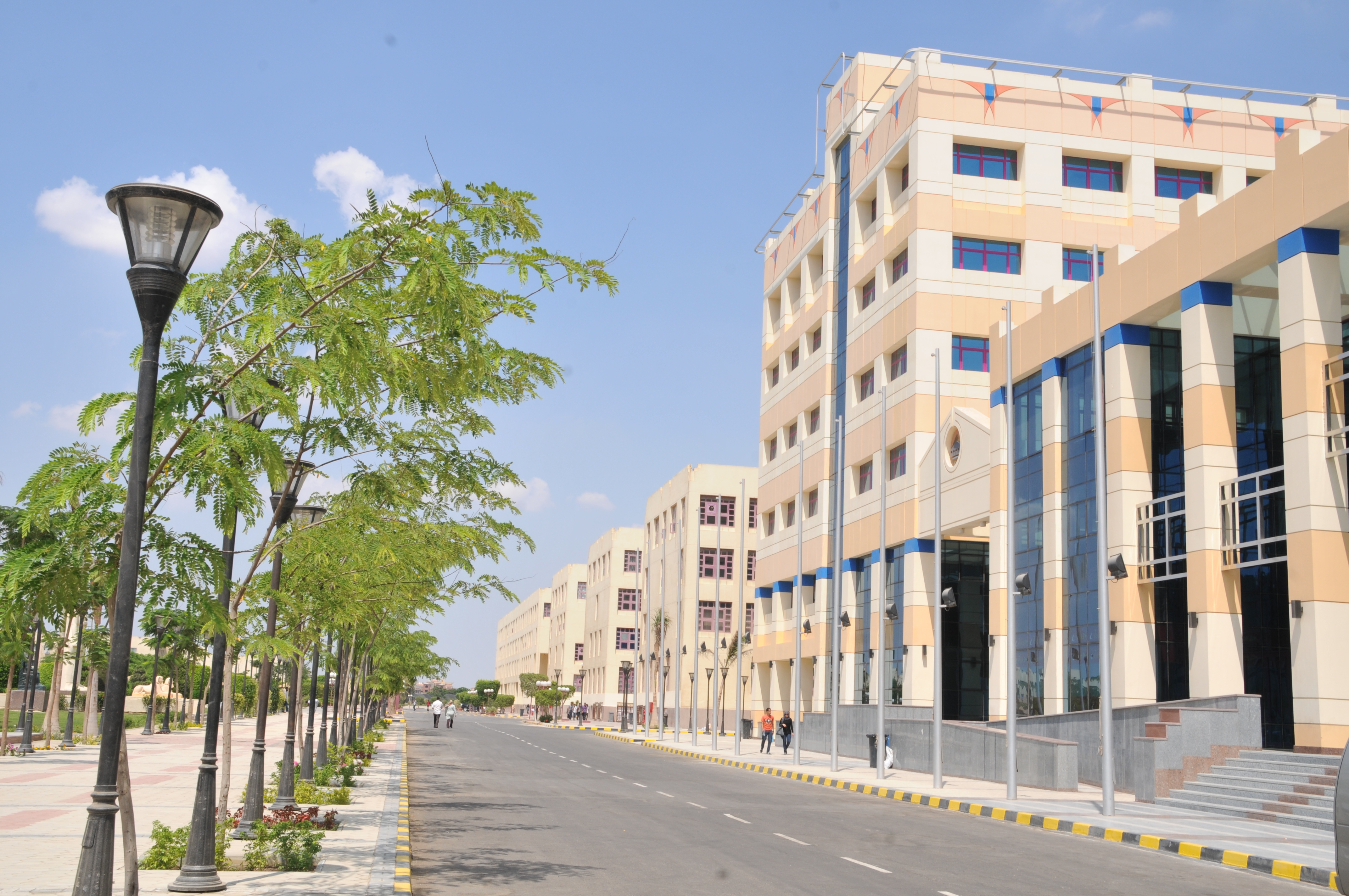
    Private non-profit education institutions are increasingly taking the lead and spearheading quality education in Egypt. Since 2014, Egypt’s focus on improving the private and public education sector has increased significantly. Vision 2030 has called for an overhaul of the current educational system and looks ambitious and promising. Serious efforts to modernize the education sector from…

  • Egypt is considered one of the fastest-growing offshore destinations in the world and its BPO and IT industries are gaining global market share

    Egypt is considered one of the fastest-growing offshore destinations in the world and its BPO and IT industries are gaining global market share

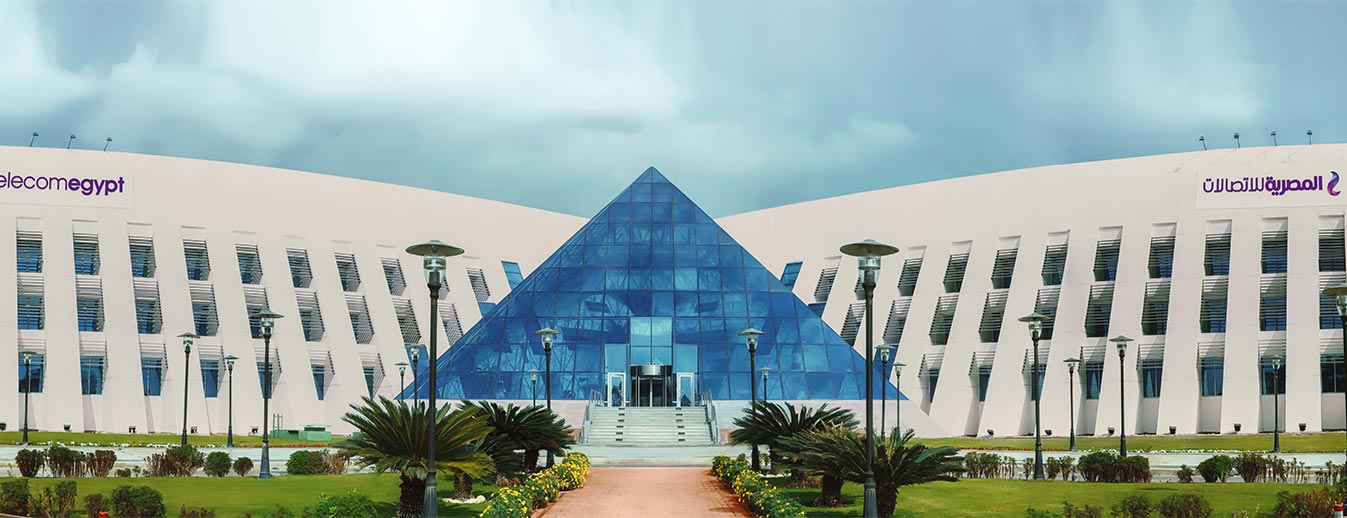
    Egypt’s ICT sector is one of the fastest economic contributors to GDP. The overall revenues for the sector in 2018 surpassed EUR 4 000 million and are expected to reach EUR 5 100 million by 2020. The growth rate reached 14.1% in 2017/2018, against 12.5% in 2016/2017 The government has invested heavily in telecom infrastructure.…

  • Eight percent of global shipping transits Egypt’s Suez Canal

    Eight percent of global shipping transits Egypt’s Suez Canal

    The Egyptian government is implementing an ambitious strategy to improve and develop the transport sector to enhance the state resources and benefit on Egypt’s strategic location. Egypt has 108 000 kilometers of roads and 9 750 kilometers of railways, along with 20 airports, 15 harbors and a series of land ports. Transport and logistics represented…

  • New sector specific mega industrial zones in Egypt seek to improve valued added export capabilities

    New sector specific mega industrial zones in Egypt seek to improve valued added export capabilities

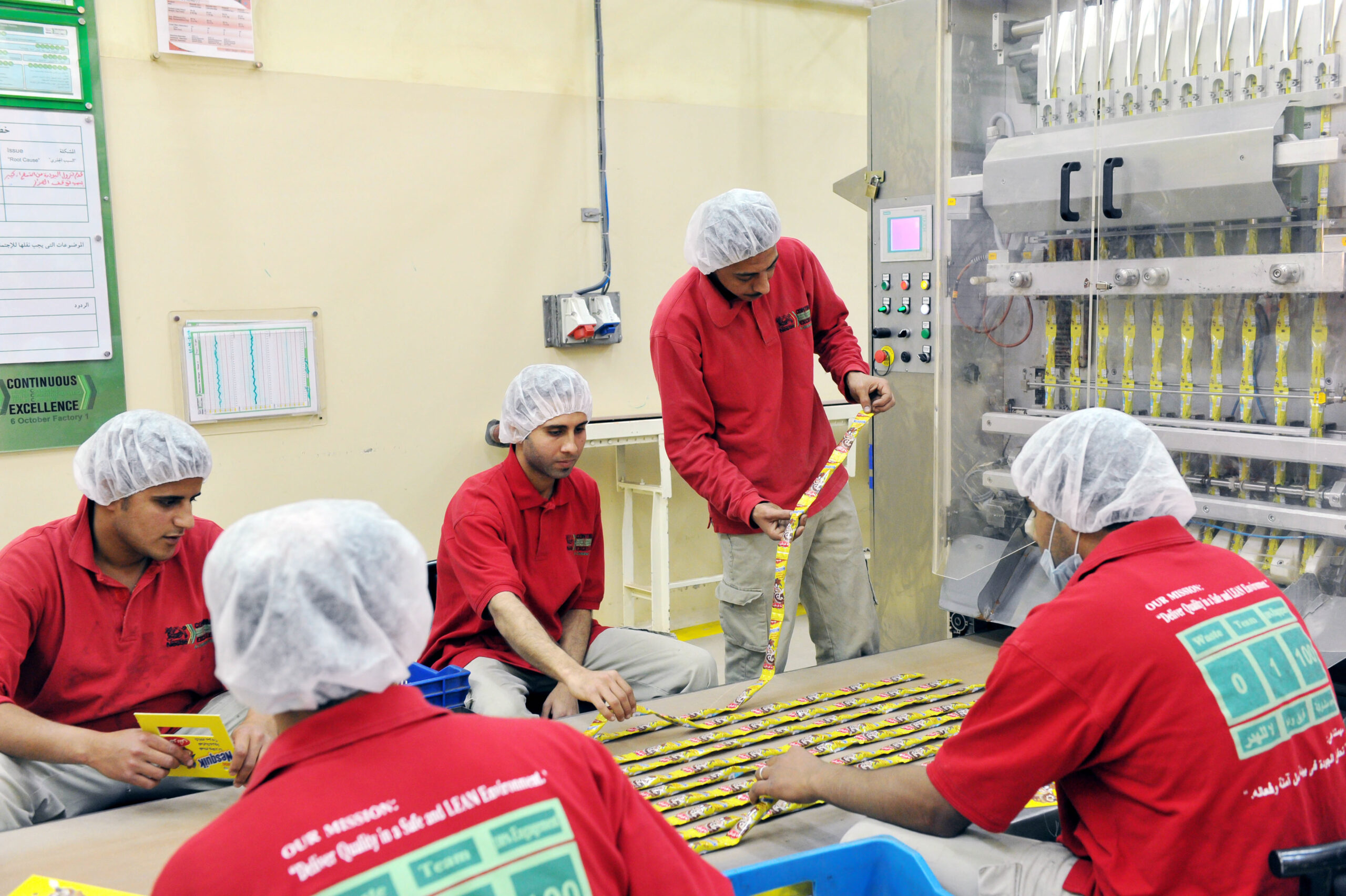
    Egypt streamlined its industrial licensing processes to boost investment. They slash bureaucracy and decrease the waiting time for new projects. The industry sector is the second biggest economic sectors in the country representing more than a third of the GDP and more than 13% of the total labor force. In 2014, Egypt started a series…

  • New Administrative Capital in Cairo

    New Administrative Capital in Cairo

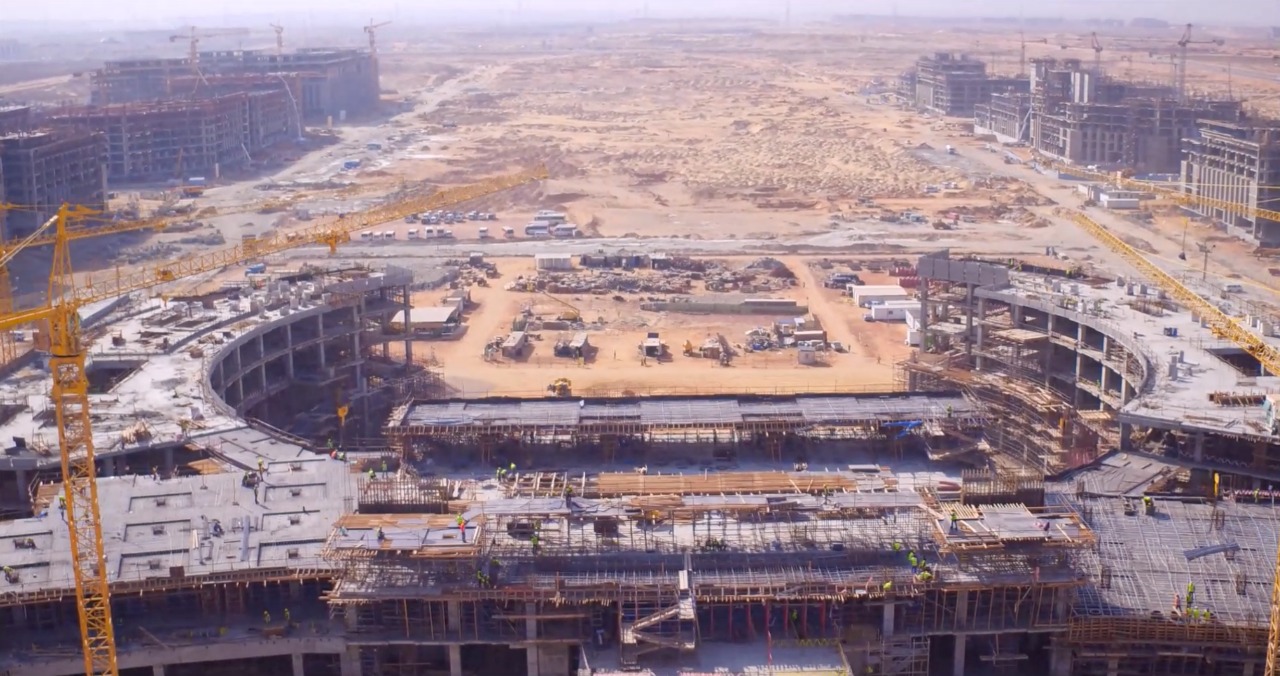
    Since the day the Pharaohs commissioned the Great Pyramids of Giza, Egypt has been home to vast mega-projects. Today is no exception, with the Suez Canal to the ongoing New Administrative Capital, presented as the biggest planned city of all time, Egypt has been living up to its Ancient ancestors. In March 2015, Egyptian Minister…

  • A growing population in Egypt demands quality housing

    A growing population in Egypt demands quality housing

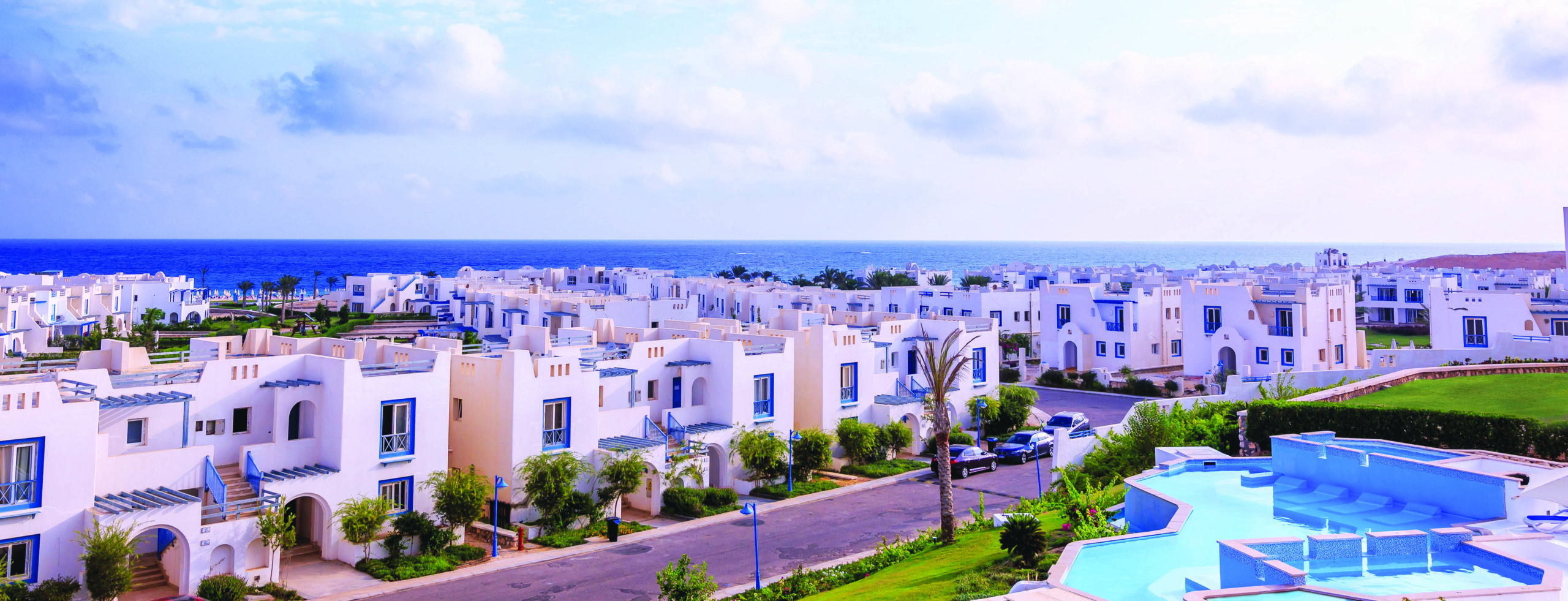
    One of the best solutions for Egypt’s constant overpopulation of cities has been urban expansion. It is part of an ambitious government plan to build new cities on the outskirts of every major governorate in Egypt. The Egyptian real estate sector has historically proven resilient to economic and political tensions over the past decade and…

  • Becoming an Energy Hub: From blackouts to exports, the Egyptian energy sector has made a complete 360 in the past five years

    Becoming an Energy Hub: From blackouts to exports, the Egyptian energy sector has made a complete 360 in the past five years

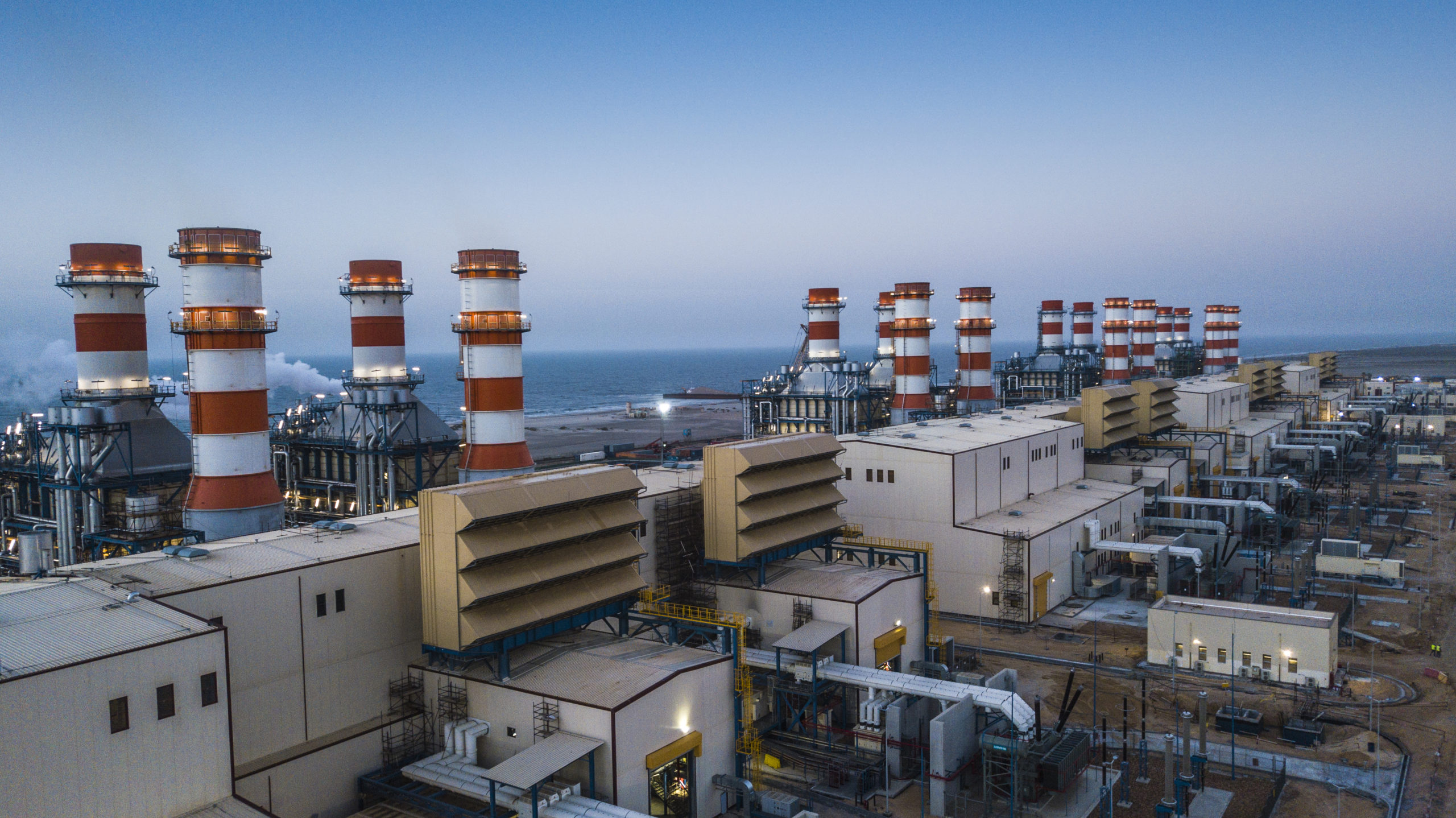
    Egypt’s oil and gas sector was on a downward spiral for years due to the impact of the Arab Spring, the unfolding of the Muslim Brotherhood, and the military coup. The country could not even keep its lights on five years ago. In 2013, due to a series of blackouts, factories were forced to shut…

  • Zohr: Massive new natural gas discoveries in the Mediterranean will meet and exceed Egypt’s national demand for years.

    Zohr: Massive new natural gas discoveries in the Mediterranean will meet and exceed Egypt’s national demand for years.

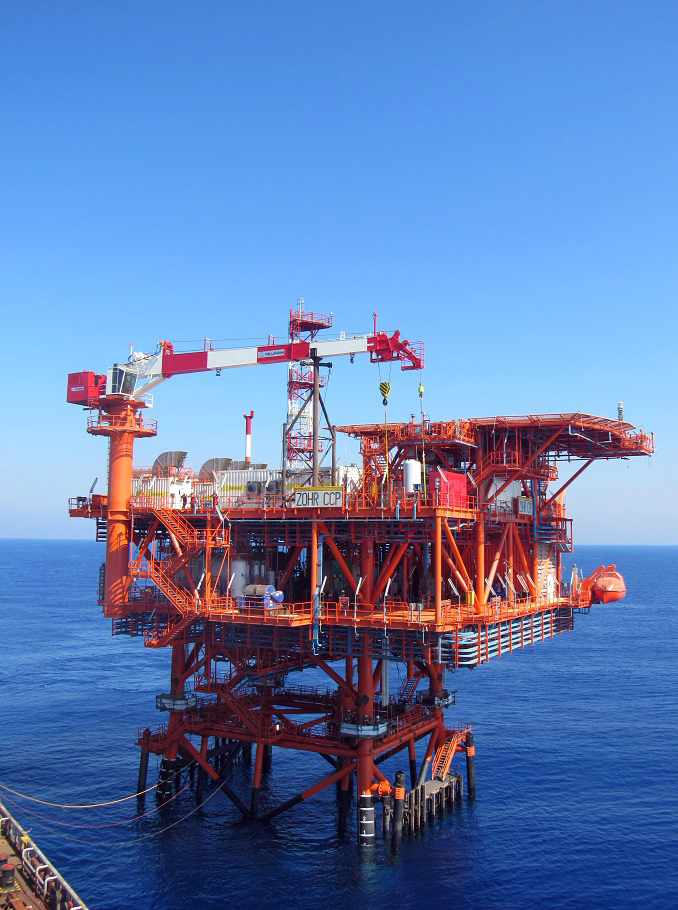
    Egypt is the third-largest dry natural gas producer on the continent and the largest non-OPEC oil producer in Africa. In addition, the Suez Canal and Suez-Mediterranean Pipeline (SUMED) are strategic high-security global transit routes for oil shipped from the GCC to Europe and the United States.  Egypt is the most populous country in North Africa,…

  • Egypt’s growing population is reinforcing economic growth while severely straining national resources

    Egypt’s growing population is reinforcing economic growth while severely straining national resources

    Egypt’s demographic boom has been a blessing to the economy. As the largest consumer market in the Middle East every sector of the economy can confidently expect sales to increase backed by national demographic trends. The needs of the growing population provide massive investment potential, and the private sector continues to find new opportunities to…

  • New Investment Law in Egypt

    New Investment Law in Egypt

    The landmark new investment law, ratified in 2017, changed the landscape of business in Egypt. The law has modernized and reduced barriers to how international companies invest and operate in Egypt, offering incentives, simplifying the processes, guaranteeing protection from decisions that are arbitrary or capricious, and providing new tools to ease establishing, starting and operating…

  • Egypt’s economic fundamentals are improving, and at 5.4% GDP growth it is the fastest growing country in the region

    Egypt’s economic fundamentals are improving, and at 5.4% GDP growth it is the fastest growing country in the region

    Egypt is the regions fifth-largest economy and increasingly on the global investment map. According to the International Monetary Fund Egypt was the third largest economy in Africa with a GDP of EUR 208 682 million in 2017 after Nigeria’s EUR 331 061 million and South Africa at EUR 304 642 million. Egypt’s economic fundamentals in…

  • Egypt’s evolving socio-economic dynamics evolve amongst social and religious frictions

    Egypt’s evolving socio-economic dynamics evolve amongst social and religious frictions

    Historically, the Arab Republic of Egypt has been fundamental to the development of the Middle East and North Africa. To this day, Egyptian political thought and cultural influence echoes throughout MENA. Egypt remains an influential actor in the region, pushing towards the path of further economic and political stability.   History: It is impossible to…

  • Sustainable Development Strategy: Egypt Vision 2030

    Sustainable Development Strategy: Egypt Vision 2030

    “The new Egypt will possess a competitive, balanced and diversified economy, dependent on innovation and knowledge, based on justice, social integrity and participation, characterized by a balanced and diversified ecological collaboration system, investing the ingenuity of place and humans to achieve sustainable development and to improve Egyptians’ life quality,” Egypt Vision 2030 Sustainable Development Strategy.…