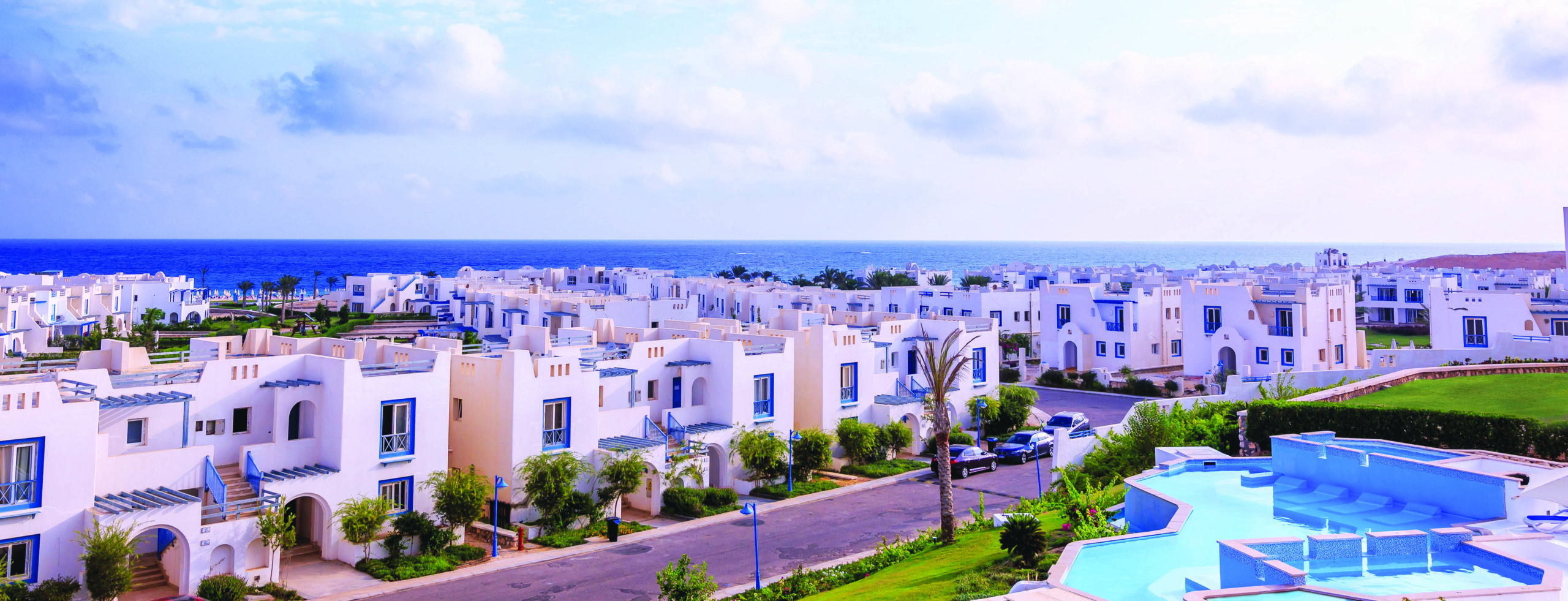
The government is actively pushing to reposition Egypt’s tourism and return it to its pre-revolution glory days.
Egypt’s tourism sector has historically been a vital driver of the economy and a critical source of foreign currency. Its historical heritage has and will continue to attract global wonder which in itself has caused underinvestment in crucial infrastructure over the years. Egypt is now working to regain its international reputation as a world-class destination through several infrastructure projects. The current focus is on further developing non-traditional tourism niche segments to avoid Egypt’s historical over-reliance on its core markets. Egypt’s skyrocketing tourism bookings in 2018 help drive its contribution to GDP which is expected to reach 15%. 2018 marks a turnaround for the sector which has been struggling since 2011 due to security concerns. Total tourist arrivals could surpass 10 million for the first time in six years.
In 2007 travel and hospitality represented 19.5% of GDP. A peak year for the sector was 2010 when international arrivals reached 14.7 million visitors. During 2010, tourism employed 12% of Egypt’s workforce and provided revenues of nearly EUR 10 500 million which meant nearly 11% of GDP. The sector heavily relied on a few key markets for the majority of arrivals. The UK market filled occupancy across Egypt in the summer and the Russian market in the winter.
Following 2011, the sector was severely affected by national security concerns resulting in a sharp fall in arrivals from its core markets. Following the downing of a Russian airliner traveling from the popular Red Sea resort of Sharm El-Sheikh in 2015, flights to the region were canceled by Russia, UK, and other core markets. Egypt’s tourism sector has gone through a challenging period, and lingering security concerns make it difficult to predict its evolution moving forward. In 2016 Egypt attracted 5.4 million international visitors aggravating the sector’s challenges. Nonetheless, the industry has quickly benefited from periods of peace and stability which quickly translate into a rebound of tourist inflows. Considering the challenges experienced by the sector in the past seven years, it has performed surprisingly well. Driven by the devaluation of the currency and the resumption of flights after a two-year suspension the latest statistics show a rebound. Flights between Moscow and Cairo resumed earlier in April 2018. Following negotiations between Russian President Vladimir Putin and President Abdel Fattah El Sisi in October 2018 discussions are in place to lift travel bans to the Red Sea in early 2019. The Russian travel ban lifting is a critical factor behind the sector’s performance, providing additional revenues of EUR 2 000 million and an essential growth factor for 2019. Egypt is a becoming more attractive holiday destination through cheaper hotel prices. The public and private sector are working jointly to re-attract tourism from established markets.
The government is actively pushing to reposition Egypt’s tourism and return it to its pre-revolution glory days. The Tourism Ministry is planning the new legislation, administrative reforms, and the launch of a private equity fund through its E-Trip strategy to overhaul sector.
Extensive resources have been dedicated to marketing campaigns, influencers, and social media. Millions have been poured into advertisement campaigns highlighting Egypt’s diverse lifestyle offerings. Celebrity visits including Will Smith, Lionel Messi, Melanie Trump, Owen Wilson, Usher, or Alicia Keys are improving perceptions that Egypt is safe. These campaigns have highlighted Egypt; however, a negative perception lingers in the public arena. More efforts are needed on the ground to improve core tourism infrastructure. In addition, efforts to educate travel agency employees in core markets are necessary so they understand the security measures being implemented, so they can, in turn, reassure potential visitors, and give accurate information.
In particular, Egypt must seriously reconsider its handling of negative press abroad by increasingly utilizing public relations specialists, seeking legal advice and clarifying on the ground realities through globally recognized channels.
International arrivals: A key component to the direct contribution of tourism is international arrivals. Tourists arrivals jumped 40% in the first nine months of 2018 compared to 2017 when eight million tourists visited Egypt. International arrivals and travel spending generated 52% of revenues in 2017.
In 2017, Egypt generated EUR 6 900 million from its tourism sector boosted by increasing arrivals which reached 8.3 million. This represented 5.6% of GDP. This improvement continued through 2018 with Egypt’s tourism revenue increasing 77% to EUR 4 210 million in the first half of 2018 with visitors reaching 5 million, a 41% year-on-year growth. Indicators suggest the tourism sector will earn EUR 7 921 million in 2018. The United Nations World Tourism Organization (UNWTO) revealed Egypt is one of the fastest growing tourist destinations globally.
Cairo, in particular, was the fastest-growing tourism destination in the world in 2017, and this will likely be the same for 2018. It’s 34.4% year on year growth was much higher than China’s Macau which came in second place growing (14.2%), while Istanbul grew (13.1%), and Dublin (11.5%).
It is key to note that Egypt’s infrastructure to support such numbers is already present, and the country can easily accommodate much higher numbers.
Travco Group CEO Hamed El Chiaty told Reuters in late 2018 that winter tourism bookings to Egypt for early 2019 are promising, with occupancy rates for group’s properties excluding Sharm El Sheikh reaching 80%. Many players within the sector have similar positive key indicators further highlighting the revival of Egypt’s tourism industry.
European tourists accounted for 57 percent of arrivals, with the German market being the largest segment. According to Hamed El-Chiaty, Chairman of Travco Group, one of Egypt’s largest travel agencies, tourism for the full year 2018 is expected to reach between 10 and 12 million. Egypt’s Ministry of Tourism expects international tourist arrivals by 2028 will reach 21 million and generate up to EUR 10 527 million consisting of 5.3% of GDP.
Considering the total contribution of Travel & Tourism, including broader effects from investment, the supply chain and induced income impacts the sector represented EUR 18 418 million and 11% GDP in 2017. It is expected to reach EUR 19 121 million in 2018 and 10.9% of GDP in 2018. The overall travel and tourism segment is estimated to have attracted capital investment of EUR 3 135 million in 2018.
Sector employment: The sector generated slightly over one million jobs in 2017, and this reached 1.14 million in 2018 including employment by hotels, travel agents, airlines, restaurants, leisure activities and other passenger transportation services that cater to tourism services. The wider effects from investments and cascading impact on the employment are estimated to elevate this figure to 2.53 million jobs in 2018.
Emerging Markets: Egypt needs to promote itself in untapped markets increasingly. Recent successes have been found over the past few years. In 2017, Ukraine was Egypt’s second largest inbound tourism market. Egypt became the most popular tourist destinations for Ukrainian tourists showed by a 43.7% year on year increase in arrivals in the first half of 2018.
Tourism from neighboring Arab countries has recently experienced a peak. They are characterized by being some of the highest spenders per person.
Emerging markets such as China, India, and Latin America offer a new source of tourism revenue and have been increasingly on Egypt’s agenda. Chinese tourism, for example, is less sensitive to security concerns, more focused on cultural heritage and mostly sold through group packages which the Egyptian market has extensive experience catering to.
China is one of the largest exporters of tourism in the world with over 150 million outbound tourists spending over EUR 2 trillion per year. The initial figures are promising with Chinese visitor arrival numbers doubling every year. However, Chinese tourists visiting Egypt only reached 150 000 in 2017. This hardly offsets the fall in revenues from its core European markets but moving forward the growth trend is set to continue. In 2016, Egypt and China agreed to increasingly cooperate and grow Chinese tourist arrivals to 1 million by 2020. It will allow Egypt to be less dependent on its traditional tourism markets in the future. The figures have also driven Egypt to broaden its tourism options in the hope of attracting a wider variety of tourists.
Crisis in paradise: Years of reduced international arrivals have hit Egypt’s tourism sector hard and pushed many companies out of business. The damage will take years to repair. Hotels in cities like Sharm El Sheik and Hurghada on the Red Sea that catered to traditional European markets were hard hit and decreased prices to attract customers from other markets. This period of fierce competition characterized by the repeated cutting of prices below those of competitors led to many hotels lowering their standards. Large five-star hotels and major travel agencies were forced to cut costs across the board. Especially staff cuts to high-caliber employees that were well compensated. The industry will need to compensate this brain drain moving forward. Cuts also resulted in a decline in investment and renovations throughout many hotels.
On the opposite side specific hotels with deep pockets and confidence in Egypt’s ability to re-attract travelers took advantage of the dip in tourism to renovate their facilities.
Some five-star hotels maintained their quality standards, but tourists have now become accustomed to five-star facilities at one-star prices across Egypt. Inflation and the devaluation, which increased costs of imported goods, acerbated these problems.
Egypt’s CBE in December 2018 granted a one-year extension for outstanding loans of investors in the South Sinai tourism sector. In addition, the CBE offered EUR 2.3 million in reduced interest rate loans.
Domestic tourism led by weddings, and MICE tourism through corporate and business meetings have been a crucial new segment allowing many entities to survive during this challenging period. Many new entrants have rushed into the profitable event and MICE segment further decreasing prices.
Mice tourism: Business tourism and the MICE tourism niche segment represented a much larger proportion of Egypt’s visitors during 2017. According to Colliers International 67% of tourists in Egypt visit for corporate/business purposes, 20% for MICE, and just 13% for leisure.
On the ground: The annual Gallup Global Law and Order survey asked global populations if they felt safe walking at night and whether they had been victims of crime. Egypt came in 16th globally outranking the UK in 21st and the US at 35th. Egypt has consistently been ranked as the safest country in Africa.
There is a large security presence and several checkpoints at crucial sites and areas frequented by international visitors. Procedures resemble airport security checkpoints and are quite fast, efficient and simple. The security situation cannot be easily compared with other countries. Crime in Egypt is negligible while pickpockets are endemic to Barcelona, muggings a daily occurrence in Rio de Janeiro, and terrorism is on the rise across Europe. For the most part visitors in Egypt feel welcome and safe throughout with the most uncomfortable situations being limited to haggling and the excessive attention woman receive from local men. The pockets of sporadic violence are in remote areas usually not frequented by tourists.
Medical Tourism:
Egypt has earned a strong reputation as a regional medical tourism hub and has been attracting patients primarily from North, East and West Africa & GCC.
Beauty Related Treatment has been growing within middle and upper-class income segments. Lipoplasty, eyelid surgery, rhinoplasty, facelifts, and botox, have been on the rise. Patients tend to spend three to fifteen days depending on the treatment.
In addition, there is a new trend of international visiting physicians which operate from Egypt on a periodical basis to meet demand from healthcare facility in new healthcare cities and healthcare parks.
Although several strategies seek to boost Egypt’s role in attracting medical tourism, national healthcare institutions require drastic changes before Egypt can consider competing on a global scale as a medical tourism hub.
The overall healthcare system needs to be improved with particular focus on the quality of services. Improving the quality of nursing is a crucial segment which needs a lot of dedication moving forward. The sector would benefit from simplifying visa procedures for incoming medical tourists as security checks, and clearances have been an obstacle. Authorities should also implement a clear pricing structure for medical services. Currently quality and pricing vary greatly.
New Investments: Egypt has increased its investments in core infrastructure in preparation for international tourism arrivals to return to peak levels and to meet future demand.
Several plans to promote tourism are in place: opening new hotels, museums, restoring palaces and bringing state of the art technologies to ancient sites, amongst other projects.
Cairo has seen new five star hotels opening since 2017 such as the Steigenberger, St. Regis, Hilton Cairo Heliopolis or the renovated Sheraton Cairo Hotel. In addition, national urbanization is being utilized to create new cities designed to cater for tourism such as New Alamein City, or New Mansoura.
Grand Egyptian Museum (GEM):
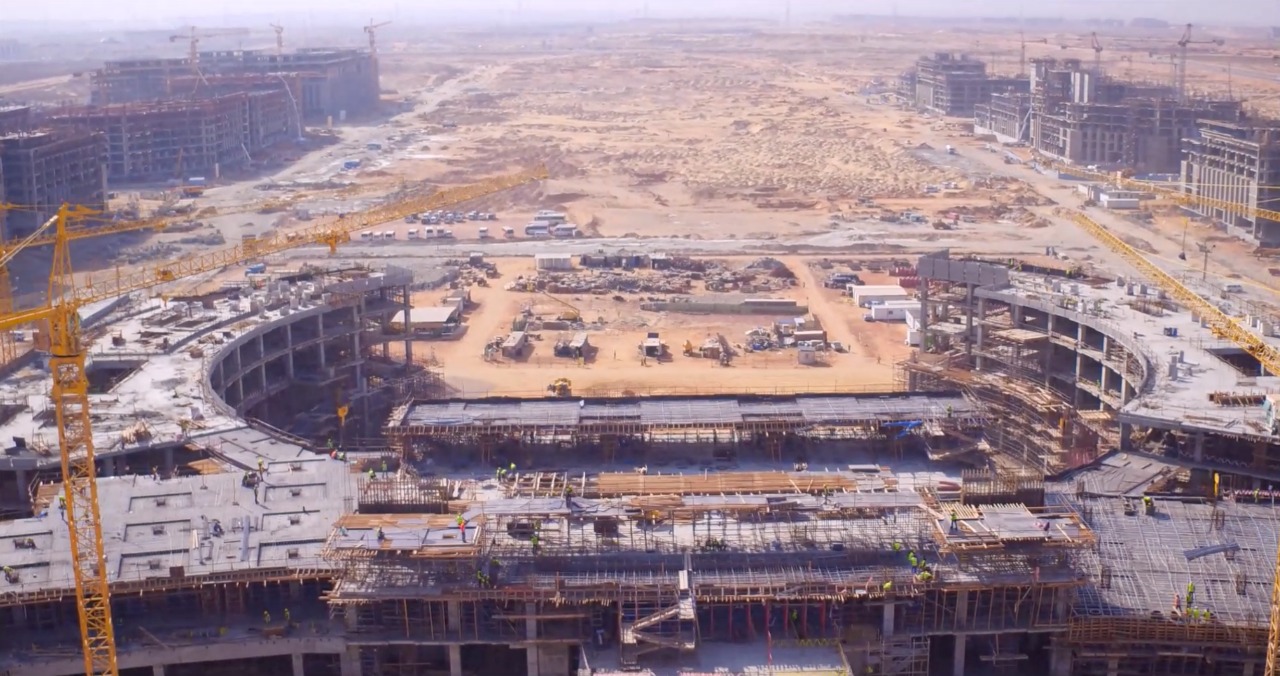
The museum is under construction and is described as the largest archaeological museum in the world. Its role will be to revitalize the national tourism strategy and will be the national pride of Egypt serving as a bridge between ages. Visitors to the new museum will be able to contemplate the pyramids of Cheops, Kephren, and Mycerinus from inside the galleries.
It is constructed on a 491 000 square meter land area, and the colossal building covers 168 000 square meters. At maximum capacity, the museum should be able to comfortably cater for up to 15 000 visitors per day.
The museum will be home to 100 00 antiquities, and its architecture has been inspired by the pyramids and Egypt’s pharaonic history. The scale of the project will allow for the complete exposition of the museum’s inventory including many important artifacts which have never been on display.
Unlike the current museum of antiquities, the GEM’s facilities are expected to cater for physical disabilities with top-notch state of the art technology and virtual reality technological advancements to facilitate interpretation.
The location was chosen carefully and placed on the first desert plateau next to the ancient pyramids of Giza. The museum is conveniently connected through a major highway nearby which connects Cairo and Alexandria, the M75, as well as Cairo’s ring road. These connections serve as a connection to greater Cairo and nearby cities.
West Cairo’s new “Sphinx international airport” located 29km from the GEM is much closer than Cairo International Airport, which is 50km away in East Cairo. The new airport will be able to serve a high number of international visitors and decrease travel time from the airport to 30 minutes. Considering Cairo’s endemic traffic, this is a huge reduction from the current 60 minute travel time.
When it comes to investment opportunities, the GEM will hold several rent and usufruct areas. 28 commercial shops ranging between 124 and 570 square meters will be available in addition to 31 food and beverage kiosks. Two large restaurants will overlook the pyramids, and eight additional medium sized restaurant areas have been reserved for additional gastronomical experiences. A 30 room boutique hotel is planned on site with a health club. In addition, with MICE tourism on the rise throughout Egypt, the GEM will hold a 1 000 guest conference outlet with event spaces and a 3D cinema.
Baron Palace: The 20th-century palace in Heliopolis was built by Belgian industrialist, and founder of Heliopolis, Baron Édouard Louis Joseph Empain. It is inspired by the Hindu temples of Orissa in India, and Angkor Wat in Cambodia. The abandoned palace, which is long rumored to be haunted, is part of the plans to diversify Cairo’s tourist attractions.
Antiquities being restored: The Egyptian government has tried to balance restorations and equally highlight Egypt’s entire heritage, whether Pharaonic, Jewish, Coptic or Islamic. The Ministry of Antiquities has allocated EUR 63 million to renovate a number of archaeological sites throughout Egypt.
Palace of Mohammed Ali Pasha: The Palace in Cairo’s Shubra neighborhood is a rare archeological masterpiece combining both Western and Islamic styles of art. EUR 7.3 million has been allocated to its renovation.
Eliyahu Hanavi Synagogue: The Jewish synagogue was built in 1354 in Alexandria on Nabi Daniel street. The building was bombed in 1798 by the French during their invasion of Egypt and was re-built in 1850 with contributions from the Muhammad Ali Dynasty. Although small services are still held in the synagogue, the community is dwindling, and the Synagogue has been closed several times due to security concerns. Its restoration is meant to maintain some of Egypt’s Jewish heritage alive an part of efforts to boost tourism in Alexandria.
Graeco-Roman Museum in Alexandria: The museum is the largest one specializing in the Graeco-Roman civilization in the Mediterranean region. Following a seven-year suspension, restoration is back on track. The museum should be fully renovated by late 2019. The museum will have 30 exhibition halls containing 40 000 artifacts. The museum highlights the lesser known Greek and Roman eras in Egypt and their connection to Pharaonic history.
Alexan Pasha Palace in Assiut: Despite a rich history, Assiut which lies 350 kilometers south of Cairo, has never had a museum. The Alexan Pasha Palace was built in 1910 and is set to become one of Egypt’s newest national museums. Following the ongoing restoration works the palace and its gardens are projected to offer a cultural space for residents and a tourist attraction. The museum will house antiquities belonging to the Assiut region including ancient Egyptian, Roman, Coptic, and Islamic artifacts.
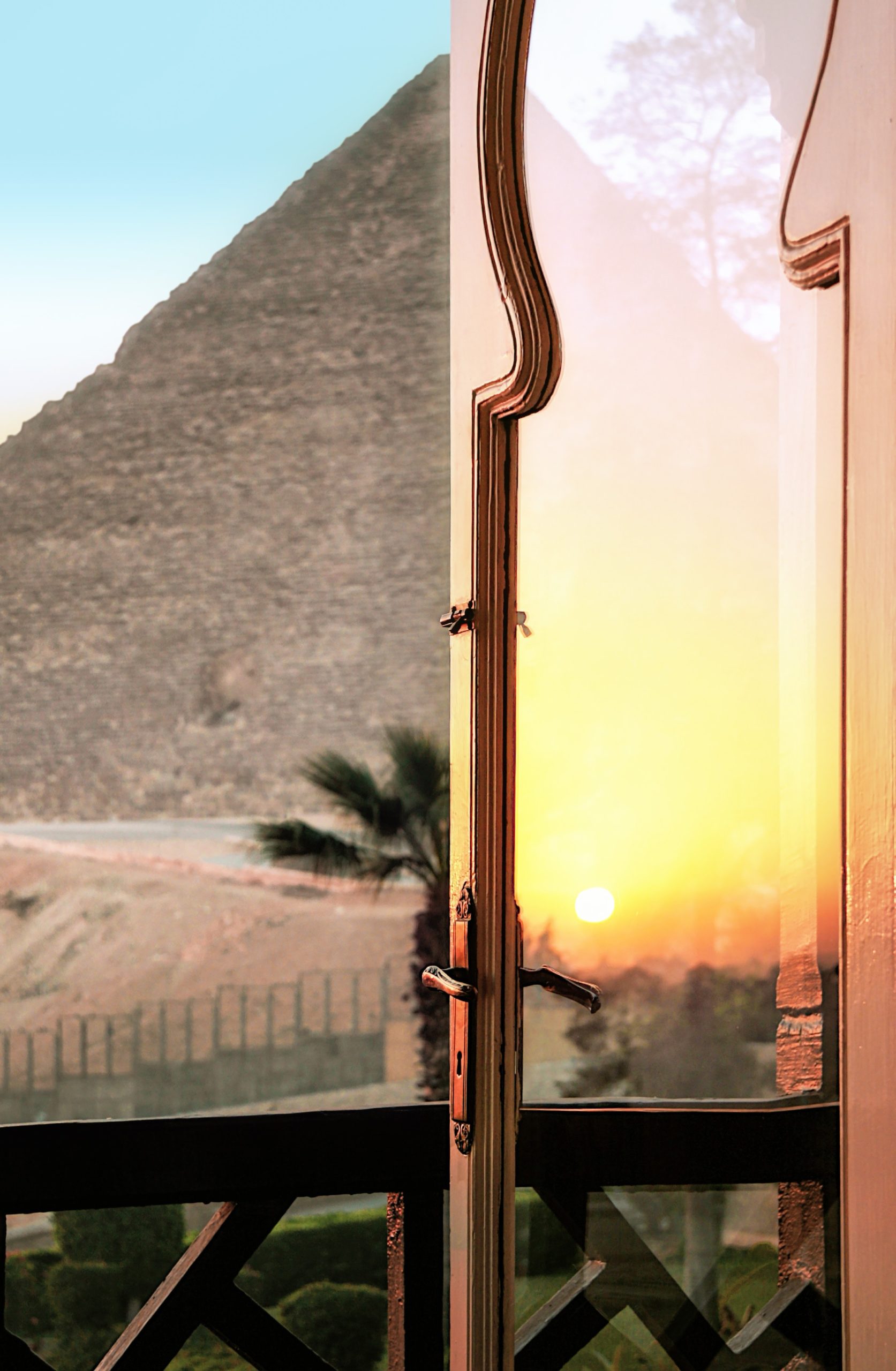
King Farouk’s Rest House: King Farouk built several rest houses in the 1940s for personal use throughout Egypt. One of the most beautiful is at the base of the Giza Pyramid Complex. A grand neo-Pharaonic structure built in 1946 by Mustafa Fahmy.
Sohag National Museum: The new museum and visitor center in Sohag, 450 kilometers south of Cairo, includes Ancient Egyptian artifacts used during religious beliefs. It will also include Islamic, Coptic and Pharaonic pilgrimage memorabilia.
Red Sea diving: The Red Sea is globally recognized as one the most beautiful diving locations in the world. It is described by many as Europe’s the Caribbean due to its proximity and its unique marine environment. It offers clear tropical waters for millions of tourists and thousands becoming certified to dive while on holidays in Egypt.
Outlook: Egypt is increasingly trying to attract different visitors, but much can be learned from neighboring Dubai. Deepening the mix of visitors can maximize revenue. The sector has been too complacent relying on the Nile Valley and the Red Sea developments. After years of neglect, there is a current drive to create new services and attractions to ensure year-round visitors and make Egypt a multiple option destination. Egypt can do more to differentiate its product offering to international and domestic travelers and encourage repeat visitors.