Scotland’s two main cities offer global connectivity that continues to draw investors, entrepreneurs, and new residents. Together, they account for more than one-third of Scotland’s economic output and serve as a key point of entry for foreign investment, with the Edinburgh–Glasgow corridor attracting some of the highest levels of international capital per capita in the UK. But in Scotland, opportunity isn’t limited to its two largest cities; increasingly, it’s found in the areas beyond them.
Edinburgh – the Capital City
Edinburgh’s historic universities feed a steady pipeline of graduates. The city is becoming one of Europe’s fastest growing innovation districts.
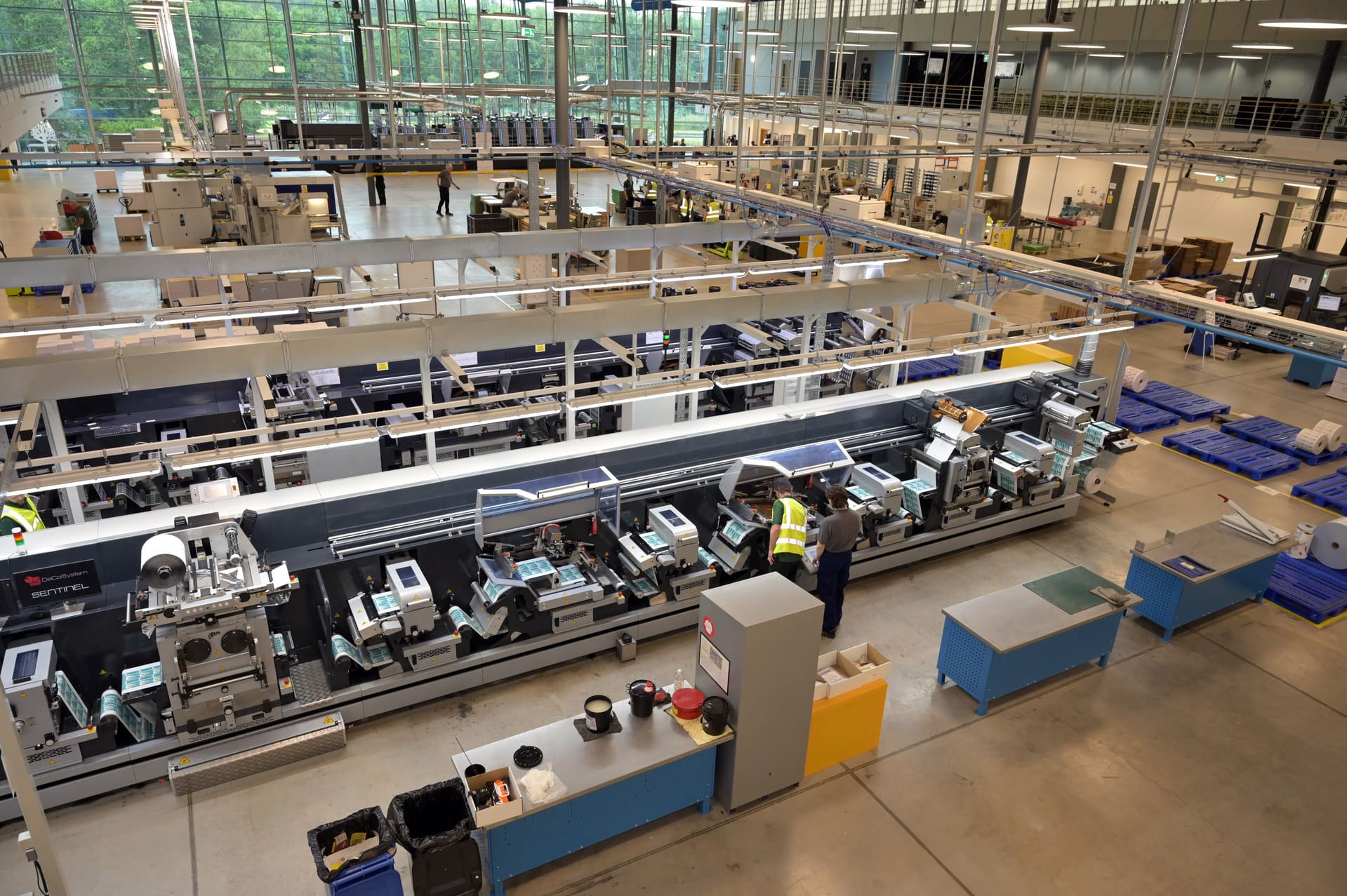
Tech incubators, with many startups, have sprouted where old printworks once stood. Edinburgh Innovations is the University of Edinburgh’s commercialization arm, tasked with turning academic research into real-world impact. It bridges world-class university laboratories and the global marketplace, helping researchers, students, and industry partners forge startups, license technology, and launch ventures.

Edinburgh Innovations CEO, Dr. Andrea Taylor, stated, “Our team works with academics from the earliest research stage, connecting them with industry and investors to turn ideas into scalable businesses. An example is Resolution Therapeutics, a company that is developing advanced cell therapies for liver disease. They moved from lab research to clinical trials within Edinburgh’s integrated BioQuarter. Edinburgh receives over £400 million in annual research funding and is a destination for high-impact ventures. Our strong links ensure that world-class research doesn’t just stay in the lab, but reaches markets worldwide.”
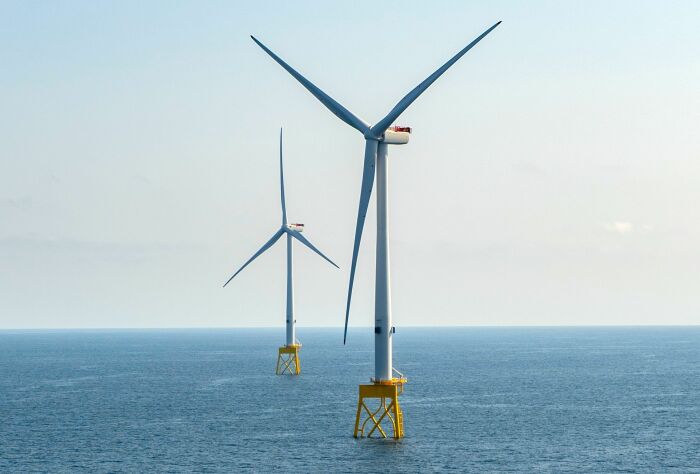
Sustainability is further shaping the city’s next chapter with aims to be a net-zero capital by 2030. Electric trams glide through cobblestone streets; rooftop gardens bloom above converted warehouses; and the Forth’s steady winds fuel the region’s renewable ambitions.
Yet Edinburgh’s appeal comes at a premium. As a tightly packed heritage city, Edinburgh finds itself balancing the preservation of its historic character with the growing demand for modern spaces. It has some of the highest housing costs in the UK, with average rents more than 40% higher than the Scottish average. Office space, too, commands higher rates, reflecting tight supply in a compact city where development is heavily regulated.
Glasgow – A City Forged in Creativity
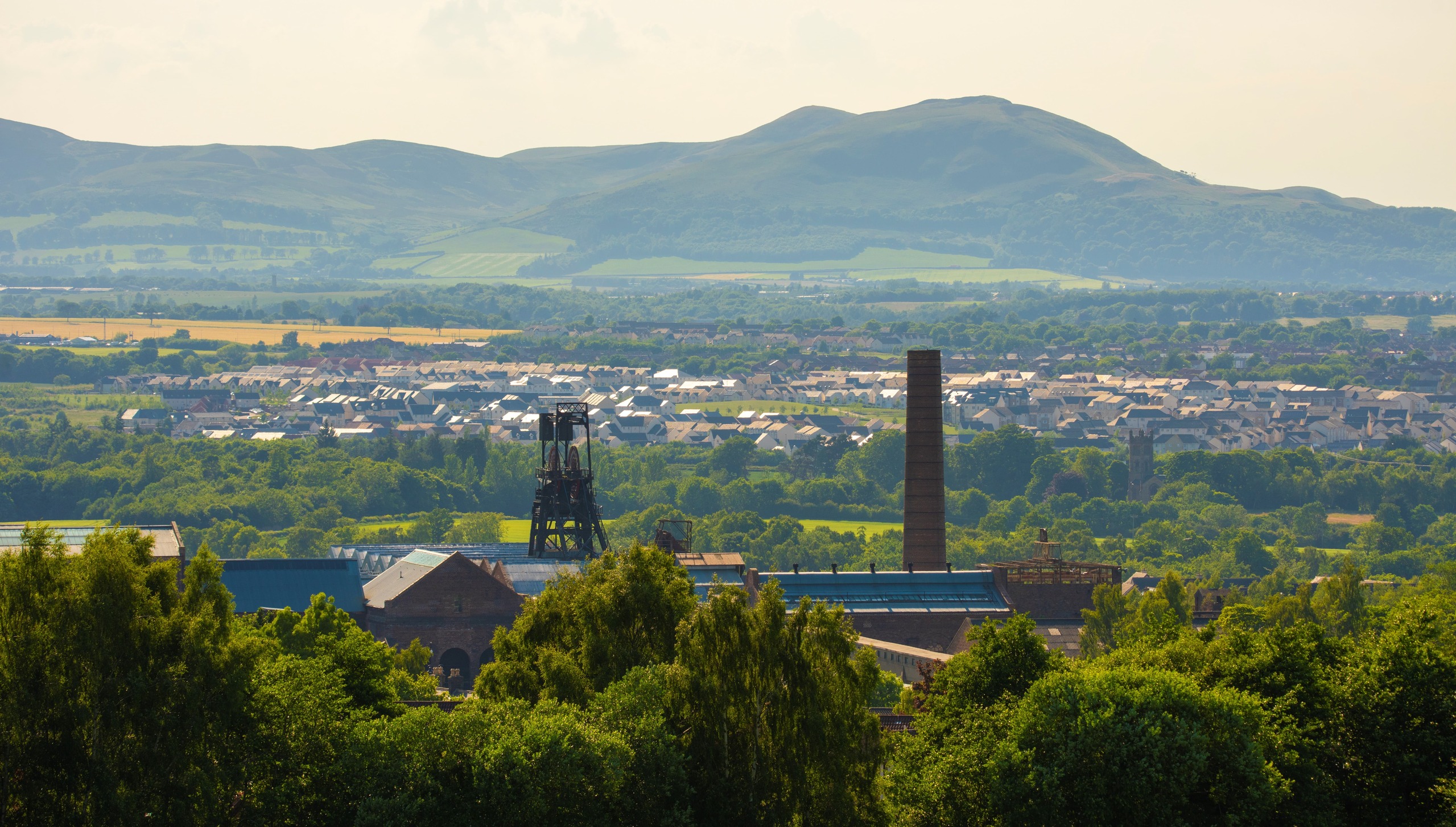
Glasgow offers a different kind of economic strength. Once defined by heavy industry, the city transformed into a center for advanced manufacturing and the creative sectors. The city’s region hosts the Glasgow Riverside Innovation District as well as a thriving media cluster that includes major film and TV production. The University of Glasgow and the University of Strathclyde have active research ecosystems, drawing significant investment in health innovation, quantum technology, and engineering. Glasgow’s cost base remains lower than Edinburgh’s, though it, too, has seen rising demand.

Susanne Millar, CEO of Glasgow City Council, said, “Glasgow has a rich heritage in engineering, economics, and innovation. Adam Smith is widely regarded as the father of modern economics and his Wealth of Nations endures as the seminal work on how society, politics, and commerce shape prosperity. He studied at the University of Glasgow. The city’s competitiveness is driven by its universities and academic strengths. Strathclyde University was founded as ‘the place of useful learning,’ and that ethos continues.”
Millar added, “One recent investment in Glasgow is J.P. Morgan’s new, purpose-built facility, which opened last year. From there J.P. Morgan works on global technology systems, including AI transformation and productivity tools for software development. Glasgow is also the UK’s capital for space technology. Later this year Scotland will conduct its first sovereign rocket launch in the north of the country.”
The Regions Beyond
For foreign companies both cities offer advantages, but limited space is prompting investors to look toward nearby Scottish counties, where land is more readily available, homes are more spacious, and new development zones offer room to grow. Other regions are attractive alternatives, combining lower costs with access to the same national workforce and digital infrastructure.